
Routing Electricity to a Garden Shed: What to Discuss With an Electrician
GARDEN SHED PLANNING
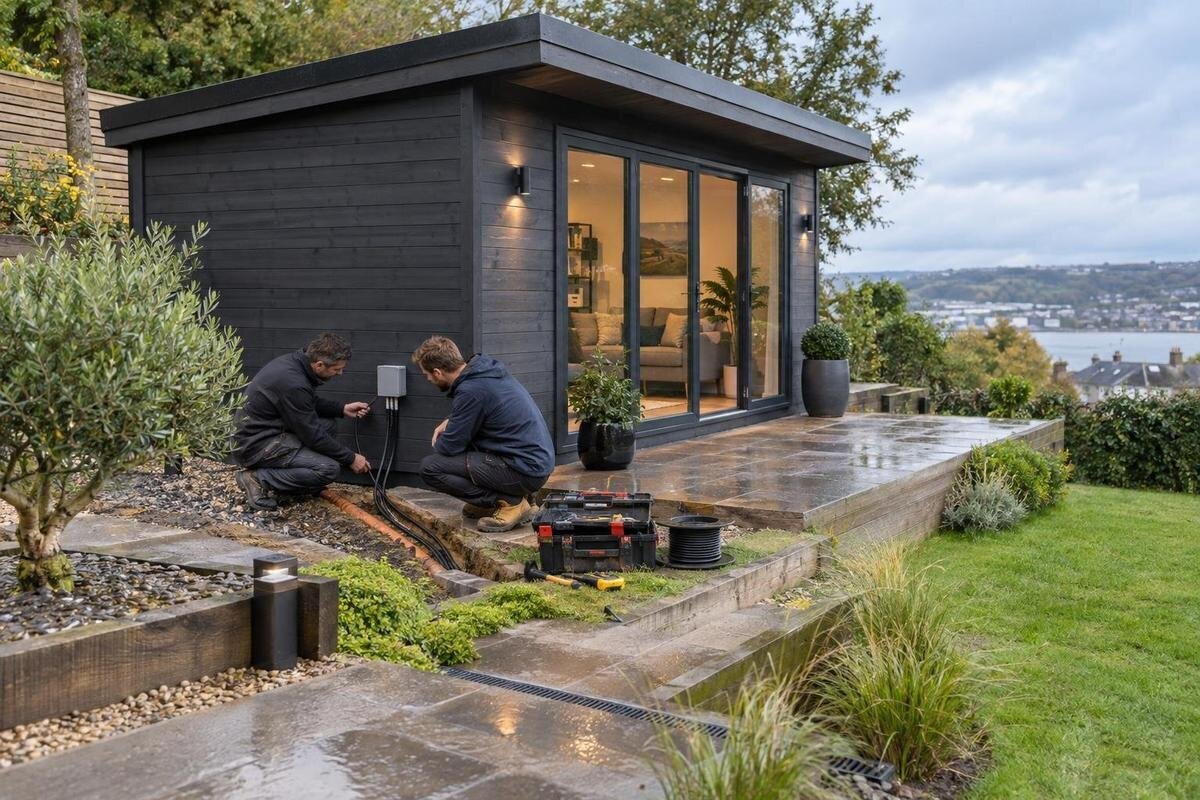
Planning electricity to a garden shed starts with how you intend to use the space, not with choosing a cable route. Before work is arranged, discuss the shed’s position, likely equipment, existing site conditions and any changes you expect with an electrician. Those details can affect both the electrical plan and the shed you order, including its position and layout. This guide focuses on the information to prepare and the questions to ask; design choices, installation and checks belong with the appropriate professional.
01
Define how you will use the shed
Begin by describing the shed’s job, rather than asking for a particular cable or outlet. A lock-up used mainly to store tools and provide occasional lighting has different expectations from a workshop, hobby room or office used for several hours at a time. Note whether anyone will work there after dark, how often the space will be occupied, and whether equipment will stay in one place or move around. Say whether the shed will be used year-round or only for occasional jobs. If it is just for storage, the electrician can discuss whether a permanent supply makes sense rather than treating electricity as an automatic add-on.
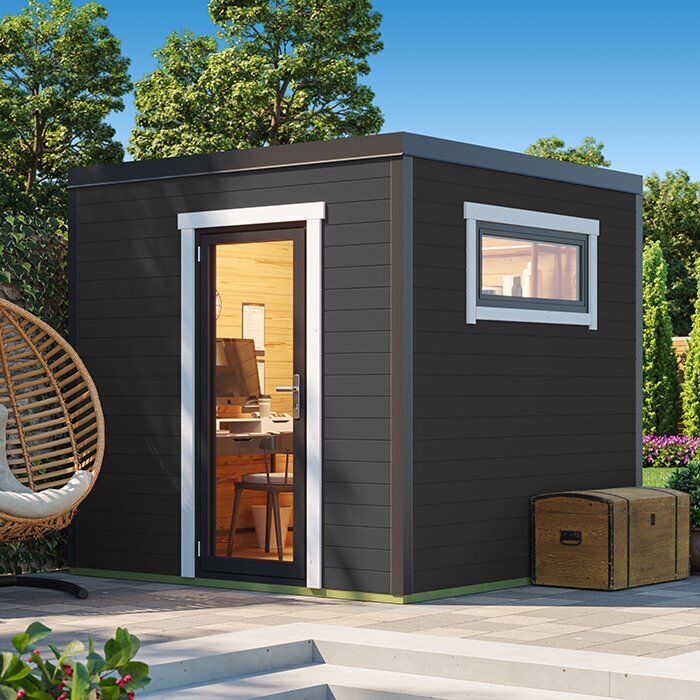
Separate essentials from possibilities. You might want lighting now, with computer use, charging, a heater or additional tools as future options; identify which uses are definite and which are still ideas. Explain who will use the shed and whether its role could change from storage to a regular work area. This gives the electrician a clearer brief than “power for everything”. As you compare sheds, keep the exact product listing—for example, the Verdana 1 garden shed—with your notes and ask for any current layout information rather than relying on a product name or image.
List the equipment and how it will be used
Make a written inventory of anything you might plug in, not just the first item that comes to mind. Include fixed equipment, chargers, portable tools, lighting, small appliances and anything you expect to use at the same time. For equipment already chosen, record its model or the information on its rating plate, or bring the manual for the electrician to interpret. A photo of a label can help if you do not know the information by name. If an appliance is undecided, describe its purpose and likely pattern of use. A real list is more useful than a guessed total; leave calculations and installation choices to the electrician.
Distinguish occasional use from equipment that needs to be available throughout the day, and flag anything that runs for long periods or generates heat. A heater, freezer or workshop machine should not appear as an afterthought once the electrical plan has been agreed. Note where each item will sit and whether it needs to stay connected, so the layout discussion can consider power points without promising a particular number or rating in advance. For a candidate such as the Verdana 2 garden shed, use whatever layout information the seller provides rather than assuming how the interior is arranged. Clearly mark purchases you have not made yet as provisional.
02
Map the shed position and site constraints
Draw a simple plan showing the house, proposed shed position, entrances, paths, driveways, garden beds and structures between them. Approximate measurements can help with an initial discussion, but a sketch is not a final route design. Add photos from the house and proposed shed area if they show obstacles or changes in level that are hard to describe. Mark any plans for new paving, planting, retaining work or garden storage; a clear strip today may soon become difficult to access. Label gates or narrow access points that could affect how work is carried out.
Think about how people and equipment move around the site. The shed’s door orientation, access for delivery or assembly, and the location of a work area can affect which side of the building is practical for services. If the Durano garden shed listing is on your shortlist, compare the proposed position with any layout information provided by the seller, then have the electrician assess the actual site. Do not assume an image confirms an entry point or the suitability of a route. Raise uncertainties before setting the base or placing an order.
Compare route options with the electrician
Ask the electrician to compare feasible route options rather than treating one line as settled. The discussion may include whether an overhead or underground approach is possible, and how a route relates to paths, paving, lawn, planted beds, a driveway or other structures. The shortest-looking line is not automatically the most practical. Discuss future access, disturbance to landscaping and any changes already planned. If you have a preference for a less visible route, say so, then ask what trade-offs it involves. Leave route design, cable selection and connection details to the electrician.
Ask what each option involves beyond the electrical work: whether surfaces may need lifting, who will coordinate that work, and who is responsible for reinstatement. If the Veltor 1 garden shed is the chosen model, confirm the position and orientation you plan to use before the electrician finalises the proposal; a later change can affect the route and scope. Do not arrange excavation or building alterations from a rough sketch alone. Ask who will identify existing underground services and what needs to be confirmed before ground disturbance begins.
03
Discuss ground conditions and existing services
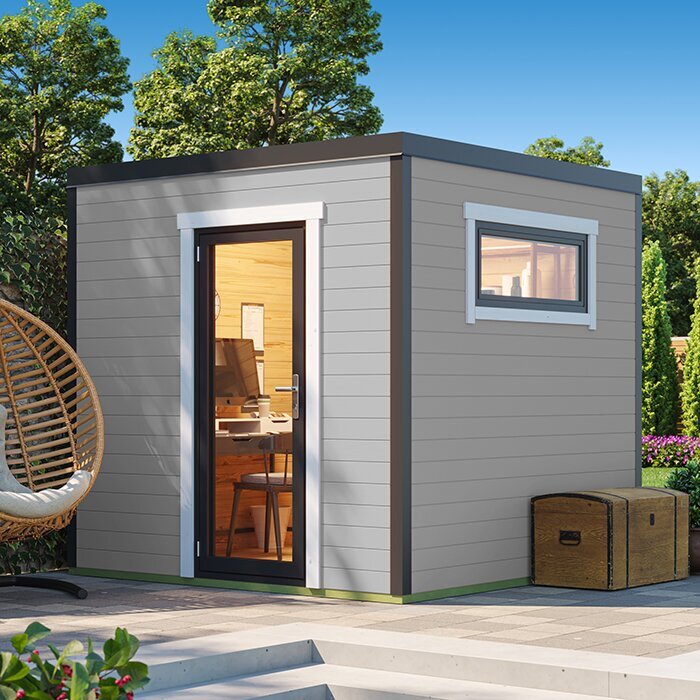
Describe physical site conditions that might affect access or route selection: sloping or uneven ground, areas that become wet, drainage channels, irrigation, established trees, retaining walls, concrete and narrow gates. Mention whether vehicles or equipment can reach the shed area, and whether planned landscaping may change the ground later. These facts do not automatically rule out a location, but they help the electrician assess feasibility and identify any coordination needed. If water gathers near the proposed shed site, explain when and where it happens rather than assuming drainage is irrelevant to the electrical plan.
Share what you know about services below or near the route, such as water, drainage, communications, power and private systems on the property. Provide available plans, but be clear about their age or any uncertainty; an old drawing is not proof of the current layout. Before anyone digs, ask the electrician who will arrange suitable service-location checks and what needs to be resolved first. For the Orello 1 garden shed or another shortlisted product, ask the seller for any available construction and base details; a photograph cannot establish hidden structure or an approved entry point.
Match the electrical plan to the shed you order
Identify the exact shed before the electrical plan is finalised. Ask the seller or installer for current drawings and any available details about the base, wall construction, door and window positions, and potential service entry. Pass relevant information to the electrician and ask what still needs to be confirmed on site. Do not assume a product photograph shows every side, that the model name describes its construction, or that an opening can be added wherever convenient. Keep the product information with your planning notes; the Modano 1 garden shed can be named as a candidate, not treated as a set of electrical specifications.
Before ordering, clarify who can approve any change to the shed and who will coordinate it with the electrical work. If an entry, opening or fixing is being considered, ask the supplier or builder what is permitted and the electrician what they require; do not ask an installer to alter a panel on guesswork. Confirm whether any electrical provision is included, what must be arranged separately, and which contractor is responsible for each part. Ask how late a layout or location change can be made without affecting scheduling, and whether the electrician needs access at a particular stage of assembly.
04
Ask about the existing supply and future use
Ask the electrician to assess the existing supply at the house in light of your equipment list and the rest of the household’s needs. An indoor socket does not, by itself, establish that the proposed garden-shed supply is suitable. Tell them where the switchboard is and share any relevant paperwork or known history, such as previous upgrades or electrical issues, without opening or altering equipment yourself. Find out what they need to assess, whether additional work may be involved and what assumptions underpin their advice. The electrician should explain what is feasible for your site, rather than relying on a generic online diagram.
If your plans may grow, describe realistic changes now: a storage shed becoming a workshop, more regular computer use, or equipment you have not chosen yet. You need not predict every purchase, but give the electrician a sense of what could be added and ask how that affects the proposal or later work. The Timber Garden Shed M listing by itself does not say what supply is appropriate; the selected location, confirmed product information and intended equipment form a more useful brief. Ask which future changes would call for a fresh assessment and what it would take to revisit the plan.
Plan lighting and power-point positions
Mark where you expect to work, store equipment and walk through the shed. A rough plan showing the entrance, benches, shelving and larger items makes a discussion about power points, switches and lighting more concrete. Include doors and fixed storage so a proposed outlet is not hidden behind furniture or somewhere difficult to reach. Note whether portable equipment will be used in more than one area. Ask the electrician to consider positions for your actual tasks and identify which decisions depend on the shed’s construction, rather than choosing a number or location from a generic layout.
Think about everyday use as well as the equipment list: lighting at the entrance, visibility at a work surface and convenient control as you enter may matter differently in a storage shed and a workspace. Explain any damp or exposed areas and ask the electrician to choose equipment appropriate to those conditions; do not select fittings on appearance alone. If the Wooden Garden Shed S listing is on your shortlist, mark preferred work and storage areas using the layout information available to you and review them against the details confirmed for that product.
05
Clarify the quote, approvals and work sequence
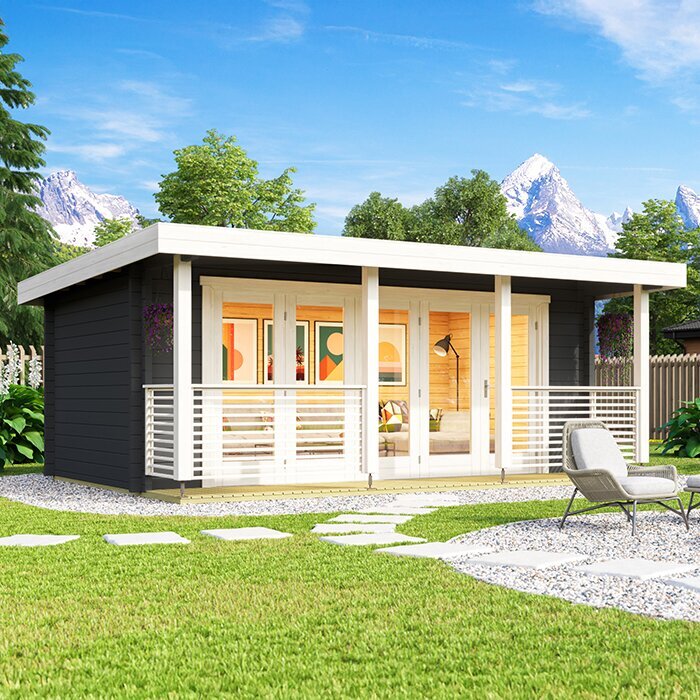
Before accepting a quote, ask for a clear scope: the proposed route, work at the house and shed, power points and lighting, any supply upgrades, and which testing or records are included. Ask what is excluded, which assumptions could change the work, and how a different shed position or an unexpected site condition would be handled. Distinguish the electrician’s work from tasks for the shed supplier, installer, builder or landscaper, including surface reinstatement and access arrangements. When comparing quotes, check that they cover similar work rather than judging by a total that does not explain what is included.
Ask the electrician which approvals, inspections or other requirements apply to your particular proposal, and who is responsible for confirming them. Do not assume a small garden shed is exempt or that the shed’s assembly instructions cover electrical work. Agree the order of visits with each contractor: when the location and route will be confirmed, when the base and assembly are planned, and when electrical work needs access. Confirm who will tell you if a site condition or product change affects the scope. Keep written notes of decisions and any conditions attached to the quote.
Keep clear handover records
At handover, ask the electrician to explain what has been installed, which controls operate the shed supply and how to respond if something does not work as expected. Request the relevant test or completion records and a clear description of what the supply was planned to support. Keep those documents with the shed paperwork, product details and any route information the electrician provides. If you are unsure how to use a control or isolate equipment, ask for an explanation rather than relying on a guess. You can also ask what maintenance is appropriate and who to contact with a later question.
Treat a later change as a reason to check back, not as an automatic extension of the original plan. Moving the shed, adding a significant appliance, turning storage into a workroom or altering the route may affect the electrical arrangement. Before adding equipment or asking another contractor to change the building, describe the proposal to an electrician and ask whether the existing work remains appropriate. A short record of the original use, chosen model and advice received makes that conversation easier, while allowing the plan to evolve as your needs genuinely change.
Frequently asked questions
When should I talk to an electrician about power for a garden shed?
Before ordering, if you expect the shed to have a permanent supply, particularly when its position, layout or groundwork is not final. An early discussion can identify what information is needed, but confirming a route or quote may depend on the actual product details and a site visit. Ask what can be decided now and what should wait until the model and location are settled.
What information will help an electrician prepare a quote?
Provide a site sketch and photos, the proposed shed position, your equipment list, any available product drawings, known services and planned landscaping or paving work. Note what you expect to include, such as lighting and power points, and which details are undecided. The electrician can then explain whether a site visit or more information is needed.
Can I choose whether the route is overhead or underground?
Share any preferences, visibility concerns and site constraints, but leave the route decision to the electrician. Feasible options depend on the property, existing services, access and work involved. Ask the electrician to compare the options and explain the coordination each requires; do not use a generic diagram to choose or install a route.
Can I use an extension lead for a garden shed?
Do not treat a temporary lead as equivalent to a permanent shed supply or assume it is suitable for regular, unattended or demanding use. Explain how often you want power and what equipment is involved, then ask an electrician about an appropriate option. Follow their advice rather than adapting the installation yourself.
What if I change the shed’s position after receiving a quote?
Tell the electrician before work proceeds. A different position can change the route, access, coordination or site conditions, and may affect the work covered by the quote. Ask for the revised plan and scope in writing, and update the shed supplier or installer too if the change affects the layout or assembly.
Electricity planning is easier to coordinate when the shed’s use, proposed position and product information are discussed together. An equipment list and site sketch help an electrician assess possible routes and explain what is feasible, while a written scope clarifies who is handling each part before the order and groundwork move ahead. Treat changes to the model, location or intended use as reasons to revisit the advice. That keeps the finished shed aligned with the plan you agreed, rather than with assumptions made before the site was assessed.
