
How to Shade a Garden Shed with a Large Glass Front
Garden shed planning
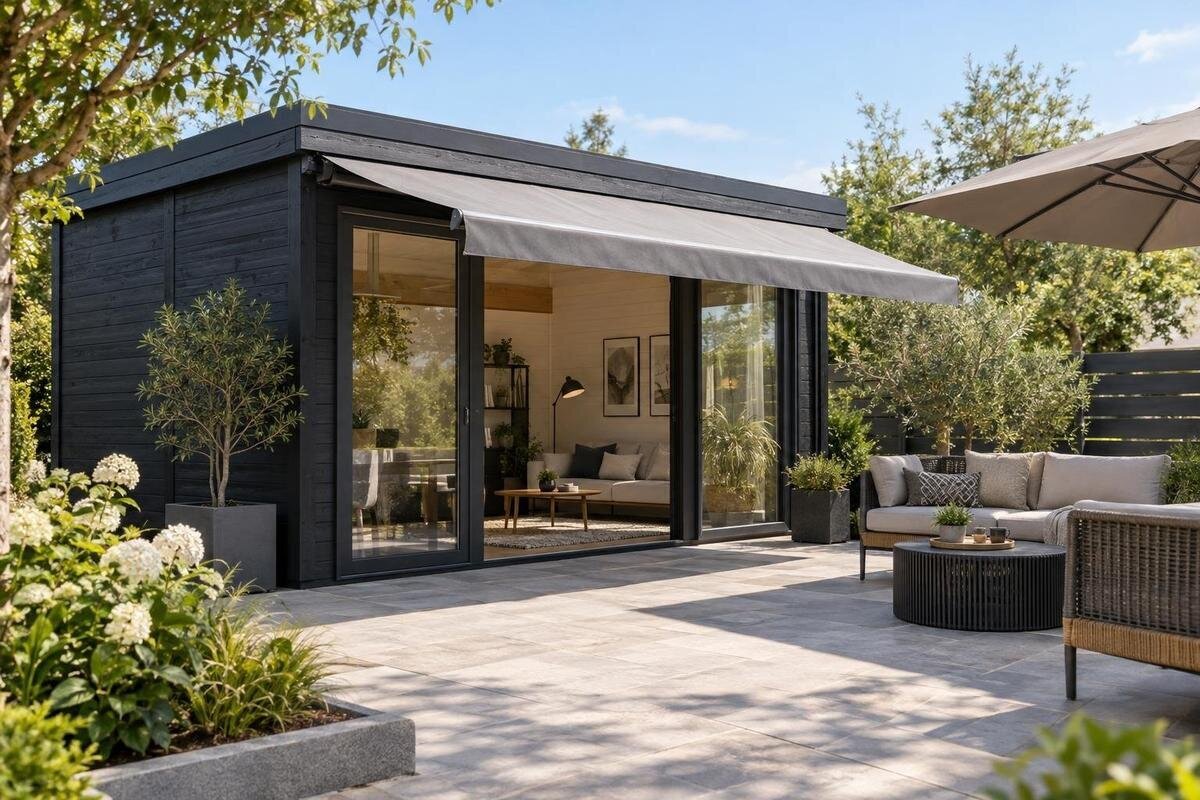
A glazed front can make a garden shed feel brighter and more open, but direct sun can also create glare at particular times and make parts of the room harder to use. The answer is rarely to cover every pane all day. Work out when sun reaches the glass, which area needs protection and how much outlook you want to retain. This guide compares inside, outside and garden-based shade, then covers the product and fit checks that matter before ordering a shed or a separate shading system.
Identify the light you want to control
Begin by separating three things that are often treated as one: direct sunlight, glare and general daylight. A front can be bright without the whole interior needing shade; a low sunbeam might only bother someone seated near a particular pane, while a work surface could catch reflected light. If the aim is privacy, that calls for a different balance from reducing a sun patch. Write down the main reason for shading and the part of the shed it affects. That keeps the solution focused, rather than darkening the full glass front by default.
Notice when the problem appears and where it falls. Check the front in the morning, near midday and later in the afternoon on more than one day. A clear day makes it easier to see where direct sun reaches, while changing conditions show whether the room still feels uncomfortably bright without direct sun. Note whether glare moves across the floor, reaches a desk or affects a seat. A simple sketch of the glazed sections and the times of concern is enough. This helps you decide whether you need continuous coverage, shade on one part of the glass, or an option that can be opened as the sun moves.
Read the sun exposure at the proposed site
In New Zealand, the sun generally tracks across the northern part of the sky. A north-facing glass front may therefore receive direct light for a substantial part of a clear day, depending on the season and its surroundings. An east-facing front is exposed earlier, while a west-facing one receives later light that may arrive at a lower angle. These are useful starting clues, not a guarantee: the shed's exact orientation, roof edge, neighbouring buildings, fences and landform all change the pattern. Assess the site itself rather than relying on a compass direction alone.
Use this check alongside the shed you are considering. For example, add the Verdana 1 garden shed to your comparison after checking the current product information or supplier's drawings for the glazing position and the orientation proposed for your site. Mark the planned footprint and glass front on a simple site plan, then note permanent shade and likely obstructions. If the shed's placement is not settled, compare possible orientations before choosing a shade; the same treatment may be unnecessary on one face and inadequate on another.
Compare external and internal shade
An external screen, awning or other appropriately designed shade can intercept sunlight before it passes through the glazing. It may suit a front that receives sun across a broad area, but a system attached to a garden shed must be confirmed as compatible with that particular structure and installation. Do not assume the shed's roof or wall is designed to carry an added shade structure. Ask the shed supplier and, where attachment or support is involved, a suitably qualified installer what is appropriate. A separately supported option still needs to suit the site.
An interior blind or curtain can be positioned close to the affected glass and adjusted from inside, but sunlight has already passed through the glazing before it reaches that treatment. Choose according to the actual problem: glare near a desk may call for a local interior solution, while a large exposed front may justify assessing an external system as well. Neither position automatically preserves an open outlook; coverage, fabric and operation all matter. When comparing the Verdana 2 garden shed, check the current product information for its glazing arrangement before deciding which type of shade could work with it.
Fit the treatment around panes and doors
Treat the glazed front as a set of openings, not just one rectangle. Note the number and positions of panes, any doors and handles, and the parts that must remain accessible. A full-width covering can be straightforward to coordinate but may cover glass that never receives direct sun. Separate panels can target a problem area, although they add more edges and operations to manage. At a door, check whether a curtain, blind or screen would obstruct the route, catch on the hardware or need to be moved every time the shed is entered.
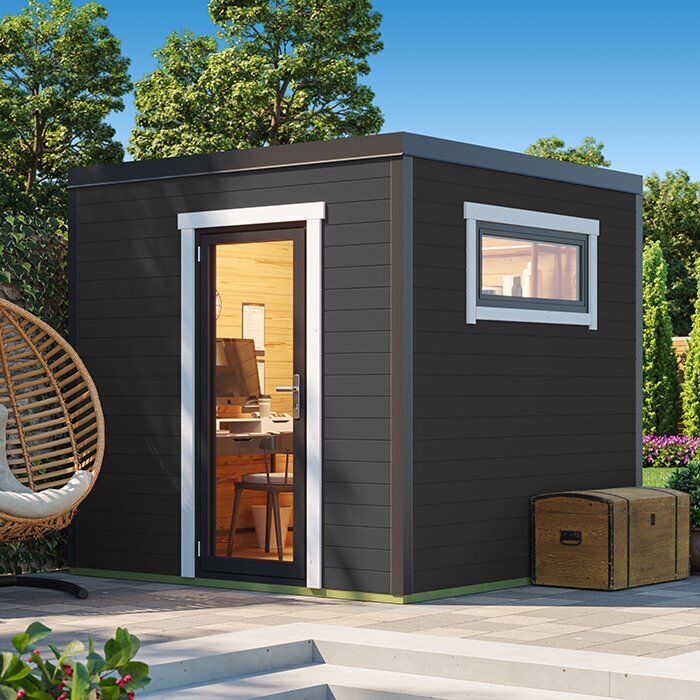
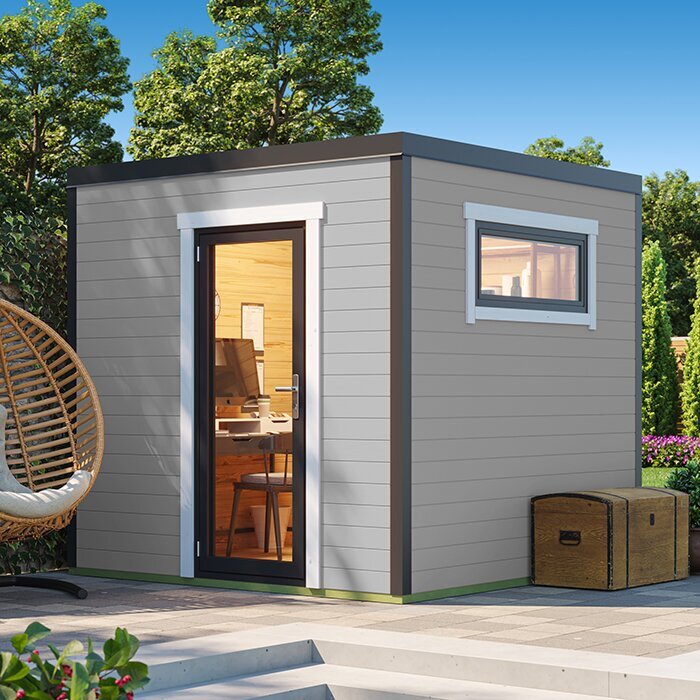
Use the actual model drawing and finished dimensions rather than estimating from a photograph. Ask whether measurements refer to glass, frame or the whole opening, and whether tracks or trim sit beyond those dimensions. If the Durano spacious garden shed is on your shortlist, check the current specification for the front configuration and door clearances. A picture can help you understand the appearance, but it does not replace the measurements a shade supplier needs. That avoids ordering a treatment that fits a pane but clashes with the way the front is used.
Decide whether the shade should be adjustable
A fixed shade offers one consistent level of cover. It may be practical if the same area needs protection most days, but it remains in place when the sun has moved or the sky is overcast. An adjustable blind, shutter or retractable screen can respond to changing light and preserve the outlook when open. The trade-off is that someone needs to operate it, and its controls and usable range must suit the actual opening. Consider how often you are likely to change the setting and whether you can reach the controls easily, rather than choosing adjustability on paper alone.
Coverage can be tailored too. A side screen might help with low-angle sun coming from one direction, while a top treatment may be more relevant if light reaches the glass from above; the right shape depends on the site and the shade design. Do not assume a solution will block a particular amount of sun without verified performance details. When reviewing the Veltor 1 garden shed as a candidate, compare its stated front layout with the coverage you want and ask the supplier which shade options suit that structure. The listing identifies the model; it does not, by itself, confirm an attachment.
Balance shade with daylight and the view
To retain the open feel, consider how much glass needs covering, how opaque the treatment is and what remains visible through it from inside and outside. A sheer or open-weave screen may keep more of the view than a solid blind, but an open view is not the same as no glare; fabrics and light conditions vary. A solid covering can suit a front where the outlook matters less, but the shed may feel dimmer while it is drawn. Choose for the balance you want between visibility and coverage, not by relying on a label such as 'light-filtering' alone.
Ask for a sample if one is available, and view it against the actual glass rather than relying only on a catalogue image. Check it with the shed interior behind it and from the garden outside, since colour, texture and visual privacy can change with the direction of light. Consider how the treatment looks when rolled or drawn aside as well as when in use. If the Orello 1 garden shed is under consideration, confirm its glazing and opening details with the supplier before matching a treatment to the front. A sample can show how a shade looks in your setting; a product name cannot.
Consider planting and separate garden screens
Garden planting and separate screens can reduce direct sun on the glazing without attaching a shade to the shed. They are less precise than a blind: plant growth takes time, foliage can be seasonal, and a shadow shifts as the sun moves. Treat planting as part of the longer-term setting, not a quick, guaranteed way to shade every pane. Before placing a tree or tall shrub, consider its mature size, ongoing care and the need to keep entrances and paths clear. A movable freestanding screen may offer a more immediate, targeted option if it is suitable for the site.
Any freestanding canopy, screen or umbrella needs to be selected for its intended outdoor use and positioned without blocking the shed's door or a route through the garden. Do not assume a shade can be attached to the shed, or that a roof can support a cover simply because it appears convenient. Follow the product instructions and ask a qualified professional about attachment and support. If you are comparing the Modano 1 garden shed, verify its actual glazing layout before treating planting or a separate screen as the answer; the useful position depends on which face needs shade.
Match the shade to the way you use the shed
The right balance depends on what the garden shed is for. A place used for reading or detailed handwork may call for control over a particular bright patch; one used mainly to store garden equipment may have different requirements for visibility and access. If the glass front is part of the view from a seat, favour a treatment that can be moved aside when direct sun is absent. If contents are visible from outside, consider privacy separately: a privacy treatment can reduce the view even when there is no sun, while a sun shade may leave sightlines largely open.
Sketch where furniture, shelves or a workbench will stand before ordering a shade. This can reveal whether the treatment might block useful light or conflict with stored items. When comparing sheds, use the Timber Garden Shed M product page to check the model-specific front and dimensions in the current details, then plan where shade controls and furniture could go. Confirm the exact glazing rather than assuming a garden-shed model has a particular glass front. If the intended use changes later, an adjustable treatment may be easier to adapt than a fixed cover, provided its operation and fitting have been confirmed.
Confirm dimensions and fitting before ordering
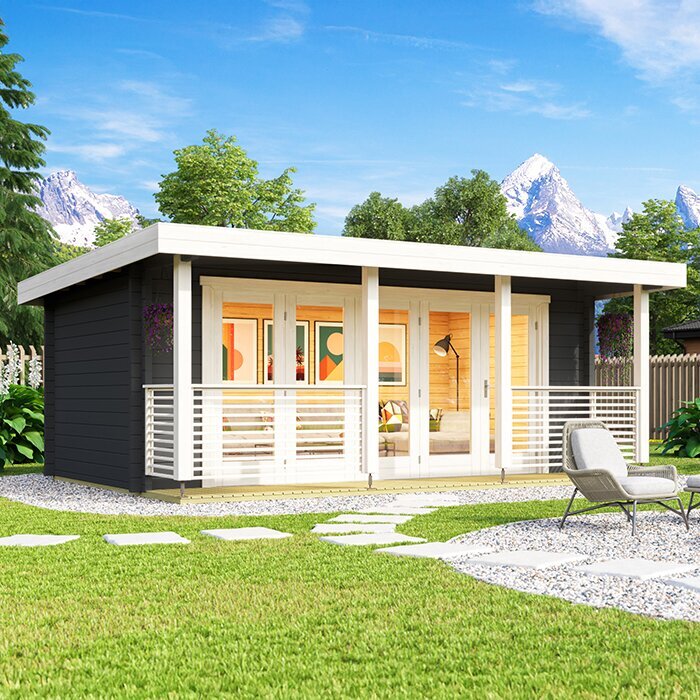
Before ordering a shade, confirm its intended surface, mounting method and limitations with the manufacturer or supplier. Then check whether those requirements are compatible with the shed you are buying. Ask what is included and what is sold separately, whether the shade is intended for indoor or outdoor use, and who is responsible for confirming the fit. If a frame attachment or structural support is involved, get advice from an appropriate qualified installer rather than improvising. A garden shed is not automatically designed as a fixing base for an add-on.
Use current product information, not a photograph, to compare the exact glazed opening, door operation and any stated installation notes. Record the width and height the shade supplier needs, including whether it must cover the frame or only the glass, and clarify who will take final site measurements. For the Wooden Garden Shed S product page, check the current details and ask how its actual front affects shade selection before ordering either item. Confirm what is supplied with each purchase; do not assume the shed includes a separate shade or approves a third-party treatment.
Test the option against the real glass front
Where practical, view a sample against the actual glass before committing to a full covering. Hold it in place or use a display method recommended by the supplier; do not improvise a fixing to the pane or shed. Check it when the problem normally occurs and compare the view, brightness and glare from the places where you will sit or work. A small sample cannot prove how a full system will perform, but it can show whether the colour or opacity feels too heavy and whether a partial treatment might be enough.
Use your notes to compare the options: where the shade sits, which glass area it covers, whether it opens, how much view remains, how it affects door access and whether the fitting has been confirmed. This keeps the decision practical and avoids a mismatch between a small screen and a multi-panel opening. If the shed is not yet chosen, settle its exact glazing arrangement and placement first; if it is already in place, assess the shade against the real front. Clear answers to these points make ordering more straightforward.
Frequently asked questions
Is it better to shade a garden shed from the inside or the outside?
An external shade can intercept sunlight before it reaches the glass, but it must be suitable for the shed or supported separately. An interior blind or curtain can be adjusted from inside and may help with glare. Compare the sun pattern, the opening layout and the fitting requirements before choosing.
Does a north-facing glass front always need shade?
No. In New Zealand, the sun generally tracks across the northern part of the sky, so a north-facing front may receive direct sunlight, but the season, roof edges and nearby obstructions all affect exposure. Check the actual site at different times rather than relying on direction alone.
How can I keep the view while reducing direct sun?
Consider whether you can shade only the affected pane or use a treatment that opens when the sun moves. Ask for a sample if possible and compare its opacity and appearance against the real glass. An open view and reduced glare are not always the same thing.
Can trees provide enough shade for a glazed garden shed?
Planting can cast shade, but it moves with the sun and changes as plants grow or lose foliage. It is better treated as part of the longer-term garden plan than as a precise, immediate solution. Consider mature size, upkeep and clear access around the shed.
What should I confirm before ordering a shade?
Check the actual glazed opening, door movement, the area the shade must cover and whether it is intended for indoor or outdoor use. Ask the shade supplier and shed supplier to confirm fitting compatibility, what is included and whether a qualified installer needs to assess the attachment or support.
Shading a garden shed with a large glass front works best when the treatment responds to a specific sun pattern rather than covering the glass by default. Map the exposure, choose inside, outside or separate shade according to the structure and desired view, and check the real opening and door clearances. Samples and current product information help turn a broad idea into a compatible order. The aim is a useful middle ground: enough control for the hours that cause glare, while keeping the daylight and open outlook that made a glazed front appealing.
