
Using Your Garden Shed in Winter: A Preparation Checklist
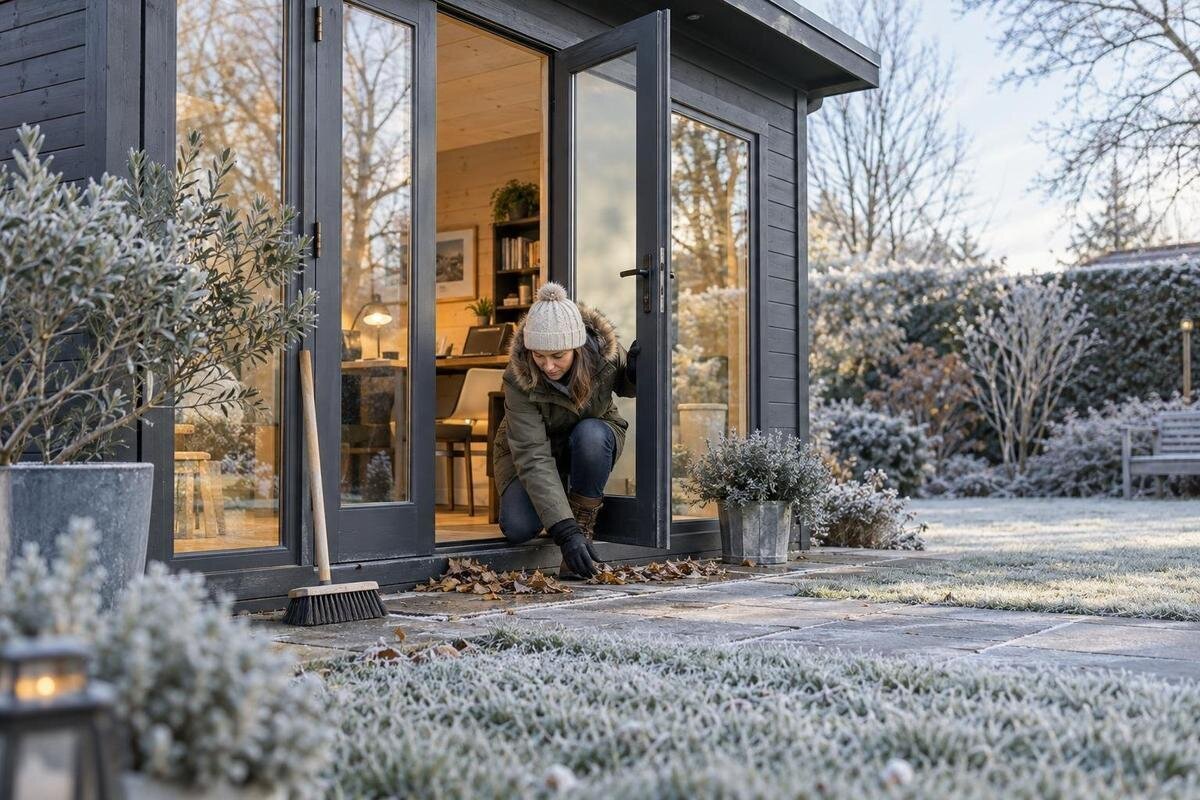
Garden shed winter planning
Using a garden shed in winter is easier to plan when you decide first whether it is for storing tools, occasional jobs or regular time spent inside. Those uses ask different things of the building and its site. Across New Zealand, a property’s exposure, rainfall, wind and ground conditions vary, so a sunny-day check can miss problems that appear in wet weather. Use this checklist before winter to inspect an existing shed or shape questions for a new purchase. It focuses on access, moisture, maintenance and what to confirm before ordering, rather than assuming every garden shed is ready for winter.
01
Decide what winter use means
Write down what the shed needs to do over winter: store tools and pots, provide a dry place for short maintenance jobs, or serve as a space where someone spends time. Note how often it will be used, who needs access, which things must stay dry, and whether people will enter with wet boots or carry bulky equipment. This turns a vague wish for winter use into priorities you can compare against a plan or product description. A shed intended mainly for storage should not be assumed to offer indoor comfort; if you expect to spend extended periods inside, treat its suitability for that use as a separate question.
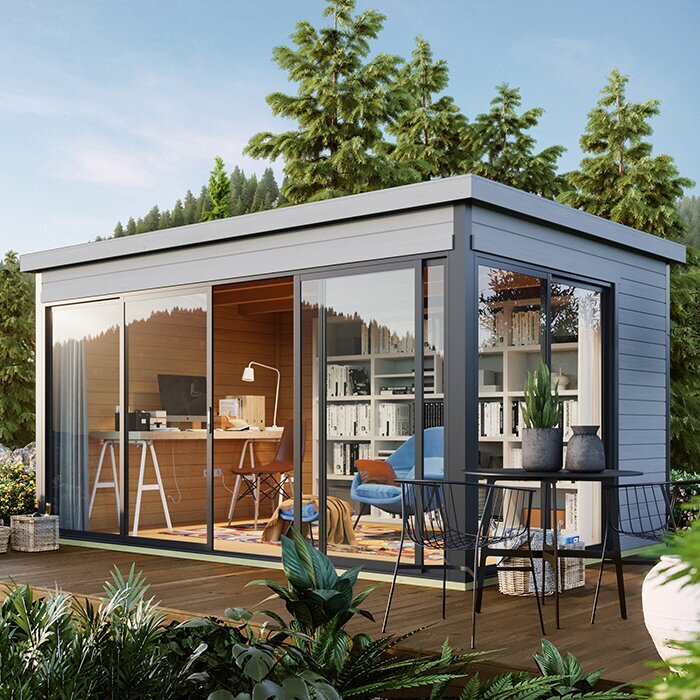
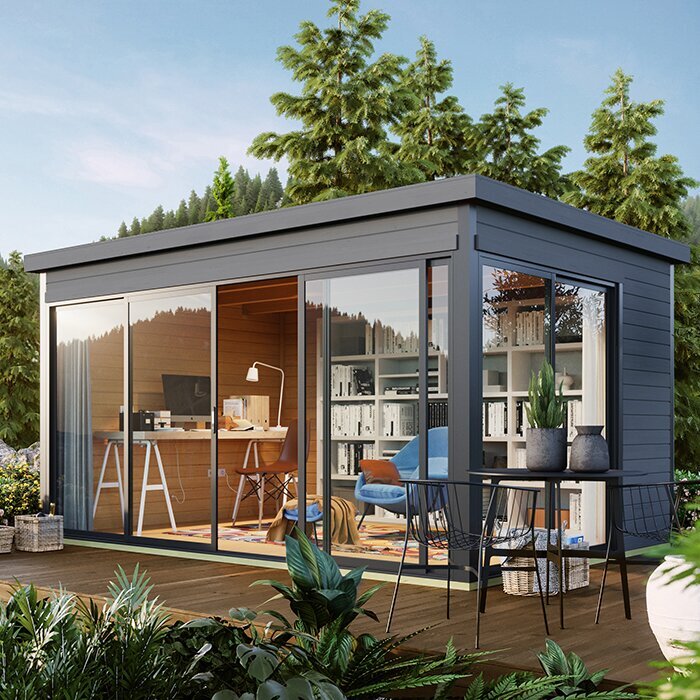
If a new shed is on your shortlist, use the same written questions for each candidate, including the Verdana 1 garden shed. Check the documented dimensions, intended use, construction details, inclusions, care guidance and installation requirements; ask the seller to clarify anything not stated. Match the answers to the jobs and site you have in mind rather than inferring winter suitability from a model name or photograph. If storage is the main need, prioritise access and capacity for your actual items. If people will spend time inside, ask what additional work or equipment may be required and whether it is suitable for that shed.
Check access and ground after rain
If practical, look at the route to the shed after rain. Notice where you will walk with tools or boxes, whether the ground becomes muddy or slippery, and whether water pools near the doorway or proposed footprint. Check the approach for steps, changes in level, tight turns and enough space to open the door. Shorter winter daylight can make an awkward route harder to use, especially when you are carrying something. Consider how you will reach the shed for routine tasks as well as how it looks from the house on a fine day.
Before ordering, compare the proposed footprint with the site and the model’s installation information, not just the space shown on a plan. For a candidate such as the Verdana 2 garden shed, ask what base preparation is specified and whether your ground needs assessment by an installer or another qualified person. Measure the route for delivery and assembly as well as the final position; a shed may fit its destination but still be difficult to bring through a gate or around the house. Don’t assume an uneven or damp patch can be corrected by one standard base.
02
Inspect the exterior safely
Before prolonged wet weather, inspect an existing shed from ground level. Look for visible changes such as loose exterior parts, gaps at joins, damaged finishes, cracked glazing if fitted, or new marks that could point to water getting in. If you have older photographs, compare them with what you see now; a fresh stain or change after a storm is more useful than a vague impression. Look at the roof from a safe position, but don’t climb onto it or inspect it in poor conditions. If something appears unstable or damaged, keep clear and ask a suitable professional to assess it.
For a new purchase, find out which exterior materials and finishes are specified, what routine care they require, and whether any treatment is included or left to the owner. A product image cannot tell you how the exterior should be maintained. When reviewing the Durano garden shed, apply the same questions you would ask about any candidate and obtain the manufacturer’s care guidance before committing. Check whether assembly, protective treatments or other items are included, available separately or not part of the order. Base your plans on the manufacturer’s instructions, not on generic advice that may not suit the materials.
Follow where rainwater goes
After rain, check the ground around the base. Note whether water sits against the shed, splashes onto lower walls or runs towards the doorway. If gutters or drains are fitted, check from a safe position that they are clear and carrying water as intended. Leaves, garden waste and stored items can block a drainage route. When clearing debris, avoid sending water towards a path or another part of the property. If water repeatedly pools or the ground stays saturated, ask an installer or drainage professional to assess the site rather than trying to solve a persistent problem with a quick patch.
Ask about rainwater management while comparing a new shed: whether any related parts are included, what the manufacturer’s instructions say, and what is expected at your site. The listing for the Veltor 1 garden shed is one candidate to assess against those questions; the model name itself does not explain how runoff should be managed. Confirm any required clearances or water-management details from published specifications or a supplier’s written answer. If the proposed position already has a water issue, agree how it will be handled before ordering or arranging installation.
03
Check doors, windows and ventilation
Open and close every door, window and vent you expect to use. Check that the door moves freely, the latch engages and the handles are easy to reach. Make sure an open panel won’t collide with stored items or a fence, and look for worn seals, gaps or cracked panes if glazing is fitted. Don’t force a part that sticks. A shed used in damp weather needs a practical way to exchange air as well as protection from rain. Keeping it tightly closed can trap moisture from wet gear, while leaving an opening exposed may let in rain or wind.
Before paying for a new model, check the stated door and window arrangement, opening clearances, ventilation provisions and any information about weather sealing. If considering the Orello 1 garden shed, ask for details from its product documentation rather than assuming features from the name or a photograph. Think through how you will carry long tools or boxes through the entrance, and whether you can reach it easily when the path is wet. If ventilation or a particular level of weather protection matters to your planned use, ask the supplier to identify the relevant information in writing.
Arrange the interior for winter gear
Make a place for wet boots, coats, pots or tools before winter use increases. Keep a clear route from the entrance to the items you need often, and put them where you can reach them without shifting a stack. Where shelving or a storage unit is suitable for the floor and the manufacturer’s guidance, use it to organise smaller things; don’t overload fittings when their capacity is unknown. Let wet objects dry separately from paper, textiles and other belongings that may be affected by moisture. A tray or washable mat can catch dirt if it doesn’t obstruct the doorway.
When buying, compare usable internal space and door clearance with the items you actually plan to store, rather than relying on the outside footprint alone. For the Modano 1 garden shed, verify the published dimensions and layout, and ask whether a floor, shelving or other fittings are included or optional. Leave room to open containers and take equipment back out, not just enough space to fit everything in once. Use fittings as directed, and don’t attach heavy storage to a panel unless the instructions allow it. A quick sketch of the proposed layout can reveal a mismatch before you place an order.
04
Review what you will store
Decide what should come out of the shed before wet weather makes retrieval inconvenient. Sort tools by how often you need them, clean and dry equipment according to its own instructions, and label boxes so seasonal items are easy to find. Check the storage directions for paint, garden products, batteries and any other items with specific handling requirements; don’t assume an unheated shed is suitable for everything. Keep items according to their labels and arrange them so they cannot fall or spill. Move expensive or moisture-sensitive belongings elsewhere if the shed’s conditions are uncertain.
For a new shed, measure the longest tool, widest container and tallest item you plan to store, then check that both the entrance and usable interior can accommodate them. Assess the Timber Garden Shed M listing against the same inventory; its name does not verify internal dimensions or storage conditions. Include room for handles, bins and the route needed to take each item back out. If the description leaves a question about the floor, weather protection or intended use, ask before ordering and keep the answer with your product documents.
Plan for low light and any power needs
Think about where you will stand and what you need to see before opening drawers or handling tools. Check how much daylight reaches the entrance and work area, and whether the route from the house remains visible in wet weather. An appropriate portable light may be enough for occasional visits; use and store it according to its instructions, and keep equipment clear of walkways and damp areas. If the shed is for storage only, keep the lighting plan proportionate to its use rather than assuming it needs a permanent fit-out.
If you want fixed lighting, power or a heated work area, treat that as a separate design question before buying. Check what the shed listing actually includes and ask a qualified electrician or appropriate installer to assess whether the proposed equipment and site are suitable. Don’t assume a power connection, insulation or finished interior comes with the building. When evaluating the Wooden Garden Shed S, verify any relevant dimensions or provisions in writing and ask a professional what additional work would involve. Settle the scope before delivery, since site preparation and access may affect installation.
05
Confirm site and installation details before ordering
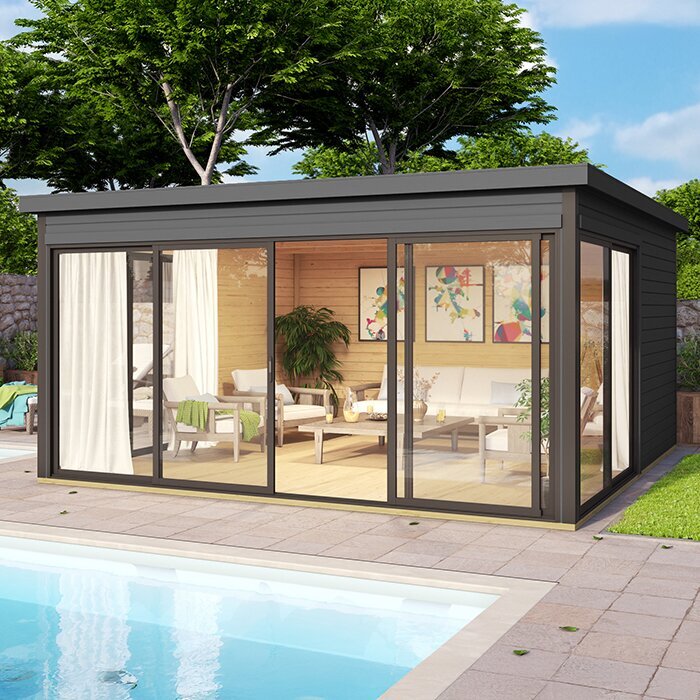
Use the manufacturer’s installation information to check what is required at the chosen location, including any stated ground preparation, clearances and fixing requirements. A product name or picture cannot establish how a shed will perform in exposed, windy or wet conditions. If your site is sloping, very exposed, difficult to access or prone to pooling water, ask the supplier and installer whether it can be assessed before you order. Don’t improvise structural changes or assume a standard installation covers unusual ground. If consent or property-specific requirements may matter, check with the relevant local authority or a qualified local professional rather than relying on a general online statement.
Plan delivery and installation around the actual site. Measure gates, turns and the space where components may be unloaded; move cars, planters and stored gear out of the route, and tell the supplier about access limits. Confirm what any delivery and assembly service includes, whether site preparation is your responsibility, and what happens if the location is not ready. Keep the written order, instructions and care information together. These details can matter as much as the model when winter is near: a purchase may require extra work or be delayed if access, ground preparation or the intended position has not been agreed.
Set a simple inspection routine
Set a routine rather than waiting for a problem to become obvious. Before regular winter use, clear the entrance and check the ground around the shed, visible exterior, latches and any fitted drainage. After heavy rain or strong wind, look from a safe place for fresh movement, pooling or water marks. Inside, check for damp items and keep the walkway clear. How often you need to look depends on the site and how much you use the shed; the useful habit is to notice changes in conditions rather than assume one inspection will cover the whole season.
Keep a brief note of what you find and any maintenance the manufacturer recommends, so changes are easier to recognise. If a leak, persistent dampness, a door that won’t close or movement in the structure appears, don’t guess at the cause; contact the supplier, installer or a suitably qualified professional. Don’t climb onto the roof or carry out repairs in unsafe weather. If you already own the shed, resolve important defects before relying on it for winter storage or regular visits. If buying, include the time and cost of specified care in your decision, not just the initial appearance.
Common questions
Can I use any garden shed in winter?
Not necessarily. Winter use depends on the shed’s documented construction, condition, installation, site and intended use. A building intended for storage should not automatically be treated as a comfortable place to spend long periods. Check the manufacturer’s stated use and care guidance, and ask the supplier to clarify anything that matters before ordering.
Will my garden shed keep rain out?
That depends on its design, assembly, condition and maintenance, as well as the weather at your site. Check the product’s written information about weather protection, and inspect an existing shed for signs of water getting in. If dampness or a leak persists, ask the supplier, installer or a suitably qualified professional to assess it.
Should I heat a shed used in winter?
There isn’t one answer for every use. A shed used for storage may not need a heating plan, while a space where people spend time raises separate questions about construction, ventilation and power. Check what is included and seek qualified advice before adding fixed electrical equipment or heating. Don’t infer an interior fit-out from a product photo.
How often should I inspect a garden shed in winter?
There is no single interval that suits every site. Check it before regular winter use, then take a look after heavy rain or strong winds, and whenever you notice a change. Focus on visible damage, water pooling, the entrance and any fitted drainage. Inspect from a safe position rather than climbing onto the roof.
What should I check before ordering a winter-use shed?
Confirm the documented dimensions, intended use, installation and site-preparation requirements, care instructions, and what is included in the order. Check that the access route works for delivery and assembly, and ask about any unclear details in writing. If the site is exposed, uneven or prone to pooling water, seek an assessment before committing.
A useful winter plan starts with the jobs the shed needs to do, then checks whether its site, condition and documented features support those jobs. For an existing shed, pay attention to changes in water flow, access and the exterior before relying on it through wet weather. For a new purchase, compare written specifications and installation requirements with the actual site, and resolve unclear details before ordering. The right preparation is specific to the shed and its location; a tidy checklist is no substitute for addressing a persistent fault or an uncertain installation with qualified help.
