
Water-Saving Greenhouse Gardening 2026 | More Harvest, Less Water | Bloomcabin NZ
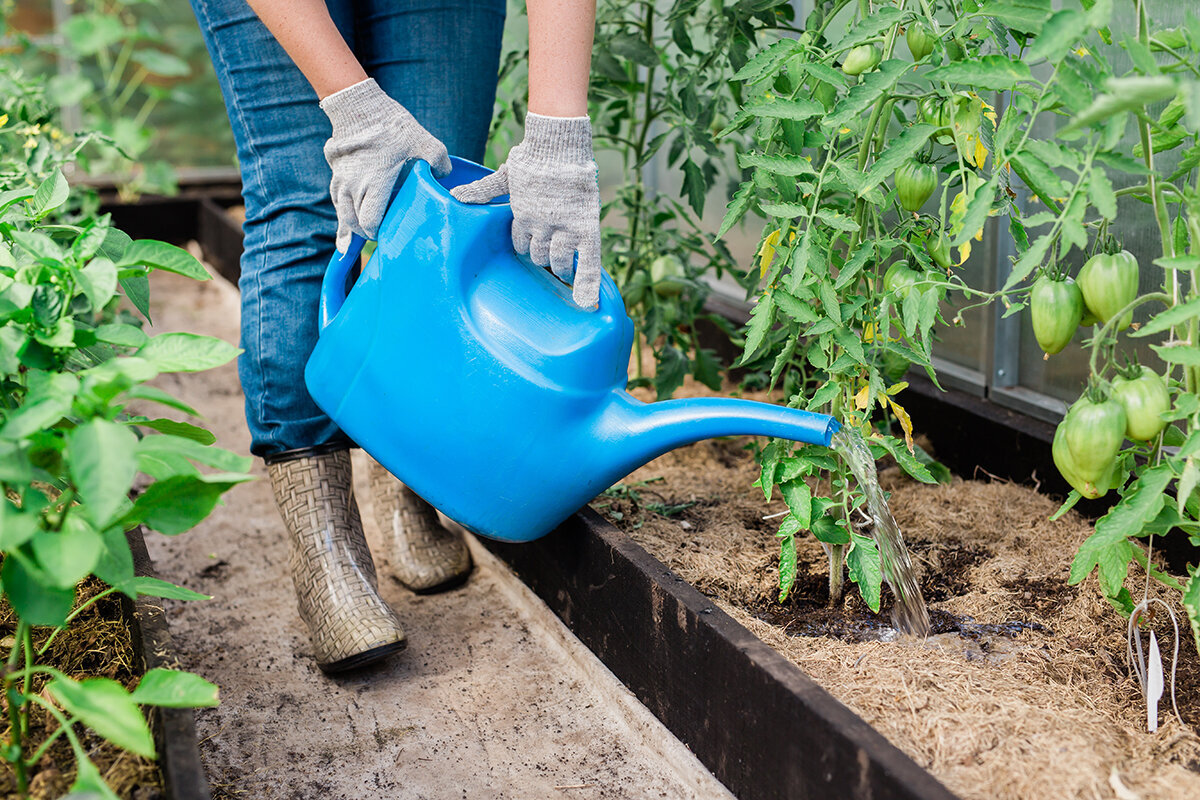
Water-Saving Greenhouse Gardening 2026: grow more with less water in New Zealand
In New Zealand, gardening has always involved a conversation with the weather. In some years rain arrives at just the right moment; in others, conditions remain unsettled for weeks, and a dry spell can arrive when plants are growing fastest. What feels different for many people in 2026 is not simply variable weather, but quicker shifts and stronger contrasts. Water management has therefore become part of ordinary seasonal planning for many home gardeners. Saving water is no longer a niche idea or a nice extra. It is one of the most practical ways to keep plants healthy, save time and maintain a productive garden without relying continually on mains water.
A greenhouse is one of the best tools for achieving more with less water, particularly when it is designed for lasting use and dependable performance. Growing under glass in a sturdy aluminium greenhouse gives you something that is not always possible outdoors: control over growing conditions. That control turns watering from a daily emergency into a calm, efficient routine. If you want to grow more while using less water in 2026, the aim is not to keep plants short of water. It is to waste less, lose less, and supply water in a way that builds stronger roots and more dependable harvests.
This guide is for Bloomcabin readers and anyone wanting to buy or improve a greenhouse with a thorough, practical overview. It explains why greenhouse growing can save water, how to collect and use rainwater, and how to create a sustainable system suited to a greener lifestyle. You will also see why a durable, high-quality aluminium greenhouse with glass glazing can be a responsible choice: it lasts longer, needs replacing less often and supports more resource-efficient growing through stable conditions.
Why saving water matters even more in a 2026 greenhouse
Water-wise gardening is not only for heatwaves. It starts early in the year, often in spring, when plants establish their root systems and you decide how to organise the greenhouse. Gardening with water in mind means asking one simple question consistently: how much irrigation water actually reaches the plant and does useful work, and how much disappears through evaporation, runoff, leaks or poor timing?
Many gardeners in 2026 are also thinking more about resilience. That may sound abstract, but it is very practical: your greenhouse should keep working when conditions become difficult. You want to grow tomatoes, cucumbers, capsicums, herbs and leafy greens reliably even when the weather is unsettled. You want steady harvests when you are away for a few days, or when temperatures rise suddenly and water demand increases quickly.
Anyone serious about saving water soon finds that the largest gains rarely come from one trick. They come from small choices that reinforce each other. Shade reduces heat stress, so plants transpire less and need less water. Mulch cuts evaporation from the soil, leaving moisture around the roots for longer and reducing watering frequency. Rainwater collection fills a barrel or tank in wet periods, creating a reserve for dry weeks and reducing dependence on mains water.
A greenhouse is an ideal place to put these measures into practice because it is a clearly defined space. Outdoors, wind, uneven rainfall and larger areas make precise water management harder. Inside a greenhouse, you can create a system that delivers water exactly where it is needed and keeps it available there for longer.
How greenhouse growing can help save water
Some people are surprised that a greenhouse can help save water, as it is often warmer inside and warmth can speed drying. The key is that water saving is not only about temperature. Above all, it is about efficiency. A greenhouse enables that efficiency because it reduces several major causes of water loss.
Wind is one of the most important factors. It increases evaporation from soil and water loss from leaves as dry air constantly moves across their surface. Outdoors, even a well-watered bed can look dry again quickly, especially in light soils. Greenhouse air is calmer. Even with vents open, the environment is usually less harsh than an exposed site. Less wind means less moisture loss, an essential step towards lower water use for the same harvest.
Targeted watering also becomes more natural in a greenhouse. Outside, water is often applied broadly, with some landing on paths or unnecessary areas. In a greenhouse, you normally water beds, pots or planters within a compact space. You can water around the roots and avoid wasted litres. More efficient methods than overhead spraying are also easy to use, including drip irrigation, capillary systems or deliberate deep watering that encourages strong roots.
A greenhouse also supports more even conditions. Consistency saves water because plants that repeatedly experience stress and recovery often need more. When growing medium dries out too much, roots work less efficiently, plants wilt and people often respond with another heavy watering. Very dry compost can absorb water unevenly, allowing some to run through before it reaches the roots. Good ventilation, shading and soil cover can substantially reduce these extremes.
Then there is the roof: it is a collecting surface for rainwater. This can completely change how you view water. Rather than seeing rain as something that does not enter the greenhouse, you can see it as a resource to collect and store. When rainwater use is well planned, the greenhouse becomes part of a sustainable cycle: rainfall is gathered, stored and used for watering, with less reliance on treated mains water.
A greenhouse does not automatically save water, but a water-efficient greenhouse system can do so very effectively. The better you reduce losses and place water accurately around the roots, the clearer the outcome: more harvest per litre.
Understanding greenhouse water without guessing
Water-efficient irrigation becomes easier when you treat water not as a reaction to a dry surface, but as a system you manage. The top layer may look dry while sufficient moisture remains below. Conversely, the surface can appear damp while the root zone is dry, especially after frequent shallow watering. In a greenhouse, where plants grow rapidly and sunshine can alter conditions quickly, the moisture around the roots matters more than the surface impression.
When you judge moisture accurately, you notice that crops respond differently. Tomatoes, capsicums and aubergines often benefit from thorough, deep watering followed by a brief drying period that encourages roots downwards. Cucumbers, leafy crops and many young plants prefer steadier moisture and react badly if they dry too much. Herbs can be surprisingly economical when they have enough growing-medium volume and are not pushed into soft growth by excessive feeding and permanently wet compost.
The goal is not to keep everything constantly wet. It is to maintain enough available water in the root zone while reducing losses. This is why mulch, larger volumes of growing medium, and capillary or self-watering systems work so well. They slow moisture loss and make watering more predictable and less frequent.
A greenhouse climate that lowers water demand
Before considering equipment, the most important step is making the greenhouse climate less thirsty. When a greenhouse overheats, plants transpire much more strongly; transpiration is ultimately water leaving the plant. You often see it when plants droop in heat although their growing medium is still moist. That drooping is not always drought stress; it is often heat stress.
Ventilation is the most important tool here. A good greenhouse lets warm air escape and enables continuous air exchange. This reduces temperature peaks, lowers disease pressure and limits stress, making emergency watering less necessary. When roof vents work reliably, you can keep the climate steadier throughout the day rather than reacting after it has already become too hot.
Shading is the second major lever. In New Zealand, a greenhouse can heat up sharply on clear, still days. Shade reduces radiation intensity, lowers peak temperatures and slows soil drying. It also prevents the familiar cycle in which plants look stressed, more water is applied, and the heat remains. When shade is installed before the first serious hot spell, growth stays calmer and water use becomes easier to plan.
The third lever is humidity management. A greenhouse can become too dry in summer and too damp during cooler periods. Water-wise gardening does not mean artificially humidifying the air, but avoiding severe dryness that forces unnecessary transpiration. Covered paths, mulch and fewer bare, heated soil surfaces help stabilise the environment. A steadier environment often leads naturally to lower water demand.
Soil, growing medium and root zone: where water saving really happens
When people think about water, they often think first of hoses, drippers or timers. These help, but the biggest savings often happen in the growing medium itself. Water-efficient growing becomes easier when the root zone holds water like a sponge instead of losing it like a sieve.
Small pots dry out quickly. They heat up faster, lose moisture sooner and require frequent watering. If you want to water less often without losing yield, you usually need more growing-medium volume. This can come from bigger pots, deeper containers, greenhouse beds or raised beds under cover. More root room buffers water. Plants can go longer on each watering and growth remains steadier.
The structure of the growing medium matters just as much. A medium that retains water while remaining airy supports healthy roots. If it becomes compacted and stays too wet, oxygen is lacking, roots suffer and plants become less efficient. If it drains too freely, it dries quickly and encourages shallow roots. Saving water in a greenhouse means creating a balance that absorbs water evenly, holds it around the roots and still provides enough air.
Mulch is one of the strongest water-saving measures because it reduces evaporation at the surface. In a greenhouse, sunlight often falls directly on the soil, and uncovered compost loses moisture quickly. Mulch acts like a lid. It extends the effect of each watering, steadies soil temperature and keeps water where it is needed.
Mulching can be very simple. Even a protective layer over bed or pot surfaces changes the behaviour of the growing medium. It often stays more evenly moist, absorbs water better and loses less through rapid evaporation. A calm, stable root zone is one of the most reliable foundations for harvesting more with less water.
Watering for more harvest with fewer litres
Water-efficient irrigation does not mean simply watering less. It means giving water so roots become strong, growth stays steady and losses fall. Much water is wasted through shallow watering, watering at the wrong time, or allowing plants to swing repeatedly between drought stress and overwatering.
Applied correctly, deep watering can guide roots downwards. Deeper roots improve resilience because plants can draw moisture from a larger volume. Tomatoes and capsicums particularly benefit once well established, especially alongside mulch and sufficient growing-medium volume. Deep watering also reduces the risk that only the surface becomes wet while the root zone remains dry.
Timing is crucial. Watering in the hottest middle of the day can increase evaporation and create the feeling that you must keep watering. Morning watering is often more efficient because water is available while plants are active during the day. Evening can also work, but a greenhouse that stays too wet overnight may increase fungal risks for some crops. The more stable the climate through ventilation and shade, the easier an efficient routine becomes.
Consistency is especially important for young plants and thirsty crops such as cucumbers. If cucumbers dry out too much, they can become stressed and fruit quality may suffer. This does not mean watering constantly; it means choosing a method that keeps moisture stable without waste. Drip irrigation, capillary solutions and self-watering systems are well suited to this.
Water-efficient irrigation that fits everyday life
Many greenhouse owners want a system that works when life is busy. A water-saving greenhouse in 2026 should help rather than demand constant attention. The best irrigation is often not the most complex system, but the one that is used dependably.
Hand watering can be highly efficient when done thoughtfully. Watering directly around the roots, avoiding unnecessary surfaces and protecting the medium with mulch can save water without equipment. Many people enjoy their daily greenhouse round and the close connection it gives them with their plants. In these cases, savings come more from reduced evaporation and good growing-medium management than automation.
Drip irrigation is among the most efficient greenhouse methods because water reaches the root zone slowly and accurately. It reduces runoff, avoids needless evaporation from spraying and enables even uptake. In water-saving systems, drip irrigation often becomes the quiet solution, working consistently while saving time.
Timers improve efficiency when used sensibly because they help avoid overwatering and support regularity. The important point is adjusting settings for the season. What suits January may be too much in March. Water-wise gardening uses a timer as a tool that follows light, temperature and growth stage.
Self-watering containers, reservoir systems and bottom watering can also be very water-efficient. They supply plants from below, reducing surface evaporation while allowing plants to take up water as needed. This produces steadier moisture and reduces stress. Such systems are especially attractive for capsicums, chillies, herbs and compact greenhouse layouts.
Whichever method suits you, the basic principle remains: keep water in the root zone and reduce loss. This is easier under cover because the space is controllable and irrigation can work alongside climate and soil protection.
Collecting greenhouse rainwater: turning rainfall into irrigation
One of the biggest benefits of rainwater use is psychological as well as practical. When rainwater is stored in a barrel or tank, watering feels less like consumption and more like a cycle you manage. That changes how you approach dry periods. Instead of worrying about mains water, the focus becomes efficiency and planning.
The greenhouse roof is a natural collection surface. Rain falling on it can be directed through gutters and downpipes into a barrel or tank. Rainfall varies by region and season across New Zealand, which is exactly why storage matters: wet periods replenish reserves that become valuable in dry weeks. The key is a system that works reliably, including in heavy rain, and keeps the water clean enough for straightforward use.
For many people, a rain barrel is the ideal starting point. It is often enough for young plants, containers and part of summer demand. As productivity rises, however, one barrel can quickly empty during hot spells. That is normal. A greenhouse can produce a great deal, and production needs water. The aim is not to avoid watering, but to replace mains water where rainwater is available.
This is why many gardeners expand storage capacity or connect several barrels. More storage means more buffer, making the greenhouse more resilient. Efficient irrigation such as drip watering also becomes more practical because the supply is not exhausted after only a few hot days.
Rainwater use fits naturally with sustainable living. Rainwater is free and avoids some of the energy and resources required to treat and distribute mains water. When you use rainwater in the greenhouse, you turn rainfall directly into growth and harvest.
Building a rainwater system that really works
A rainwater system works best when it is simple, robust and easy to maintain. Common problems come from poorly aligned gutters, blocked inlets or storage exposed to light and debris.
Gutters should be installed with a gentle fall so water runs cleanly towards the downpipe. On a quality aluminium greenhouse, a stable structure also helps keep gutters correctly aligned. This is more than a detail, as even small misalignments can allow water to bypass the system.
A rain collector or diverter directs water into the barrel and can manage overflow at the same time. Once the barrel is full, excess water can continue in a controlled way instead of spilling unpredictably. This keeps the area around the greenhouse dry and tidy.
Storage should be covered. A lid reduces algae, keeps out debris and prevents insects using the water as a breeding place. A clean, closed solution also looks neater in the garden, which matters to many people because a greenhouse is often an attractive garden feature.
If rainwater is used for drip irrigation, filtration matters. Drippers can block even when water looks clear because fine particles accumulate. A simple in-line filter makes the system more dependable. Reliability saves water because uneven watering causes stress and often leads to rescue watering.
Keeping rainwater clean and using it efficiently
Storing rainwater is easy, but a few habits make it much more pleasant. Water warms in full sun and algae grow faster. A somewhat shaded position helps keep it cleaner for longer. Clean gutters and an inlet screen reduce debris. A lid limits contamination and evaporation. These details mean the system does not need constant adjustment.
Efficient use means applying rainwater where it delivers the greatest benefit. It is ideal for young plants, container crops and general greenhouse irrigation. It is especially valuable during dry periods when you want to reduce mains-water use. A visible supply also makes use more conscious, often leading automatically to more precise watering.
Many people ask whether rainwater is clean enough. For normal greenhouse growing, water from a clean roof stored in a covered container is generally suitable. The most important things are keeping the system clean and avoiding blockages. Done well, rainwater use is one of the most effective ways to save water.
Managing heatwaves and dry spells without needless watering
Heatwaves can make greenhouse watering feel demanding. Plants transpire more, growing medium dries faster and the climate can become uncomfortable. Saving water at these times means reducing heat stress so plants use less water, and watering so it stays around the roots rather than evaporating.
When you shade in good time, temperature peaks fall and plants are protected from excessive sun. Steady ventilation prevents heat build-up. Mulch reduces evaporation, while larger growing-medium volumes buffer moisture. Together, these measures can mean the difference between constant top-ups and a calm, controlled routine.
In extreme heat, it is tempting to keep adding water. Sometimes additional water is genuinely needed, especially for thirsty crops. Yet water is not always the answer to drooping plants. If temperatures remain too high, plants may wilt despite moist growing medium. This can cause overwatering, wasting water and harming roots. Water-wise growing therefore means managing the climate so watering can actually work.
During dry spells, water saving can become even more important. A greenhouse with rainwater storage and efficient irrigation is then much more resilient. Even if mains water is sometimes still necessary, stored water provides flexibility. Many greenhouse crops are less dependable outside, making every litre particularly valuable because yields can be high.
Choosing crops that yield more per litre
Saving water becomes easier when you select crops that reward the effort. Not every plant gives the same harvest per litre of water, and greenhouse space can be planned deliberately.
Tomatoes are a classic example of high greenhouse yield. With enough growing-medium volume, mulch and even watering, they can crop for months. They can also be managed efficiently because deeper watering strengthens roots and mulch retains moisture. For many people, tomatoes remain one of the best reasons to own a greenhouse in 2026, as harvest per litre is often excellent.
Capsicums and chillies can also be water-efficient when grown in suitable containers or beds. They enjoy warmth and can be very productive without constant heavy watering when the root zone stays stable.
Cucumbers are thirstier, but can still be efficient with drip irrigation and stable moisture. Repeated drying stresses cucumbers and can affect quality. A consistent system often improves both yield and fruit quality.
Herbs can be among the most water-efficient greenhouse crops, especially Mediterranean types that tolerate drier conditions. They also support a greener routine by reducing packaging waste from supermarket herbs and allowing you to harvest fresh.
Leafy greens can be very efficient in cooler periods, producing good quantities with little water. In hot weather they bolt sooner and need more moisture to remain tender. Many gardeners therefore combine leafy greens in autumn and spring with fruiting crops in summer.
A seasonal rhythm that makes water saving easier
Saving water in a greenhouse becomes easier when you follow the annual cycle. Light, temperature and growth change through the seasons, and water needs change with them. A greenhouse in July is not the same as one in January.
Winter and early spring are often calmer. Growth is slower, and overwatering is frequently a greater risk than drought. Watering too much wastes water and weakens roots. Observation and patience save water at this stage.
Later in spring, young plants need even moisture. Capillary systems or stable routines can help. It is also a good time to fill rainwater storage so you enter summer with a reserve.
By early summer, plants are established and growth accelerates. Mulch and growing-medium volume now prove their worth. Ventilation and shading should also be ready before the first major heat, so plants do not become stressed.
Late summer is about consistency. Growing medium should not dry so severely that it struggles to absorb water again. When the root zone remains stable, every watering becomes more effective.
In autumn, water demand falls with lower light. Many people continue watering as though it were summer, losing water and plant health. Rainwater stores often start refilling more easily, helping later crops.
In winter, water carefully. Saving water usually means keeping the growing medium only lightly moist and prioritising plant health over growth. A greenhouse can still help extend the season and support a more sustainable lifestyle.
Why a quality aluminium and glass greenhouse is a sustainable choice
Saving water is part of a wider sustainability approach. That is why greenhouse quality matters too. A durable aluminium greenhouse with glass glazing is an environmentally responsible option because long life is one of the most important sustainability factors. Often, the most sustainable product is the one that does not need replacing.
When a greenhouse lasts for decades, fewer resources are needed for replacements. There is less waste and less indirect demand from manufacturing, packaging and transport. A quality aluminium frame remains stable, doors and vents operate reliably, and the structure withstands weather better. This stability supports an even climate, reduces stress and makes water management more efficient.
Aluminium is particularly useful in long-life applications. It is strong, corrosion-resistant and readily recyclable. A quality frame remains stable over the years, which is especially important in changeable conditions. Choosing quality means investing once and enjoying the benefits for longer, rather than repairing or replacing more often.
Glass brings benefits as well. It is highly durable and does not lose transparency in the same way as some plastic glazing. When light transmission remains stable over the years, plant growth can stay steadier too. Stable growth reduces stress, and less stress can mean lower water demand. Glass is also easy to maintain, while a greenhouse that stays attractive is used and cared for more often, improving its overall value.
A water-efficient greenhouse system combined with durable construction supports a greener everyday life. Growing more at home can reduce transport, packaging and often food waste. Tomatoes can be picked fully ripe rather than bought after long transport. Herbs come fresh from the greenhouse instead of plastic packs. In this way, the greenhouse becomes part of a more sustainable lifestyle.
For Bloomcabin, value matters too: a quality aluminium greenhouse with glass is not a purchase for one season. It is a long-term investment supporting harvests, comfort and resilience. It can make rainwater use more dependable because the system remains stable, and it simplifies climate and water management for years.
When you plan for 2026 over the long term, sustainability means more than green materials. It means quality, service life and stable performance that reduce everyday resource use. That is what makes a durable greenhouse an environmentally responsible choice.
How rainwater use and a lasting greenhouse support greener living
Combining a durable aluminium greenhouse, glass glazing and rainwater collection creates a system that supports sustainability in everyday life. Rainwater reduces demand for mains water. Efficient irrigation reduces losses. Mulch reduces evaporation. Thoughtful crop planning improves harvests with fewer inputs.
A greenhouse can also encourage routines that improve its wider environmental balance. Home growing often reduces packaging waste and can cut food waste because you harvest what you need. Transport distances are shorter, and you gain more control over quality and freshness. Even replacing only part of your shopping with home-grown produce can make a noticeable difference over a season.
Many people also experience their greenhouse as a place of wellbeing. It is a calm, productive space that supports daily rituals. When a greenhouse is pleasant, it is used more, maintained better and remains valuable for longer. That too is part of sustainable living, because a system is only truly green when it is used for the long term.
In 2026, many people want greater self-sufficiency and a closer connection with their food. A greenhouse supports exactly that. Water-efficient growing with rainwater collection makes the choice even more considered.
Avoiding mistakes that quietly waste water
Water waste in a greenhouse is rarely dramatic. It happens quietly and repeatedly. It occurs when growing medium dries too much and then absorbs water unevenly, letting some run through. It happens when you water because the surface looks dry while the root zone is still moist. It happens when many small pots dry out each day. It also happens when shade is added too late and plants transpire unnecessarily in the heat.
The answer is not perfection, but a system that makes waste less likely. More growing-medium volume, soil cover, a stable climate and rainwater storage reduce loss without requiring you to check every plant constantly. That is why water-wise greenhouse gardening often feels more relaxed while delivering better harvests.
Bringing it all together: your water-saving greenhouse for 2026
If you want to grow more in 2026 while using less water, it helps to view the greenhouse as a complete system. A greenhouse saves water when it reduces evaporation, limits wind losses, enables accurate root-zone irrigation and creates a stable climate that lowers plant stress. It becomes even more efficient when you mulch, provide sufficient growing-medium volume and use irrigation methods that deliver water slowly and precisely.
Rainwater use is the logical next step because it turns rainfall into stored irrigation water. When you collect rainwater from the greenhouse roof, you reduce mains-water use and build a reserve for dry weeks. When storage is covered, maintained and used for efficient irrigation, the resilience of the whole system increases substantially.
When the greenhouse itself is durable, all these advantages reinforce one another. A quality aluminium greenhouse with glass is sustainable because it lasts longer, remains reliable and creates less need for replacement and waste. It supports a greener routine by helping you grow more at home, reduce packaging and enjoy fresher produce. The greenhouse becomes not merely a garden project, but a lasting and sustainable part of your home.
If you are planning greenhouse upgrades in 2026, it is worth seeing quality as part of sustainability. Fewer repairs, fewer replacements and steadier results often mean lower resource use. If Bloomcabin offers discounts of up to 45% on a premium aluminium greenhouse, it may be a good time to choose a durable solution that supports water saving for many years.
A water-saving greenhouse is not a restriction. It is freedom: the freedom to begin 2026 with a productive, calm and resilient system that suits what many people want today—grow more at home, waste less and manage the season better.
