
What Does It Cost to Run a Hot Tub in New Zealand?
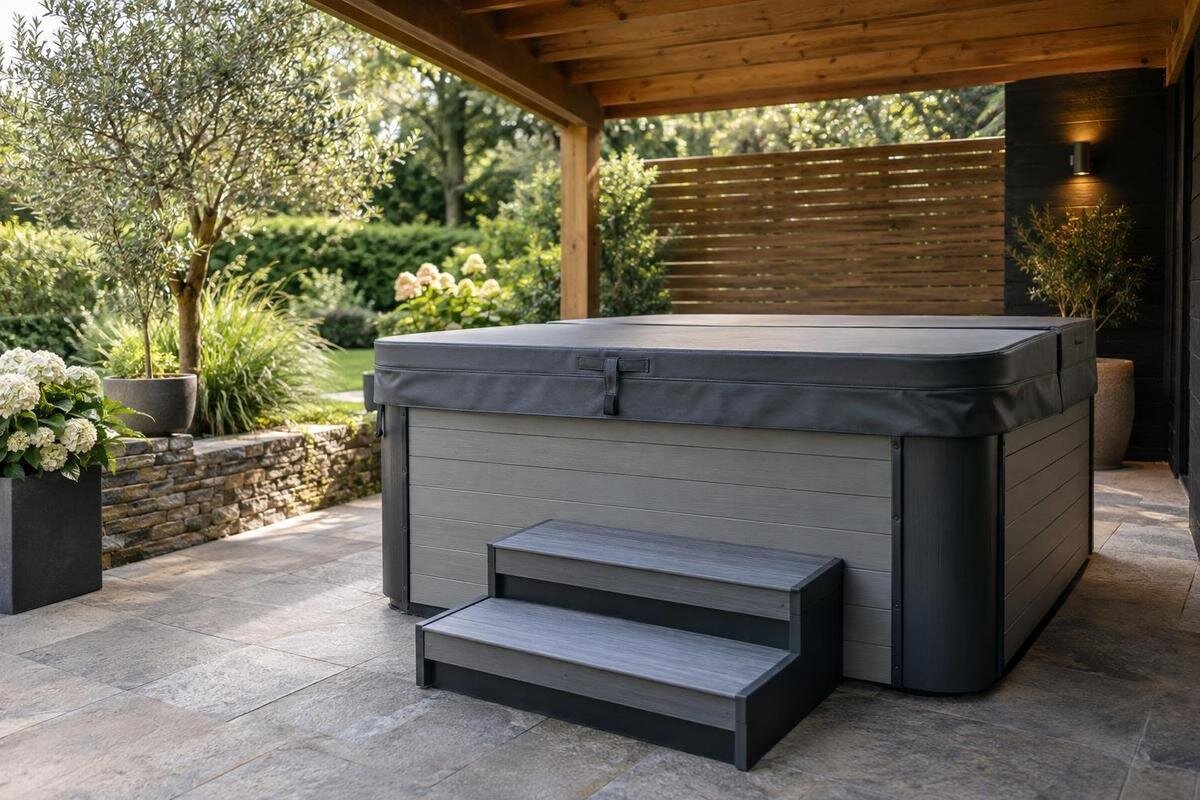
Hot tub running costs
There is no single standard monthly running cost for a hot tub or spa pool in New Zealand. Costs depend on the energy or fuel used by the exact configuration, your local tariff, outdoor conditions, frequency of use and water-care routine. A useful budget keeps energy or fuel, water charges, water-care products and maintenance separate, then totals them using your own bills and verified product information. The purchase price and installation are separate upfront costs.
01
What belongs in a hot tub running budget?
Set up the budget in four separate lines: energy or fuel for heating and operating the tub; water for the initial fill, top-ups and refills where your provider charges for it; water-care products actually consumed; and a maintenance allowance for items or servicing that apply. Separating the lines shows whether a low heating estimate is offset by other recurring costs. A bulk pack bought in one month is not necessarily used in that month, while an occasional refill can create a larger bill. Decide whether your headline figure means cash paid this month or the average amount to reserve each month from annual expenses, and label it clearly. Those are different views of affordability.
Keep the purchase price, delivery, ground preparation, installation, finance and site changes outside the running total; they belong in an upfront budget. Treat household utility charges similarly: do not attribute a fixed daily electricity charge or fixed water charge to the tub if it would be paid anyway. Count only the extra amount caused by a changed plan or service arrangement. Include each energy-using component only once if a quoted consumption figure already covers it. A catalogue identity such as Bloomcabin Hot Tub Cove 2 does not establish its heating method, consumption, water volume or care needs; those inputs need evidence for the exact configuration.
Heating method and use determine energy or fuel spend
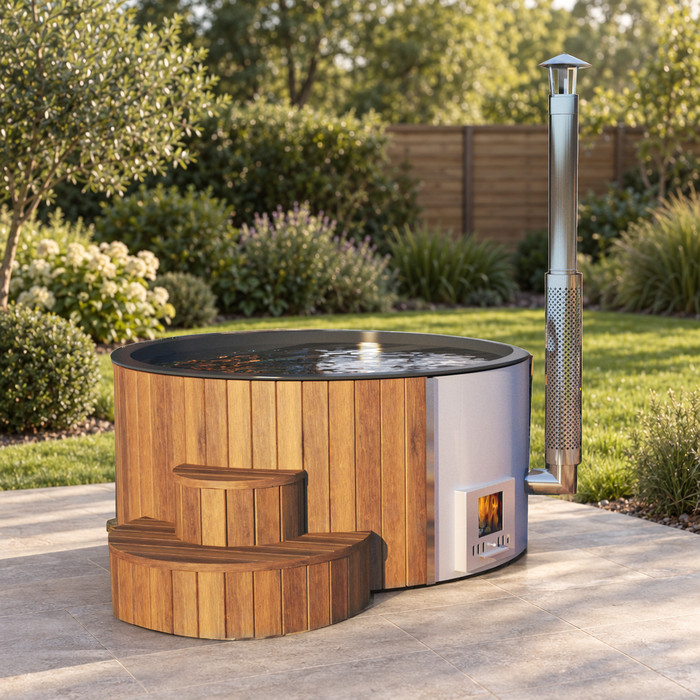
Confirm the heating method for the exact configuration. If it uses electricity, request consumption in kilowatt-hours (kWh) for a defined period or use case. If it uses delivered fuel, ask how much is used in that case and price it using the unit the supplier sells. Do not assume a hot tub is electric, gas-fired or wood-fired from its category or model name. Separate the energy needed to heat the water to your intended setting from the energy used to maintain it between visits. Ask what equipment is included in any quoted figure and what conditions produced it. A heater’s power rating describes its power, not its monthly energy consumption.
Base the estimate on your expected routine: how often you use the tub, how long it is uncovered and whether it is kept warm between visits or heated for separate sessions. Check whether a consumption figure covers heating alone or the full equipment configuration, and whether its starting conditions match your intended use. Do not multiply a power rating by every hour in the month unless reliable evidence shows that is the actual operating pattern. For delivered fuel, record the quantity and purchase unit rather than assuming a number of logs or bags. For a shortlist item such as Hot Tub Haven 6, verify the heating configuration and consumption for that exact option; the name does not tell you either.
02
Use the energy and fuel prices you actually pay
Use the electricity bill or retailer plan that applies to your household, and record the provider, plan and date. Rates can differ by plan and time of use, so a national headline rate or the cheapest advertised period may not match your actual charge. If a rate is shown in cents per kWh, divide by 100 to express it in NZD per kWh before multiplying. For time-of-use pricing, calculate each band separately: kWh used in that period multiplied by its applicable rate. Check whether the amount already includes GST and keep tax treatment consistent throughout the calculation.
Keep the daily fixed charge separate from the unit rate. If your existing plan would cost the same without the tub, the daily charge is not an additional tub expense. If you are considering a different plan, compare the total household cost on both plans, including the tub’s expected use. Keep that comparison separate from the tub’s energy calculation so you do not count the same consumption twice. For a fuel-heated configuration, check a current local supplier price, the sale unit and any delivery cost; do not compare prices until the units match. In your worksheet for Bloomcabin Hot Tub Fjord 8, record the applicable rate beside the consumption input, with the date and units clearly shown.
How outdoor conditions affect heat loss
Outdoor conditions affect how much heat a tub loses, but they do not provide a standard surcharge you can apply to every estimate. Cold air, wind exposure and time with the cover off can change energy use. A properly used, well-fitting cover can reduce exposure, but do not assign it a savings percentage without evidence for the product and conditions. The weather assumptions behind a supplier’s consumption figure matter: a test in mild conditions may not describe a winter month at your site. Record those assumptions rather than treating one figure as universal.
Plan for seasonal variation instead of assuming one month represents the whole year. If use is similar, a colder or windier period may still have a different heating cost. Where you have credible consumption data for different conditions, calculate those periods separately and add them for an annual total. Record your intended use pattern, including how often the cover is removed and whether the tub is kept ready between visits. If the only available figure is based on mild weather, note the uncertainty rather than applying an invented winter multiplier. A summer average can otherwise make the annual budget look more predictable than it is.
03
Budget water, water care and maintenance separately
Use a verified fill volume or an actual measurement for water, not a model number. Count the initial fill, later top-ups and any refills in the period you are budgeting for. If your water account charges by cubic metre, convert litres to cubic metres by dividing by 1,000, then apply the relevant rate. Where charges use tiers or include a wastewater component, use the billing basis shown on your local account rather than a simple average price. If extra use does not change your bill, do not invent a per-litre charge; include only costs that genuinely increase because of the tub.
Estimate the cost of water-care products from the quantities you actually use, following the product and hot tub manufacturers’ instructions. Calculate the cost of the amount consumed, rather than charging the full price of a container to each month it lasts. Keep maintenance separate from water care: include applicable filter, service or replacement costs only when the product guidance or a quote supports them. For Aurora 10 hot tub, itemise the applicable care requirements and costs so you can distinguish regular purchases from occasional expenses. You can divide planned or quoted annual maintenance costs by 12 to set a monthly reserve. Label this as your own allowance, not a standard industry figure, and keep it separate from the record of bills actually paid.
Calculate monthly and annual running costs
For electricity, use this calculation: monthly energy cost in NZD equals kWh used during the month multiplied by the applicable NZD-per-kWh rate. If the consumption information is per day, multiply kWh per day by the number of days and then by the rate. If it is per use, multiply kWh per use by the number of uses and the rate. With time-of-use pricing, add the cost for each band rather than applying one rate to all consumption. For another fuel, multiply the quantity used by its price per matching unit, adding relevant delivery costs consistently. Keep a note of the source and conditions for each input.
Calculate the other lines separately: water from the extra volume and relevant local charges; water care from the amounts consumed; and maintenance from the allowance you have chosen. Add those figures to energy or fuel for a monthly budget. For an annual cash-spending total, add the 12 months of expected payments, including occasional refills and maintenance expenses in the months they occur. Do not also add a maintenance reserve covering those same expenses. Divide the annual result by 12 if you want an average monthly amount to set aside, but do not treat that average as a prediction of every bill. Keep both views in your Cove 2 running-cost worksheet: one shows the annual commitment, while the other shows when you expect to pay.
04
Why a New Zealand example needs verified inputs
A useful New Zealand dollar example needs a dated energy or fuel price, the relevant local water charges and credible consumption data for the exact heating configuration and use. Those inputs are not available here, so a numerical total described as typical would turn assumptions into an apparent fact. A household’s tariff and routine can change the result, as can the conditions behind the consumption figure. Rather than present an unsourced amount, use the calculation above with your current bills and reliable product information. If consumption is not known, leave that part of the estimate marked unknown instead of entering zero.
A defensible worksheet should show the date and source of each price, the currency and units, the tariff periods, any delivery cost and whether GST is included. It should also state the use pattern and season covered by the consumption figure, plus the water charges included. List exclusions such as purchase, installation and unchanged household fixed charges so they are not mistaken for running costs. Only create low and high estimates if a supplier provides a credible range or you have evidence for different conditions. When using the Bloomcabin Hot Tub Haven 6 listing to identify your chosen option, record its exact configuration alongside the calculation so the estimate remains tied to the option you are comparing.
Compare products using like-for-like consumption data
A fair comparison uses consumption figures for the exact configurations under the same routine and comparable conditions. Check whether each figure is per day, per use or per month, and whether it includes all relevant equipment or only the heater. Compare like with like: a heat-up from a different starting condition is not directly comparable with maintaining water between visits. Apply the same local energy or fuel price to each figure, and keep separate any model-specific differences that have been verified rather than assumed. Model names alone do not establish water volume, heating method or efficiency.
Then test each estimate against your actual routine and budget. A figure based on frequent use may not suit someone who plans occasional sessions, while a standby estimate will not necessarily describe a tub heated only for use. Record what the evidence covers and what remains uncertain. If one option has no comparable consumption information, mark it unknown rather than calling it cheaper because of its name or appearance. A product page such as Fjord 8 product page can identify a shortlist item; it is not, by itself, evidence of its running cost.
05
Track seasonal use and actual running costs
Once the tub is in use, keep a month-by-month record of its energy or fuel, water additions and other running expenses. A household electricity bill covers more than one appliance, so a winter increase cannot automatically be assigned to the tub; other household use, weather and plan changes can contribute. If you want a measured figure for the tub, use consumption information or a measurement method recommended by the supplier or a qualified professional. Without an isolated, reliable figure, treat a comparison of whole-house bills as an indication of total household change, not a precise tub measurement.
Record dates and quantities as well as amounts paid: the fuel unit, water volume, water-care products used and any maintenance costs. Distinguish a bulk purchase from the amount consumed, and note whether an expense is occasional or recurring. Keeping the same simple record through colder and warmer periods helps reveal how your own routine changes the annual total. If you update your power plan or local water charges, date the new rate rather than applying it retrospectively to earlier use. This gives you a clearer basis for revising the budget than relying on memory or a single unusually high bill.
Check the estimate before setting your budget
Before relying on an estimate, confirm the exact heating configuration, the unit and period used for its consumption figure, and the conditions behind that figure. Check whether it includes the full equipment configuration and whether the source describes heating from a cold start, maintaining warmth or another specific routine. Match that information with the current rate on your electricity plan or a current fuel quote, and check local water charges separately. When reviewing Bloomcabin Hot Tub Aurora 10, label each cost entry as a documented figure, a household assumption or an allowance. This makes it easier to see which parts of the total you can use confidently and which remain provisional.
Compare both the annual total and the months likely to cost more with the amount your household can comfortably set aside. An annual average can help with regular saving, but it can conceal seasonal peaks or a refill in a particular month. Keep the maintenance allowance visible, and do not let an unknown energy figure disappear inside a single all-in estimate. If the data are incomplete, record what is missing and leave room for uncertainty rather than presenting a precise monthly amount. That makes the budget useful for judging your planned routine without confusing upfront costs with the ongoing expense.
Frequently asked questions
How do I calculate a hot tub’s monthly electricity cost?
Multiply the tub’s electricity use for the month, in kWh, by the applicable NZD-per-kWh rate on your plan. If the rate changes by time of day, calculate each time band separately. Use documented or reliably measured consumption, not the heater’s power rating alone.
Should I include my electricity daily charge?
Usually, count only charges that increase because of the tub. If the household would pay the same daily charge without it, keep that charge in the household baseline. If you change plans, compare the old and new costs and include only the additional amount.
Is there a reliable average monthly running cost for a hot tub in New Zealand?
Not without matching assumptions for the product, energy use, local tariff, season and routine. No dated local rates or verified model-consumption figures are available for a sourced dollar example here, so a single monthly amount would risk giving a false impression of certainty.
Do I need to include water in the budget?
Include water costs if extra use changes your bill. Check your local water account for its charging basis and any relevant wastewater charges. Use the actual fill and refill amounts rather than assuming a volume from the tub’s model name.
How can I compare running costs between hot tub models?
Compare verified consumption figures for the exact configurations under the same use, weather and heating assumptions. Apply your own energy or fuel prices, then add water, water care and maintenance. If comparable consumption evidence is missing, mark the cost as unknown rather than ranking models.
A dependable running-cost budget is built from your actual routine and prices, not from a generic monthly figure. Keep the annual total beside a realistic higher-cost month, and leave any unsupported consumption estimate clearly marked as unknown. That gives you a more honest view of what the tub could add to your household budget across the year.
