
What Firewood Should You Use for a Wood-Fired Hot Tub?
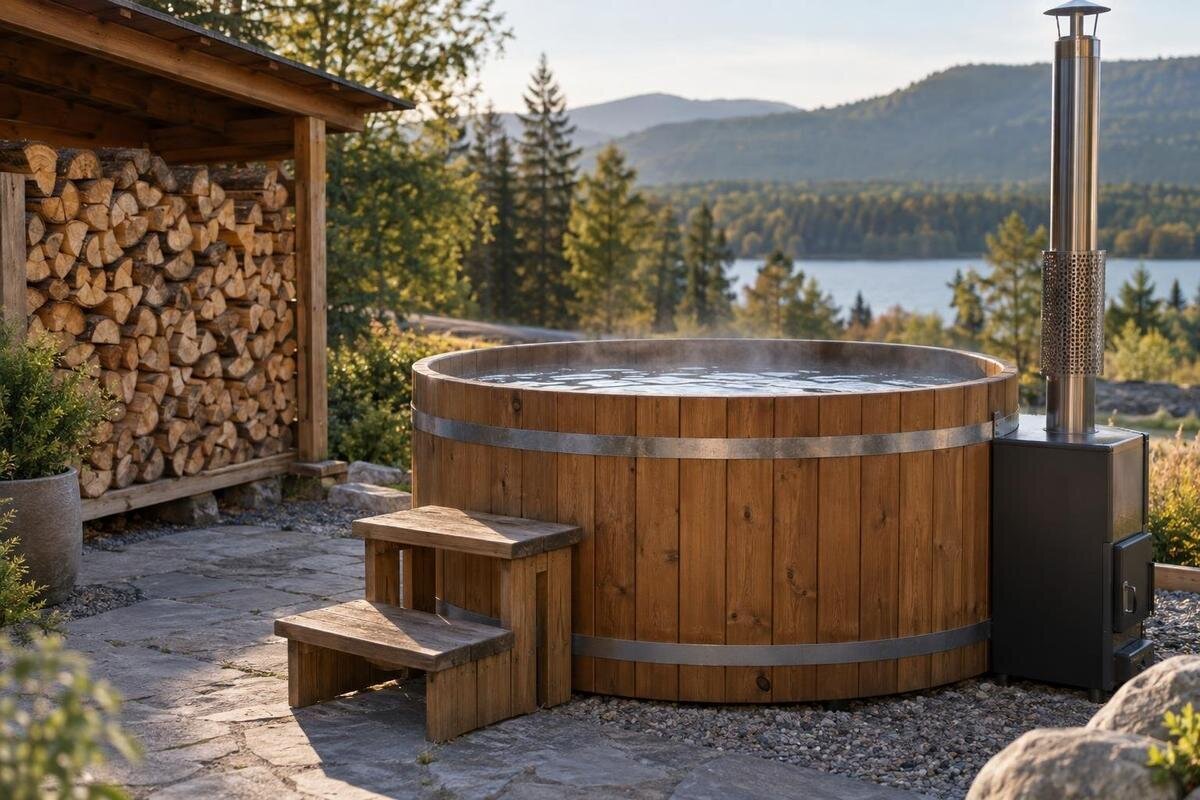
WOOD-FIRED HOT TUBS
Choosing firewood for a wood-fired hot tub is less about finding one universally “best” species and more about matching clean, appropriately dry logs to the exact heater. One appliance may specify a moisture limit, log length or fuel type that another does not. A supplier’s description such as “hardwood”, “seasoned” or “ready to burn” is not enough on its own to confirm that a load fits your heater. In New Zealand, the range on offer and the condition of a pile can vary by district and season. Begin with the manufacturer’s instructions, then ask for the species, moisture information and dimensions of the actual wood you will receive. Check local fire and smoke guidance before use, too.
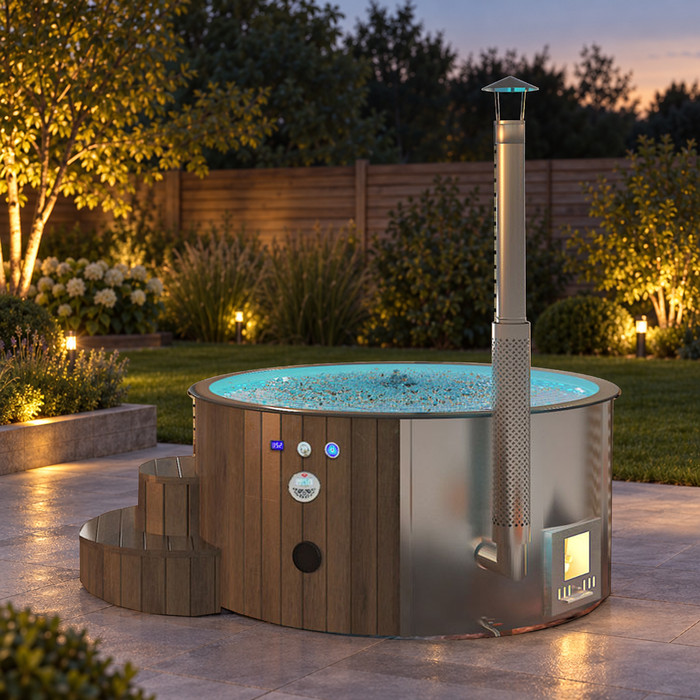
Start with the exact heater’s fuel instructions
Hot tub model names do not tell you whether a heater is wood-fired or what it can burn. Find the operating manual for the exact heater, not a general guide to outdoor heating. Look for the permitted fuel, any named species or fuel category, moisture requirement, maximum log dimensions and loading instructions. If a separate heater manual is supplied, check that its model matches the appliance, and ask the seller or manufacturer for missing information before buying wood. If you are looking at the Cove 2 model listing, use it to identify the product you mean, then confirm the heater type and its instructions; the catalogue name alone establishes neither.
Write down the acceptable fuel and measurements rather than relying on a verbal summary such as “use dry hardwood”. That phrase leaves important questions open: does the manufacturer set a moisture limit, is a mixed-species load allowed, and are logs expected to be split to a specified size? Ask for the relevant section of the manual or written clarification. If the instructions do not name a species, do not treat a supplier’s preferred timber as a manufacturer requirement; ask whether it falls within the permitted fuel category. Resolve any conflict between general firewood advice and the appliance instructions before ordering.
Compare named wood species, not just hardwood and softwood
Hardwood and softwood are broad botanical groupings, not appliance approvals or reliable grades of firewood. Species differ in density, how easily they split, how they burn and how much visible smoke they may produce under particular conditions. Denser logs can contain more dry wood for a given size, while lighter woods may be easier to handle; neither quality establishes that a species suits a particular heater. Bark, knots, resin, split size and moisture also affect a load. These are useful points to discuss with a supplier, but the manufacturer’s permitted-fuel information remains the deciding reference.
Ask what species are actually in the load, rather than accepting a description such as “mixed local wood”. If suppliers in your district list pine, eucalypt, mānuka or another timber, check each against the heater’s instructions rather than treating it as an automatic recommendation. If you are considering Bloomcabin Hot Tub Haven 6, ask the seller which heater instructions apply before discussing species with a firewood supplier. Where a permitted fuel category covers several species, ask the supplier to identify each component of a mixed load. A clearly identified, consistent supply is easier to assess and reorder than an unexplained mix.
Ask how the firewood has been seasoned
Seasoned means wood has been dried after cutting, but the label does not guarantee a particular moisture level. Drying depends on factors such as species, log thickness, how the wood was split, airflow, cover and exposure to rain. Kiln-dried describes a drying method; it still does not prove that the fuel meets a particular heater’s limit or permitted form. Ask for the manufacturer’s moisture requirement first, then find out what the delivered batch measures and how it was tested. If the supplier cannot give a figure, ask what they mean by “seasoned” and how the wood has been kept dry since it was prepared.
A moisture meter can help, but a reading needs to be taken and interpreted appropriately. Ask whether several representative logs were tested, rather than just the exposed surface of one piece, and whether the meter can be set for the species. A freshly split face gives a better indication of moisture inside the log than an outer surface that may have been wet by rain or dried by wind. Follow the meter maker’s instructions and compare readings with the heater’s stated requirement. When enquiring about the Fjord 8 model, ask where to find the moisture requirement in the applicable heater manual. Cracks in the end grain and other visual signs are clues, not a substitute for a required measurement.
Match log size to the heater’s requirements
Log size is a separate specification from species and dryness. A well-seasoned piece can still be too long or too thick for a heater’s loading opening or stated limit. Check every dimension named in the manual, which may include length, thickness or split size, along with any instructions about kindling. If a maximum is given, treat it as a limit, not a suggested target. Do not assume that shorter is always suitable either: the manufacturer may specify how fuel should be prepared or loaded. Measure sample pieces with a tape before ordering, and ask whether a supplier can provide a consistent size range.
Ask what the supplier’s size description means in practice. A whole round and a split log of the same length are not the same shape, and knots or branch forks can make some pieces awkward to handle. If you are asking about Bloomcabin Hot Tub Aurora 10, request the log-size instructions for the exact heater rather than estimating dimensions from a photograph. Give the firewood supplier those measurements and ask how closely their standard splits match them. Find out whether the stated size describes most pieces or only the largest, and how the supplier handles unusually small or oversized wood.
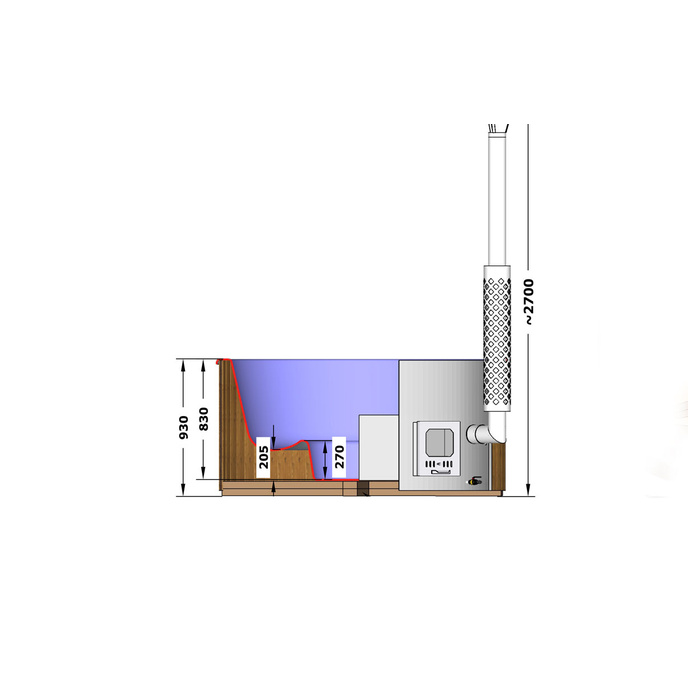
Check which fuels the heater excludes
Read exclusions as carefully as the list of permitted fuels. Depending on the appliance, instructions may rule out treated or painted timber, plywood and other glued boards, demolition offcuts, household waste, coal, charcoal, pellets, briquettes or manufactured firelogs. These are examples to check, not a claim that every heater excludes every category. A product sold for a domestic fireplace is not automatically approved for a hot-tub heater, and dryness alone does not make a material acceptable. Do not burn anything the manual prohibits. If it does not say whether an alternative fuel is allowed, ask the manufacturer or seller before using it.
Check the guidance for kindling and fire-starting products too. These may be treated separately from the main logs, and the manual may specify or exclude particular products. Do not assume that paper, cardboard, firelighter cubes, liquid accelerants or wood pellets are acceptable just because they are sold for fires. Where instructions use a broad phrase such as “clean wood”, ask what that means before considering offcuts or recycled timber. If Bloomcabin Hot Tub Cove 2 is on your shortlist, include fuel exclusions and permitted fire-starting products in your enquiry about its heating options. Keep the answers with the fuel specification you give your supplier.
Questions to ask a New Zealand firewood supplier
Give the supplier a clear specification before asking what they recommend: the exact heater make and model, permitted wood types, moisture requirement, maximum log dimensions and excluded fuel forms. Ask which species are available and whether the load will be single-species or mixed. Then ask how the wood is split, dried, measured and stored. Vague descriptions can hide important differences: “dry mix” might mean several species or sizes, while “seasoned” might describe time outdoors rather than a recent moisture test. For a purchase enquiry about the Haven 6 listing, first obtain the heater details from the seller so your firewood supplier has a specification to work from.
Useful follow-up questions include: What moisture figure can you provide, when was it measured, and where on the log? What length range is typical, rather than just the longest piece? Will the wood be kept separate by species, and how has it been stored since drying? Ask what the order quantity represents: loose-filled volume, stacked volume or weight. Those descriptions are not interchangeable, and the weight of wood can also be affected by its moisture. Clarify how the supplier handles a load that differs from the stated species, condition or size. This makes it easier to compare what is being supplied without assuming that “a load” means the same thing at every yard.
Store firewood so it stays dry
Wood sold as dry can take on moisture if it is stored poorly. Keep the main supply under a weatherproof top cover, with open sides or another arrangement that lets air circulate. Raise it off bare ground so splash and damp are less likely to reach the stack. Avoid wrapping an outdoor pile tightly in plastic, which can trap moisture rather than let it escape. Keep batches or species separate and label them with the supplier and delivery date; that makes it easier to use older stock first and identify what you are burning. Follow any supplier storage advice for the whole time you keep the wood.
Plan for access as well as dryness: the stack should be easy to inspect and retrieve without having to disturb it unnecessarily. Store wood only where the appliance instructions and site layout permit, and keep it clear of areas the manufacturer identifies as unsuitable for fuel storage. If you are unsure about safe placement or clearance, ask a qualified installer rather than guessing a distance. A ventilated store can protect the main supply, while keeping only a manageable amount near the heater avoids leaving the whole stack exposed there. Arrange covers and other items so they do not block access or airflow required by the appliance.
Check a delivery before ordering more
Before committing to a large or mixed order, ask whether you can begin with a smaller quantity of one named, approved species and size range. That lets you check whether the supplier’s description, measurements and delivery condition match what was agreed; it is not a reason to test fuel the manufacturer has not approved. With a mixed load, it can be harder to tell which species produced a particular moisture reading or size variation. If the supply meets your requirements, ask whether the supplier can provide the same specification next time and how they will identify any changes.
When the wood arrives, compare the species description, split dimensions and general condition with what you ordered before stacking it away. If you use a meter, follow its instructions and check several representative pieces against the heater’s moisture requirement; one reading cannot show that every log is the same. Keep any pieces that do not match the agreed specification separate while you discuss them with the supplier. If the question concerns the heater’s requirements rather than the delivery, use the Bloomcabin Hot Tub Fjord 8 page to identify the product in your enquiry to the seller. Describe the specific mismatch, such as log length or moisture, rather than simply saying the wood seems unsuitable.
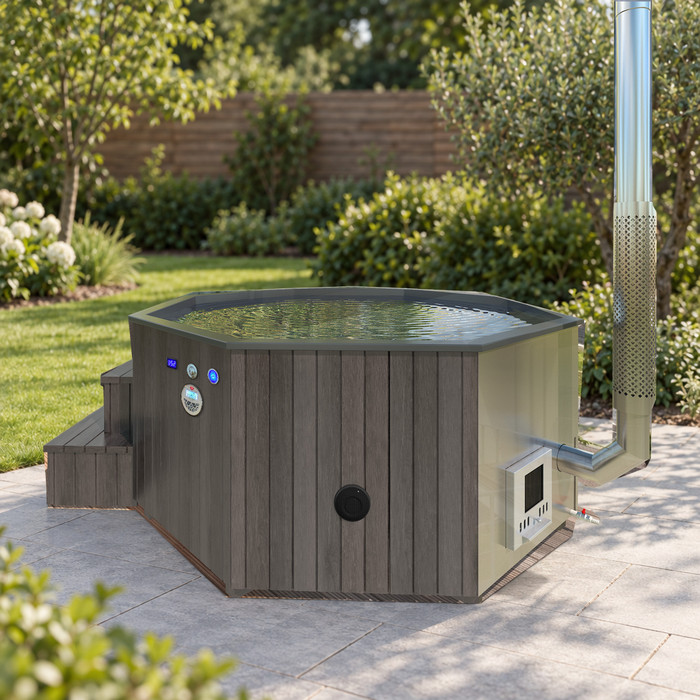
Check local fire and smoke guidance
Before lighting, check current Fire and Emergency New Zealand information for the exact location and any relevant local council guidance on outdoor fires or smoke. Conditions and notices can change, so advice from a previous season, a neighbouring district or a supplier may no longer apply. If you rent, share a property or live in a managed development, ask the owner or manager about any site rules as well; that does not replace official guidance. Check how the guidance applies to your particular heater rather than assuming advice for an open fire, barbecue or indoor appliance transfers directly.
Fuel condition can affect smoke, but no label guarantees a particular result: appliance design and how fuel is used matter too. Wet or poorly seasoned wood may burn less cleanly and produce more visible smoke. Follow the manufacturer’s operating instructions rather than trying to correct an issue with unapproved fuel or guessed changes to controls. If neighbours or a local authority have raised smoke concerns, pause and check the official advice for your area before using the heater again. If you are considering the Aurora 10 hot tub, establish which heater would be supplied so you can describe the appliance accurately when asking how local guidance applies.
Keep a record of the approved supply
A suitable first delivery gives you a useful reference for later orders, but the supplier’s description needs to remain specific. Before reordering, ask whether the species, drying method or split-size range has changed, even if the wood is sold under the same grade name. Compare any proposed substitution with the heater’s instructions before accepting it. If you switch suppliers, pass on the full specification rather than asking for something similar to the previous load. Easy lighting, low visible smoke or a familiar appearance cannot establish that a different batch meets the manual’s limits. Assess the replacement on its stated species, condition and dimensions.
Keep a short note with the manual: exact heater, permitted fuel wording, dimensions, moisture requirement, supplier, species, drying claim and delivery date. Add the date of any moisture measurements and the readings, so they are not mistaken for information about a later batch. Keep deliveries identifiable in storage rather than mixing them before you have checked them. If a delivery does not match your record, keep it separate from the hot-tub supply and ask the supplier about the discrepancy; direct questions about fuel compatibility to the heater seller or manufacturer. This gives you a practical reference for repeat orders without relying on a universal recommendation for one tree species.
Frequently asked questions
Is hardwood always the best firewood for a hot tub?
No. Hardwood and softwood are broad categories, not approvals for a particular heater. Species, moisture and log size all matter, and the manufacturer may limit the permitted fuel. Choose a named wood that fits the exact heater’s instructions rather than relying on the word “hardwood”.
How can I tell whether seasoned firewood is dry enough?
Ask the supplier for a recent moisture reading and compare it with the heater manufacturer’s requirement. Find out how the reading was taken; a measurement from a freshly split face is more informative about the inside of a log than its outer surface. “Seasoned” alone does not confirm a particular moisture level.
Can I burn pine in a wood-fired hot tub heater?
Only if the instructions for your exact heater allow it. Pine is not automatically suitable or unsuitable because it is a softwood. Check the named species against the manufacturer’s fuel guidance, and do not infer compatibility from advice for another appliance.
Does kiln-dried firewood automatically suit a hot-tub heater?
No. Kiln-dried describes a drying method, but it does not confirm the permitted fuel type, log dimensions or moisture requirement for your heater. Ask for the delivered wood’s species, size and moisture information, then compare those details with the manual.
What should I check about fire restrictions in New Zealand?
Before lighting, check current Fire and Emergency New Zealand information and relevant local council guidance for the exact location. Conditions and notices can change, and you should not assume advice for another district or type of fire applies to your heater.
Good hot-tub firewood is not simply a species name on a sack. It is an identified supply that meets the exact heater’s fuel, moisture and size requirements and has been stored appropriately. Read the manual first, then ask a local supplier precise questions about species, measurement, split dimensions and storage. Check current fire and smoke guidance for your location before use. If any detail is unclear, resolve it before the wood reaches the heater; a consistent, documented batch is easier to assess and order again.
