
What to Check Before Fitting a Roof Covering to a Garden Shed
Garden shed planning
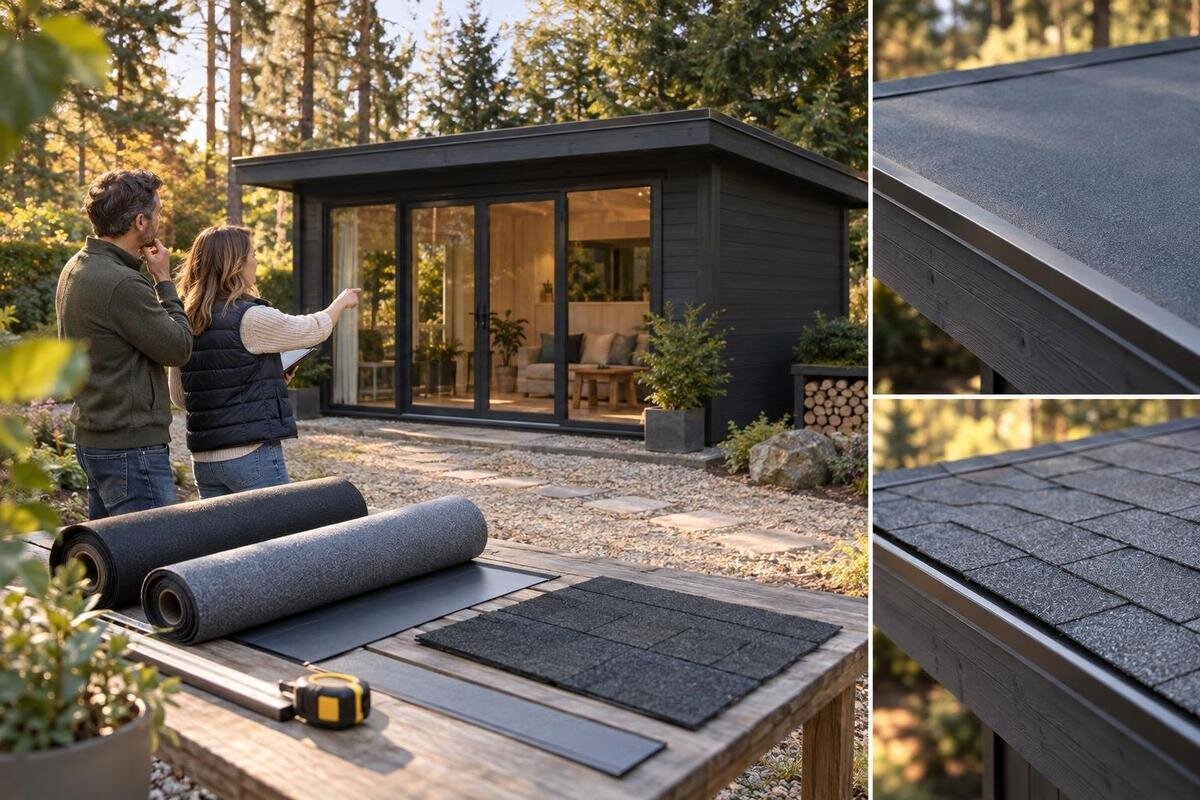
Choosing a garden shed roof covering is not just a matter of matching a colour or ordering enough sheets. The covering has to suit the shed’s roof shape and supporting frame, and its edges need to direct water away from vulnerable areas. Before buying or fitting anything, identify the shed and any existing layers, inspect the structure, measure the roof and check the covering maker’s requirements. This helps you avoid paying for material that cannot be fixed securely or drain as intended.
Identify the shed and its original roof specification
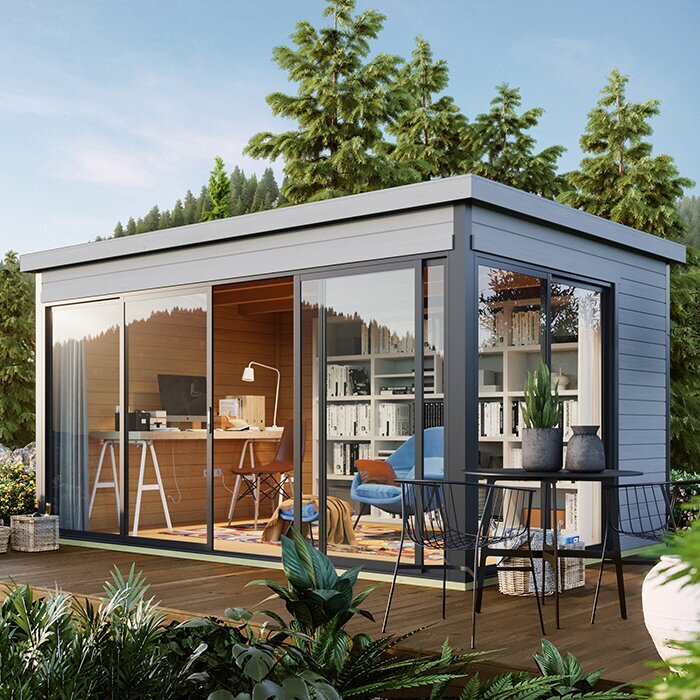
First establish whether this is a new shed awaiting its first covering, a replacement for an existing one, or a change to a different roofing system. These are different starting points: an existing roof may hide earlier repairs or extra layers, while a new shed should be matched to its original specification. Record the maker, exact model, assembly details and any changes made since assembly. If you are comparing a Verdana 1 garden shed, use the model name to identify what you are assessing, not to infer which covering it can support. Note added openings, moved supports or extended edges, as these may affect the original roof details.
Find a roof plan or written specification from the shed maker. Check the roof shape, support layout, original covering and any stated restrictions on substitutes. Establish whether a covering is included with the shed, supplied separately or intended to be sourced by the owner; do not assume from a photograph. If paperwork is missing, ask the maker or seller for details tied to the exact model rather than relying on general advice for sheds of a similar size. Keep the response with your project notes so a supplier or installer can refer to the same information. A broad statement that a material suits garden sheds is not enough unless it also fits this shed’s design.
Inspect the frame before choosing a covering
Inspect the roof frame before selecting a replacement layer. From safe ground or suitable access, look at visible rafters, purlins, roof panels and their connections. Note any sagging, twisting, separated joints, loose fixings, splits, soft or decayed areas where relevant, corrosion where metal parts are used, or staining that could point to water entry. These signs do not, by themselves, tell you how much weight the structure can carry; treat them as reasons to investigate rather than cover over. Avoid walking on a roof unless its access and support have been assessed as safe.
With a shed already in use, look for evidence of recurring leaks or earlier repairs as well as obvious damage. A new surface can conceal a problem rather than resolve it. The name on a listing, such as Verdana 2 garden shed, cannot confirm the condition of the particular assembled structure. If the frame moves, looks distorted, has damaged joints or shows persistent wetting, pause the roofing purchase and ask a qualified builder or roofing professional to assess repairs and suitability. Even a sound-looking frame still needs to meet the shed maker’s stated limits for the proposed covering.
Match the covering to the roof shape and pitch
Identify the roof geometry before comparing roofing products. Note whether each plane is a single slope or part of a gable, and mark the ridge, hips, valleys, eaves, verges, openings and any junction with another surface. These details affect how a covering can finish at the edges and connect across the roof. Some features may be hard to judge from the ground, so use a roof plan or accurate measurements rather than a product photograph. If you are considering a Durano garden shed, obtain the roof profile from its documentation instead of estimating it from an image.
Check the pitch, meaning the angle of each roof plane, against the covering maker’s stated limits. Different systems have different requirements for moving water across the surface and through their laps; there is no pitch that suits every material. Confirm that instructions cover the roof shape, joints, edges and penetrations you actually have, not just a plain uninterrupted plane. If the pitch is not documented or you cannot establish it safely, ask the shed maker or a roofing professional to confirm it before choosing a product. Do not rely on a rule of thumb or a visual estimate.
Measure each roof plane before ordering
Measure the outside of every roof plane, not just the shed footprint or floor dimensions. Record the width across each plane and the distance from its top edge or ridge to the eaves along the actual slope. Include overhangs at the eaves and verges, and measure each side separately rather than assuming the roof is symmetrical. Mark any vents, openings, joins or wall junctions that interrupt the roof surface, and note where the trims begin and end. Keep the measurements in consistent units and label clearly whether they describe the roof surface or the shed itself. If safe access is uncertain, have an installer take the measurements.
When ordering, distinguish the material’s nominal size from its effective coverage after side and end laps. Ask the supplier how the chosen profile, roof shape and required overlaps affect the number of pieces, and whether ridge, verge or eaves components are counted separately. Include allowances for cuts around openings without guessing at a quantity. If you are working with a Veltor garden shed, base the order on verified roof measurements and the selected covering’s coverage information, not on the model name or the shed’s advertised floor area.
Confirm the covering’s weight and structural compatibility
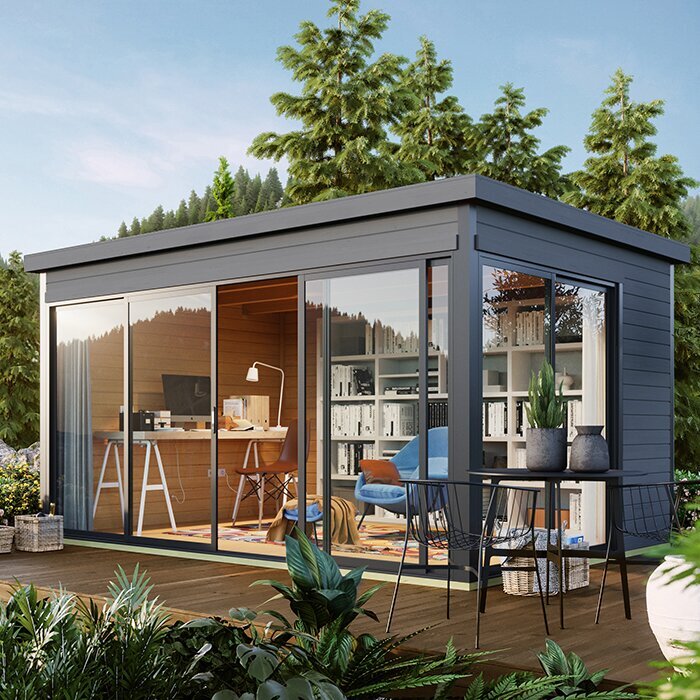
Consider the weight of the complete roof system, not just the visible covering. A proposal may include underlay, battens or other layers, and a replacement project may leave an older layer in place unless its removal is part of the plan. Ask for the proposed system’s requirements and compare them with the shed maker’s information about the roof structure. Do not assume that a product that looks light, a small roof or a similar-looking shed is automatically compatible. The supporting frame and its layout matter, and adding another layer changes what the structure has to carry.
Confirm that the required support spacing, substrate and roof-edge support are compatible with the actual shed. If the shed maker does not state whether a covering type or additional layer is acceptable, ask a qualified builder or roofing professional to assess it before you order. A name such as Orello garden shed does not provide evidence of roof capacity; nor would a wall description or outside size answer that question. Do not estimate an allowable load yourself or rely on a general recommendation for garden sheds. Resolve uncertainty about the structure before paying for materials.
Check fixings, laps and edge components as a system
A roof covering is a system, not just a surface material. Ask what underlay, support battens or decking, fastener type, overlap and joint treatment the maker specifies for the exact profile and pitch. Requirements vary, and visually similar sheets or fixings are not necessarily interchangeable. Confirm that the covering is intended for the substrate on the shed and that the supplier can identify the matching components. Avoid choosing screws, nails or adhesives by appearance alone; the product instructions need to cover the proposed covering and supporting material together.
Check the details at the ridge, eaves, verges and any opening or wall junction. Depending on the roof shape, the system may need ridge caps, edge trims, closure pieces, flashings or seals. Confirm which parts are required, which are included and how they connect; do not assume a similar-looking accessory will suit the profile. When comparing a Modano garden shed, ask the seller or maker what roof parts are supplied or specified, rather than assuming from the model name. If the system’s edge details or fixings are not documented, get clarification before ordering instead of improvising a combination.
Trace where the roof will discharge water
Consider where water will leave the roof once the covering is in place. The pitch, seams, overhang and edge profile can affect the route and concentration of runoff. Check whether water could fall beside an entrance, run back towards an edge or reach a surface that is vulnerable to repeated wetting. Note the shed’s position relative to paths, doors, nearby walls and the ground around its base. This is not a reason to assume that a particular covering will solve drainage issues; it is a way to spot where its edge details and discharge need to be considered before purchase.
Use the covering maker’s information to confirm how the chosen system finishes at the eaves and other exposed edges, and whether the planned roof edge works with any separately planned components. Keep this check focused on the covering’s discharge and the shed’s immediate surroundings; a full gutter or rainwater-collection plan involves additional decisions. When comparing a garden shed M for a particular site, include its proposed position in your notes so the route from roof edge to ground is considered alongside the model. Ask an installer to assess the layout if the destination for runoff is unclear.
Allow for wind and site exposure
Consider conditions at the actual site, not just the general weather in your area. A shed in an open position may be more exposed than one with nearby shelter; coastal air, heavy rain and surrounding trees can also affect the conditions a roof system must handle. These observations do not establish whether a particular material is suitable, but they help you ask the right questions. Tell the covering supplier or installer where the shed will sit and whether it is especially exposed, rather than selecting a product based only on appearance or a broad description.
Ask the covering maker for instructions and suitability information that address the roof shape, edges and site conditions, including the specified fixing system. Do not add extra fasteners or change the stated layout on the assumption that more is always better; the complete system needs to be appropriate. For a garden shed S, as for any shed, the model name does not settle how its roof will perform in a particular position. If the site is exposed or the documentation does not address your situation, get a roofing professional to review the proposed combination before you buy.
Consider moisture, ventilation and existing roof layers
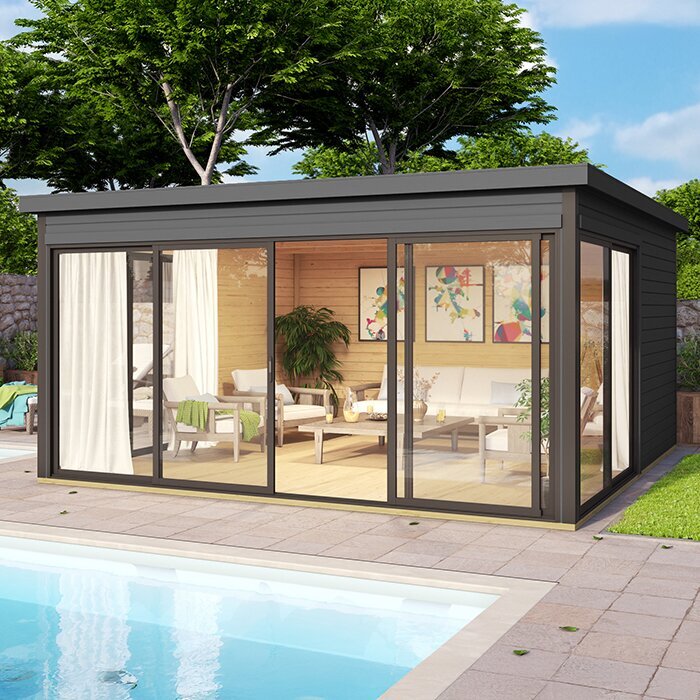
A roof covering needs to be considered alongside moisture inside the shed. The way the shed is used and what is stored in it can affect the conditions beneath the roof, while signs such as condensation, damp patches or recurring stains may point to an issue that a new outer layer will not fix. Note where and when moisture appears, and check whether it follows rain or is present at other times. This does not diagnose the cause, but it helps a shed maker or roofing professional assess whether the covering choice, existing roof layers or ventilation details need attention.
Before buying, find out what underlay or ventilation arrangements the complete roof system requires. Adding a covering over an existing layer can change how the roof dries, and covering damp material may conceal rather than solve a problem. Check whether the covering maker allows an overlay for the condition and structure you have, or whether removal is required. Do not block existing openings or add new ones based on a general rule; confirm how they fit the shed and roofing specifications. If there is persistent dampness or the existing build-up is unknown, resolve that uncertainty before the new covering is installed.
Set the order and installation scope before work
Before placing an order, ask for a written list of what the proposed price or supply includes. Confirm the exact covering, its effective coverage, the required quantity, laps, fixings, underlay and edge components. Check whether removal of an old layer, repairs to the frame and disposal of waste are included or handled separately. If you compare quotes, make sure they describe the same covering system and work; different lists of accessories or preparation can make apparently similar quotes hard to compare. Keep the shed model and verified measurements with the order so the supplier is working from the right reference.
Agree who will measure, prepare the roof, remove old material, handle openings and finish the edges. If a contractor is fitting the covering, ask how hidden damage will be reported and what happens if the work needs to pause for an assessment. If you plan to do the work yourself, confirm that the maker’s instructions cover your roof design and consider safe access before committing. A covering should not be ordered simply because it appears to fit the shed category. Confirm the structure, geometry, system components and runoff first, then set the work scope around that specific combination.
Common questions
Can I fit a new covering over the old one?
There is no universal yes. A second layer can add weight, conceal damage and change how moisture leaves the roof; some covering systems also require the old layer to be removed. Check the shed maker’s and covering maker’s instructions for the exact combination. If the roof’s condition or history is unclear, have it assessed before ordering.
Does one roof pitch suit every covering?
No. Compare the shed’s actual pitch with the covering maker’s stated limits and instructions for joints, edges and penetrations. A photograph or rough visual estimate is not enough. If the pitch is unknown or the roof has several planes, ask a roofing professional to confirm it.
What measurements should I provide for a roofing quote?
Give the exact shed model if known, the dimensions of each roof plane measured along its slope, and the overhangs, openings and roof edges. Note any existing layers or repairs too. Ask the supplier or installer to confirm the required coverage and accessories; the shed’s floor dimensions alone are not a roofing measurement.
Can a visual inspection prove that the frame is strong enough?
No. Looking for sagging, loose joints, damage or water staining can reveal reasons to investigate, but a sound appearance does not confirm the frame’s design limits. Check the shed documentation for the proposed covering, and get a qualified professional to assess the structure if that information is missing or concerns arise.
Should I choose the covering before buying a shed?
Treat the shed and covering as a matched choice. Before ordering either, confirm the roof shape, pitch, support details and the maker’s guidance on compatible coverings. If you intend to source the roof material separately, check what the shed package includes and what additional components the covering system requires.
Treat the roof covering and garden shed as one matched system. The right choice depends on the condition and limits of the frame, the roof’s shape and pitch, accurate measurements, compatible components and a sensible route for runoff. Once those points are clear, you can compare materials and order the parts needed for the actual roof rather than relying on a generic shed size. If any key detail remains unknown, settle it before covering the structure.
