
When Should You Treat a New Wooden Garden Shed?
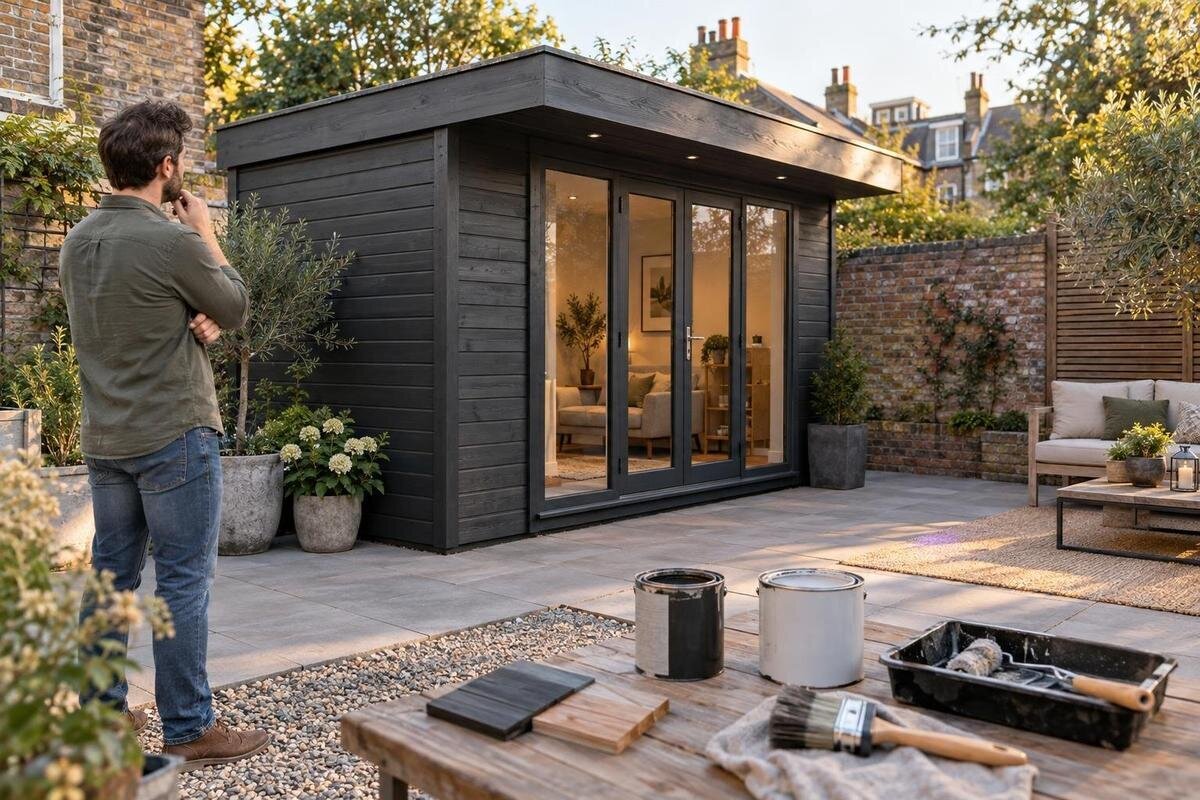
Garden shed care
Treat a new wooden garden shed when the shed maker’s instructions, the timber’s condition and the protective product’s label all allow it—not simply because the shed has arrived. There is no dependable fixed wait after delivery: the shed may already have a treatment, need to dry, or require a particular finishing stage before or after assembly. Before ordering, ask what has been applied and what the maker recommends. Once it is on site, check the timber and choose a weather window that meets the product label. If any details are uncertain, pause and ask rather than coating over an unknown finish.

There is no fixed waiting period for every new shed
People often want a simple rule such as “treat it straight away” or “wait a month”, but neither suits every new shed. “New” tells you when it was bought, not what is on the timber or how it has been stored. Some sheds may arrive untreated; others may have a factory-applied treatment or coating, or include components that need a particular finishing sequence. These are possibilities to confirm, not assumptions. Adding a product without knowing what is already there can lead to poor adhesion or an incompatible finish. The order matters too: a treatment the maker requires before assembly may be difficult to apply once parts are fixed, while treating at the wrong stage could go against the supplied instructions.
Make timing part of your purchase questions. Ask whether an initial treatment is needed, what type of product the maker recommends, whether an existing coating changes the next step, and whether finishing should happen before or after assembly. If the Verdana 1 garden shed is on your shortlist, request its care instructions rather than inferring a schedule from the name or appearance. Ask how long any recommended product must dry before handling or assembly, too. A clear answer helps you plan what to buy and when to schedule the work. This is especially useful if delivery and assembly are booked separately, since the care instructions may affect both.
Confirm what treatment is already on the timber
Find out exactly what the supplier means if a listing or document says the timber is “treated”. The word can refer to a process applied during manufacture, a coating already on the surface, or an aftercare step for the owner. It does not by itself tell you whether another product is needed, which faces are covered, or what can go over it. Ask for the name of any applied product or process and whether it covers exterior and interior faces, concealed areas and cut ends. If the wording is broad, clarify whether it describes a completed factory step or a task for you. Colour or sheen is not a reliable guide to what has been applied.
Check the care sheet, product label and assembly notes before buying a second treatment. Keep the name of the existing product or process with your shed records so a later coating can be checked for compatibility. If the maker cannot confirm what is on the timber, do not guess: ask the shed maker or finish supplier for specific advice. For the Verdana 2 garden shed, ask these questions before ordering rather than presuming its surface is untreated. That answer also helps you avoid buying an extra product before you know whether one is required and which type is suitable. A photo of the label or supplied care sheet can make the question easier to answer.
Follow the shed maker’s care instructions
The shed maker’s care instructions are a better starting point than a general online rule because they relate to the supplied materials and any treatment applied before delivery. Look for the recommended sequence: whether an initial treatment is required, which product type is acceptable, which surfaces need attention, and whether it belongs before or after assembly. The shed instructions do not replace the finish product’s label; both sets of requirements need to be met. Do not substitute a familiar coating simply because its label says it is for outdoor timber, or assume advice for another model applies here. If the two sets of directions appear to conflict, ask for clarification before applying anything.
If the notes are missing, unclear or name a product you cannot obtain, ask the seller or manufacturer for an alternative before treating. Include the model name and photos of the relevant surfaces, and describe any coating or treatment you know is present. Ask for written guidance that covers the sequence and any drying time before handling or assembly. Avoid guessing from a neighbouring shed or a different model. For the Durano garden shed, the useful pre-order question is whether its care instructions specify an initial treatment and when it belongs in the build sequence—not what the name might suggest. Keep the reply with the assembly paperwork; it is useful when different people are arranging delivery, assembly and treatment.
Judge readiness by the timber’s condition
Delivery date is only one part of the decision: check the timber itself. Follow the finish label’s requirements for a dry, clean surface and use any test it specifies. Timber can be affected by storage, transport and weather, so a board opened from its packaging may not match the conditions described on the label. Avoid choosing a waiting period from a rule of thumb; use the maker’s guidance and assess the actual surface. If the label gives a measurable moisture limit, use the recommended method to confirm it or ask the maker how to do so. If no measurement is given, do not invent a target.
Visible damp patches, condensation or water droplets are clear reasons to wait; dirt or residue may also need to be dealt with as directed before a finish is applied. A surface that looks and feels dry is not proof that it meets a stated moisture requirement. Check for damage or staining too, and ask the maker before covering an area that may need attention. If unsure, follow the instructions for drying and check again rather than sealing in moisture or trying to speed the job. If the Veltor 1 garden shed is on your list, ask what condition its recommended treatment requires on arrival; a dry day or intact packaging does not establish readiness. Reassess the timber if it has been stored for a while before assembly.

Plan treatment around assembly and storage
Whether to treat before or after assembly is not just a matter of convenience. The maker may specify a sequence because some surfaces are easier to reach while components are separate, or because the product is intended to be applied once the shed is complete. Follow that sequence rather than coating every loose board or waiting until all panels are fixed. Before assembly, identify any areas named in the care notes and ask whether parts must be dry before they are handled or joined. Do not assume one method fits every shed. Knowing the sequence early helps avoid finding an access problem after the structure is assembled.
If assembly will be delayed, store the components as the maker directs and protect them from weather without creating a damp, enclosed stack. Follow the label’s handling and drying instructions before moving or covering treated parts; if separate times are given for handling and recoating, plan for both. For the Orello 1 garden shed, ask whether the recommended treatment belongs before or after assembly and whether newly exposed cut ends need attention. Do not add a product to cut surfaces unless the shed instructions or finish label says it is suitable. That information can determine whether you need the product on hand before delivery and how to organise the work area.
Choose weather that meets the product label
Even when the timber is ready, application conditions still matter. Check the finish label for any limits on air or surface temperature, humidity, wind, rain exposure and drying time; use the limits that actually appear on that product’s instructions. Check the forecast for the full application and drying window, not just the hour when you plan to start. A sunny morning can still be unsuitable if the specified temperature or moisture conditions are not met. Some labels give separate conditions for applying, recoating and drying, so check each stage. Where a rain-free period is required, include the time after application in your plan.
Allow enough time for the stated coats and drying intervals, and do not start if you cannot meet those requirements. If the forecast changes or the label’s conditions cannot be met, postpone rather than stretching a permitted range or rushing a coat. For a shed in New Zealand, decide from conditions at your site rather than the month or season alone. If the Modano 1 garden shed is a candidate, confirm what finish its maker recommends before buying; a model name alone cannot establish which product or weather window applies. If the label is unclear about conditions, ask the product maker instead of inventing a limit.
Check which surfaces need treatment
An instruction to treat the shed does not always mean coating every face. Check which surfaces the maker identifies: exterior boards, internal faces, the base, end grain or cuts made during assembly. The instructions may call for different stages or leave some areas untreated. Do not assume that a product intended for exterior timber can be used on every part of the shed, or apply it where the manufacturer says not to. If the instructions are vague about an exposed cut or hidden surface, ask before covering it. Check whether the answer changes depending on whether a panel is still loose or already assembled.
Keep any multi-product sequence clear. If an initial treatment and a decorative finish are separate steps, confirm that the products are compatible and follow the labels for coat order, coverage and drying intervals. For the Timber Garden Shed M, ask which areas are included in the first treatment rather than interpreting “all timber” yourself. When you know the surfaces and the product’s stated coverage, estimate the quantity from those details instead of relying on a generic amount for a shed. Avoid mixing products or changing the sequence to save time. Note which surfaces you have treated so later inspections are easier to plan.
Include treatment in your order and work plan
Treatment timing can affect what you need to order as well as when. Before purchase, ask whether any initial coating is supplied, whether an extra product is required, and whether a specific product is recommended. Clarify whether the finish is a required protective step or an optional appearance choice, and whether it is supplied or bought separately. Check if the instructions require materials before assembly or allow application later; that tells you whether to have them ready before delivery. For a separate product, read the label for coverage, number of coats and drying intervals so you can estimate quantity and time. Do not buy a product solely because its packaging says “garden” or “outdoor”; it must suit the intended timber and any existing treatment.
Put the maker’s instructions, product details, likely work date and a weather contingency in your order notes. This makes it easier to compare care requirements between shortlisted sheds and avoid an unplanned delay after delivery. If the Wooden Garden Shed S is one option, use the same questions as for any other model; its name alone does not establish what treatment is included. Confirm where the shed components and finish can be kept, and who will do the work if the maker requires a stage before assembly. The aim is a realistic plan, not a fixed date guessed before the details are known.

When to wait or ask for advice
Wait if the timber is visibly damp, the surface does not meet the product label’s conditions, or the forecast falls outside its application or drying limits. Pause too if you cannot identify an existing treatment, if the shed instructions are missing, or if delivery has left damaged boards that need the maker’s attention. Applying a coat over an unresolved issue can make it harder to inspect the surface or follow the right sequence. Do not try to settle uncertainty by adding another product or choosing an arbitrary number of drying days. If assembly is pending, resolve any uncertainty about surfaces that will become difficult to reach before closing off access to them.
When shed instructions and a finish label appear to conflict, do not choose the easier option. Give the shed maker and finish supplier the model name, product details, photos and the exact wording, then ask which sequence meets both sets of directions. If the material or existing treatment still cannot be identified, seek advice from a professional who works with exterior timber coatings before applying anything. Keep the answer in writing so the instructions are clear when the work begins. A short pause is generally more manageable than having to correct a finish applied on guesswork.
Record the first treatment for future upkeep
The first treatment is not a universal schedule for future maintenance. Recoating depends on the finish and the shed maker’s care guidance, as well as exposure at the site; use the interval and condition checks stated by the maker or product label rather than assuming an annual date. Record the product name and date, which surfaces were treated, and the number of coats applied. Keep the original label or a clear photo of it with the assembly guide, so anyone maintaining the shed can identify what is already on the timber.
Inspect the finish periodically and look for wear, peeling, cracking, bare patches or water staining. Those signs are prompts to assess the surface, not proof that the same product should be applied immediately. Before maintenance, confirm the existing finish, compatibility and any preparation requirements. If the finish remains sound and the maker has not called for a new coat, adding one simply because a calendar date has arrived is not automatically better. Note the date of an inspection and photograph any concern if you need to ask the maker for advice.
Frequently asked questions
Does a new wooden garden shed need treatment straight away?
Not necessarily. A new shed may already have a treatment, or its maker may specify a particular first coat and sequence. Check what is on the timber and what the care instructions require before applying anything. Being newly delivered does not, by itself, mean the shed is untreated or ready for another product.
How many days should I wait before treating a new shed?
There is no reliable number of days that applies to every shed. Follow the maker’s guidance and wait until the timber meets the finish label’s requirements for its condition. If a moisture limit or drying interval is specified, use it. If the existing treatment or condition is unclear, ask before choosing a date.
Can I treat the timber before assembling the shed?
Only if the shed maker’s instructions allow it and specify which surfaces to treat. Some instructions may call for treatment before assembly; others may require a different sequence. Check how long the product needs to dry before parts are handled or assembled, and whether the label gives separate drying and recoating times.
What should I do if the timber arrives wet?
Do not apply a finish until the timber meets the maker’s and product label’s requirements. Store the components as directed and let them dry as advised; avoid guessing how long that will take. If the instructions do not explain how to check readiness, contact the shed maker or finish supplier before proceeding.
How can I choose a product for the first treatment?
Start with the shed maker’s care instructions, then check the product label for suitability for the intended timber and any existing treatment. Confirm compatibility and the required application sequence rather than relying on packaging that simply says it is for outdoor use. If the maker’s guidance is missing or unclear, ask for a specific recommendation.
The right time to treat a new wooden garden shed is when its maker’s instructions, the timber’s condition and the finish label all point to the same next step. Check what treatment is already present, confirm whether work belongs before or after assembly, and wait until the surface and weather meet the stated requirements. There is no universal number of days to rely on. Keeping the care instructions and treatment details with the shed makes both the first application and later maintenance easier to plan.
