
Where to Position a Garden Shed for Sun, Shade and Privacy
Garden shed placement
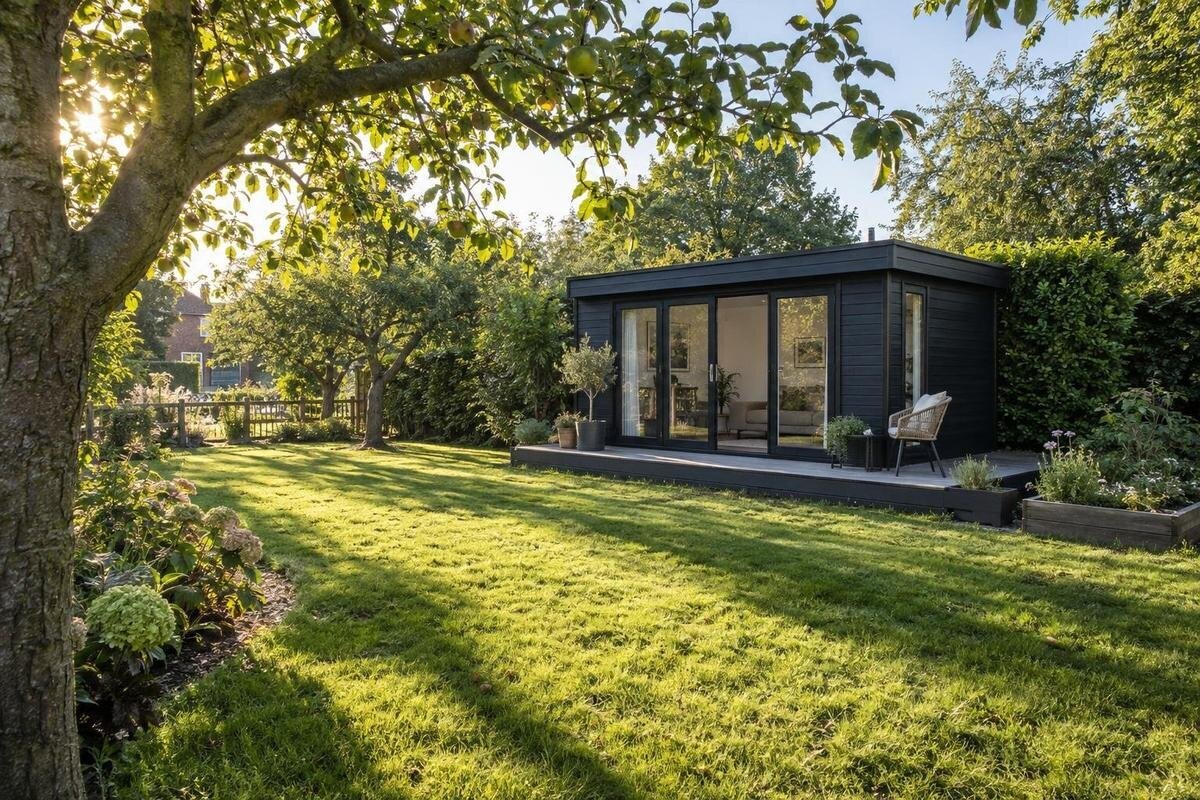
Where to position a garden shed depends on what you want it to do and how it will sit within the rest of the garden. Sunlight, shade and privacy are connected, but they do not have to be solved by one perfect corner. A bright spot may suit a daytime task yet expose an opening to neighbours; a secluded corner may have less useful light or interrupt a route through the garden. The right garden shed location depends on what you will do there, when you will use it and which views you want to keep. Before ordering, observe candidate sites, map the shed’s footprint and openings, and compare the effect on the rest of the garden. That makes it easier to choose a building and position that work together, rather than trying to make a poor fit work later.
Before you order 1
Start with the way you will use the space
Write down what the building and the nearby outdoor area need to support on a normal day. If you plan to read, work at a bench or spend time beside it, note the hours you will be there and whether direct light or a shaded spot would suit that activity. If you mainly need it as a place to reach tools or garden supplies, the route from the house, lawn, beds or gate may matter more than an uninterrupted view. For mixed use, rank your priorities: daylight at a particular time, shelter from glare, privacy or a clear outlook. A short list makes it easier to judge sites fairly and stops an attractive corner from winning simply because it looks good from one window.
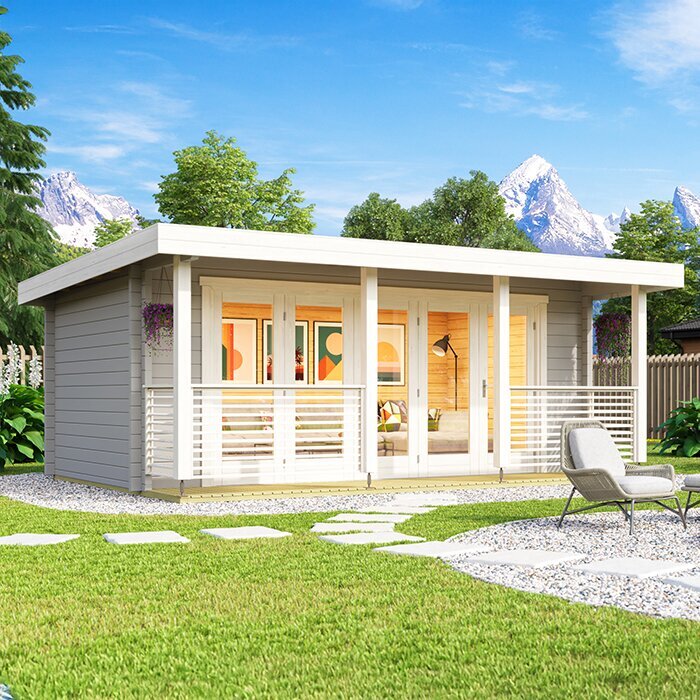
Decide which side you would like to face the house, garden or approach, and whether that is possible at each candidate position. Mark a rough outline on the ground and put a marker where the entrance would be; view it from the places where you spend time. Then confirm the actual model dimensions and opening arrangement before relying on that test. When comparing the Verdana 1 garden shed, use its confirmed footprint and entrance details, where available, to check the marked layout. The model name alone cannot tell you how a building will sit in sunlight or what an opening will face. Assess the building and its position as a pair.
Observe sunlight at different times
Visit candidate spots in the morning, around midday and later in the afternoon, especially at the times you expect to use the area. Note where direct sun falls, when a shadow arrives and whether it comes from a house, fence, hedge or taller planting. Repeat the check on more than one day if possible: cloud can hide a pattern, and the sun’s angle changes through the year. In New Zealand, the sun is generally towards the north around solar noon, but local obstructions and the season still determine the light on a particular patch. A simple sketch with times and directions is more useful than a single impression.
Think separately about light on the approach, at any planned window and in an adjacent sitting or working area. Direct sun can be welcome for some activities and distracting for others; a sunny site does not, by itself, guarantee a comfortable interior. If the Verdana 2 garden shed is on your shortlist, confirm its footprint and opening configuration for that exact option before adding it to your sun sketch. Mark where each opening would face, if there are any, and consider whether the light or glare would fall where you want it. The aim is useful light, not simply the sunniest possible position.
Before you order 2
Look at how shade changes through the day
Avoid labelling a site simply sunny or shady after one visit. A patch that is shaded at breakfast may be exposed later, while a house, fence, hedge or tree can cast a different shadow as the sun moves. Nearby planting can also change its shade across the seasons. Observe the space at the times you are most likely to use it, and note whether shade covers the whole proposed site or only part of it. This helps you distinguish a useful shaded area beside the shed from a position that would leave an activity needing daylight in deep shade.
Partial shade may suit a nearby seat or a task that does not need strong natural light; a brighter position may be preferable for other uses. Neither choice guarantees a particular temperature or light level inside the building, which depends on the building as well as its location. If the Durano garden shed is a candidate, compare its confirmed layout with your shade observations rather than assuming its name indicates how it will perform in sun. You might find that a small change in position preserves a shady place to sit while giving the building or its approach more useful daylight.
Check privacy from the places you use
For privacy, do not judge the position from the shed alone. Check sightlines from house windows, outdoor seating, paths and any neighbouring windows visible from your property. Walk to each viewpoint and consider what could be seen at the entrance and through any openings. It can also be useful to look in the evening, when lights inside the house may change what is visible from outside. A fence or hedge can block a direct view but leave diagonal sightlines open, so look from either side as well. The purpose is to identify which views matter to you, not to assume one screen hides everything.
Once you know which sightlines are important, consider how the building would face and whether existing planting or a separate screen could help. A more private position does not have to close off every view or make the garden feel enclosed. When assessing the Veltor 1 garden shed, check any confirmed details about entrances or windows and mark them on your plan; do not guess their position from the model name. Revisit the sightlines from your main windows and seating area. If an opening’s orientation is unclear, resolve that before ordering, because turning or shifting the building may change what people can see.
Before you order 3
Keep the views you value
Privacy is one part of the picture; also consider what you want to keep looking at. Stand at the kitchen or living-room window, on the deck or in your usual garden seat and look towards each proposed position. A shed placed to screen one view might also block a favourite outlook across the garden or make a space feel more enclosed. Consider the views from inside the garden as well as from the house. Moving the position a little to one side, or changing which way the building faces, may preserve an important line of sight without leaving the shed exposed to every view.
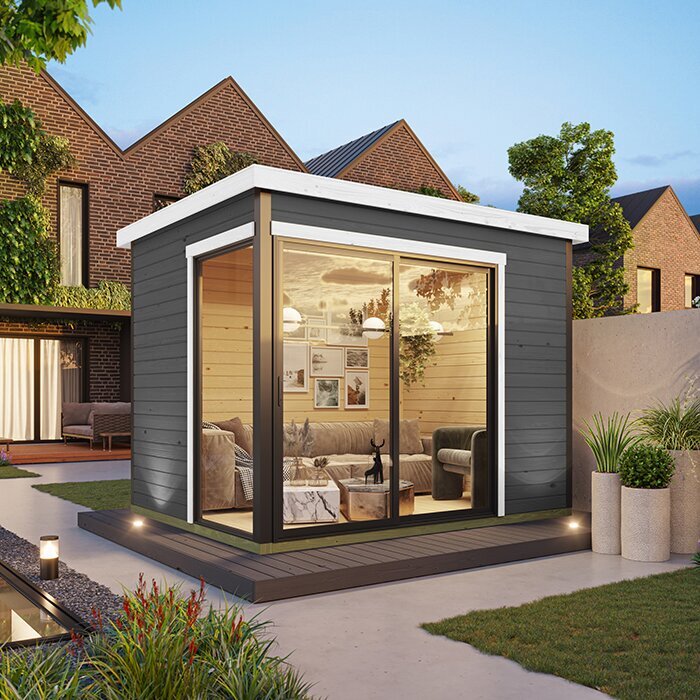
Use markers to represent the proposed corners and entrance, then look from the same viewpoints you use every day. When considering the Orello 1 garden shed, base that test on dimensions confirmed for the exact model rather than the apparent scale in an online image; camera angle and screen size are not reliable ways to judge fit. If the product has openings or other features that affect the view, use only details you have confirmed. This check makes it easier to compare a more private position with one that keeps a better outlook, and to decide which trade-off matters more in your garden.
Match the entrance and openings to the site
A position can look right on a plan but feel awkward if the entrance faces away from the route you normally take. Check how you would approach it from the house, beds, lawn or gate, and whether that route crosses an area you want to keep clear. The entrance direction can also affect privacy and the way the building relates to the garden. If the model has windows or other openings, their position may influence where you want daylight and what you would rather keep out of view. Confirm the actual arrangement for the chosen model instead of assuming every option is oriented the same way.
Before marking out the Modano 1 garden shed, confirm the exact dimensions and entrance or window arrangement from the available product information or with the seller. Mark the full outline using those measurements, then represent any door opening according to its confirmed style and position. If you cannot establish which way an opening faces, ask before you decide on the site. A quick sketch with the building turned in different directions can show how orientation affects the approach, sightlines and sunlight. This is a practical way to compare layouts without relying on a product photograph to show how the model will fit your particular garden.
Before you order 4
Fit the position into the wider garden
Consider how the garden works as a whole, not only the patch where the shed will sit. A position at the end of an existing path may be easy to reach, while one further into the garden could interrupt an open lawn or divide two areas you use together. Think about the route between the house and the shed, and whether you will still be able to reach garden beds, seating or the gate in the usual way. Look from the house as well as from the garden: the building may become part of the view from a main room, even if it is barely noticeable from the proposed site.
Try the possible positions with temporary markers and walk the routes you would actually take. A simple garden plan can help you see whether a location keeps the garden open, creates a useful backdrop or makes an existing area harder to use. If timber garden shed M is one of the options you are comparing, use confirmed exterior measurements and entrance details to test its place in that plan. Do not decide that a model fits the plot from its name alone. Seeing the proposed outline from several viewpoints can reveal an effect that is easy to miss when you consider only sun or privacy.
Check ground conditions and site constraints
A bright, private spot may still be unsuitable if the ground slopes, water collects there or the position conflicts with access, services or existing structures. Check the site before you order, and do not assume a building can be placed on any surface. The base and site requirements depend on the exact product and conditions at your property. If you are uncertain about ground, runoff, service locations or the suitability of a position, ask a qualified site professional rather than trying to resolve it by guesswork. These checks can rule out a candidate location before you have settled on a model.
For the wooden garden shed S or any other option, confirm the exact dimensions and any site, base or assembly guidance relevant to that model with the seller or manufacturer. Consider whether there is a practical route to the position and enough access for the planned work. If boundaries, services, drainage or local requirements could affect the choice, check with the relevant local authority or a qualified professional where appropriate. Keep the answers with your site sketch. Resolving uncertainties early can prevent you from choosing a position for its light or privacy only to find it does not suit the site conditions.
Before you order 5
Compare candidate positions on the same terms
If two or three positions seem possible, compare them using the same criteria rather than relying on which one looks best during a single visit. Note sunlight at the hours you expect to use the area, the amount and timing of shade, important sightlines, the views you want to keep and how easily you can reach the entrance. Take photos from the same viewpoints, with markers showing the proposed outline, and add any questions you still need to answer about the site or model. A short table can make the differences clear without turning the decision into a complicated scoring exercise.
Write down the trade-offs in plain terms: one position may have more afternoon light, another may offer better privacy, and a third may keep the garden route clearer. Decide which conditions are essential and which you can accept as compromises. A simple rating such as suitable, acceptable with a trade-off or unsuitable can help, but a score should not override a problem you have already identified. If a position works only when the building faces a particular way, include that in your comparison. The aim is to choose a location that works for your priorities, not to find a site that is perfect in every respect.
Confirm the details before placing your order
Once you have selected a position, check it against the exact model and variant you intend to order. Confirm the dimensions and what they refer to, the entrance and opening arrangement, any orientation choices, and the relevant site or base guidance. If a measurement or option is unclear, ask the seller what applies to that specific model. Do not assume that a similar product name, a photograph or the outline you marked earlier represents the option you are about to buy. If the model or orientation changes, update your site plan and repeat the checks that depend on its footprint and openings.
Keep a short record of the chosen position, the direction the building will face, the times you observed sunlight, the sightlines you want to manage and any site questions that have been resolved. Note anything still uncertain and seek the appropriate advice before committing. If the garden is shared, make sure the people who use it are comfortable with the location and its effect on routes and views. A considered garden shed position is not necessarily the sunniest or most secluded one; it is the one whose compromises you understand and whose confirmed details suit the way you plan to use the space.
Frequently asked questions
Is a north-facing garden shed position always best in New Zealand?
No. The sun is generally towards the north around solar noon, but the best position depends on when you use the area, the shade from nearby buildings and planting, and the views and privacy you want. Check the actual light at your site rather than relying on direction alone.
How can I tell how much sun a potential site gets?
Look at the spot in the morning, around midday and later in the afternoon, ideally on more than one day. Note when shadows move across it and consider how the sun’s angle changes with the seasons. A simple sketch and timed notes help you compare locations.
Can I position a garden shed in full shade?
You can consider it, but think about how you will use the shed and the nearby space. Shade may suit a place to sit or work, while a darker position may offer less natural light. The position alone does not determine the conditions inside the building.
How do I check whether a garden shed position is private?
Look towards the proposed position from the house, outdoor seating and other places you use, as well as from visible neighbouring windows. Consider where the entrance or any openings would face, and check sightlines from more than one angle.
What should I confirm before ordering a garden shed?
Check the exact model’s dimensions, entrance and opening arrangement, any orientation choices, and guidance about the site and base. If ground conditions, access, services or local requirements are uncertain, ask the seller, a qualified professional or the relevant local authority before committing.
There is rarely one position that offers maximum sun, welcome shade, complete privacy and an unobstructed garden all at once. Decide which qualities matter most for the way you will use the shed, then observe the site, check its sightlines and test the proposed footprint and orientation. Confirm the exact model details and any site requirements before ordering. With those checks made, you can choose a location whose trade-offs make sense for your garden and daily routine.
