
Window and door funding and tax guidance in New Zealand

Guide to planning renovations
Before replacing windows or external doors, investigate funding and tax questions before accepting a quote. What matters is not simply whether a product appears in a programme, but whether the planned work, technical design, contract process and supporting records fit the relevant rules. This is especially important where windows, patio doors, blinds, cladding work, heating or ventilation are being considered together. This guide explains the New Zealand position: grants, community support and tax treatment have separate purposes and conditions. It outlines what to collect before comparing products, which questions to ask qualified professionals, and how to avoid problems caused by ordering too early or keeping unclear invoices.
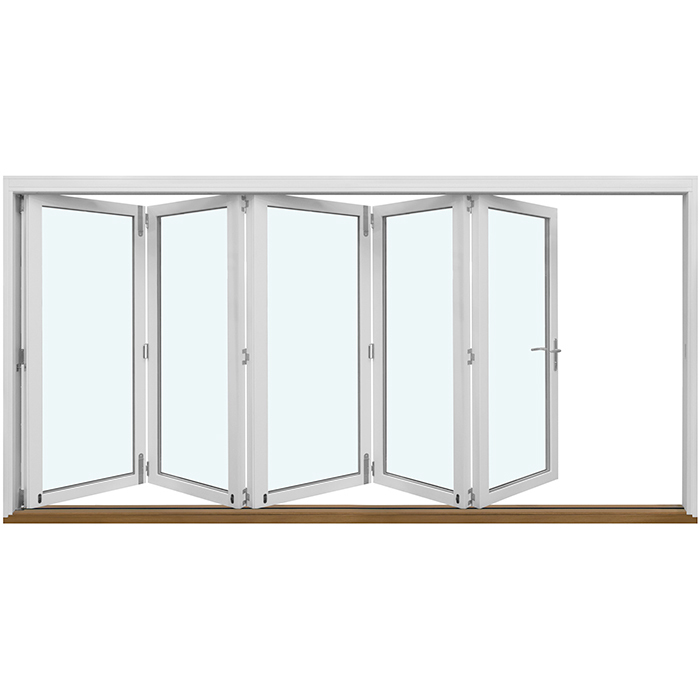
Start with the building elements, not an application form
Funding eligibility is not a substitute for choosing the right product. Begin with a site list: which windows leak air, which are hard to operate, where are draughts noticeable, which external doors are used every day, and which openings serve heated rooms? Add measurements, opening direction, internal and external photographs, and details of each junction. For a run of windows, decide whether all elements should be replaced together or some retained for now. This helps identify whether one approach to appearance, operation and installation makes sense. A single high-performing element does not automatically resolve problems at adjacent older windows or wall connections.
When comparing products, keep stated values and characteristics distinct. The thermal performance of a complete window differs from a glazing-only value. Opening type, divisions, size and frame proportion also affect selection. A Super Low Uw outward-opening passive-house window first describes a particular product configuration; whether it suits your building, reveal and possible energy-design pathway needs project-specific assessment. Ask for every quoted item to be clearly assigned to a room, measurement, opening direction and specification. This allows the designer, installer and supplier to work from the same positions rather than comparing different assumptions.
Support routes and tax treatment are not interchangeable
EECA’s Warmer Kiwi Homes programme currently provides conditional assistance for ceiling and underfloor insulation and, for eligible higher-need households, high-wall heat pumps. It does not list replacement windows, replacement doors or wall insulation as funded measures. Eligibility depends on factors including owner-occupation, the home’s age and relevant card or location criteria. EECA: Warmer Kiwi Homes programme information This information is useful for planning but does not confirm support for a particular address, product or project. Funding is limited and may not be available in some remote locations or islands. Use EECA’s current eligibility information before signing a contract, and have the relevant provider confirm the covered work and process.
Separate community assistance may be available through providers funded under EECA’s Support for Energy Education in Communities programme. Provider services can include draught sealing or window-insulation kits, but this is not a nationwide entitlement or a grant for replacement windows or doors. EECA: Support for Energy Education in Communities For rental property, Inland Revenue distinguishes repairs from capital improvements. Replacing a broken window may generally be a repair, while adding double glazing where none existed is an example of a capital improvement. The result depends on the actual work, income-producing use and any private use. Do not treat a general summary as tax advice or assume an owner-occupied renovation receives a personal tax deduction.
Plan windows, doors and installation together
Define the work as one connected renovation project
Replacing a window rarely means supplying a frame and glass alone. The scope commonly includes measuring, removal, disposal, sealing, fixing, connections to reveals and sills, and possibly work to linings, plaster, cladding or shading. Replacing an old entrance door can also involve the threshold, sidelight, hardware and junction with the floor build-up. Record which services the quote includes and which trades are separately engaged. This makes costs easier to compare and prevents a funding or tax file from showing only part of the actual work.
Consider openings by their function. A fixed element provides light, while an opening element also provides operation and ventilation; a patio door must support the daily route outdoors. For a non-opening area, a fixed-glazed window can be appropriate if the room and ventilation design allow it. Where an existing opening is altered, the project team needs early information about sill height, connections and intended use. Technical advice can then assess how the window, ventilation strategy and building junctions relate in the particular building. Decisions about energy performance or assistance should rest on that coordinated design, not an isolated product name.
Confirm the sequence before quote, contract and work
The timing of a commitment can matter as much as the selected element. Warmer Kiwi Homes has its own eligibility, approval and provider requirements. A community provider may likewise assess the household and available services before work is arranged. Do not assume that applying after ordering will make an otherwise ineligible project eligible. EECA: Warmer Kiwi Homes programme information Before signing, ask which application step, provider approval, quotation and contract arrangement are required for your specific case. Measuring, design, supply and installation may occur at different times; the applicable process should clearly identify them. For window and door replacements, also check whether building consent, resource consent, body-corporate approval or heritage controls are relevant to the planned work.
A decision file is useful before any order is placed. Include site photographs, a room list, a quote with item numbers, technical product information, a draft installation scope, and a note of any support or tax treatment being considered. For an entrance-door project, a single glazed door sidelight should be listed separately with its measurement and installation location rather than disappearing within a general description. Add named responsibilities: who confirms measurements, who checks compliance, and who supplies any required certificate? Date decisions and record document versions so a revised quote is not assessed against obsolete technical information. Bloomcabin windows and doors have an estimated delivery time of 4–6 weeks, subject to order confirmation. This is not a funding deadline and should only enter the project programme once the correct sequence is confirmed.
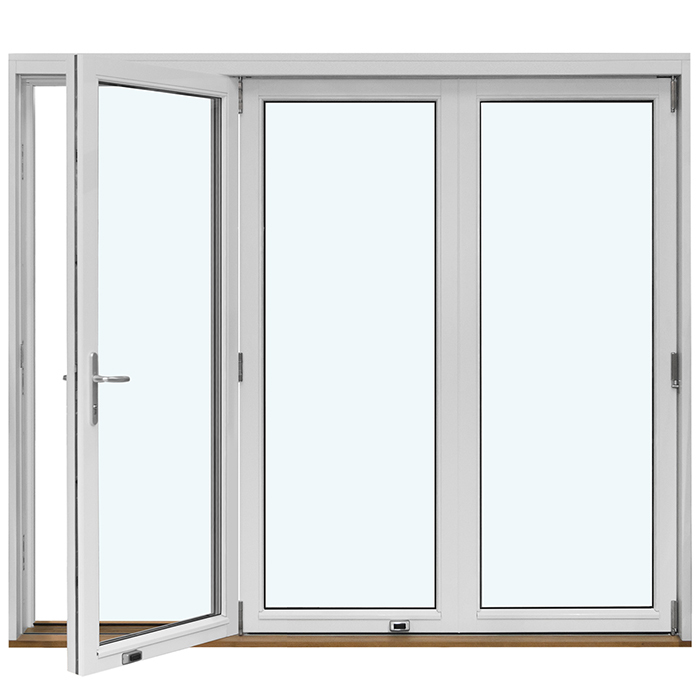
Request technical details that can be compared
A reliable comparison needs more than claims such as “energy efficient” or “triple glazed”. Obtain written technical values for the complete proposed element, its dimensions, opening type and exact specification for every position. Ask which information is needed for the proposed energy, consent or tax assessment, and whether it relates precisely to the quoted version. A value in a general brochure may concern another size, division or configuration. The professional assessing the work should use documents for the element that will actually be installed.
With moving elements, use changes the choice. An inward-opening single patio door is configured differently from an outward-opening door because the required clear space is on a different side. Check furniture, curtains, routes to the patio, potential clashes and drainage within the junction design. A different door type may suit a larger opening, but it still needs its own information about divisions and operation. A credible project assessment is based on a specified solution placed professionally within the overall work, not on a broadly attractive idea.
Treat installation and junctions as energy-performance work
A new window is only one part of an opening in an external wall. Even a carefully selected element may not perform as intended where dimensions, fixing or sealing do not suit the existing building. Discuss wall type, condition and reveal depth, existing sills, shutters or blinds, sun control and the connection to the airtight layer with the installer. Details may become visible only after removal during renovation. Agree how findings will be documented, who authorises additional work, and how changes will be recorded in the quote and project documents.
A window group with large fixed and opening sections shows why installation planning should not follow a standard pattern. A fixed-glazed triangular or angled window requires different geometric coordination from a rectangular casement. The product alone does not establish how it should connect to your roof, gable or façade. Have junctions and structurally or building-physics-relevant issues assessed by appropriately qualified professionals. Also agree which stages will be photographed before joints are covered by plaster, linings or sills. At handover, check operation, visible damage and conformity with the item list. Clear alignment between design, product allocation and completed work makes later records easier to understand.
Plan windows, doors and installation together
Check tax treatment for the relevant ownership and use
Tax treatment is not a general reimbursement for every window replacement. Inland Revenue distinguishes deductible repairs and maintenance for income-earning rental property from capital improvements. A claim also depends on the property’s actual use, ownership and the scope and effect of the work. Inland Revenue: Rental property expenses Inland Revenue also identifies a general limitation on deductions to the extent expenditure is private or domestic. This means owner-occupied, rental, business and mixed-use situations need to be considered separately rather than grouped under one renovation rule. Inland Revenue: private expenditure limitation For a rental home, mixed-use property, business premises or a change in ownership, do not infer your own tax outcome from a general guide. The repair-versus-improvement distinction can depend on the particular building element and the work undertaken.
If tax treatment may influence your decision, do not separate the purchase from the tax assessment. Ask a New Zealand tax adviser about the approach relevant to your case and which records to retain. Check whether invoices, payments and the contractor’s description clearly identify the work. Where several trades are involved, the invoice should show which service belongs to which building element and stage. Avoid one broad bundled line where it leaves the work unclear. Keep quotes, technical evidence and payment records in a project file. Official guidance is not an individual tax determination; do not include a tax benefit in a cost calculation without advice on current rules and your actual use.
Prioritise windows and doors by use, not only quantity
When the budget will not cover every opening, set priorities that can be explained. Do not automatically start with the largest window; consider damage, air leakage, ease of use, exposure to wind and weather, room use and planned follow-on work. A frequently used exit may be more urgent in practical terms than a seldom-opened window. Conversely, completing connected façade areas together may reduce repeated work to junctions, appearance and access equipment. Professional advice can turn competing priorities into a sensible sequence without creating a one-size-fits-all recommendation.
Daily use and the entrance area affect the front-door choice. An outward-opening entrance door with panel is a clearly described product concept, but suitability still depends on clear opening width, swing area, canopy, floor junction and intended use. Note whether a pram, mobility aid, furniture or shopping regularly passes through the door, and whether a sidelight or another format is being considered. If work is staged, document which positions belong to each phase. This helps distinguish a specific funding or tax question from later work and avoids mixing unclear invoice items.
Resolve unusual shapes, heritage views and large openings early
Not every opening can be treated with a standard window. Curves, slopes, historic divisions or unusual formats can significantly affect measuring, detail design and quotations. Do not automatically replicate old sash divisions in a replacement window without discussing daylight, operation and junctions. Equally, a design requirement may matter more than a simple comparison of catalogue images. Prepare elevation drawings for these elements and mark visible bars, opening sashes and fixed lights. The term glazing bar should be precise: decorative bars and bars that divide the glass are different specifications and should be clearly described in the quote.
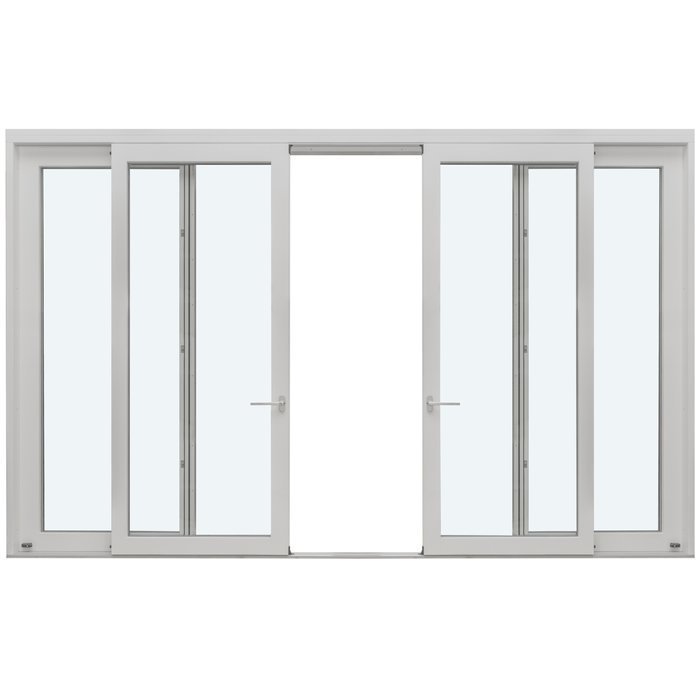
For an existing unusual layout, a fixed-glazed round window can be a starting point for the product enquiry. It does not, however, establish what changes to wall structure, internal linings or exterior cladding will be required. With large glazed areas, folding doors and sliding doors, the operating route, threshold, sun control and transition outside also become important. Address these alongside energy and installation planning rather than adding them after a product choice. Where heritage, design or other approval questions may apply, contact the relevant council or authority early. National consent exemptions do not settle district-plan, heritage, title or body-corporate requirements.
Organise quote, invoice and evidence as one record chain
A useful document chain uses the same item numbers in the enquiry, quote, order, delivery record and invoice. Every position should identify which window or door is installed where. Keep technical documents for the ordered version as well as photographs before, during and after work. For a rental-property tax assessment, invoices, payment evidence and the nature of the work can be important to the repair-versus-improvement analysis. Inland Revenue: Rental property expenses Before work starts, ask the installer what completion information they can provide and when. Missing details discovered later can create considerable clarification work, particularly where consent, compliance or tax treatment must be considered.
For a wide garden opening, a Patio Life lift-and-slide door can be the starting point for planning. Your file still needs more than the product title: location in the building, proposed dimensions, operation, junction details and the related installation item should remain traceable. Before final payment, compare the documents with the order and completed work. Prepare a handover list containing invoices, certificates where applicable, product information, payment evidence, photographs and recorded changes. Identify unfinished work with a clear item description so final documentation does not accidentally show an outdated specification. Bloomcabin provides a 5-year warranty for windows and doors. This commercial warranty is separate from consumer guarantees, funding eligibility and project-specific checks of the completed work.
Frequently asked questions
Is there an automatic grant for new windows in New Zealand?
No national replacement-window grant was established in the reviewed guidance. Warmer Kiwi Homes supports eligible insulation and high-wall heat-pump measures, subject to its conditions. EECA: Warmer Kiwi Homes programme information A product choice or quotation alone does not create entitlement to funding.
Can I claim a tax deduction for the same replacement windows?
Not automatically. For rental property, Inland Revenue distinguishes repairs from capital improvements, and private or domestic expenditure is generally not deductible. Inland Revenue: Rental property expenses Obtain New Zealand tax advice before treating any purchase as deductible.
Can I order before checking available assistance?
That may affect the process. Funding and provider support can have eligibility, assessment and approval requirements before work is arranged. EECA: Warmer Kiwi Homes programme information Check the required sequence with the relevant programme or provider before signing a contract.
Which records should I retain for a tax assessment?
Keep quotes, technical documents, invoices, payment evidence and a clear description of the completed work. Tax advice should address the particular property and use. Inland Revenue: Rental property expenses A tax adviser can assess the individual case.
Are patio doors relevant too?
Yes, as part of the building and installation project, but no general national replacement-door grant was established in the reviewed guidance. EECA: Warmer Kiwi Homes programme information Check the proposed door, installation, property use and applicable requirements before relying on any assistance or tax outcome.
Next step
A sound funding and tax strategy starts with a precise renovation plan: record the building elements, compare windows and doors together with installation, check potential support before commitment, and maintain clear records throughout. New Zealand assistance and tax rules have different purposes and conditions. Do not rely on general product information or overseas summaries for consent requirements, funding eligibility or tax treatment. Ask the appropriate provider, council, building professional and tax adviser to assess your building, intended use and proposed work. Then you can place an order on a clearer, properly documented basis.
Sources
Checked on 9 October 2026
- EECA — Warmer Kiwi Homes programme information — New Zealand national programme
- Inland Revenue — Rental property expenses — New Zealand national guidance
- EECA — Support for Energy Education in Communities — New Zealand provider programme
