
How to check window and door warranties properly
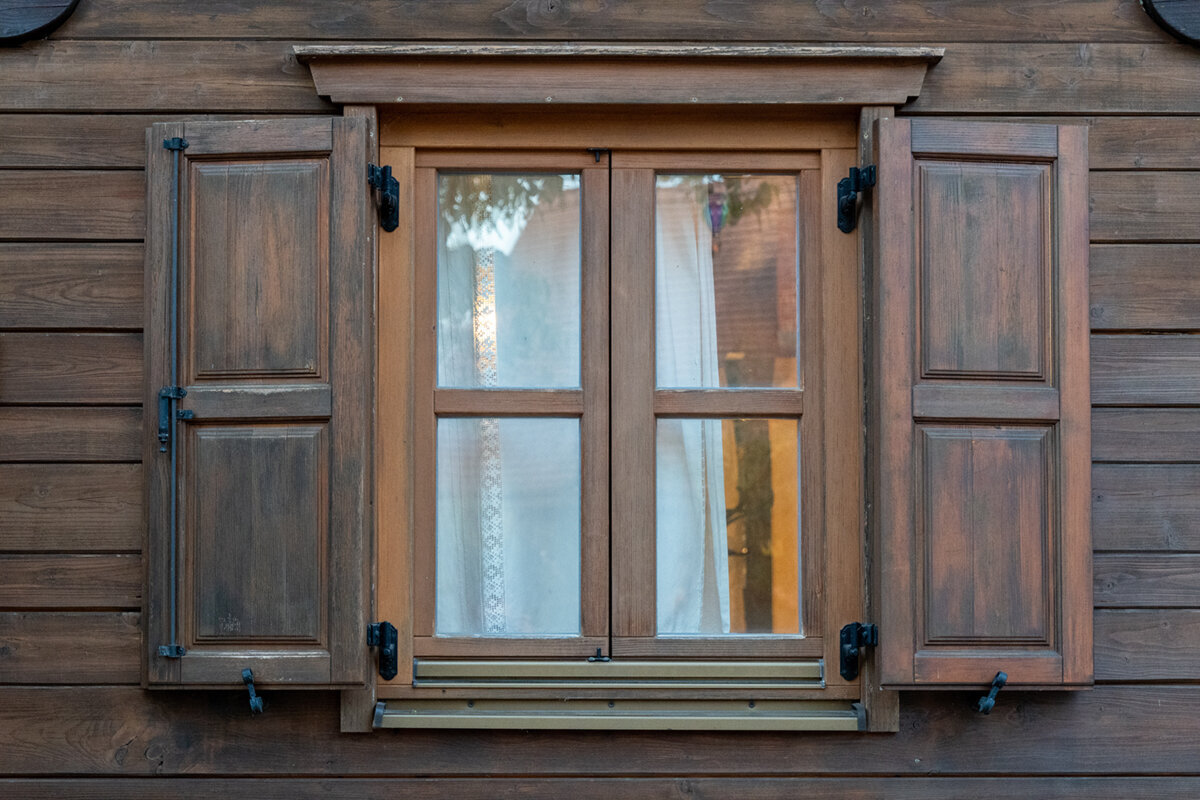
Buying guide to windows and doors
When comparing windows and doors for a new build or replacement, it is easy to focus first on opening style, appearance and glazing. Yet the full order matters for later protection: what specification was agreed, who measures, who installs, which connection details are included, and what documents apply if you make a complaint? A warranty is not a general promise of quality for the entire project. It is a voluntary written commitment with a term, conditions and limits. Statutory consumer guarantees may also apply, depending on the transaction. Separating these layers and recording the interfaces between the product, installation and other trades helps you compare offers and deal with problems methodically.
01 / Compare documents
Separate warranties, statutory rights and goodwill
Warranties and statutory rights are often treated as the same thing, although they serve different purposes. A warranty is an additional voluntary statement from its provider. Its wording determines which features or parts it covers, the conditions for a claim and the remedy offered. Statutory consumer guarantees are separate and arise under applicable law. Whether the arrangement is a product purchase, supply with installation, or a wider building contract affects which documents and responsibilities apply. In New Zealand, Consumer Guarantees Act protections may apply to goods bought online from a business, including some overseas transactions, but the exact transaction should be assessed. “With warranty” is therefore not enough: request the full terms before placing the order and read them with the quote and order confirmation.
Goodwill is different again. It may produce a practical solution, but it is not coverage promised in advance. Do not assume that every later adjustment or cosmetic change will automatically be done free of charge. A simple project file with three sections is useful: product commitment, contract and installation agreement. Record the contact person for each item. For a front door, for example, the supplier may be responsible for the agreed door set while the installer owes a separate service. This distinction can seem formal, but it helps prevent a complaint from being passed between several parties.
Scope matters more than the term
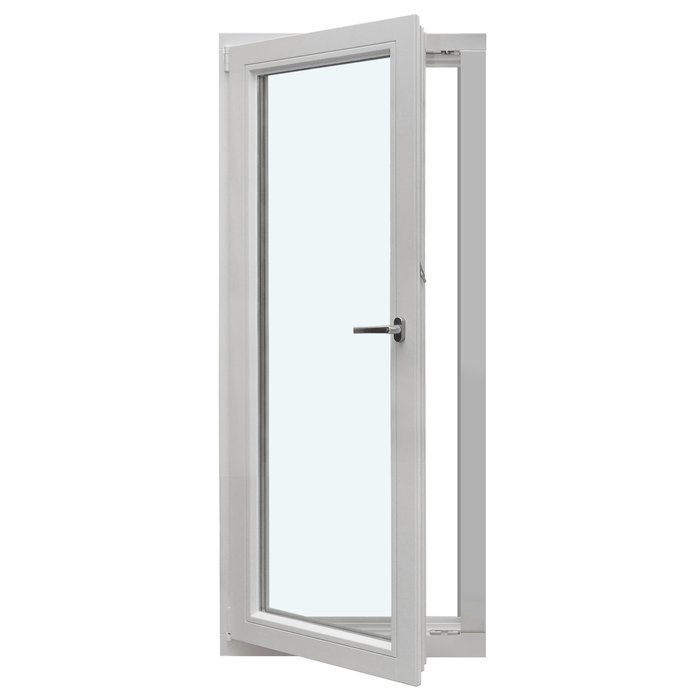
A five-year warranty for windows and doors is only comparable when its subject is described equally clearly. Bloomcabin provides a five-year warranty for windows and doors. Also ask whether the statement covers the complete unit or particular components, and whether hardware, seals, glazing, finish, frame, threshold and accessories are treated differently. Check whether it covers a material or functional defect, or only a stated characteristic. A title such as single-sash inward-opening window describes its configuration, but does not automatically establish every feature later regarded as agreed. Those details must appear in the order documents.
Read the remedy as carefully as the coverage. Some terms provide for repair, replacement of the affected part or another remedy; this does not necessarily create a right to a fully remanufactured unit or work to adjoining building elements. Establish whether the warranty provider carries out the assessment, whether a site visit is planned, and how costs for removal, refitting, access or ancillary work are dealt with. A useful offer comparison therefore includes columns for “warranty document received”, “covered parts” and “remedy available”. It then becomes clear whether two apparently equal terms have the same practical value.
02 / Define the order
Read the order as a reliable product description
A complaint often begins months earlier with an unclear order. The order confirmation should clearly allocate the opening direction, number of sashes, dimensions, frame view, colour or finish, glazing, divisions, handles, hardware and special accessories. For decorative details, distinguish between applied glazing bars and bars that divide the glass. “Without glazing bars” is also relevant if the appearance was discussed before ordering. Drawings, approvals and variations should be kept in the same file with version dates. Confirm verbal commitments promptly by email rather than trying to reconstruct them from memory later.
Special shapes need particular attention. With a fixed-glazed triangular and angled window the position, visible face and relevant reference edges may matter more for ordering and installation than with a standard rectangular format. Record which measurement comes from which drawing and whether the contractor took responsibility for site measurement. Before manufacturing approval, also check interactions with reveals, window sills, shading, internal linings and furniture. The aim is not to design every technical detail yourself. It is to give the engaged professional a verifiable basis so that any later difference between the intended appearance, order and delivered unit can be clearly assessed.
Plan installation and building connections as separate responsibilities
A correctly manufactured unit can still perform poorly in a building if measurement, fixing, sealing, threshold connections or interfaces with adjoining trades do not align. Conversely, not every leak at a building connection is a defect in the window or door. Ask in writing before appointment: who is responsible for measuring? Who installs? What connection work is included? Who supplies and fits sills, seals, external junctions or trims? If an existing structure is opened, clarify who assesses hidden damage and how additional work is approved. These questions belong in project coordination, not only in a defect notice.
With a single-leaf inward-opening patio door the door swing, internal and external floor build-up, drainage and the transition to the patio may need to be considered together. The product name confirms the opening direction, not every building-connection detail. Ask the responsible professional to identify the interfaces in a clear scope of work. Also record which design stage for the threshold, floor levels and adjoining finishes has been approved. If a later trade changes the build-up, check and document whether movement space, access or connection details are affected. Independent professional design can be helpful on larger projects, especially where several trades work at once. A suitably qualified designer or contractor should assess technical and project-specific requirements. Warranty terms replace neither site measurement nor coordinated connection design.
03 / Allocate installation responsibilities
Read exclusions carefully and objectively
Exclusions are not automatically a warning sign; they show what a commitment does not intend to cover. Common boundaries concern normal wear, improper use, lack of maintenance, unauthorised alterations, external damage or consequences of defective building connections. The actual wording always governs. Ask how terms such as “intended use”, “maintenance” or “external influence” are used in the conditions. Unclear wording should be explained before ordering. Do not assume every visible imperfection is a warranty claim, but do not accept a blanket rejection without a clear explanation either.
It is particularly important to ask what may be changed after handover. Added hardware, films, privacy screens, drilling or alterations by others can complicate the cause assessment. Anyone choosing a Patio Life lift-and-slide door should order the desired opening style and, before later additions, check whether they are compatible with the manufacturer’s requirements and installation. The same applies to aggressive cleaning products or unsuitable adjustment tools. Keep care and operating instructions, and pass them to users, tenants or later owners. This does not guarantee acceptance of a claim, but provides a sound basis for avoiding preventable disputes.
Record the start date and key deadlines
The key question is not only how long a warranty lasts, but which event starts it. Does it begin on delivery, invoice, installation, handover or acceptance? Is there a separate rule for replacement or repaired parts? The answer must come from the terms and contract documents. Record the relevant date not only in a calendar app but with the evidence: delivery note, installation record, handover record or invoice. Building stages may have different dates for different elements. One overview prevents the date for a later-installed door being confused with the delivery date of an earlier window.
After the work is complete, create a concise element schedule. It need not be complex: room or façade side, element number, product description, date, document folder and contact person are enough. This is particularly valuable where several units look alike. A fixed-glazed window is described differently in a complaint from an opening sash; the specific element number avoids questions. Add whether delivery, installation and handover occurred on the same or different days. Note where later repair reports or spare-parts records are stored. This keeps clear which event belongs to which position without requiring you to make a legal assessment of a deadline. During the first weeks of use, document only observable points, such as location, date, weather during a noticeable draught, or the operating sequence. A precise timeline supports assessment without prematurely asserting a technical cause.
04 / Document handover
Collect records before anything is disputed
The strongest complaint file is not created only after damage occurs. Keep the quote, order, order confirmation, technical data sheets, drawings, approvals, variation agreements, delivery records, installation and handover records, invoices, warranty terms, and care and operating instructions together. Save digital files with clear names, for example by room and date. Photos taken immediately after installation can document condition if they are stored clearly and not mistaken for a professional assessment. It also matters who gave which instruction, when, or approved work. Individual chat messages should not be the only record of critical agreements.
Doors often bring further records, such as those for handles, sidelights or agreed accessories. If a one-piece glazed door sidelight is ordered with a front door, assign both positions to one entrance element while keeping them identifiable as separate order lines. This means an issue with the door is not accidentally attributed to the sidelight, or vice versa. At handover, check that file names, element numbers and drawing versions genuinely match. A collection of unsorted attachments is less useful in a complaint than a brief contents list. For an apartment or rented property, it should also be clear who keeps originals and receives operating and care instructions. A well-organised file does not improve materials or installation retrospectively, but it shortens the time to an objective assessment and makes communication more robust.
Start a complaint with observable facts
Report an issue promptly in writing to the contractual contact. Start with the observation rather than your theory: which element, where, since when, in what circumstances, and how the behaviour can be reproduced. Attach photos or short videos when they show the point, plus the element number and relevant order documents. For example: “The sash on the study window has not closed fully since 12 March; photos and the order confirmation are attached.” Separate several issues into individual points and state whether operation is only difficult, moisture is visible, or the unit is temporarily not being used. This helps the recipient assess urgency and required records without you claiming a cause. Such a report is more useful than “window faulty” because it prepares the assessment.
Request a response within a reasonable period and retain proof of sending and replies. Do not alter the component yourself unless this is necessary to limit immediate damage or your contact instructs you to do so. Repeated adjustment, dismantling or sealing with unsuitable materials can make the original condition unclear. With a centre-pivot roof window a precise description of the location, operating action and visible point of concern can be more useful than a remote diagnosis. If an inspection takes place, ask for written notes of findings, next steps and responsibilities. This keeps the discussion focused on a solution.
05 / Manage the complaint
Manage inspection, remedial work and records
An inspection is initially a cause assessment, not automatic acceptance of a claim. Prepare by providing access, having the documents ready and showing the reported condition as unchanged as possible. Briefly explain the sequence and allow the professional to make the technical assessment. If the issue appears only under certain conditions, describe them objectively. At the end, ask: what cause is suspected? What still needs checking? What action is proposed? Who will carry it out? When will there be a response? Record not only commitments but also open investigations. This prevents a simple appointment arrangement later appearing to be a complete solution.
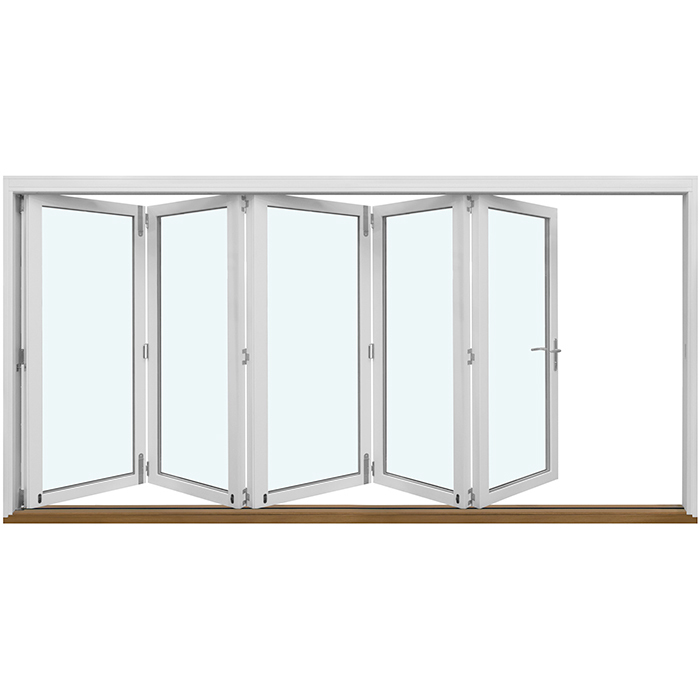
After an adjustment, repair or replacement, check the outcome together promptly and add to the record. Note which element was affected, what work was done and whether an observation period is still needed. For complex opening elements such as outward-opening folding doors it is sensible to have their operation explained again after the work, rather than merely testing whether the system moves once. Successful remedial work can leave follow-up questions about finishes, connections or adjoining elements; identify these separately. Sign a record only to the extent you have actually checked. If a point remains open, have it recorded as open.
Compare offers using a warranty checklist
Before signing, prepare a short written question list: who provides the warranty and who is the contract party? Which windows and doors are precisely included? Which parts, characteristics and cases are included or excluded? When does the term begin? What care and maintenance requirements apply? What evidence is needed for a report? What remedy is offered? How are measurement, installation and connection work allocated? Who receives the first complaint? Ask for answers to be linked to the relevant documents, not just given during a sales conversation. This lets you compare real protection rather than slogans.
Include delivery planning in the overall project. For Bloomcabin windows and doors, delivery takes 4–6 weeks, subject to order confirmation. Coordinate manufacturing approval, site readiness, installation timing and following trades before fixing commitments elsewhere. For an outward-opening front door with panel, clarify access, protection during construction and coordination with internal fit-out with the responsible parties in advance. The product name confirms the stated configuration, not further characteristics. Clear records, a realistic sequence and named contacts provide the best basis for a straightforward assessment if an issue genuinely arises later.
Frequently asked questions
Does a five-year warranty automatically cover every window or door part?
No. The term alone does not state which parts and situations are covered. Check the warranty terms for exact scope, potentially different rules for components, exclusions and the remedy offered. Compare this information with the specific order and order confirmation.
Should I contact the manufacturer, retailer or installer about a complaint?
Start with the contractual contact named in your order or installation agreement. They can coordinate further assessment. The warranty terms may name a warranty provider, but product supply, installation and building connections can involve different responsibilities. Send the report in writing and attach the relevant documents.
Which photos help with a complaint?
Take overview photos that identify the element and close-ups of the issue. Add photos of the element number, room or façade side and, where useful, its operating position. Give photos a date and description. They do not replace a professional cause assessment, but help document the condition before inspection.
May I adjust a stiff sash myself?
First check the operating and care instructions and report the issue in writing. Unauthorised intervention can make cause assessment harder. If a professional instructs or carries out an adjustment, have the work and result documented. Where there is immediate danger or risk of consequential damage, protective action naturally takes priority.
What should a handover record include?
Useful items include the date, project address, identifiable elements, visible findings, open points, agreed remedial work and contact people. Add available records such as operating and care instructions. A record should not broadly confirm that everything is finally defect-free if individual points have not yet been checked or addressed.
Next step
A sound warranty review is part of product selection and construction planning. Ask not only about duration, but also covered parts, exclusions, the start date, evidence and the proposed remedy. Allocate product commitments, the purchase contract, installation and building connections to the responsible parties. A complete order file, clear element numbers and a factual defect report can prevent many misunderstandings. If a technical cause remains unclear, it should be assessed by the responsible professional or another suitably qualified specialist. This turns the term warranty into a specific, checkable part of your project.
