
Wood-Fired or Electric Hot Tub: Which Suits Your Routine?
Outdoor hot tub heating
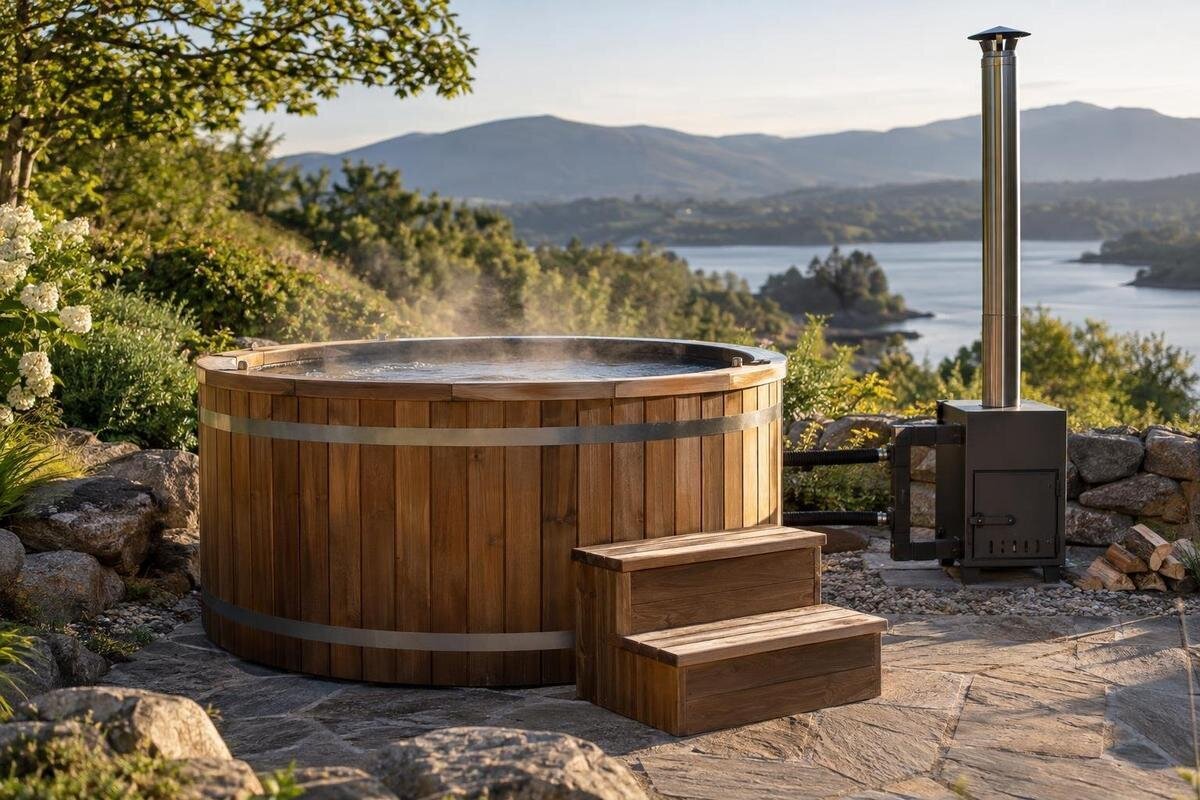
Choosing between a wood-fired and an electric outdoor hot tub is mainly a choice about what you want to do before, during and between soaks. Wood-fired heating brings fuel handling and active fire management into the routine. Electric heating can remove those fire-related tasks, but its convenience depends on the controls and operating settings of the exact model. Neither label guarantees immediate availability or hands-off ownership: both require you to follow the maker's instructions and keep up with routine care. Think about your usual week, not an ideal holiday afternoon, and include the person who will manage the tub. New Zealand weather varies from one site to another, so consider how your routine might change when the area is cold, windy or wet.
01
How often will you use the hot tub?
Before choosing a heating type, describe a normal week: how often you would soak, when those sessions usually fall and how much notice you normally have. Separate an occasional gathering from the pattern you expect most weeks; a rare event should not dictate a routine you will repeat all year. A heater that needs active preparation fits differently from controls that can maintain warmth or schedule heating, if the selected model has those functions. Frequency alone does not decide the issue. Regular use can make preparation feel worthwhile, while an infrequent planned soak may suit a fire-lighting ritual—or make fuel storage and setup feel like extra work.
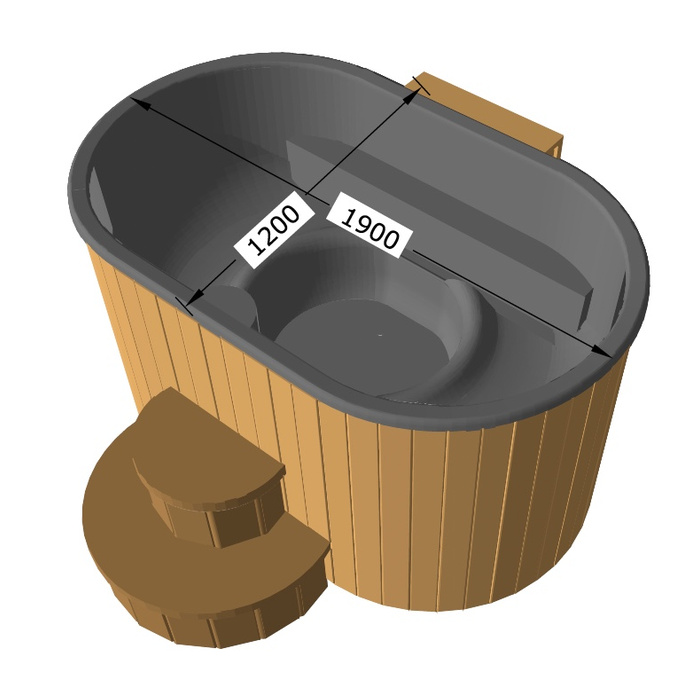
Think about the gap between sessions too. If you hope to soak several times a week, ask what keeping the water warm between visits involves and which settings are available. If you prefer to heat only for a planned session, ask how that cycle works. Water-care tasks remain part of ownership whichever heat source you choose, so include them in your time estimate. A calendar for an ordinary month can reveal the difference between real habits and an idealised holiday routine. Include everyone who will manage the tub. Put Bloomcabin Hot Tub Cove 2 on your comparison sheet as the exact model to check; its name does not establish a heater type.
How much preparation are you happy to do?
With wood-fired heating, the session includes more than turning a control. Someone needs to obtain and store the fuel recommended for the system, prepare and manage the fire in line with its manual, and monitor the heating process. Ask how much active attention is needed, how the process ends, and whether the instructions call for ash removal or other cleaning. The sequence varies with the heater design, so a general description of wood-fired heating is not a substitute for the exact manual. Fuel access matters too: consider whether you can keep the recommended supply on hand and bring it to the tub when needed. If you enjoy this ritual, the hands-on work may be a plus; if not, it can become a barrier.
An electric heater removes the firewood and fire-tending steps, but not the need to learn the controls and follow the operating instructions. Depending on the model, you may choose a target temperature, decide whether to maintain warmth between visits or manage each session another way. Do not equate electric with fully automatic operation, remote control or no supervision; those capabilities are model-specific. Ask what routine checks and upkeep remain, and whether any other part of the hot tub has its own power requirement. When considering Bloomcabin Hot Tub Haven 6, ask which preparation tasks apply to the configuration offered and which need your attention during heating.
02
Will you plan each soak or want it ready?
Wood-fired heating can fit a planned session when the household accepts a preparation window and can make the fire part of the occasion. It may be less convenient if someone expects to decide at the last minute and have warm water immediately. The time needed depends on the unit, conditions and starting state, so a general estimate is no substitute for model-specific information. Ask the retailer how the operating cycle works and what must happen before a soak. Include Bloomcabin Hot Tub Fjord 8 in that discussion only after confirming its available configuration and the preparation it requires.
Electric heating may suit more spontaneous use if the exact system can maintain a chosen temperature or start heating to a schedule you can manage. Some configurations may instead require you to plan ahead, and maintaining warmth between uses is a separate choice with energy implications. Ask whether the controls allow scheduling, what that schedule actually operates and whether keeping the water warm is an option. Then compare the answer with your real routine: an evening soak after work, a set weekend time or an occasional gathering. An electric label alone does not promise immediate availability; confirm the process for the model you are considering.
Which controls matter for your routine?
Controls can make a bigger difference to everyday use than the broad heater label. Look for clear information about temperature settings, scheduling, status indicators and remote functions, where present. Ask what you must do to start, pause or resume heating, and how the system indicates that attention is needed. A timer is useful only if its operation fits your calendar, and an app matters only if it is included and works as you expect. Ask to see the manual before buying; a description such as easy to use does not explain who needs to act, when or how often.
A wood-fired heater still has a process to monitor, and the balance of manual and automatic control varies by design. Ask which parts the owner must check and whether the exact setup has powered controls or other functions; the fire as a heat source does not describe the whole system. For Bloomcabin Hot Tub Aurora 10, first establish which heating option is offered, then ask what controls are available and how they fit your schedule. Imagine another household member following the operating steps: would they understand what each control does and when they need to act? If the process seems too involved to repeat, that matters more than an appealing feature list.
03
How will local weather affect seasonal use?
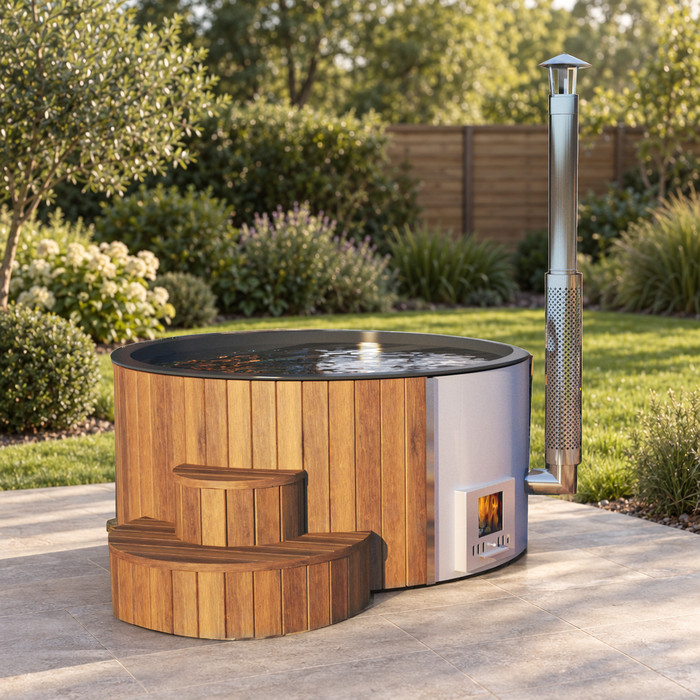
Cooler air and wind can increase heat loss, while rain or cold can make carrying fuel and managing an outdoor fire less appealing. The effect at your place depends on exposure, any shelter, how the tub is covered when idle and how often you use it; conditions are not uniform across New Zealand. Think about winter as well as the warmest weeks. If you expect regular cold-season soaks, ask for model-specific guidance on performance and operating conditions rather than extrapolating from summer use. A suitable cover can limit heat loss while the tub is idle, but do not assume one is included; check the current product information and instructions. Keep seasonal questions tied to the Cove 2 listing rather than applying generic performance claims.
Imagine the least convenient session, not just a still evening in good weather. Is the tub practical to reach when it is raining? Would you still want to tend a fire, or would a control-based routine be preferable? Does your household tend to use the space in the same way through the cooler months? These answers may tilt the decision without making one heating type universally better. If winter use matters, check how the system is intended to operate in cold conditions and what its manual requires during longer gaps. Treat local wind and exposure as part of your routine, rather than assuming a whole region has one set of conditions.
What should you confirm for each model?
Before deciding which heating routine suits you, establish what each product can actually be ordered with. Check the current product information, selected options and manual for the heating type, whether alternatives exist, and what is included. Do not infer a heater from a name, model number, photograph or the fact that a retailer sells other wood-fired or electric tubs. Ask for confirmation of the exact configuration if the listing is unclear. A general statement about a product range may not describe the unit you plan to buy, so keep questions and answers specific to the model and options under consideration.
Ask the same questions about every candidate: what is the heating source; what does the owner do to operate it; what controls are available; what power or fuel does that setup require; and what care does the manual specify? Request model-specific performance information and ask what conditions affect it rather than relying on a broad promise. Keep the answers beside the Haven 6 product listing so they stay tied to the exact product. Separate confirmed features from unanswered questions on your comparison sheet, particularly where an optional feature would determine whether the tub suits your routine.
04
Who will manage the hot tub?
Choose for the person who will operate the hot tub, not only the person who enjoys choosing it. Wood-fired heating means someone needs to manage fuel and the fire as part of the heating process, following the manufacturer's instructions. Decide who can prepare it, who will monitor it and how other regular users will learn the routine. If only one person wants to do the work, consider whether that will still be acceptable when plans change or that person is away. When reviewing the Fjord 8 product page, discuss how the operating routine would fit the availability of the people who will manage it.
Electric heating can reduce fire tending, but someone still needs to understand the controls, carry out the owner's checks and arrange any upkeep the manual calls for. In a shared household, see whether the instructions are clear enough for each regular user and whether the controls are straightforward to hand over. If guests or occasional users will be involved, base operating arrangements on the manufacturer's guidance rather than informal assumptions. A choice that suits one keen operator may be awkward if someone else is expected to prepare the tub alone. Consider who is available on an ordinary weekday, not just when everyone is home.
What do fuel and power arrangements mean day to day?
Routine includes what happens before and after a soak, not only how heat is made. With wood, consider how the recommended fuel will be obtained and stored, and whether you are willing to bring it to the tub when the weather is poor. With electric, confirm that the required supply is available for the model and understand how it fits your household's power arrangements. Do not assume a wood-fired model needs no electricity, or that an electric model can use any outlet. Check the exact requirements and have technical electrical questions assessed by a qualified electrician. These are practical checks, not grounds to assume one option is cheaper.
Fuel and electricity costs are different variables, not a reliable shortcut to a winner. If budget matters, use current local firewood and power prices, your likely soak pattern, heat retention and how you expect to operate the tub; make your assumptions explicit. The aim here is not a detailed cost forecast, but to notice whether the fuel supply or power arrangements are convenient for your household. When comparing the Aurora 10 listing with other options, use its confirmed heater and operating requirements. Keep the same expected pattern of use across the comparison so that you are weighing options for the routine you actually want.
05
What happens between sessions and during longer breaks?
Think through the weeks when the hot tub is not in use. Heating choice does not remove water-care or equipment-care tasks; the manufacturer's instructions should explain what to do during ordinary gaps, longer absences and any seasonal shutdown or restart that applies. Ask what maintaining a chosen temperature between visits involves, if the model supports it, and what to do when you do not want to maintain heat. A wood-fired routine and an electric routine may have different steps, but the exact instructions belong to each system. If you travel often or use the tub only seasonally, this question can outweigh a small difference in preparation for one evening.
Consider whether your plans change through the year: a busy household may use the tub more in one season, while a quieter period can leave it idle. Choose a system whose manufacturer-supported approach to those gaps seems manageable, rather than assuming it can simply be left in a particular state. Ask about restart, cleaning and service routines, and who will handle them. This is a routine question, not an installation guide: the useful answer is what you will need to remember and repeat. A clear manual and realistic care schedule help show whether an appealing option will remain practical beyond its first few uses.
Compare the options against your usual week
To settle the comparison, write a short profile of your ordinary use: how often you expect to soak, how much notice you normally have, who prepares the tub and whether you want the heater to maintain warmth between visits. Add the least convenient weather in which you expect to use it and any periods when nobody will be home. Then put the verified operating steps and controls beside that profile. This makes the comparison about tasks you will actually perform, rather than one feature or a generic claim that a heating type is more convenient.
Wood-fired may be the more satisfying fit when fuel handling and active preparation are acceptable parts of the experience. Electric may suit you when avoiding those fire-related tasks matters and the selected model's controls fit your schedule. Either can be a poor fit if its requirements conflict with your site, access or household habits. Give the most weight to the demands you will face regularly: a task you enjoy on a quiet weekend may feel different after work. The choice is stronger when its regular demands still feel manageable on an ordinary week.
Frequently asked questions
Is an electric hot tub always easier to use?
Not automatically. Electric heating can reduce the work of fuelling and tending a fire, but the model may still require planning, settings, checks and water care. Find out whether it can maintain a chosen temperature or schedule heating, and how those functions operate. Convenience depends on those details and your routine, not the energy source alone.
Does wood-fired heating cost less to run?
There is no universal answer from the heater type alone. Compare the current cost and availability of the recommended firewood with your electricity tariff, then account for how often you use the tub and how you manage warmth between sessions. Weather and heat loss matter too. Use your own assumptions; a lower fuel price alone does not establish lower overall costs.
Can I schedule an electric hot tub to be ready for a set time?
Only if the selected model has controls that support the schedule or temperature setting you want. A timer may not work in the way you expect, and maintaining warmth between sessions differs from scheduling a heating cycle. Check the manual for the exact functions and ask the retailer to explain them for the configuration you are considering.
Does a wood-fired model need electricity as well?
Not necessarily, but wood-fired describes the heat source, not every part of the system. The exact model may have other components with their own power or operating requirements. Ask for the requirements of the complete configuration, and have electrical questions assessed by a suitably qualified professional. Do not assume the fire makes the whole setup independent of mains power.
Which heating option suits winter use in New Zealand?
Neither is automatically best. In cold or wet weather, handling fuel outdoors may be less appealing; electric use can also depend on how much warmth you want to maintain and what the model is designed to do. Consider local exposure, access and how often you expect to soak, then check the manufacturer's cold-weather guidance. Conditions vary by site, not just by region.
The better fit is the one whose preparation, controls and between-session care you can sustain. A wood-fired routine can make sense when the work around the fire is part of the enjoyment; electric can suit a household that wants fewer fire-related steps, provided the selected controls really support its schedule. Compare your usual weekday, a cooler-season session and a week away, not just the first soak. That keeps the decision about day-to-day fit rather than an unsupported claim that one heating type is best.
