
Black Friday Shopping: Choosing the Right Freestanding Pergola Size
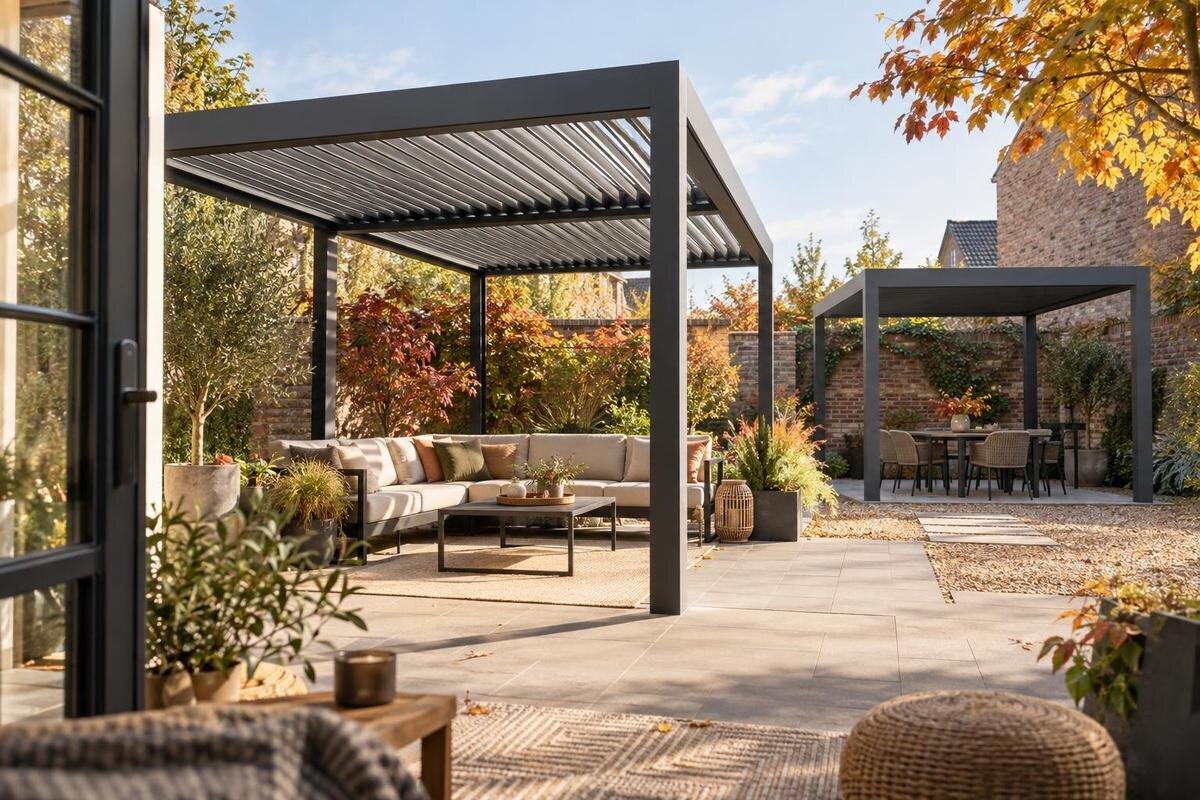
BLACK FRIDAY BUYING GUIDE
If you're planning to buy a freestanding pergola on Black Friday, it can be tempting to choose quickly based on a listed size or promotion. But a discount, if one is offered, does not tell you whether the structure fits your patio. Work from your space outward: define the planned use, measure the usable area, sketch furniture and access, then compare that drawing with the listed dimensions. Confirm that the product is actually freestanding and compare like-for-like configurations before looking at the final price. No offer terms are supplied here, so use the event as a reason to review listings carefully, not as proof of a discount or deadline.

01
Choose the activities before choosing a size
Before looking at dimensions, decide what the freestanding pergola needs to accommodate in ordinary use. A dining setup includes the table, every chair, and room to pull chairs back; a lounge arrangement may need seats, a side table, and a route between them. Note how many people typically use the space, which furniture needs to remain there, and whether you want one defined zone or more than one. If you are furnishing from scratch, list the pieces you expect to use rather than relying on a general room label. A generous patio can still feel cramped when the layout leaves no comfortable passage.
Separate everyday needs from occasional wishes. If you expect the pergola to cover dining and lounging, sketch both arrangements and see whether one footprint accommodates them without constant rearranging. If it does not, prioritize the activity you expect to use most instead of buying for an unlikely scenario. During Black Friday browsing, set that target before comparing listings. For example, a pergola product listing belongs on a shortlist only after its product information confirms the installation format and gives dimensions you can test against your plan; its name or image cannot answer those questions.
Measure the usable area, not just the patio
Measure the clear ground area where the posts could go, not the whole patio or lawn by eye. Record the longest usable width and depth, then measure again at the opposite ends if the space narrows or is not square. Note edges, steps, raised beds, drain covers, tree trunks, and fixed objects that cannot move. Sketch the boundary with dimensions and mark the side people use to enter. Use the same units throughout. A tape measure and a chalk or string outline turn an estimate into a footprint you can check outdoors before ordering, and make square and rectangular options easier to compare.
Keep usable area distinct from the property's total area: a path, door opening, outdoor equipment, or existing furniture may take up space even though it is not part of the pergola's post footprint. Mark which objects can move and which must stay, then draw a realistic rectangle inside the boundary rather than using the maximum patio measurement. Compare that drawing with the product's exterior width and depth once you know how those figures are defined. The linked pergola page can be tested against a sketch like this, but do not assume its title or photograph supplies a missing dimension. If the listing leaves that unclear, seek the dimensioned plan before treating the size as confirmed.
02
Fit the furniture into the plan
Measure the furniture you already own before choosing the footprint. Include the full table or seat dimensions, then show chairs in their normal positions rather than drawing only the tabletop. For dining, pull each chair back as it would be used and mark the remaining distance to the next obstruction. For a lounge group, include side tables and the route between seats. If you plan to buy furniture later, use the dimensions of a specific candidate set instead of a label such as “six-seat dining set”; pieces with the same label can occupy different amounts of space. Include accessories if they affect how you arrange the furniture.
Make the plan to scale—for example, one grid square can represent a fixed number of inches—and cut paper rectangles for the furniture. Move them until entrances and the spaces people use stay open. Avoid an exact edge-to-edge fit: measuring and placing furniture are rarely perfect, so allow a practical margin based on your actual layout. Once the arrangement works on paper, compare it with this product detail page only after confirming the documented footprint and support locations. If those details are not available, ask for them. A frame can fit the outside boundary yet leave too little clear area between supports for your plan.
Check what the listed dimensions mean
Size can refer to more than one point on a product page. Width and depth may describe the outer frame, roof outline, or another reference; the clear opening between posts can be smaller. Height may refer to the highest point rather than the usable space beneath a beam. Look for a dimensioned drawing, a note defining each measurement, and the positions of the supports. If any details are missing or ambiguous, ask the seller for a plan before comparing the model with your patio sketch. Do not convert a photograph into inches or assume two listings use the same measurement convention.
Separate the exterior footprint from the interior area where furniture can sit, and distinguish both from any roof projection or overhang if shown. These figures answer different questions: outside dimensions help reserve ground space, while clear dimensions help test furniture placement and movement. Check the units and make sure the selected size—not a neighboring variant—is the one described in the drawing. When reviewing another pergola listing, use its stated measurements only after checking what the numbers refer to; product pages may define dimensions differently. If there is no clear plan, ask for one rather than estimating from a thumbnail or lifestyle image.
03
Match the shape to your patio
Two pergolas with similar floor areas can suit a patio very differently. A nearly square footprint may fit a compact conversation group; a long rectangle may align better with a dining table or narrow deck. Compare width and depth separately instead of relying on square footage alone. Sketch the intended orientation on your site plan, then check whether the longer side can run along the house, fence, or open edge without blocking access or squeezing a useful walkway. The useful proportion is the one that matches the site and planned arrangement, not automatically the shape with more area. On an irregular patio, pay attention to where the rectangle's corners would land.
Use your furniture plan, not a listing photo, to choose direction. A table placed lengthwise may need a longer axis plus clearance at both ends; a seating group might need more width instead. If the site has a corner, angled edge, or fixed feature, confirm that a regular rectangle still fits at the proposed support locations. Place the outline on graph paper or mark it full-size outdoors, and compare the same measurement points across each size. A separate product page belongs in the comparison only if its documented dimensions and freestanding arrangement match the way you plan to use the area.
Allow for access and nearby obstacles
Furniture is only one part of the clearance around a freestanding structure. Mark the route from the home to the pergola, the path to a gate, and access to steps or outdoor equipment. Include door swings, sliding-door openings, storage access, and places where people need to pass each other. A footprint that stays within the patio boundary can still block a route that matters every day. Trace these paths on the plan and keep them distinct from the seating zone, so adding a pergola does not force people through the furniture arrangement. If a route needs to remain open while the patio is in use, test it in that everyday layout.
Look above and around the footprint as well as at ground level. Low branches, eaves, lights, vents, gutters, or other fixed features may affect placement or assembly; which ones matter depends on the particular site and design. An advertised width and depth do not necessarily answer a clearance question. Check the exact model's documentation and ask the seller about missing information. If a site-specific issue cannot be resolved from the product material, consult a qualified local professional rather than assuming it will work. This pergola listing should be evaluated against your site sketch; a product page cannot replace those checks.
04
Confirm the freestanding design and site fit
Keep installation type separate from size. A freestanding pergola is planned around its own support locations; a design intended to connect to another structure depends on that connection. Those formats are not interchangeable just because the width and depth look similar. Confirm that the exact model and selected configuration are identified as freestanding in the product information. Then compare the support layout with your measured space, including room for access around the supports. If the listing does not make the installation type clear, ask before using its dimensions in a like-for-like comparison. A product image by itself is not proof that a frame can stand independently.
Measurements alone cannot answer every site question. An uneven surface, underground services, or local placement requirements may affect whether a location is appropriate, and the answer depends on the property and product. Avoid guessing about a base, anchoring, or site suitability from a size chart. Read any installation information supplied with the exact model, and involve an appropriate qualified professional or local authority if a site-specific issue needs assessment. For any candidate, including one more pergola listing, verify the stated configuration rather than assuming a generic product name means freestanding.
Separate frame dimensions from overhead coverage
Do not equate the outside frame size with the exact area that will feel usable or shaded. Posts and beams occupy part of the footprint, while the overhead design and sunlight direction affect the experience underneath. A pergola may not provide the same kind of cover as a fully enclosed roof, so check what the specific design includes rather than assuming every point inside its dimensions is protected. For sizing, focus first on the space between supports and furniture clearance. Treat shade or overhead coverage as a separate question, and look for documentation that defines it instead of using exterior measurements as a substitute.
If shade is a major reason for buying, look for an overhead plan or clear product description of the area it is intended to cover, and consider the sun direction during the hours you expect to use the patio. A footprint measurement alone cannot establish shade at a particular time, and product photos may not show conditions at your site. Keep those questions separate when comparing sizes so a larger frame is not assumed to meet a coverage goal automatically. The other product page can be reviewed with the rest, but use only verified dimensions and cover details—not the name or image—to judge the fit.
05
Compare Black Friday offers like for like
Black Friday timing does not change the measurements you need, and no specific offer terms are established here. Treat a price badge, countdown, or headline discount as a reason to inspect the listing, not as proof that a particular size is right or that every configuration has the same price. Compare the exact model, selected size, included components, and seller terms. A listing may show variants or bundles, so record which option you are evaluating before calculating a total or comparing it with another offer. If the selected size changes, repeat the dimension check as well as the price check.
Compare the total you would actually pay only after checking the details that affect an order, including any displayed shipping or delivery charges, taxes where shown, package contents, and stated return conditions. If a reference price or promotion appears, read its terms and confirm that it applies to the exact size and configuration; do not assume the smallest and largest options carry the same offer. Check whether the listing explains assembly information, warranty terms, and what to do if the delivered option differs from the one ordered. If important information is absent, ask before committing rather than filling gaps with an event slogan.
Review the details before ordering
Before placing an order, make a final drawing with the confirmed outside footprint, support locations, furniture, routes, and fixed obstacles. Re-measure the site and verify that the variant in your cart matches the dimensions you used; option names and images can be easy to confuse when several sizes appear on one page. Check how measurements are defined, what the product information says about installation type, and whether the assembly documents answer practical questions about access to the setup area. Keep a note or copy of the listing details you relied on, so you can compare the configuration received with the one you chose.
If a dimension, freestanding designation, or site requirement remains unclear, pause and ask the seller or a qualified professional who can assess that specific question. There is little value in rushing a size decision because of a shopping event: a confirmed footprint and a layout that works for daily use matter more than an assumed discount. Choose the option whose verified dimensions accommodate your planned furniture, keep necessary routes open, and fit the area you can actually use. That turns Black Friday browsing into a measured, like-for-like comparison and an order whose terms you understand.
Frequently asked questions
How do I know what pergola size will fit my patio?
Measure the usable ground area, mark where the posts could go, and draw your furniture at its actual dimensions with room for chairs and walkways. Compare the plan with the product’s confirmed outside measurements and clear space between supports. Choose a size that fits both the site and the way you expect to use it, rather than relying on patio area alone.
Should I choose a larger pergola to allow for more seating?
Only if your regular layout needs the extra room and the site can accommodate the larger footprint. Draw the furniture, chair space, and paths first, then compare sizes. Extra area is not useful if it blocks a route or places a support where it interferes with your layout.
Are the dimensions in a product title enough to compare sizes?
No. Confirm what the listed width, depth, and height refer to, whether they describe the outside or the clear opening, where the supports sit, and which variant the measurements apply to. A dimensioned drawing or seller clarification is more reliable than estimating from a photograph.
Can I compare a freestanding and wall-mounted pergola by price and dimensions?
Not as a direct comparison. Confirm that each listing identifies a freestanding design, then compare dimensions using the same definitions. A design intended to connect to another structure may depend on a different placement arrangement, so a similar footprint or price does not make the options equivalent.
Does Black Friday mean a pergola size will be cheaper?
No specific Black Friday price or promotion is established here. Compare the exact size, configuration, package contents, displayed charges, and offer terms. Verify that any advertised price applies to the option you intend to order, rather than assuming every size has the same offer.
A well-sized freestanding pergola is not simply the largest frame that fits inside a boundary. Its documented footprint needs to work with the support locations, the furniture you plan to use, and the paths that keep the patio practical. Bringing those checks into Black Friday comparisons helps distinguish a suitable size from a listing that only looks promising.
