
Buying a Pergola on Black Friday for Installation Next Spring

BLACK FRIDAY PERGOLA BUYING GUIDE
Buying a pergola on Black Friday for installation next spring is a timing decision as much as a product choice. The right option has to fit a measured outdoor space, suit the look and upkeep you want, and work with site preparation and an installation window that may still be months away. Compare the product details and order terms that are actually stated; a seasonal label or attractive photo cannot answer questions about fit, included items, or timing. Use this guide to decide what to settle before you pay and what to coordinate before spring.

What Black Friday can and cannot tell you about a pergola purchase
Black Friday is a shopping window, not proof that a particular pergola is discounted or available on favorable terms. An event label alone does not establish an item’s prior price, offer duration, availability, or purchase conditions. Compare the exact product or configuration shown, read any stated exclusions and dates, and note whether the displayed amount includes everything you intend to order. A styled photo may show items that are not part of the purchase. If you are comparing offers, save the stated terms for each and check that they describe the same configuration. This gives you a fairer comparison without assuming a saving.
Buying early can leave time to clarify design and site questions, but it cannot guarantee a spring installation. Before placing an order, decide which uncertainties could change your choice: whether the footprint fits, what the structure is made of, how the site must be prepared, and when the seller and installer can act. Resolve product and site questions before treating a seasonal offer as a reason to buy. If a promotion has a deadline, it does not make an unanswered scheduling or product question less important. Buying now makes sense when the product, terms, and project plan work together; postponing is reasonable when a critical detail remains unknown.
Work backward from your spring installation window
Choose a realistic installation window before setting an order date. Timing depends on the product’s stated fulfillment estimate, the installer’s schedule, site readiness, and outdoor conditions where you live; no generic calendar fits every project. Ask the seller for the current expected fulfillment window and ask the installer when the product and site would need to be ready. Record what each estimate describes and whether a site review is needed before scheduling. Add the Bloomcabin pergola page to a planning sheet only after noting the exact item name and any timing information it actually states. The page itself is not a confirmed delivery or installation appointment.
Work backward from that window through the choices that take time: measuring, selecting a design, confirming site requirements, and arranging installation. Leave space between an estimated arrival and the proposed work date instead of making two unconfirmed dates depend on each other. Ask whether a date refers to order processing, shipment, arrival, or installation; those are different milestones. If an installer has a limited spring calendar, share your likely product and timing early, then confirm the booking when the seller’s estimate is clearer. Keep the answers in writing and set a reminder to revisit any estimate that may change. If you cannot confirm enough to plan, consider waiting or choosing a later installation window.
Measure the space before choosing a size
Measure the whole area you want the pergola to occupy, not just the patio’s overall width and depth. On a sketch, mark the proposed outside footprint, doors, windows, steps, paths, and the seating or dining arrangement you plan to use. Allow for people moving through and for chairs or other furniture to be pulled out. Note overhead features such as eaves or branches that may affect placement, and include door swings if they open into the area. Once the plan is measured, compare it with any dimensions explicitly provided for this pergola listing. Do not estimate size from a product photo or the proportions of objects shown in it.
Check what each published measurement means. Overall width and depth, post positions, and clear usable space are not interchangeable, so ask the seller to clarify a figure if the listing does not define it. Confirm any height that matters for your planned use and review the footprint against the paths and openings you rely on. Avoid solving a tight fit by putting a post beside a doorway or narrowing a regular route. If an installer is involved, send the sketch and ask them to confirm the layout before you commit. Use the same location and furniture arrangement when comparing options, rather than judging one on site and another only in a photograph.
Choose a style that suits the house and the way you use the yard
Choose the style around what you want the outdoor area to do: frame a dining table, define a seating spot, or create a visual transition between the house and yard. Decide how open or covered you want the overhead design to feel, using the product’s documented description rather than assuming that shade, rain protection, and enclosure are equivalent. Compare the frame outline, post arrangement, roof appearance, and available finishes where those details are provided. Use another pergola product page to compare only the design information it actually states or shows. Images can help you judge appearance, but they do not establish dimensions, materials, or package contents.
Consider the view from indoors as well as from the seating area. A structure can change how a window, doorway, or garden view feels, and its position may affect how people move between the house and yard. The sun’s angle changes through the year, so think about when you expect to use the space instead of assuming one arrangement provides the same shade all day or in every season. If possible, observe the proposed location at the times you plan to use it. If the design is intended to sit beside or attach to a building, confirm the required arrangement for that product with the seller and installer. Keep appearance, coverage, and site compatibility as separate questions.
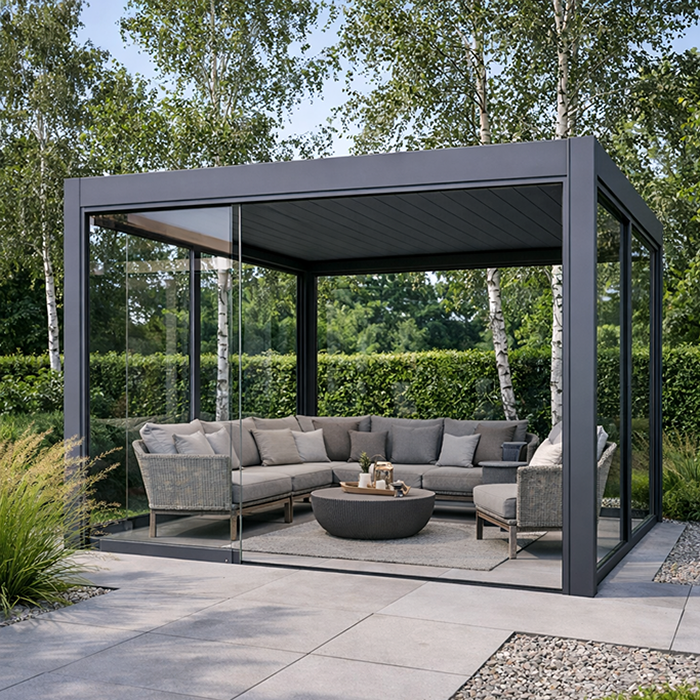
Compare materials and care instructions
Do not infer a pergola’s material or finish from a photograph, color name, or broad product label. Look for an explicit description of the main material, surface treatment, and care instructions for the exact item. When reviewing the product page, record only what it says and ask about anything you need to compare it with another option. Two frames that look similar may call for different care, and a finish name by itself does not explain how to maintain it. Use the manufacturer’s guidance for cleaning, touch-ups, and seasonal care rather than applying a generic rule based on appearance.
Compare upkeep as well as first impressions. Ask what cleaning methods are recommended, whether the finish needs periodic attention, and what the manufacturer advises for conditions in your area. Materials differ in appearance and care, but a material name alone does not establish how a specific pergola will age at your site. If maintenance would affect your choice, get the guidance before deciding that one option offers better value. You can also ask whether replacement parts or finish information are available for later maintenance, without assuming any particular part is included or stocked. These answers help you understand ownership without ranking one material universally above another.
Compare what is included and the full order cost
Compare equivalent orders rather than the largest price figure on a page. Confirm the exact product or configuration, quantity, and components included; a styled photo may show items not included in the purchase. Check stated taxes, shipping or handling charges, and exclusions before judging the total. Put the listing beside other options and record only amounts and inclusions that are explicitly stated. If a component is sold separately, ask the seller to confirm that it suits the intended configuration and include its cost only when that amount is clear. Do not treat a crossed-out reference price or short promotion label as proof of value unless the comparison and its conditions are clear.
Read the policies that affect your flexibility as part of the comparison. Review the seller’s stated cancellation and return terms, any exclusions, and any deadlines for reporting an order problem. If a warranty is offered, read its scope and conditions rather than relying on the word alone. Do not assume a seasonal purchase can be returned under the same conditions as another product, or that arrival can be rescheduled without charge. If you collect quotes from multiple sellers, compare the same configuration and include the same stated charges in each total. Save the terms you relied on so you can check that the final order matches them.
Check the site before committing
Before paying, make a basic site record: proposed location, surface type, noticeable changes in slope, drainage patterns, and nearby obstacles. This is a useful starting point for the seller or installer, not a mounting plan. Ask what base, anchoring, and site conditions the exact pergola requires; do not assume a lawn, deck, or existing patio is suitable because another structure fits there. For this listed pergola, use the product information to identify questions, not to guess how it must be secured. A qualified installer or relevant professional should assess site-specific requirements before you commit to work that depends on them.
Planning site preparation in advance can prevent a late discovery, but do not excavate, alter a surface, or buy materials based on assumptions. Confirm what should be prepared, who is responsible, and whether the proposed location needs review for utilities or other site features before ground work. If the site is shared, managed, or close to a property boundary, ask the responsible property manager or local authority about any applicable requirements rather than relying on a general product page. Keep planning at a high level until the exact product and installer requirements are known. Specific support and attachment decisions should come from the manufacturer and qualified professionals.
Coordinate the installer with the order
Decide who will handle installation before setting the order date. A professional installer can tell you whether they work with the exact product, what information they need, and how far ahead they schedule. If you plan to assemble it yourself, review the manufacturer’s instructions and make an honest assessment of the available time, experience, and help; a product photo cannot show the work involved. If you are considering a candidate pergola listing, send its exact product information to the person who will install it and request a written scope. Confirm whether site preparation, assembly, and finishing are part of one agreement or separate responsibilities.
Coordinate the installer’s proposed window with the seller’s estimated order timing and your own availability. Ask when the product needs to be on site, when the installer would inspect the location, and what might move the date. Do not equate an estimated fulfillment period with a confirmed installation booking. If the project can happen only in a limited spring window, discuss an alternative before checkout. Ask how a delay or an unready site would affect the booking, and put the arrangement in the quote or contract. This conversation may reveal a conflict while there is still time to adjust the plan or purchase date.
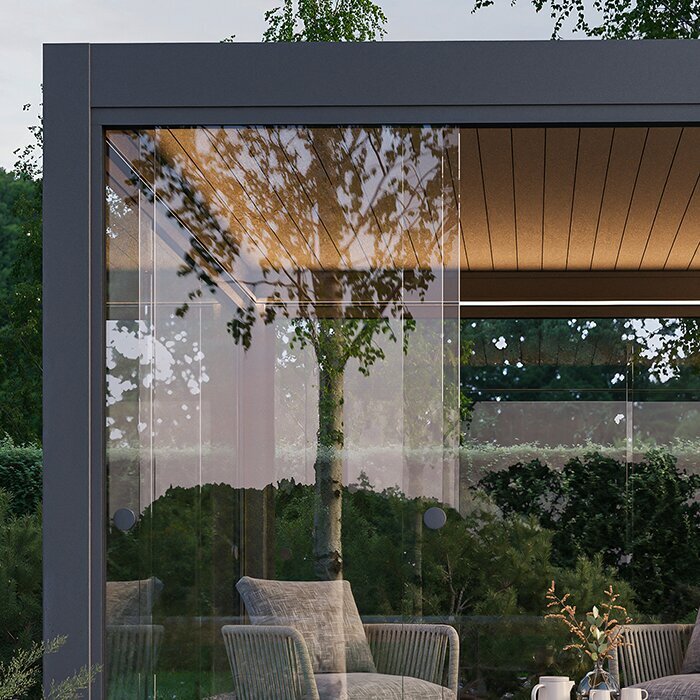
Plan for storage if the pergola arrives early
An order placed in late fall may arrive well before installation, so decide where it will be kept if that happens. Check the storage instructions and make sure you have a dry, secure location with enough room for the packages, following any limits the supplier specifies. Do not assume an outdoor structure is meant to sit outside in its packaging for months. Ask whether delivery can be coordinated closer to the installation period if early storage would be a problem, and confirm the answer in writing. Available space and timing belong in your project plan; they are not details to leave until an order is on its way.
Before checkout, ask what packages to expect and how they should be stored while you wait. The product listing may help identify the exact item, but it cannot establish a safe storage method unless the seller’s instructions say so. Keep the order confirmation, product instructions, labels, and packaging as recommended. Check what arrives promptly and follow the seller’s stated process and deadlines if something is missing or damaged. If you cannot store the product as directed, ask about a later delivery date or choose a purchase date that better fits your site and installer. Do not handle parts in a way that conflicts with the manufacturer’s instructions.
Leave room for spring schedule changes
Set your tolerance for a schedule change before paying. Instead of planning around a single spring day, decide the earliest and latest window you can accept and what you would do if the order or site work slips. Ask both the seller and installer which dates are estimates, what updates they provide, and what options apply if the project moves. Do not assume a product can be held, returned, or rescheduled on terms that are not written down. A buffer in your plan helps you assess whether the order still makes sense if weather or availability changes, without pretending that any particular delay is certain.
Make the decision against your own go-or-wait points: measured footprint, documented product information, known site questions, a realistic installation window, and purchase terms you understand. If one critical point remains unanswered, request clarification before checking out or wait for a better-aligned time to buy. Save the exact item name and configuration, written answers, terms, and confirmation together so you can check that the order matches what you chose. Black Friday may be convenient, but a spring installation depends on decisions that remain sound after the event ends.
Frequently asked questions
Can I buy a pergola on Black Friday and install it next spring?
Possibly, but buying on Black Friday does not guarantee an arrival date or an installation appointment. Check the seller’s current estimate for the exact item, then coordinate with an installer and allow for site readiness and local spring conditions. If the pergola may arrive early, confirm how it should be stored before ordering.
How far in advance should I order?
There is no single lead time that applies to every product, seller, and region. Ask the seller for an item-specific fulfillment estimate and the installer about their schedule. Work backward from your preferred installation window, confirm which milestone each estimate refers to, and leave room for questions or changes.
Should I buy before my site is ready?
You can research and compare options early, but avoid committing if unresolved site requirements could change the product or its placement. Measure the proposed area and ask the seller or a qualified installer about requirements for the exact pergola. That is safer than assuming an existing patio, deck, or lawn will work.
How do I compare Black Friday pergola prices?
Compare the same product and configuration, including the parts included and any stated charges. Read the offer’s terms and check whether the displayed amount applies to the option you intend to order. A seasonal label or advertised discount alone does not confirm the total cost or prove that two offers are equivalent.
What if the pergola arrives before spring?
Check the seller’s storage instructions and make sure you have a suitable place for the packages. Ask whether delivery can be coordinated closer to installation if early storage would be difficult. When the order arrives, follow the seller’s stated process and deadlines for checking it and reporting any missing or damaged items.
A pergola bought on Black Friday is useful for next spring only if its dimensions, appearance, care requirements, site needs, and order terms fit the project you can actually deliver. Work backward from a realistic installation window, verify the product-specific information, and make room for storage or a schedule change if needed. Let the seasonal event shape when you compare—not whether you skip a question that matters to the fit or timing.
