
Buying a Pergola: How to Choose the Right Type
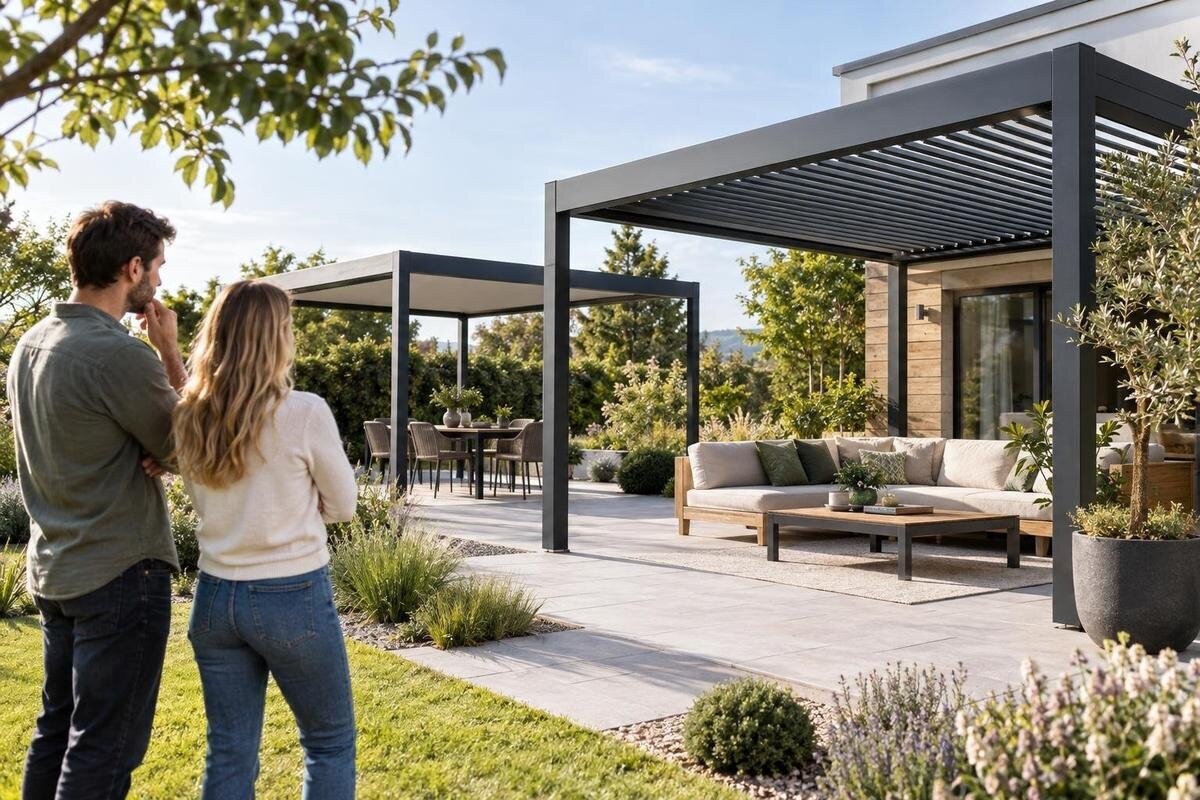
Pergola buying guide
Buying a pergola is a fit decision: roof style affects how much sky remains visible, placement determines how the structure relates to the house, and size and upkeep shape day-to-day use. The right choice depends on how you use the space, the shade you expect, the site’s limits, and what each product listing actually confirms. Compare those factors before narrowing your options; a striking image is only one part of a purchase decision.
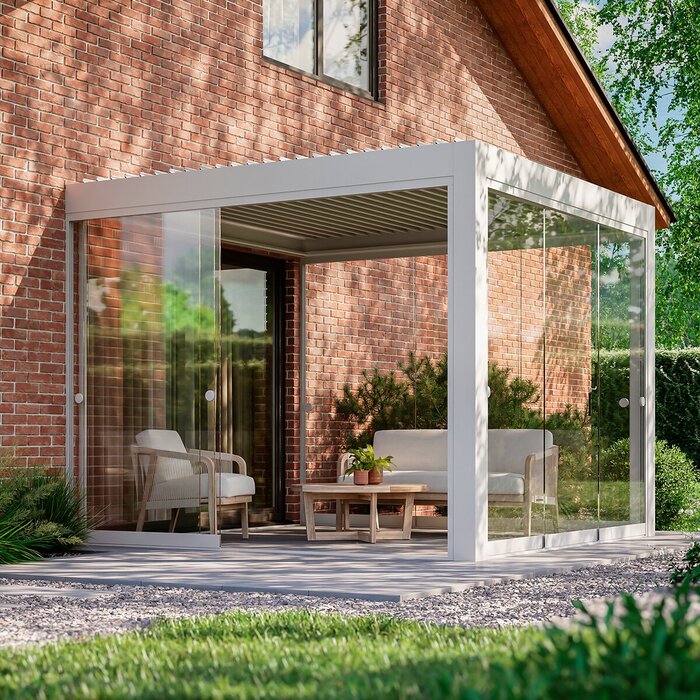
Start with how you will use the space
Begin by deciding what the outdoor area needs to do. A dining zone calls for enough overhead coverage to make the table feel anchored and enough open space for chairs; a lounge area may prioritize a comfortable connection to the garden; a passage or transition may need a lighter visual footprint. If the space will serve more than one purpose, decide which activity takes priority. That can keep an appealing style from becoming awkward in everyday use. Also consider when you expect to use the area most: midday, evening, or at changing times. Consider the number of people you normally host, whether furniture stays outdoors year-round, and whether the area needs to remain easy to cross when it is in use. A pergola can define a destination within the yard, but it should not turn a frequently used route into an obstacle.
Think about how a pergola should relate to the rest of the yard. It might define one outdoor room while leaving nearby planting, play, or circulation areas open, or become the main visual feature. Decide what you want to see from inside the home and whether you prefer a distinct gathering place or a more open connection to the landscape. Write down a few must-haves before browsing, such as adjustable shade or a freestanding layout. Use the Bloomcabin pergola listing as a page to assess against those needs, not as proof of any particular feature or suitability.
Compare open, adjustable, and retractable roofs
Common pergola roof arrangements include an open, fixed framework, adjustable louvers, and a canopy that can be retracted. An open framework keeps the sky visible and casts patterned shade that shifts with the sun; it is not the same as a solid overhead cover. Adjustable louvers let you vary the opening, while a retractable canopy can shift between a more open and more covered setting. These are broad categories, not guarantees of performance: the range of adjustment, coverage, materials, and operation varies by design. The terminology used in listings can vary as well, so compare the written description of the roof rather than assuming that two products with similar names work the same way. Focus on the experience you want when the roof is fully open, partly positioned, and in its most covered position.
Compare what each arrangement would feel like in its different positions. Do you want the light and airflow of an open top, a way to change the amount of sky overhead, or a canopy that can be moved out of the way? Ask whether the roof is fixed or movable, how it operates, and what the product information says about rain and wind. A closed position is not automatically weatherproof. When reviewing a specific option, including the Bloomcabin product page, look for an explicit roof description rather than inferring a style from the name or photograph.
Choose between freestanding and attached placement
A freestanding pergola is positioned apart from the house, which can suit a separate seating area or a focal point in the yard. An attached design connects the outdoor space to the home and can create a more direct transition from an interior room to a patio. Neither layout is universally better. The choice depends on where you want shade, how the structure relates to paths and doors, and whether the site can accommodate the intended placement. Think about the view from the house as well as the view from beneath the pergola. A freestanding structure may help organize a larger yard, while an attached one may make a patio feel more connected to an adjacent room; those are layout effects, not evidence that either type will fit every property.
For an attached design, consider the wall and nearby features as part of the decision, not just the open patio below. Doors and windows need to remain usable, and eaves, gutters, and the building’s structure may affect what is possible. Do not assume that any wall can support an attachment. A qualified professional can assess the building and proposed connection. If you review the Bloomcabin pergola page, use only its stated placement and installation information; do not infer a mounting method from an image.
Decide how much shade you want
Shade is not a fixed amount that comes with the word pergola. The roof arrangement, its direction, and the sun’s changing angle all affect where shadows fall and how much of the seating area is covered. Trees, fences, and nearby buildings can change the result as well. A structure that provides useful shade at one hour may leave a different part of the patio exposed later. Think about the times you actually plan to sit outside and the area where shade matters most. It also helps to identify whether the priority is shielding a dining table, reducing glare in a lounge area, or simply softening strong sunlight while preserving an open-air feeling. Those goals can point to different roof arrangements even on the same patio.
Observe the proposed spot at those times, or consider how the existing shadows move through it. Then decide how you want to balance shade with open sky and daylight. A more open roof may preserve a brighter feel but provide less continuous cover; adjustable or retractable options may offer more control, depending on their design. Check the product’s stated roof coverage and operating positions. For Bloomcabin’s pergola product listing, as with any page you compare, rely on written details that are actually provided rather than assuming a particular shade level.
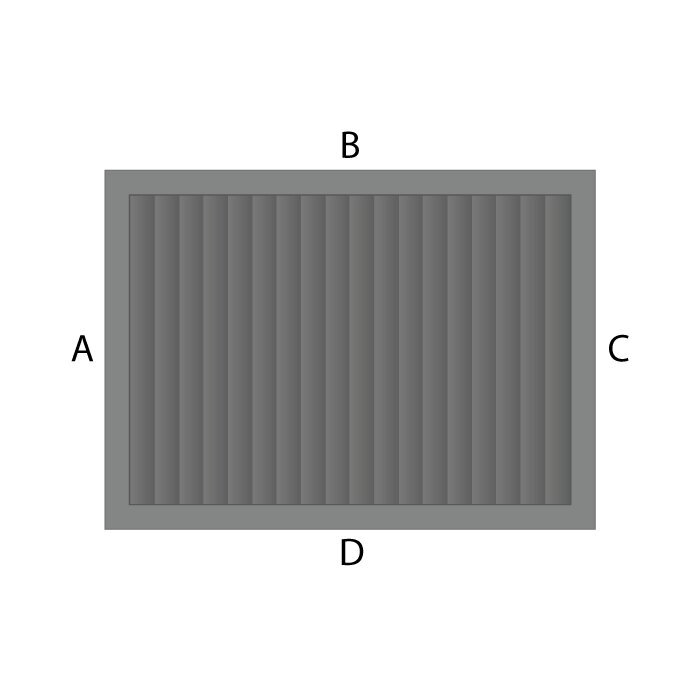
Match the footprint to the way people move
Think about the whole usable zone, not just the area covered from above. A table and chairs need room for people to sit and move, while a lounge arrangement needs space to reach seats without cutting through the main route. Supports, where part of a design, can affect where furniture fits. Consider how the pergola will sit alongside doors, paths, planting, and other outdoor features, so the structure frames the activity instead of obstructing it. Map the intended furniture arrangement before choosing a type. Include the space needed to pull out chairs, carry food to a table, open a nearby door, and move around the outer edge of the arrangement. This reveals whether the proposed footprint supports the way the area will actually be used.
Proportion matters too. Compare the pergola’s overall dimensions with the patio or yard and consider its height in relation to nearby buildings and trees. Product photographs can distort scale, so use written dimensions and diagrams where available. Check which measurement describes the frame and whether the layout leaves the space you need around it. For example, when comparing a candidate such as the listing for this Bloomcabin pergola, do not guess at missing dimensions from a lifestyle image; look for stated measurements or ask for clarification.
Consider weather exposure and site conditions
Think about the conditions the structure will face at the proposed location. Wind exposure, heavy rain, snow, prolonged sun, falling leaves, and nearby branches may all affect which design and material make sense. These factors do not establish that a particular pergola is suitable; product-specific limits need to be stated and matched to the site. Also consider the surface and drainage around the area. A sloped or uneven spot may need professional attention before a structure is placed there. Look beyond the weather forecast for the area and consider the microclimate of the exact location: a corner exposed between buildings, a patio beneath trees, and an open portion of a yard can present very different day-to-day conditions. Keep vegetation trimmed only in accordance with safe site practices and leave structural suitability to an appropriate professional.
Do not make assumptions about anchoring, structural capacity, or weather limits based on appearance. If a product page does not state the information you need, ask the seller or manufacturer for it. For site-specific questions, consult a qualified installer or other appropriate professional; local officials can clarify whether approvals or site requirements apply. Treat the Bloomcabin page as a source only for details it explicitly gives, and leave unstated exposure limits as an open question rather than guessing.
Compare materials, finishes, and upkeep
Material affects appearance, care, and how a pergola fits the setting. Wood offers visible grain and a natural look, but its maintenance needs depend on the species, finish, and exposure. Metal options can create a different visual effect; their finishes and care requirements also vary. Broad labels do not tell you the exact material, coating, or upkeep routine. Look for those details in the product information and consider whether you are comfortable with the maintenance it describes. Think about how the finish will look next to siding, paving, railings, and existing furniture, but do not treat a screen image as a reliable color match. If a consistent appearance over time matters to you, ask what routine care the manufacturer specifies and factor that work into the ownership decision.
Compare color and finish with the home and nearby outdoor furniture, but weigh practical care alongside appearance. Ask what cleaning or periodic treatment is recommended, how a finish should be maintained, and whether parts can be replaced if needed. If the page is silent about material or care, do not fill the gap with assumptions based on a photo. The product entry for Bloomcabin’s pergola is one page you can review for stated material details; apply the same standard to every option on your shortlist.
Read the product listing beyond the photos
Before ordering, locate the facts that determine whether a product matches your plan: overall dimensions, roof arrangement, materials, mounting style, and the components included. Check whether photographs show the item in a particular configuration and whether accessories pictured are part of the order. Product names and images can help you identify a page, but they do not establish measurements, roof behavior, or what arrives in the package. Save or note the relevant details for each candidate in one place so that you are comparing like with like. It is especially useful to distinguish an included component from an optional one, a stated measurement from an estimate, and a feature described on the product page from an assumption drawn from marketing photography.
Read the assembly information and purchase terms too. Look for the installation documentation, delivery arrangements, return conditions, and warranty terms that apply to the item; do not assume they are identical across products. Note any detail that is missing or unclear and resolve it before ordering. On the Bloomcabin online listing, as on any candidate page, distinguish stated information from unanswered questions. A clear comparison of confirmed details is more useful than choosing on the basis of a polished image or a short product label.
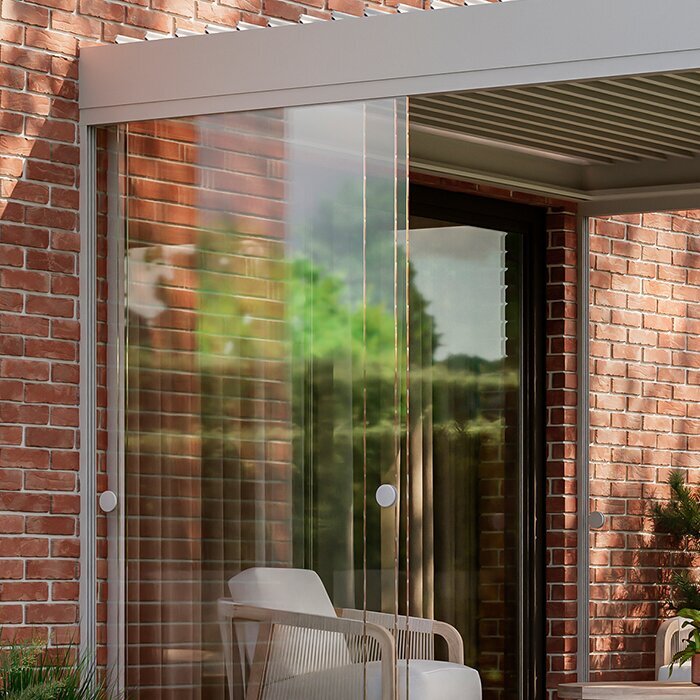
Plan assembly and installation before buying
Consider how the pergola will get from delivery to its final position. Check whether assembly is expected, whether installation documentation is available, and what tools, preparation, or help the instructions call for. Think about whether you have the time and experience to manage the work or would prefer to hire an installer. If the structure is attached to a home, or the site or mounting requirements are uncertain, bring in a qualified professional rather than improvising a solution. Also consider access before delivery: narrow side yards, gates, stairs, landscaping, and changes in elevation can affect how components are moved to the work area. This is a practical planning question, not a detail to leave until after the order is placed.
Ask in advance who is responsible for preparing the site and what must be ready when the product arrives. Confirm that the delivery can reach the intended area and that there is room to handle the components during assembly. Keep installation needs in the buying comparison alongside roof style and appearance: a design that fits your preferences still has to be feasible at the chosen location. Avoid modifying structural parts or guessing at anchoring requirements; use the product documentation and professional guidance for those decisions.
Build a shortlist around your priorities
Once you understand the main choices, compare a small number of candidates using the same criteria. Record roof type and control, freestanding or attached placement, shade expectations, dimensions, material, care, and installation requirements. Mark each point as confirmed, unsuitable, or still unclear. This makes trade-offs visible: one option may offer the look you prefer but require a placement the site cannot support, while another may fit the layout but not provide the roof control you want. Add a note explaining why each criterion matters to your household, such as keeping a dining area bright, preserving a view, or creating a more defined outdoor room. That note helps prevent a minor visual preference from outweighing a practical need that will affect every use of the space.
Set priorities before comparing prices or appearance. Remove any option that fails a genuine must-have, then weigh the remaining differences, including delivery, assembly, and ongoing care where information is available. If a key detail is missing, treat it as a question to resolve, not a favorable assumption. The best choice is the pergola type that works with your outdoor routine and site constraints, with product-specific details clear enough for you to order confidently.
Frequently asked questions
Which type of pergola provides the most shade?
There is no single answer for every site. Shade depends on the roof design, how much of it is covered, its orientation, and the sun’s position. An open framework provides less continuous overhead coverage than a more covered design, but the exact result varies. Check the stated coverage and operation rather than relying on a style name.
Does a pergola keep rain off a patio?
Not necessarily. An open roof leaves gaps, and movable louvers or canopies differ in how they handle rain. A closed position does not automatically mean a roof is waterproof. If rain protection is important, look for explicit product information about that use and confirm any limitations before buying.
Should I choose a freestanding or attached pergola?
Choose based on the location and how you want the space to connect to your home. A freestanding design sits apart from the house; an attached design connects to it. For an attached structure, have a qualified professional confirm that the building and proposed connection are suitable.
How do I choose a pergola size?
Start with the activity and furniture the space needs to accommodate, then consider circulation and the proportions of the surrounding patio or yard. Compare the listed overall dimensions with usable space, including any supports that affect the layout. Do not estimate size from a product photo alone.
Can a pergola be installed on any patio or deck?
No. The surface, structure, site conditions, and proposed mounting method can all affect suitability. A patio or deck that looks level may still need a professional assessment before installation. Check the product’s stated site and mounting requirements, and ask a qualified installer about conditions that are not clear.
There is no one pergola type that suits every yard. Choose the roof arrangement for the shade and openness you want, then make sure the placement, footprint, materials, and installation plan work with the site. A thoughtful comparison of stated product details and your own priorities will help you buy a pergola that feels right for how you actually use the space.
