
Buying a Pergola for an Outdoor Kitchen: What to Consider
Pergola buying guide
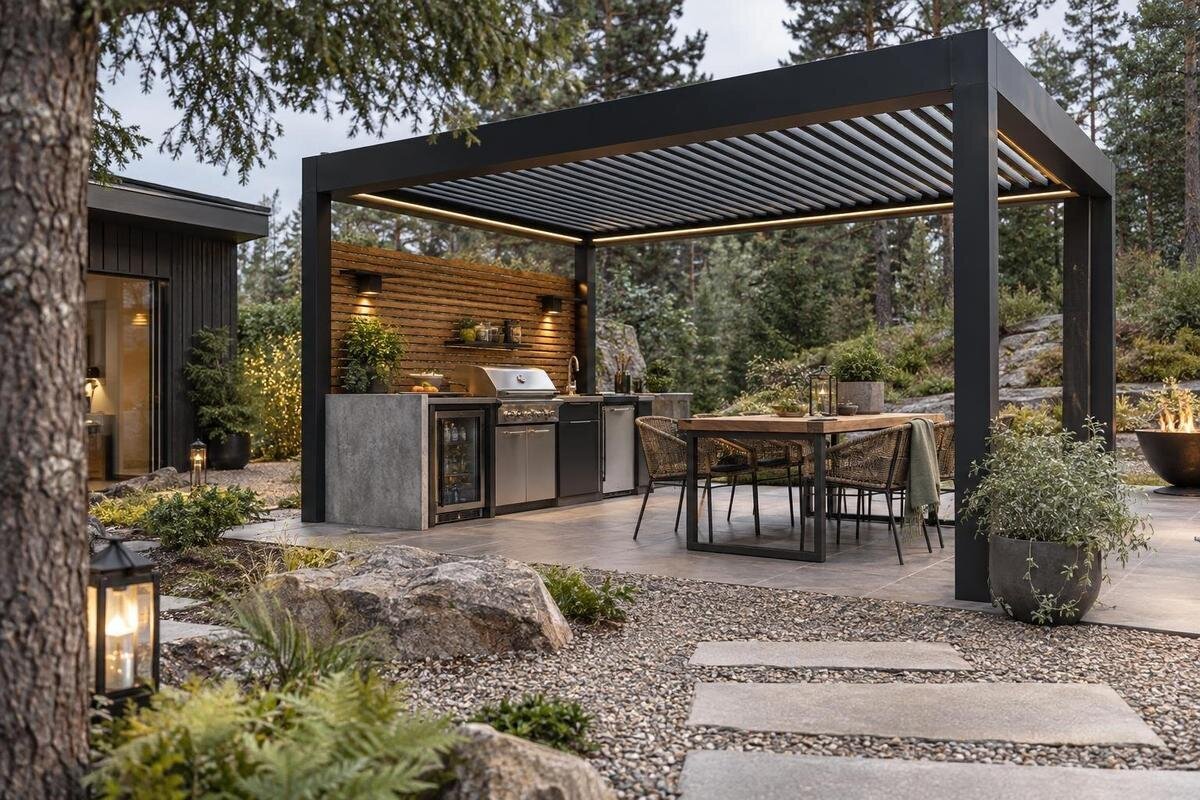
An outdoor kitchen brings cooking, prep work, utility needs, and people together in one part of the yard. Choosing a pergola for it takes more than comparing roof sizes: posts must fit around the kitchen, the exact appliances have their own requirements, and shade should reach the places you plan to use. This guide explains how to map the layout, compare product details, and identify questions to resolve before placing an order.

Buyer checklist 1
Map the outdoor kitchen before comparing pergolas
Lay out the outdoor kitchen as a set of work zones before comparing pergolas. Mark the cooking appliance, prep counter, sink or refrigerator if planned, storage, and serving surface. Include the space needed for cabinet doors, drawers, and side shelves to open, rather than tracing only the fixed outline of each unit. Note which items are already chosen and which may change; a change in grill width or counter depth can alter the post locations you can accept. This first sketch shows whether you want to cover the cooking and prep area alone or include a dining spot as well.
Trace the route people will take during a meal: from cooking to prep, from prep to serving, and from the kitchen to the house or table. Mark places where a guest might stop to talk, where an appliance door opens, and where chairs slide back. This is useful even if you have not selected every appliance. It can expose a bottleneck before the pergola becomes part of the plan, so its support posts are considered alongside the kitchen rather than as an afterthought. If entertaining is occasional, plan for a realistic gathering instead of assuming the space will always be empty. Also consider how someone carrying hot food will move through the area. A direct route is more useful than a nominally open space interrupted by furniture, posts, or appliance doors.
Measure the footprint and the usable opening
Measure the area you want covered and record the pergola’s overall footprint separately from the usable opening between its supports. A roof may extend beyond its supports, and post positions can affect where a counter, appliance, or walking route fits. Include space for appliance lids, cabinet doors, side shelves, and regular access to controls. Measure the site at each relevant edge; a fence, wall, step, or paving boundary can create a pinch point even if the main patio seems spacious. Note overhead obstructions and the height you need to preserve, too. Record the measurements in one plan rather than relying on memory or measuring only from the center of the patio.
Mark the proposed footprint on the ground with tape, string, or temporary markers. Include post positions from the product plan, then walk the routes and open doors and drawers within the outline. If you want a reference while building a shortlist, save the Bloomcabin pergola product page beside your measurements. Use the exact product drawing to test the fit; a photo or model name cannot establish dimensions. If a listing does not show a dimensioned plan or distinguish overall measurements from the clear opening, ask for that information before treating the pergola as a match.
Buyer checklist 2
Check appliance clearances above and around the cooking area
The cooking appliances set constraints that a general roof plan cannot answer. For each grill, smoker, pizza oven, or other appliance, read the manufacturer’s instructions for required clearances, ventilation, and any limitations on overhead structures. An open-looking pergola roof does not, by itself, establish that an appliance is suitable beneath it; roof elements and nearby surfaces still need to meet the appliance requirements. Account for more than the center of the appliance: side shelves, controls, and service access may extend beyond its main housing.
Write the exact appliance model on your plan and compare its manufacturer guidance with the proposed pergola’s documentation. A product name, category label, or photo cannot show whether one particular combination meets clearance requirements. If the instructions do not address overhead structures or your planned arrangement, ask the appliance manufacturer or a qualified professional rather than extrapolating from someone else’s setup. Keep that answer alongside the product details when comparing options. If a relevant requirement remains unresolved, pause the purchase decision until you have the information you need.
Choose a location that works with the house and yard
An outdoor kitchen may be planned beside the house for convenient access, but proximity does not establish that a pergola can attach there. A wall-adjacent location can involve doors, windows, vents, roof edges, gutters, siding, and changes in paving. A freestanding layout avoids relying on a house connection, but its support locations still need to fit the site and the kitchen plan. Compare the two footprints on your sketch rather than assuming one arrangement will be simpler or more suitable for every yard. Consider how each position affects access from indoors, views from the house, and the space left around the kitchen after the structure is in place.
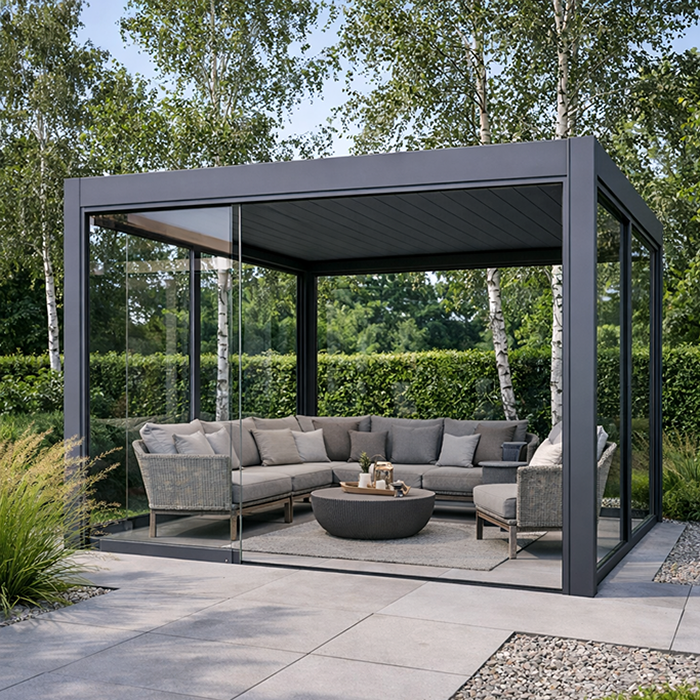
For a product page such as this Bloomcabin pergola listing, check the manufacturer’s plan and mounting information; do not infer an attachment method, post layout, or site suitability from an image. If the intended installation involves a wall connection or anchoring, have a qualified professional assess the proposed location and supporting surface. Note steps, drains, uneven paving, and existing utility routes on the plan, since they may affect where supports can go. Confirm the relevant installation requirements before placing the order.
Buyer checklist 3
Decide where shade matters and when
Shade needs may differ between the cook, the prep counter, and the dining area. Think about the times you expect to use the kitchen and observe where the sun falls on the site at those times. Mark the area that needs shade most, then compare it with the pergola’s documented coverage and orientation. If you want guests to sit under the same structure, include the table and chairs in that plan; covering the grill alone may not provide the shaded gathering space you have in mind. Repeat the observation on another day if possible, because nearby buildings, trees, and seasonal sun angles can change where shade falls.
Compare roof and shade options by their documented coverage and operation. Listings may describe fixed or adjustable overhead elements, or separate shade accessories, but availability and behavior vary by product. If you are reviewing the related Bloomcabin product page, confirm the exact arrangement and any included or optional components rather than assuming what it provides from a category name. Ask how the chosen configuration affects light and coverage across the areas you have marked, and whether any stated limitations matter for your intended use.
Compare materials by upkeep and exposure
Material is one part of the choice, but it does not tell you everything about how a pergola will hold up or what care it needs. When comparing wood, aluminum, steel, or other options, look for details about the finish, fasteners, and any differences between the main structure and overhead parts. For an outdoor kitchen, also consider the conditions the structure will face, such as rain, sun, grease, and cooking residue. Treat broad material labels as a starting point for questions, not a substitute for product-specific information.
Ask what cleaning methods are suitable, whether the finish needs periodic attention, and how to handle marks or damage. Consider whether the maintenance routine fits the way you use the cooking area, where residue could collect, and how easily you can reach the structure for care. Compare those instructions for the Bloomcabin pergola listing with the other products on your shortlist; do not assume its material or maintenance needs from its name. A clear answer about care can help you choose a structure that suits your preferences as well as your layout.
Buyer checklist 4
Coordinate ventilation and utility routes
Plan utility needs before settling on the pergola footprint. An outdoor kitchen may involve electrical service, gas, water, or drainage, depending on the appliances and layout. Mark existing routes and the proposed service areas on your sketch, while leaving installation decisions to the appropriate qualified trade professionals. The aim at the buying stage is to identify potential conflicts, such as a planned support location crossing a route or a connection becoming difficult to access, before you commit to a product or site plan.
Ventilation and exhaust requirements also need to be considered for the specific cooking equipment. Do not assume a pergola is designed to support vent equipment, accept attachments, or accommodate a utility connection. When reviewing a separate Bloomcabin pergola page, ask for product-specific installation information and check it against the plans for your appliances and services. If the product documents do not answer a question, consult the relevant manufacturer or qualified professional. Resolve those points before ordering rather than relying on modifications that have not been confirmed.
Leave room for serving and seating
An outdoor kitchen pergola may also cover the space where food is served or people gather. Decide whether you want the table, a bar-height counter, or only a small standing area beneath it. Add the table footprint and the chairs in their pulled-out position to your sketch; a layout that fits when everything is pushed in may feel crowded during a meal. If dining will be outside the covered area, keep that boundary clear when comparing roof coverage so you do not pay for a footprint that does not match how you plan to use the yard.
Plan for people carrying plates and moving between the kitchen and seating without squeezing past an open cabinet, a working cook, or a post. Keep access to appliance controls and service areas in view, too. When comparing a candidate such as the Bloomcabin pergola page in your shortlist, test its documented clear dimensions against the furnished layout rather than judging by the outside roof outline alone. A few markers for the chairs and walking routes can reveal whether a smaller or differently positioned structure better fits your entertaining plans. Think about everyday use as well as larger gatherings: a comfortable route to a single chair or serving counter can matter more than fitting the greatest possible number of seats.
Buyer checklist 5
Compare product drawings and what the order includes
Use written product information to compare more than the advertised width and depth. Look for overall height, clear opening, support locations, overhead details, and the stated mounting or installation requirements. Check how the listed dimensions relate to the usable kitchen space on your sketch. If a detail that matters to your layout is missing, ask the seller for clarification instead of estimating it from a photograph. Keeping the same list of questions for each option makes it easier to see whether you are comparing like with like.
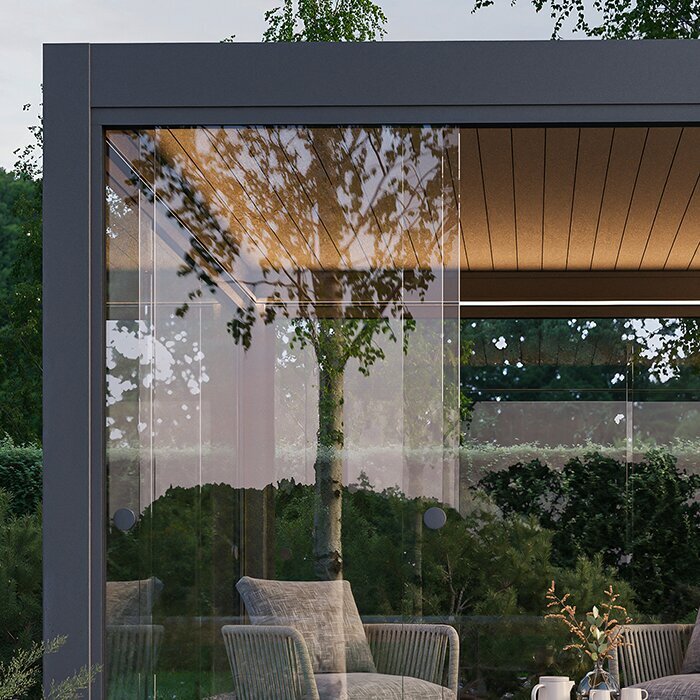
Confirm what the order includes and what may need to be arranged separately, such as installation, site preparation, or optional shade components. Ask for care information and applicable terms in writing, too. A listing such as this Bloomcabin product page can sit in your comparison set, but its title or image is not a substitute for product-specific dimensions and inclusions. Read the available documents for the exact item you plan to order and resolve any gaps that could affect fit, compatibility, or the full project budget.
Plan delivery and installation before you order
Check that the delivery route and the place where components will be staged are workable. Measure gates and tight turns, consider steps or changes in level, and choose a staging area that will not block access to the house or kitchen. Ask the seller what delivery arrangements apply to the specific order and what preparation is expected at the site. Confirm who is responsible for assembly and installation, and whether you need to arrange site work or a qualified installer separately. These details can affect your project schedule even when the product itself fits on paper. Coordinate the timing with appliance delivery and countertop work so that access is not restricted when another part of the project needs to be completed.
Compare the complete project costs, not just the product line on a quote. Include any separately arranged delivery, site preparation, installation, appliance work, and optional components, using confirmed amounts rather than assumptions. Before placing an order, review current delivery details and any applicable warranty or return terms directly with the seller. If this additional Bloomcabin product page is on your shortlist, use the same questions you asked about the other options so differences in scope are clear. A written comparison makes the final choice easier to assess against your layout and budget.
Frequently asked questions
What size pergola do I need for an outdoor kitchen?
There is no single size that fits every kitchen. Measure the appliances, counters, open doors and drawers, walking routes, and any seating you want covered. Then compare that plan with the product’s overall footprint and the clear opening between supports. Appliance clearances may affect the layout, too.
Can I put a grill under a pergola?
Only consider it when the instructions for the exact grill and pergola address the arrangement and their requirements can be met. An open-looking roof does not automatically establish safe clearance or ventilation. If the product information leaves questions, consult the appliance manufacturer or a qualified professional before buying.
Will a pergola keep my outdoor kitchen dry?
A pergola’s name or appearance does not guarantee rain protection. Roof designs and coverage differ, so check the exact product details and ask how the structure handles rain and drainage. Decide whether your priority is shade, shelter, or both, and compare options against that expectation.
Should I choose a freestanding or attached pergola?
It depends on the site, the kitchen layout, and the installation requirements of the structure. Compare post locations and access routes for a freestanding option; for an attached one, verify that the product is designed for the proposed connection and have the wall and site assessed by a qualified professional.
What should I confirm before ordering?
Check a dimensioned plan, overall and clear-opening measurements, post locations, overhead details, mounting requirements, materials and care instructions, and what is included in the order. Also confirm delivery, assembly, installation responsibilities, and any applicable warranty or return terms directly with the seller.
The best pergola choice for an outdoor kitchen is the one that fits the planned work zones, leaves usable space around appliances and supports, and provides the kind of shade you actually want. Compare dimensioned drawings and care information, confirm appliance and installation requirements, and include delivery and setup in your project plan. Once those details line up, you can choose among the options on your shortlist with a clearer picture of how the finished cooking and entertaining area will work.
