
How to Create a Reading Corner Under a Pergola
Outdoor living guide
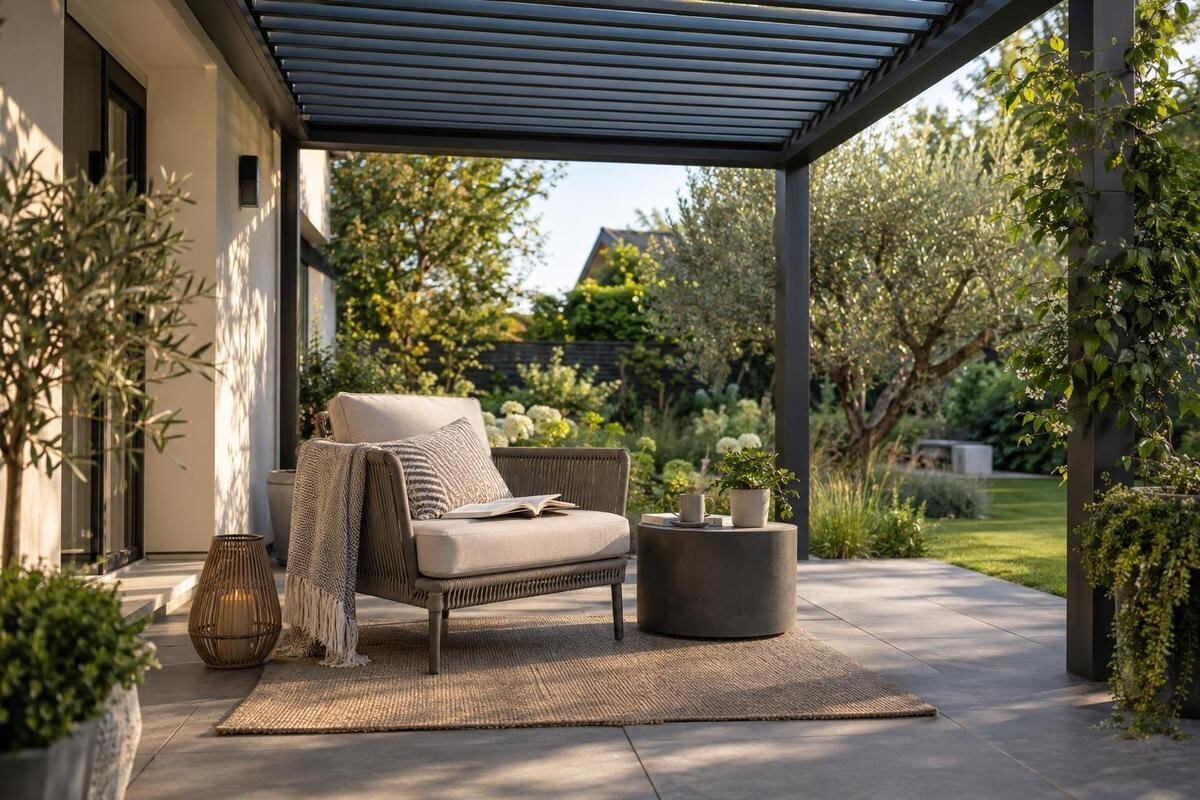
A reading corner under a pergola works best as a planned outdoor spot for a regular routine, not simply a chair set beneath a frame. Its usable footprint includes the seat, a place for a book or device, room to enter and leave, and the shade and light available at the hours you read. Start with a measured furniture plan and observe the site at those times. Choose seating, book storage, and lighting to suit the real conditions, while treating an open pergola as outdoor space rather than a guaranteed dry room.

Define the reading setup before choosing a footprint
Decide whether the corner is for a quick chapter, long sessions, or two people reading side by side. Note what you bring: a paperback, a large-format book, an e-reader, glasses, a mug, a blanket, or a lamp for after dark. Those choices determine the surface and reach you need; they also prevent an oversized lounge chair from taking over space intended for a compact seat. Record the hours you usually read, since midday sun and evening glare create different needs. The Bloomcabin Bioclimatic Aluminum Pergola listing reports a 97–258 sq ft range; compare the selected option with your furniture drawing rather than assuming that number represents seating capacity.
Measure each piece in the position it will actually occupy, including the space a recliner or footrest uses when extended. A scaled sketch on graph paper works; painter’s tape on the patio can outline the seat, side table, and passage just as clearly. Add room to stand, sit down, reach a book, and move the chair without scraping a post or table. If you share the nook, mark both occupied positions and the space each person needs to turn pages or get up. This is a concept plan, not a construction drawing, but it makes a vague idea of a cozy corner testable before you choose a pergola size.
Measure usable space and walking routes
Separate the pergola’s listed footprint from the floor area you can actually use. Posts, nearby walls, furniture, and door swings all affect the layout; a catalog range does not tell you whether a specific chair and table fit between them. The Bloomcabin Lean-To Pergola is identified as a wall-mounted model, and its listing reports a 97–258 sq ft range. Treat that as a catalog reference, then draw the real site, including each obstruction and the route you want to keep open. Measure usable boundaries at ground level, not just the patio’s widest edge, especially where paving narrows near a wall or planting bed.
Plan the walking route before placing the chair. Trace the path from the house or yard entrance to the seat, then check it with the door fully open and the chair pulled out. A reading nook should not make someone squeeze behind a reclining seat to cross the patio, and the book table should not become a trip point. Leave the most direct approach clear, then arrange furniture inside that boundary; if space is tight, try turning the seat or placing the table alongside it rather than narrowing the route. Test with the actual furniture dimensions and allow for how cushions and footrests change the occupied footprint. Have another person walk the route while you sit in the chair; this can reveal a bottleneck that looks generous from above.
Check shade at the hours you read
Check shade where you will sit and when you will read. Visit the proposed spot during those hours and note where direct sun lands on the seat, page, and screen; repeat in the morning and late afternoon if both matter. Sunlight moves across the space, and low-angle sun can reach a reader from the side even when overhead elements cast shade. A pergola does not automatically shade every edge or prevent glare throughout the day. When comparing the Bioclimatic Aluminum Pergola listing, review the details of the selected configuration; its model name alone cannot tell you how much shade reaches the chair. If you plan to read year-round, repeat the check in a different season because the sun’s path changes.
Use the seat angle as the first adjustable part of the plan. Turn the chair so the page is not facing the brightest reflection, and try the actual book or tablet rather than judging from an empty seat. If low sun reaches from one side, see whether a modest shift solves it without narrowing the walking route. If it does not, review shade accessories offered for the exact pergola configuration; do not assume that an unlisted screen or panel can attach to the frame. Confirm compatibility and placement instructions with the manufacturer or a qualified professional before planning around an accessory. Judge glare at seated eye level, since standing in the same place can give a misleading impression.
Choose seating and a table for longer sessions
Choose a chair by sitting in it with the kind of book or device you use. Check whether the backrest supports a relaxed reading position, the seat depth feels comfortable, and the arms leave room to hold a book; compare cushions and foot support in the arrangement you will keep outdoors. A chair that looks compact in a showroom may need more room once a footrest or ottoman is added. For two readers, make sure both can settle without their chairs blocking each other’s exit. Comfort is personal, so dimensions are only one part of the decision: test the actual seat and position before committing to the layout. Try standing up without moving the table, too; the way out matters as much as the seated fit.
Place a small, stable table where you can reach it without leaning across a walkway. Its top should suit the things you routinely set down, such as a paperback, glasses, or a device, but it should not be so large that it crowds the chair. Check the seat and table together: an armrest, side table, and book stand can compete for the same space. If you like to stretch your legs, mark the full ottoman area and the path around it. Keep a clear place to set a book while standing, too; a practical layout should not require moving furniture every time you sit down or leave. If you often read oversized books or use a tablet stand, test the actual item before settling on a table size.
Position the corner for a calmer view
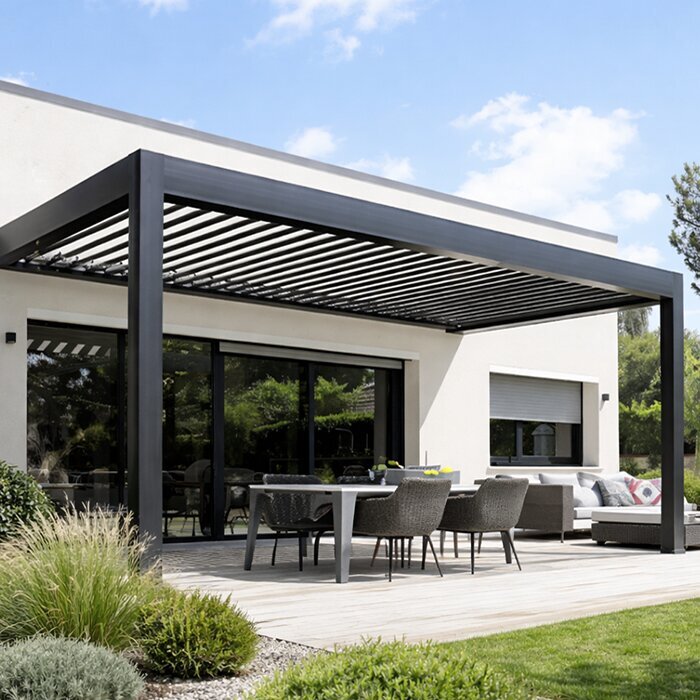
Listen and look at the patio at the times you expect to read. A corner beside a frequently used door, driveway, play area, or outdoor conversation zone may be lively just when you want quiet. Pergola framing does not make an open space soundproof, so choose the location around the noises and views that are actually present. If you are comparing the Bloomcabin Pergola listing, mark the proposed structure and seating area on your site sketch alongside those sources of activity. This helps you assess the location separately from the product choice. Visit more than once if noise varies with the day or household schedule; one quiet afternoon may not represent your usual reading time.
Think about what you want to see as well as what you want to screen. Facing a garden or a quieter part of the yard can feel more settled; turning away from a doorway may reduce visual activity, but it will not eliminate sound. If neighboring views are a concern, test the sightline from the seated position before adding a screen or tall planter. Keep separate screens and planters within a layout that preserves access, and do not rely on an unverified attachment to the pergola. Choose additions intended for outdoor placement and verify any connection to the structure. Plants grow and screens can change a view, so allow for future sightlines without treating a screen as a sound barrier.
Plan page lighting for after sunset
Reading light should land on the page without shining into your eyes or reflecting off a glossy cover or screen. Test a portable lamp from the actual chair after sunset, moving it until the pages are clear and your hand or head does not cast a distracting shadow. General patio lighting can help people move around yet still leave print dim, so plan task lighting at the seat separately from lighting along the path. When reviewing the Lean-To Pergola listing, check whether the selected configuration includes lighting or supports compatible fixtures before making them part of your layout. Test both a printed book and a lit device if you use both; a lamp position that works for paper may create a reflection on a screen.
An outdoor-rated portable light can keep the concept simple, but follow its maker’s instructions for use and storage. If you want permanent or hardwired lighting, have a qualified electrician assess the location, power source, and fixture suitability; this article cannot establish a safe wiring arrangement. Avoid placing cords where feet, chair legs, or an opening door can catch them. Check the light again from the reading position with furniture in place, and consider whether brightness spills into nearby windows or the yard. A good setup lets you find your book and see the page without turning the entire patio into a brightly lit room.
Store books and devices with outdoor exposure in mind
Treat books, paper, and electronics as items that still need protection outdoors. A pergola should not be assumed to be a weatherproof room: wind-driven rain, dew, dust, pollen, and strong sunlight can reach furniture depending on the site and configuration. Bringing books indoors after reading is the simplest way to avoid leaving them exposed. If you want storage outside, choose a closed product specifically intended for the conditions where it will sit and follow its care guidance. A lid alone does not establish that a box will keep contents dry. Follow device manufacturers’ guidance for outdoor use, and bring electronics inside rather than relying on a case to protect them from every outdoor condition.
Arrange storage around how you use it. Glasses, a bookmark, and the current book should be easy to reach from the chair, while spare cushions or blankets can occupy a separate compartment accessed before you sit down. Measure the storage unit with its lid or doors open; a cabinet that fits when closed may block the passage when you retrieve something. Keep the opening clear of the chair and table, and check that you can reach the contents without leaning across a drink. Follow care instructions before storing damp cushions or textiles. A small tray carried indoors with the book and glasses can simplify cleanup without adding another permanent piece of patio furniture.
Rugs, planters, and an uncluttered layout
An outdoor rug or planter can help define the reading corner without filling every open spot. Place the chair, table, and any footrest on the plan first, then add finishing pieces where they will not interfere with reading or movement. The Bloomcabin Pergola model page can be part of your product comparison once the sketch is ready; judge fit from the selected configuration’s dimensions, not from the appearance of a product photo. For a rug, check the size against the furniture arrangement and follow its instructions for use on your patio surface. Keep edges out of the main walking route and check that they lie flat rather than curling where people step.
Choose decorative pieces with routine cleaning in mind. A cluster of small accessories leaves more objects to move when sweeping, while a heavy planter may make it difficult to clear leaves from behind the chair. Allow access around furniture so you can clean the paving and retrieve a dropped bookmark without dismantling the nook. Before adding a planter, check its mature plant size and whether drainage could wet the rug or the area beneath your book table. Leave enough space to tend the plant without brushing against the reader. A restrained arrangement can still feel inviting through a few coordinated colors and textures; it does not need extra furniture to look complete.

Fit the pergola to the house and patio
Consider how the proposed pergola and chair relate to the house, especially if the structure is wall-mounted. The Bloomcabin Lean-To Pergola model is identified as wall-mounted, but that identity does not establish whether a particular wall or opening is suitable. Check the selected model’s mounting requirements with the manufacturer, and have site-specific attachment questions reviewed by a qualified professional. Include doors, windows, exterior lights, and any service access in the drawing. View the proposed layout from indoors as well as outdoors, so the chair and storage do not block a useful window view. The goal is to make the reading corner feel connected to the home without putting furniture where it conflicts with everyday use.
Check how the reading corner will share the patio with the rest of the household. Open the back door, use nearby seating, and carry the items you normally take through the area, such as groceries or a watering can. A chair can seem well placed on a sketch yet obstruct these everyday movements. If the patio also serves meals or gatherings, decide whether the reading chair will stay in place or move temporarily, and identify a practical position for it during those occasions. Keep access to windows, exterior lights, and utility points that need attention. This shared-use check can reveal conflicts that a trial with only one person seated would miss.
Test the concept before settling on the layout
Do a temporary trial before ordering furniture or settling on a pergola configuration. Put a chair and small table in the marked area during your usual reading hours, then check sun, glare, passing traffic, and the view from the seat. Repeat after dusk with the intended lamp and with doors open as they usually are. If your routine changes by season, remember that one afternoon cannot represent every sun angle or weather condition. Use the Bioclimatic Aluminum Pergola product page as one point of comparison, then verify the actual configuration and dimensions against the trial. Note the time and conditions during each visit so you do not mistake different observations for a consistent result.
Record the conditions the corner must meet: a comfortable seat, a clear walking route, shade at reading hours, usable light after sunset, and a sensible place for books between sessions. Separate essentials from optional decor so an extra item does not displace the activity the space is meant to support. Keep the sketch labeled as a concept until the selected product dimensions, site clearances, and accessory compatibility are confirmed. Where structural attachment or fixed electrical work is involved, rely on manufacturer guidance and a qualified professional rather than improvising from a furniture plan.
Frequently asked questions
How much space does a pergola reading nook need?
There is no one-size-fits-all footprint. Measure the chair in use, any footrest, a side table, and the route to and around the seat. Compare that plan with the usable area for the selected configuration; a catalog range does not show the clearances at your site.
How can I keep the seat shaded during reading hours?
Check the spot at the times you plan to read, including the angle of sun on pages and screens. If the shade shifts, try a different chair position first. Confirm that any shade accessory is offered for and compatible with the selected pergola rather than assuming an add-on will fit.
What kind of light works for reading under a pergola?
Test an outdoor-rated portable reading light from the actual chair after sunset, checking both the page and screen for glare. Follow the light maker’s directions. For permanent or hardwired lighting, ask a qualified electrician to assess the location and equipment.
Can I store books under a pergola?
Do not assume an open pergola is weatherproof. Bring books indoors after reading or use a closed storage product designed for the conditions where it will sit. Check the product’s care guidance, and keep storage out of the walking route.
Will a pergola block noise or neighboring views?
A pergola does not make an open space soundproof or guarantee privacy. Observe the area when you expect to read, then try orienting the seat away from busy routes or unwanted sightlines. Check that any screen or planter preserves access and is suitable for its placement.
A successful reading nook does not need many pieces; it needs the right pieces in a measured arrangement. When the seat, side table, path, shade, light, and storage work together, the space is easier to use and keep clear. Try the layout at the hours you read, then compare it with the selected pergola configuration and site conditions. A comfortable place to settle with a book, with good light and essentials within reach, is what makes the corner worth returning to.
