
Compare Black Friday offers on 44 mm and 70 mm garden sheds

BLACK FRIDAY BUYING GUIDE
Black Friday can put two different offers side by side, but a lower headline price does not tell you whether a 44 mm or 70 mm garden shed is the better buy. First confirm what the measurement refers to, then compare like-for-like configurations, the full amount payable and the conditions attached. The figures are 26 mm apart; that is a dimensional difference, not a verdict on suitability or value. No offer prices, discount terms or stock details are supplied here, so this guide does not identify a live bargain. It gives you a practical way to assess the listings you are considering without assuming a promotion makes either thickness the right choice.

Confirm what the 44 mm and 70 mm figures describe
Start by reading the wording next to each number, rather than relying on the offer headline. The comparison is useful only if 44 mm and 70 mm describe the same part in the same way. Look for an explicit reference to wall thickness and, if provided, a drawing or note that identifies what is measured. If one figure refers to a wall and the other to a timber component or a different dimension, they are not like-for-like. Record the exact wording and unit from both listings, including any qualification about the selected configuration. Where the definition is unclear, ask the seller to explain it before using the figure to judge price or suitability.
Once the measurements align, match the products as closely as you can: compare the same version or nearest equivalent, stated dimensions, options and inclusions. Note any difference rather than hiding it in the price comparison. A worksheet can give separate rows to the wall figure, configuration, dimensions and price. A page such as Verdana 1 garden house can be recorded as one candidate, but its name alone does not confirm a wall measurement. Use the facts shown for that exact listing, and leave unconfirmed points blank until you have an answer. Where sizes or options differ, label the mismatch so you do not mistake a lower price for equivalent value.
How to interpret the 26 mm difference
The numerical gap is 26 mm, but it is not a complete performance rating. The figure by itself does not establish how a shed will handle weather, how long it will last, what upkeep it needs, how stable it is or whether it suits a particular activity. Those questions require details beyond this one measurement and, in some cases, advice about the specific site. Treat claims such as stronger, warmer or more durable as points to verify against published information, not as automatic results of a larger number. Equally, a 44 mm option is not automatically unsuitable; assess its stated specification against your actual requirements.
Make a use list before deciding which listing deserves a closer look. Note what you plan to store or do, how often you will access it and what needs to fit through the entrance. Then check whether each listing documents the points that matter, such as usable dimensions, access arrangements, intended use or relevant care information. Do not infer capacity from wall thickness. You can include Verdana 2 garden house as another candidate if it is under consideration, but the model name cannot tell you how it compares with another shed. Keep any essential detail that is missing in an unconfirmed column.
Compare the full cost of each offer
Write down the total cost for the exact configuration you would order, not just the amount beside a Black Friday badge. Include the listed price and any delivery charge or required items that are separate. If you would arrange assembly or site work separately, include a realistic estimate of that cost too. Check each listing’s stated inclusions rather than assuming that pictured items or an offer headline are part of the package. If the offers cover different contents, compare the cost of bringing each to the same usable configuration. The Durano garden house can be one page in your comparison; verify the price and inclusions for the option you are considering instead of judging from its name.
Keep the parts of the comparison visible in a table: model and version, measurement and its definition, stated dimensions, inclusions, offer price, additional charges and any conditions that affect the price. Mark whether each point is confirmed, missing or awaiting an answer. If one offer includes something that another excludes, show the cost of matching it only when you have a reliable figure. This helps reveal whether the apparent price gap is genuine or reflects different configurations. Avoid presenting estimates as confirmed totals; separate them clearly from amounts shown by the seller. Where a promotion bundles an item you do not need, record its stated value separately rather than treating the whole bundle as a saving. Your comparison should reflect the configuration you would genuinely order.
Check how the advertised saving is calculated
When a listing gives both a reference price and an offer price, compare the figures for the same model and configuration. Subtract the offer price from the reference price to calculate the displayed difference; divide that difference by the reference price and multiply by 100 for a percentage. This describes the relationship between those two figures, not whether the offer suits you. Read any notes about eligibility, dates or required codes, and check the final amount before relying on a saving in your budget. Do not carry a percentage from one model or configuration across to another.
Decide on a budget ceiling before a promotion influences your shortlist. An offer has value only if the shed meets your requirements at a total you can accept; an item you would not otherwise choose does not become useful just because it appears in a deal. Compare what you would pay for your preferred configuration, then ask whether any price difference buys a documented feature that matters to you. If Veltor 1 is on your shortlist, apply the same arithmetic and conditions as for every other candidate. Do not assign a saving to a listing that has not stated one.
Match the shed to its planned use
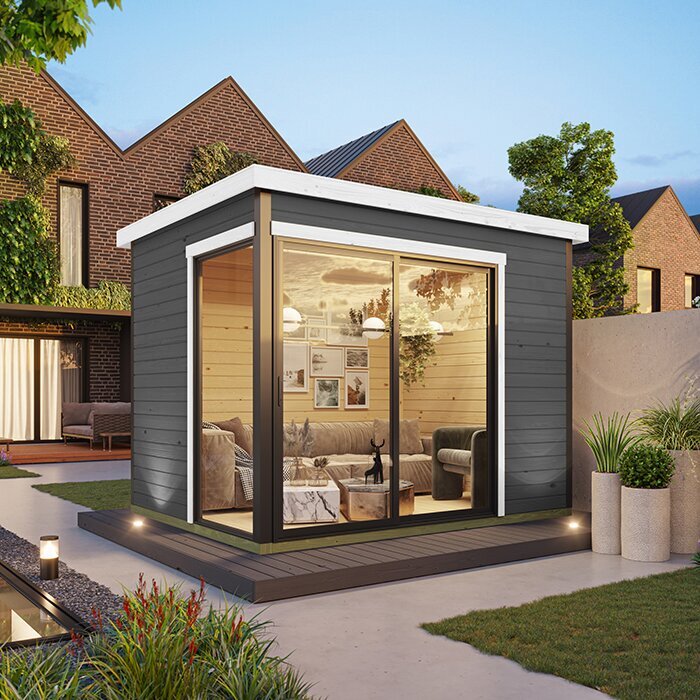
Start with the job the shed needs to do, not the number in the promotion. List what will be stored or used inside, how often you need to get to it and which dimensions or access points are essential. A shed for garden tools raises different practical questions from a space planned for a regular hobby; neither purpose can be matched to a wall figure alone. Think also about the order in which items will be used: frequently needed equipment should be reachable without moving everything else. Check the listed internal and external dimensions, door opening, windows and any use guidance where these details are provided. Separate facts you can verify from preferences such as appearance, and do not assume a thicker wall creates the internal space or access you need.
Once your requirements are clear, compare the wall specifications alongside the other details the seller provides. If a listing claims a particular advantage, look for the information that supports it and consider whether that advantage matters for your plans. A listing such as Orello 1 garden house may be one candidate to investigate; its model name is not evidence of dimensions, material, performance or suitability. Either thickness could be appropriate depending on the verified details, your space and your budget. There is no need to treat the larger number as the automatic winner.
Verify the exact version and specification
Some product pages may present more than one option under a model name, so check the exact version rather than assuming every detail applies to every configuration. Record the model label, selected option or size, wall measurement wording and any stated changes in price or inclusions. If a specification table, plan or user guide is available, check that it relates to the same version you are pricing. A photograph or page title can help identify a listing, but it cannot settle a technical question. If details on the page appear to conflict, treat the point as unresolved until you have clarification.
Keep a dated note of the wording and configuration you compared. If a title and specification table disagree, or a table does not make clear whether the measurement applies to your chosen version, ask the seller a specific question that names the model and option. A clear response should address the point on which your decision depends; a general assurance may leave the detail unresolved. You can include Modano 1 as a candidate, but assess the exact facts shown for that listing rather than inferring specifications from its name or image.
Allow for the site as well as the shed
Check whether the shed’s stated dimensions suit the space you have available. Compare the figures on the exact listing with your site measurements, and ask whether they refer to internal or external dimensions if that is not clear. Measure fixed features that may affect placement, such as fences, walls, paths or established planting, rather than judging the site by eye. Allow for the access you need to use doors and reach stored items, and consider any space required for work around the structure. The wall measurement does not tell you the overall footprint or how much room you will have inside. Avoid estimating those details from a product name or a promotional image.
If the site requires preparation or other work, include its likely cost separately from the offer price. Check the manufacturer’s site and assembly guidance for relevant requirements; if the ground, drainage, stability or proposed work raises questions, seek advice from a qualified professional rather than guessing. The M timber garden shed can be recorded as a candidate only after you have checked the dimensions and information stated for its exact listing. That way, the price comparison includes the cost of a workable plan without assuming the product will suit the site.
Read the promotion and ordering terms
Check what the promotion applies to before treating its headline as a price you can obtain. Read the stated dates, any code requirements, eligible products or configurations, and any exclusions or limits described by the seller. If the offer is shown on a general page, confirm that it applies to the model and version you intend to buy. Check that the price displayed at checkout matches the listing and that any required code has been accepted. Do not assume that every 44 mm or 70 mm option shares the same terms.
Read the ordering information as well as the promotion wording. Check the payment conditions, any stated delivery charge, and the seller’s terms for changing or cancelling an order, returns and reporting items that arrive damaged or incomplete. Note which information applies before ordering and which procedures apply afterwards, as these may be set out in different places. These details can affect how comfortable you are with the purchase even when the headline prices are close. If Timber Tool Shed S is one of your candidates, review the current listing and its ordering terms for the specific option you are considering, then make the same checks against the other offers.
Use a scorecard for the final comparison
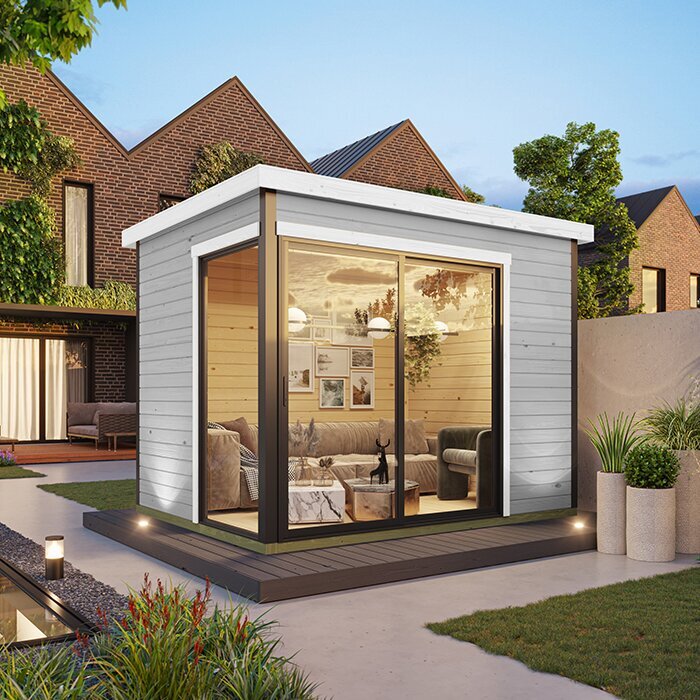
A short scorecard can keep the decision focused when several specifications and prices compete for attention. First list your non-negotiables, such as suitable dimensions, a clearly stated wall measurement and a total within budget. Add any practical requirement that would rule out an option, such as access that does not suit the way you plan to use the shed. Mark each offer as meeting, not meeting or not yet confirmed against those requirements. Then rank preferences such as appearance or extra features according to how much they matter to you. Decide those priorities before comparing the offers, so a large advertised saving does not distract you from a requirement the shed still needs to meet.
Do not give an unknown detail the same status as a confirmed one. If a measurement, inclusion or offer condition is unclear, leave it unresolved and ask for the missing information before scoring that point. Once the essential requirements are met, compare the verified differences and totals; use your own priorities rather than an arbitrary points system. If two options remain close, check whether one has a documented feature you need, or whether the simpler option already satisfies your plan. This approach makes the comparison useful without pretending that every preference can be reduced to a precise score.
Choose between the 44 mm and 70 mm offers
If a 44 mm offer meets your requirements on the facts provided and its total suits your budget, there is no need to reject it solely because another listing says 70 mm. Consider the 70 mm option when its verified specification meets the same requirements and any documented difference matters to your plans at the price asked. If the listings do not establish a difference relevant to your intended use, compare their other confirmed details or pause until you have an answer. The measurement alone cannot make the decision for you.
Before ordering, review the exact model and version, the stated wall measurement, the final amount and the conditions that apply. Check that the selected configuration is the one you compared, that required items and charges are accounted for, and that no unresolved point could change your choice. Compare the order summary with your notes so that a different option, code or inclusion does not go unnoticed. Recheck the final price and terms before completing the purchase, then keep the order confirmation. A clear record helps you see that the Black Friday offer you selected is the one you actually assessed.
Frequently asked questions
Is a 70 mm garden shed automatically better than a 44 mm one?
No. The larger measurement alone does not establish durability, stability or suitability. Check that both listings define the measurement in the same way, then compare the full specifications with your needs and budget.
How can I compare two Black Friday offers fairly?
Compare the same model or closest equivalent configuration. Record the stated wall measurement, dimensions, inclusions, offer price, additional charges and conditions. Use the final amount for the configuration you actually want, not just the headline price.
Does 44 mm or 70 mm always refer to wall thickness?
Do not assume so from a number alone. Look for an explicit explanation in the listing or its specifications. If the meaning is unclear, ask the seller before using it to compare models.
How do I check an advertised saving?
If the listing gives both a reference price and an offer price, subtract the offer price from the reference price. Divide the difference by the reference price and multiply by 100 for a percentage. Check that both prices refer to the same configuration.
What if an offer or specification is unclear?
Treat the unclear detail as unconfirmed. Ask the seller a specific question about the model, measurement or promotion conditions, and compare the offer only once you have enough information to assess it.
A Black Friday offer is worth considering when the specification is clear, the configuration suits your plans and the total is acceptable. Compare the 44 mm and 70 mm options on those terms rather than treating thickness as a verdict. If a detail that matters remains unclear, get it resolved before choosing—or leave that offer out of the comparison.
