
A Simple Hot Tub Maintenance Routine for New Owners

HOT TUB CARE
Hot tub care is easier to manage when it follows the written instructions for your exact model, rather than a generic checklist. As a new owner, group checks around use and schedule recurring tasks only where the manufacturer confirms an interval or trigger. Keep the relevant water-care directions with a simple log, record what you did and note observations only where the instructions call for them. If a step is unclear, ask before acting. That gives you a repeatable routine without guessing at products, measurements or timing.
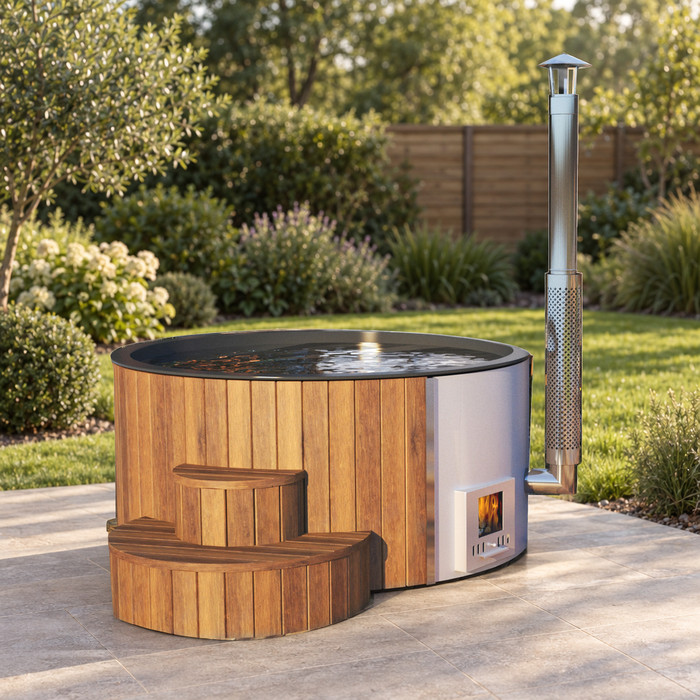
Use the instructions for your exact hot tub
Start with the paperwork for the exact hot tub you own. Find the manufacturer’s owner instructions and any separate water-care guidance supplied with it, and keep relevant product labels nearby. Product directions do not replace the tub manufacturer’s guidance about how that product applies to your model. Check the model name on your documents and note any version or revision information shown. If one manual covers several models, identify the instructions that apply to yours. Where documents appear to disagree, leave that task unresolved and ask the manufacturer or supplier which direction applies. Don’t select whichever schedule seems more convenient; that would leave your routine based on a guess.
When requesting instructions, use the full model name, such as Bloomcabin hot tub Cove 2, so the supplier knows which tub you mean. Ask whether the documents supplied cover both routine upkeep and water care, or whether you need separate guidance for either. Keep the reply with the instructions rather than relying on your memory of a conversation. If you already own a tub, use the model details on your own paperwork. If you are still comparing, create a separate folder for each candidate so that instructions, answers and unresolved questions stay with the right model. This gives you an organised starting point before you turn the guidance into a routine.
Set up a maintenance log you will use
Keep the log deliberately small so it is easy to update. Record the date, model, task and whether you completed it. Add observations or readings only where the instructions ask for them. If you record a measurement, include the method and units specified in the guidance; that makes the entry meaningful later without creating your own target. When a particular product is called for, note its name and the instruction you followed. If you have not completed a task, record that clearly rather than allowing the log to suggest it was done. A useful log helps you retrace what happened and which directions you used, without turning routine care into a detailed diary.
Choose a notebook or digital note that you can readily find alongside the instructions, then keep entries in that one place. Separate checks linked to use from calendar tasks with a confirmed due date or trigger, and leave space for questions and the supplier’s written answers. While comparing Bloomcabin Hot Tub Haven 6, for example, you could use the same blank log format to organise the care information you receive without assuming which tasks apply. If several people share responsibility, agree who updates the record after completing a task. Everyone should be able to distinguish a completed entry from a reminder or a question that still needs an answer.
Pre-use checks for your model
Create a short pre-use card from the checks the manufacturer actually tells an owner to make before using the tub. Write each item in plain language, then note what the instructions say to look for and what response they specify if something is not as expected. Include a test, indicator or measurement only if the model’s guidance calls for it, and copy the stated method and interpretation rather than inventing a threshold. If the manual does not explain what a result means, add it to your questions for the manufacturer. The purpose is not to create the longest checklist; it is to make the relevant checks clear and repeatable.
Keep the card within the tasks the instructions identify as suitable for an owner. Do not add checks taken from a generic online list, and do not open equipment or attempt work that the manual does not describe for the owner. If you notice something unusual, follow the model’s guidance rather than improvising a response. Before buying Bloomcabin Hot Tub Fjord 8, ask to see its written pre-use checks and read through the sequence. Note any terms or steps you cannot understand, then ask for clarification. This helps you assess whether you understand the routine before taking responsibility for it, without assuming that the checks are the same for every tub.
Record what happens after use
After use, note the date and any task the manufacturer’s instructions direct you to complete. Record whether it was done and add a relevant observation or follow-up note if something needs attention. Do not assume that every use calls for a particular water-care action; the instructions for your model determine what is required. If no after-use task is specified, there is no need to invent one. A brief note about when the tub was used can also help you explain the context if you later ask for guidance, but it is not a reason to alter a schedule yourself.
If someone else shares responsibility for the tub, make the log easy for them to read before they take over. An entry should distinguish an action already completed from one still awaiting attention, so the next person does not repeat it or assume it has been done. Keep unanswered questions clearly marked and add the response when it arrives. When considering Bloomcabin hot tub Aurora 10, ask which tasks, if any, the owner is expected to complete after use and where those directions are recorded. You can then consider how those tasks would fit into a shared household routine, rather than assuming that whoever last used the tub will remember everything.

Set reminders only for confirmed intervals
Use your calendar for recurring tasks only when the instructions for your model confirm the interval or the event that triggers them. Copy the task and timing as written, including any stated condition that determines when it is due. If the guidance gives a usage-based trigger rather than a calendar interval, record that trigger instead of converting it into a weekly or monthly reminder. Do not fill gaps with a schedule from a different tub, an online checklist or a routine that simply sounds familiar. Where no interval is clear, ask the manufacturer or supplier before putting a guessed date in your calendar.
For each reminder, include the task name, the relevant instruction reference and a way to mark completion. Keep the due date separate from the date you actually did the work, so the record does not confuse an intention with a completed task. A missed reminder is a prompt to consult the guidance, not a reason to double up or perform an unlisted task. If you are considering the Cove 2 hot tub, request its confirmed maintenance intervals and triggers before estimating the recurring workload. Leave any unanswered timing question visibly unresolved in your comparison notes; assigning a convenient date would make the routine look more certain than the information supports.
Keep water-care guidance model-specific
Treat water care as a part of the model-specific routine, not as a place to rely on guesswork. Find the instructions that explain which checks, methods and products apply to your tub. Follow the stated procedure and the product label, and use only interpretations or limits given in the relevant guidance. Do not choose a treatment, quantity, order or timing based on a generic checklist or on advice for another model. If a required step, compatible product or result is unclear, write down the question and ask the manufacturer or supplier before making a change.
When you log water-care work, distinguish a result you recorded from an action you took. Include the date, the direction you followed and any reading the instructions tell you to note, with the specified method and units. Add the product name where relevant, but do not treat a past action as proof that the same action is needed again. For the Haven 6 model, ask which written water-care guidance applies and which products it specifies. Keep that answer with the model’s routine, so you can refer back to it when preparing a task or asking a follow-up question. This makes the record useful without turning it into your own treatment guide.
Respond to unexpected results without guessing
If a check does not match what the instructions describe, pause before trying to correct it. Record what you observed, when you noticed it and how you made any measurement the manual requested. Check the relevant guidance for the response it gives, and follow that rather than trying several possible fixes. A change in appearance or a single unexpected result is not, by itself, a reliable explanation of what caused it. Keeping the original observation in your log gives the manufacturer or service professional clearer information than a note that simply says the tub seemed wrong.
If the instructions do not cover the situation, contact the manufacturer, supplier or an appropriately qualified service professional and give them the exact model name and the details you recorded. Follow any direction in the manual about whether to pause use while the issue is being addressed. Do not open panels, attempt repairs or change water care to compensate for uncertainty. Asking for model-specific advice may take an extra step, but it is more useful than building a new routine around an unexplained result.
Keep supplies and records together
Choose one place for the log, the relevant care instructions and the labels for any products specified by the manufacturer. Keep them together so you can check the directions before a task instead of relying on memory. If the manual names a particular testing method or item of equipment, keep its instructions with the other care information. Store products as their labels direct, and keep the label available so its directions can be checked when needed. This is an organisation habit, not a reason to buy a general-purpose kit or stock substitutes before you know what your tub’s instructions call for.
When supplies need replacing, check the exact product name against the model’s written guidance rather than choosing by appearance or a broad description. Keep a note of the specified item and the instruction that names it, so you can identify it again without relying on packaging alone. If it is no longer available, ask the manufacturer or supplier what applies before substituting something else. While comparing the Fjord 8 hot tub, request the specified care-product list and ask how to identify suitable replacements. Record any unanswered supply questions alongside the list. That gives you a practical purchasing reference without assuming that a general-purpose kit contains everything the model requires.
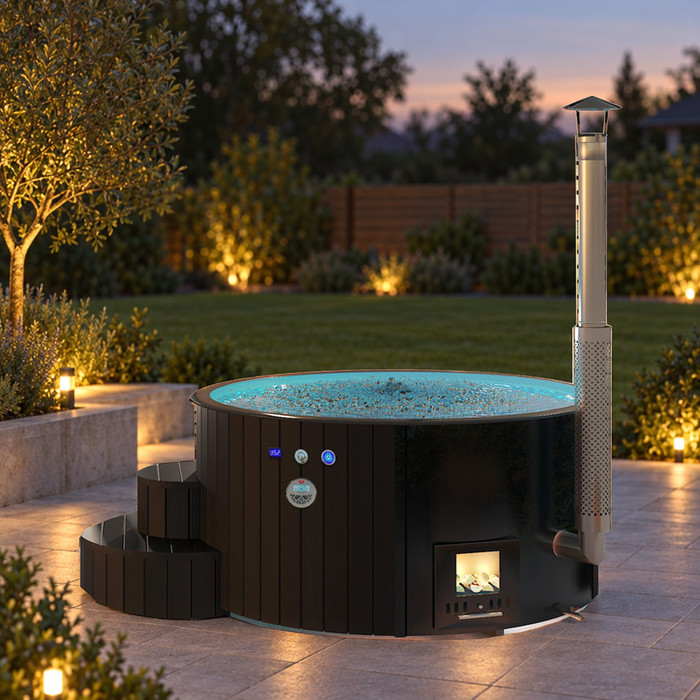
Compare written care requirements before buying
Before choosing a tub, request the instructions for the exact model and read the parts covering routine care and water care. For a candidate such as the Aurora 10 hot tub, ask which tasks are for the owner, which intervals or triggers are confirmed, which products are specified and where to seek clarification. If a task is described only verbally, ask where it is documented so you can refer to it later. Use the same questions for every candidate, and record the answers under consistent headings. This makes differences in the information supplied easier to see without treating a missing answer as evidence that a model needs less maintenance.
A simple comparison note can record whether written guidance was supplied, what recurring tasks it confirms, whether it names care products and how you would obtain clarification. Separate confirmed information from unanswered questions; an empty box is better than a guess. You can then judge the routine against the time and organisation you are comfortable managing. Avoid treating “easy to maintain” as a specification unless the actual tasks and intervals are documented. Nothing about a model name alone proves that one tub takes less care than another.
Review and update your maintenance routine
Keep a date on your working checklist so you can tell which version you are using. When the manufacturer clarifies an instruction, add the answer beside the relevant task and update any affected reminder. Keep earlier completed log entries as a record of what you did at the time, rather than rewriting them to match the new directions. Remove superseded working copies from the place where you carry out checks, while retaining the original correspondence for reference. If someone else helps with care, point out the change and make sure you are both using the same instructions. The aim is one clear current routine, supported by a readable history.
Review whether the routine still answers your questions when the way you use the tub changes. Note the change and check whether the written guidance identifies a relevant condition or trigger; do not automatically shorten or extend an interval. If a task becomes difficult to fit in, ask the manufacturer how to manage it rather than quietly omitting it. Likewise, if you miss a task or cannot tell whether it was completed, consult the guidance before deciding how to resume. Use the log to explain the uncertainty clearly. Its purpose is to support consistent care and useful questions, not to diagnose problems or create alternative maintenance instructions.
Frequently asked questions
How often should I check my hot tub?
Use the checks your manufacturer specifies around use, and set calendar reminders only for tasks with a confirmed interval or trigger in the instructions for your exact model. There is no universal schedule to copy safely.
What should I write in a maintenance log?
Record the date, the task, whether you completed it and any observations or readings the instructions ask you to note. For a measurement, include the specified method and units so the entry can be understood later.
Can I use the same water-care products for every hot tub?
Do not assume a product or treatment is suitable for every model. Follow the instructions for your tub and the product label, and ask the manufacturer or supplier if compatibility or use is unclear.
What should I do if a check gives an unexpected result?
Record the result and method, then follow the troubleshooting guidance for your model or contact the manufacturer or a suitable service professional. Do not guess at a correction or change a treatment based on appearance alone.
What care information should I ask for before buying?
Request the instructions for the exact model, its water-care guidance, any specified care products, confirmed task intervals and advice on which tasks are for the owner. Compare written answers rather than assuming similar tubs follow the same routine.
A useful maintenance routine is not the longest one; it is the one you can follow accurately. Keep your model’s instructions at hand, make use-linked checks easy to find, set reminders only from confirmed guidance and record the tasks that matter. When a product, interval or unexpected result is unclear, pause the guesswork and get advice for your exact tub. A short, well-kept log will make that routine easier to share and easier to adjust when the manufacturer’s guidance changes.
