
Aluminium Lean-To Greenhouses: A Practical Guide
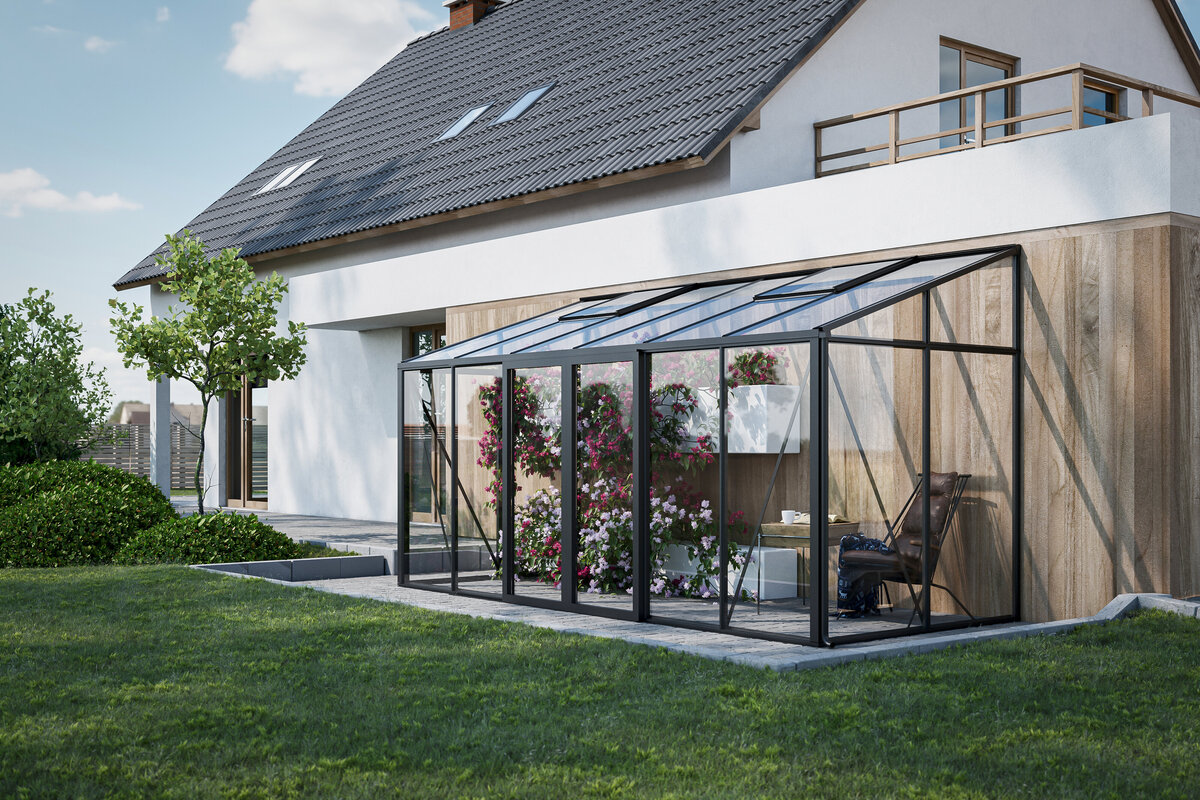
An aluminium lean-to greenhouse can bring useful growing room and visual appeal to a garden. This practical guide explores its main benefits and features, along with what to consider when selecting, installing and maintaining one. Whether you are starting out or have years of gardening experience, you will find helpful guidance for making an informed choice.
Benefits of aluminium lean-to greenhouses
- Using space well: A lean-to greenhouse sits against an existing wall, making it a smart option where garden space is limited. It makes efficient use of the available area and can benefit from warmth held by the adjoining building.
- Strength and durability: Aluminium is a robust, long-lasting material that resists rust and corrosion. This durability helps the greenhouse withstand varied weather conditions and keeps routine maintenance requirements relatively low throughout its working life.
- Capturing light and warmth: A wall beside the greenhouse can hold and release warmth, helping moderate conditions inside. Australian sites often benefit from a north-facing position, but local climate, summer sun and site conditions should guide the final orientation. Good glazing brings in light while the wall contributes stored heat for plants.
- Flexible growing space: A lean-to greenhouse can accommodate vegetables, flowers or even a quiet garden retreat. Its flexible design also gives tender plants a protected place during cooler months, making it useful for overwintering where local conditions require shelter.
Features worth considering
- Material quality: Check that the aluminium is high quality, with the strength and durability needed for long-term use. Anodised aluminium is an excellent choice because its treated finish provides additional protection against corrosion.
- Glazing choices: Greenhouses may use polycarbonate or toughened safety glass. Polycarbonate is lightweight and insulating, while toughened glass offers excellent clarity as well as strong durability.
- Ventilation: Good ventilation helps maintain a healthy growing environment. Adjustable roof vents and opening windows let you manage temperature and humidity as conditions change.
- Customisation: Select a greenhouse with options such as different sizes, colours, shelving or shading systems. These choices help tailor the structure to your growing needs and preferred garden style.
- Assembly considerations: Look for a greenhouse supplied with clear instructions and designed for straightforward assembly. If you are uncertain about your DIY skills, enquire whether professional installation is available for your location, along with its price and likely timing.
Installation and maintenance essentials
- Positioning: Place the lean-to where it receives suitable light, often against a north-facing wall in Australia. Ensure the ground is level and drains well so water does not collect around the structure.
- Foundation: A solid foundation is important for greenhouse stability. Concrete or treated timber are popular choices. Build the foundation slightly above the surrounding level to help prevent water from infiltrating the structure.
- Regular cleaning: Keep glass or polycarbonate panels clean so they continue to transmit as much light as possible. Wash them regularly with water and a mild detergent to remove dirt and algae growth.
- Seasonal care: Inspect the greenhouse’s structural integrity at least once each year. Tighten any loose screws, examine the seals around every glazed panel, and replace damaged parts promptly to prevent further deterioration.
- Pest management: Inspect plants and the greenhouse interior regularly to keep pests under control. Where suitable, use organic control methods to avoid chemical residues.
Getting more from your greenhouse
- Temperature control: For colder months, consider a thermostatically controlled heater and use an automatic vent opener in summer. This helps maintain steadier conditions throughout the year.
- Watering systems: Automatic watering, including drip irrigation, can save time and deliver water consistently. A rainwater collection system may also make greenhouse watering more sustainable.
- Lighting: During shorter winter days, grow lights can supplement daylight. LED grow lights are energy efficient and can encourage plant growth.
- Shelving and storage: Add shelving and storage to organise the interior and make the most of the available growing area.
- Shading: Shade cloth or blinds can protect plants from harsh sun and reduce overheating. Adjustable shading lets you control the amount of light entering the greenhouse.
Conclusion
For keen gardeners, an aluminium lean-to greenhouse is a worthwhile addition. It offers efficient use of space, durable construction and conditions that can support healthy plants. By considering the features and care practices in this guide, you can create a productive garden space to enjoy for years. Explore the range of quality aluminium lean-to greenhouses from Bloomcabin to find a solution suited to your garden.
Choosing an aluminium lean-to greenhouse from Bloomcabin is about more than enhancing your garden’s appearance; it is a step towards a sustainable, efficient and enjoyable way to grow.
