
How Long Do Aluminium Windows Last?
Understanding aluminium window longevity
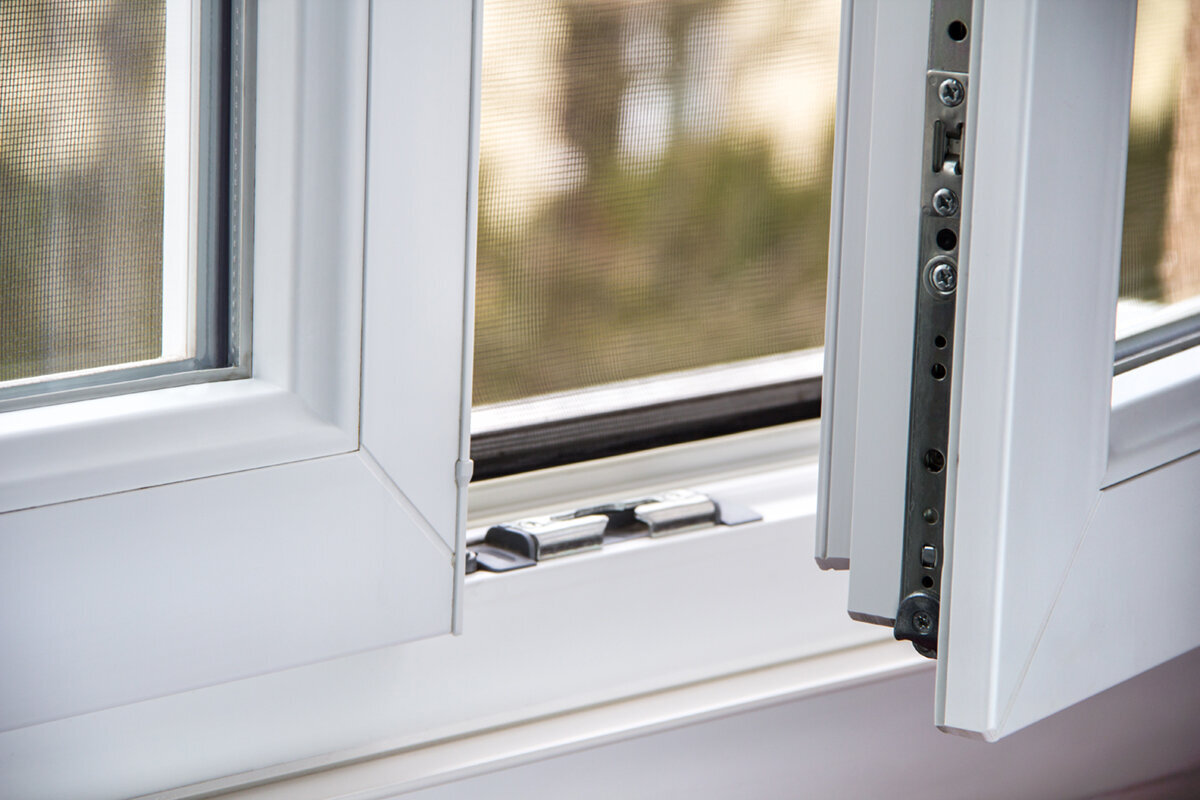
When choosing aluminium windows, it is tempting to look for one lifespan figure. What matters more is how each part ages in its particular conditions. The aluminium frame, finish, insulated glazing, seals, hardware and wall connection form one system, yet their renewal needs differ. A quality frame may remain visually sound for years while stiff operation, worn seals or moisture at the connection need earlier attention. Compare the full specification rather than frame material alone, including opening style, building position and installation plan. Checking drainage, access to every side and future hardware servicing before ordering creates better conditions for windows that keep working well.
The frame alone does not determine service life
Windows do not age as a single unit. Although the aluminium frame carries the assembly, everyday stress often falls on moving components, seals and the finish. Wind acts on the sash, temperature shifts affect junctions, cleaning contacts coatings and glazing beads, and each airing places force on handles and fittings. Rather than asking only how long aluminium lasts, consider which part is likely to need attention first in that room, façade position and pattern of use. Fixed glazing in a quiet space experiences different loads from a busy kitchen window or broad patio opening. Recognising those differences supports planned maintenance instead of an assumption that no maintenance will be required.
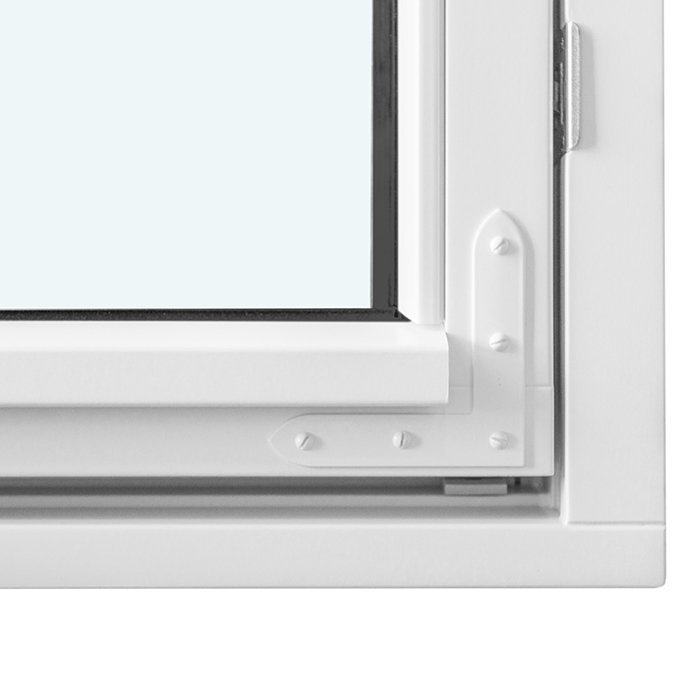
Read quotations component by component: frame, glass, seals, fittings and installation. Confirm the proposed surface treatment, the route taken by water, whether the fittings match the sash size and the maker’s care instructions for exposed surfaces. Establish which worn parts can later be serviced or replaced and who can do that work. A model name cannot confirm every technical feature, so the ordered specification and project suitability still need checking. Consider a fixed-glazed window as an example. It has no operable sash fittings, yet its glass edge, seals, cleaning access and building junction remain important throughout its service life.
Finish: protection and appearance
A suitable, well-kept finish helps aluminium retain an even appearance and shields it from local exposure. Rain residue, dust and pollen often gather around edges, low sections of the frame and sheltered recesses. Cleaning demands may be higher beside a busy road, in dense development or on a façade open to weather than on a protected loggia. Pale and dark colours can also display grime differently. This is not a judgement about colour quality; it is about matching appearance to exposure, cleaning frequency and access to the outside face. Assess colours and finishes in context rather than relying only on a small sample viewed indoors.
Ordinary cleaning will often require only water, a soft cloth and a mild compatible product applied according to the manufacturer’s directions. Avoid abrasive equipment, harsh solvents and strongly alkaline cleaners, which may harm both seals and finishes. Building residue needs particular care: render, mortar, adhesive and paint overspray should not be scrubbed off with an unsuitable product. Photograph any damage during handover and confirm the approved treatment before acting. Also consider the cleaning access of an outward-opening single-sash casement window before choosing it, ensuring the outer faces of both sash and frame can be reached safely for inspection and care.
Seals age differently from metal
Seals guide the sash into a controlled closure and help stop rain and unwanted draughts reaching the assembly. Opening and closing repeatedly compresses and releases them. Accumulated dirt, lasting distortion or isolated damage may eventually reduce their effectiveness. Warning signs include a cool draught at a shut window, an altered closing feel or visible splits. None proves by itself that the aluminium frame has failed. That distinction can prevent an unnecessary full replacement: determine first whether careful cleaning, adjustment or renewal of the affected part could resolve the problem.
Include corners and the concealed areas behind an open sash in the annual visual inspection. Lift away loose grime carefully, and apply a care product only when it is approved for that seal material. Do not paint, glue or crush seals. A highly airtight replacement may also change conditions indoors by removing the leaks that previously admitted air. Rather than indicating a fault, this calls for ventilation, humidity control and heating habits to be considered together. Ask the project designer or a qualified contractor to relate the intended ventilation strategy to the way each room is occupied and to the proposed window design.
Choose hardware for real use
Window fittings turn movement at the handle into movement of a sash that can be substantial in weight. Their load is shaped by frequency of use, opening angle and handling as well as window dimensions. A kitchen, child’s room or everyday garden access will not be used like a guest-room window opened occasionally. Never overcome stiffness simply by applying greater force. The cause may be dirt, an adjustment issue or a problem involving the sash or its junction. Prompt investigation helps protect handles, stays and locking points from avoidable stress. Store all operating and fitting documents with the original order paperwork.
Opening direction also governs access for upkeep. Many upper-storey outside faces are reachable indoors when a sash opens inwards, although clear interior space is essential. For single-sash inward-opening windows allow enough clearance around curtains, furniture, radiators and the sill for an unobstructed swing. Outward-opening designs preserve a different area inside but may complicate safe operation and exterior cleaning, depending on their location. Façade appearance alone is not a sound basis for deciding. Plot each sash path on the room plan, state how the opening will normally be used and ask the responsible professional to confirm that the fitting arrangement suits it.
Drainage works only when pathways stay clear
Water at the outside plane must be directed away through the intended falls and outlets, coordinated with the reveal, sill and façade junction. Leaves, insects, sanding residue or sealant added later can obstruct that system. Cleaning only the glass makes these working areas easy to overlook. Check visible lower-frame zones routinely, but do not dismantle covers or modify holes yourself. Photograph standing water, unusual deposits and recurring dampness for a contractor, particularly when they follow wind-driven rain. Record whether the issue affects one opening, one side of the building or appears only after particular work. That pattern may help separate an obstructed outlet from indoor moisture or a defective junction. Avoid filling a gap merely because it appears unnecessary; it could be an intentional drainage route. Have its role identified from the project documents.
Windows, external shading, sills and façade work should be coordinated because a later addition must not block a designed water route. Junction seals also need to accommodate the wall build-up, waterproofing and movement between materials rather than being treated as an incidental finishing task. Unusual geometry can make both connections and inspection more demanding. For instance, a triangular and sloping fixed-glazed window may create a strong architectural feature, but its survey, glass divisions, junction design and cleaning access all need explicit agreement before purchase. Geometry itself is not evidence of durability.
Installation and building connection shape real-world performance
Manufacturing quality alone cannot compensate for inaccurate measuring, poor alignment, unsuitable fixing or a badly detailed wall junction. Replacement work must account for the existing reveal, masonry, uneven surfaces, sills and interior finishes. New construction and substantial renovations also require sensible trade sequencing and protection while work continues. The junction has to accommodate movement while coordinating weather control, insulation and the internal seal. Qualified designers and trades should resolve those interfaces; a product photograph or preferred frame colour cannot do so. Before requesting a window dimension, define its reference points and which adjacent elements will remain. Establish when shutters, blinds, interior and exterior sills, and façade cladding will be handled. A written interface schedule can prevent missing preparatory work and protect completed surfaces from later trades.
Before authorising work, prepare a written survey and junction record. Include opening measurements and datum points, sash direction, placement within the wall, sill interfaces, fixing method, sealing approach and surfaces that will remain visible. Allocate responsibility for removing old units, temporarily protecting openings from weather and completing plaster or façade work. Repeated details across a multi-window renovation help keep the trades aligned. At handover, inspect sash fit and operation as well as glass, finishes and junctions. Identify each defect by room and component, with photographs, before the next stage of work hides it.
Treat size, division and opening as a load profile
Expanses of glass and narrow frame profiles can transform a room, while also increasing considerations around weight, handling and installation. Two smaller sashes distribute loads and use differently from one large sash. Fixed glazing eliminates routine opening forces but cannot provide natural ventilation. No particular configuration is always the most durable; the required function should lead the decision. A fixed light may suit a room primarily needing daylight, whereas frequent ventilation requires an opening that remains convenient every day. Place proposed furniture on the design drawings early, before it can become an obstacle to the sash.
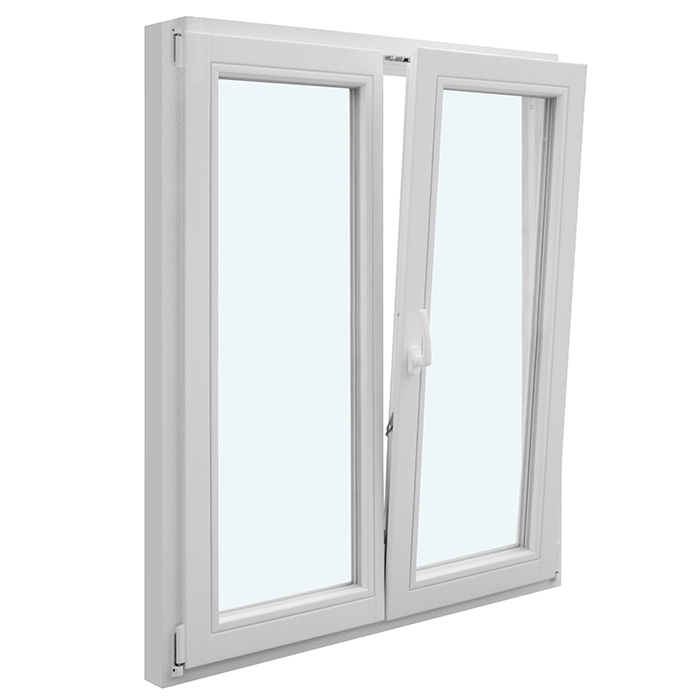
With two sashes, discuss use of the inactive sash and the central meeting stile in advance. A double-sash inward-opening window identifies how the leaves open, but it does not settle the fittings, glazing, thermal characteristics or finish. Put each of those requirements into the specification. Request drawings that show sash dimensions and unobstructed openings, not only an overall frame size. They reveal whether ventilation, cleaning access or a planned escape path can operate within the building design. Suitability and safety should be assessed by the qualified professionals responsible for the project, avoiding assumptions that would require alteration after the window has already been fitted.
Assess glazing and the glass edge together
Glass influences daylight, outlook and much of the thermal and acoustic experience, but judging its condition involves the entire glazed assembly. The edge seal, spacer, other sealing components and frame interface all contribute. Moisture on the room-facing surface might reflect high indoor humidity, a cold surface or limited airflow behind close-fitting curtains. Note its exact position and timing: moisture on the interior face, between panes, beside the frame or on the reveal points to different circumstances. These observations help a contractor diagnose the cause. Damage also needs precise description. Surface scratching, cracked glass, a harmed glazing bead and haze inside an insulated unit are separate findings. Photograph a change from several viewpoints and gently clean the accessible area before assessing it. For large or elevated windows, establish at ordering stage how future glazing work could safely gain access.
Do not assess an existing unit solely from a report of misting. Take photographs under comparable weather and note how the room was ventilated. Curtains left shut and furniture positioned against the glass can restrict air movement. For a new order, identify needs such as privacy, solar control, security, acoustic performance and appearance before specifying the build-up, because each may alter weight and operation. A Super Low Uw passive-house outward-opening window signals a defined place in the product range. Confirm from the complete quotation whether its functions and construction suit the wall and project; one low performance value cannot replace coordinated design.
Organise cleaning and small checks properly
Keep the care routine straightforward and consistent. Once heavy pollen or seasonal leaf debris has passed, look over accessible drainage points, seals and frame rebates. Wash glass and frames with compatible products when required, and remove moisture collecting in corners. Normal operation provides another check: notice any change in sash travel, handle movement or closure. Log concerns promptly, noting the room, side of the window, weather and visible sign. This record gives a contractor more useful evidence than a general complaint made much later. External areas at height require properly planned access by suitable professionals, not an improvised approach.
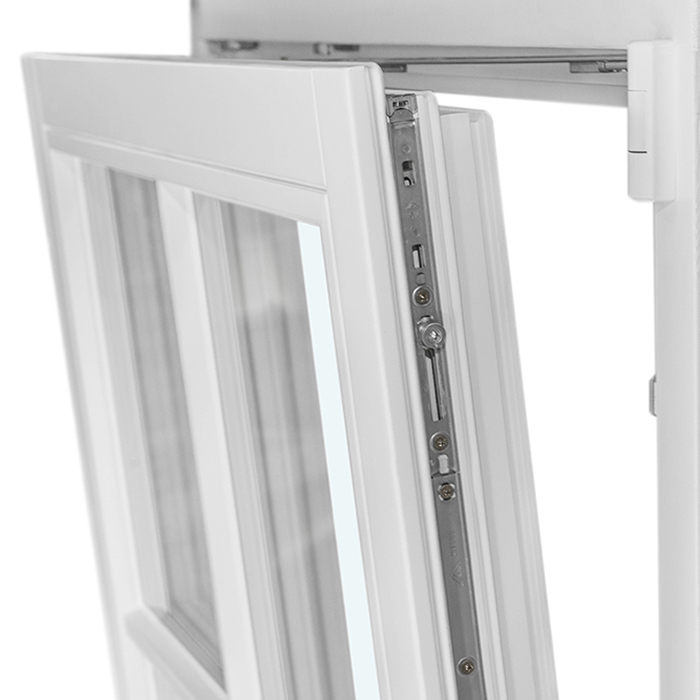
Good upkeep includes preventing avoidable loads. Secure open sashes in strong wind, never suspend objects from handles, and keep soil or construction debris out of rebates. Inspect again after trades have worked nearby or the façade has been cleaned. For top-hung outward-opening awning windows confirm before purchase how the exterior will be cleaned, how occupants will operate the sash and what keeps it safe while open. The name establishes the top-hung arrangement only. Location, dimensions and the final specification determine whether its access and operation are practical.
Deciding between repair, addition and replacement
A problem does not necessarily justify removing the entire aluminium window. Worn seals, a broken handle, maladjusted fittings and local finish damage differ from a persistently defective wall junction or a design unsuited to its use. Obtain a clear assessment of cause, extent and repairability before choosing a response. Ask which part is involved, what intervention is recommended, whether matching spares can be obtained and how a partial repair might change function or appearance. Consider the condition of nearby windows and any wider renovation programme alongside the immediate work.
Different openings can share the required functions: daylight might come through a fixed panel, ventilation through an accessible sash and access through an appropriately designed door. At a broad terrace connection, a Patio Life lift-and-slide door is another opening solution rather than a universal substitute for a window. Resolve its threshold, drainage, shading, glazing, operation and junctions as part of the whole design. Bloomcabin windows and doors include a 5-year guarantee. Delivery is 4–6 weeks, subject to order confirmation. Confirm the survey, complete specification and installation sequence before placing the final order.
Frequently asked questions
Do aluminium windows last longer than uPVC or timber windows?
Material labels alone do not support a reliable comparison. Aluminium, timber and uPVC involve different construction and maintenance considerations. Longevity depends on the ordered design, finish care, fittings, seals, glazing, installation and degree of weather exposure. Compare the complete specifications and future access for maintenance rather than judging only by the frame material.
How do I know an aluminium window should be inspected?
Possible warning signs include resistance at the handle, a different closing feel, split seals, accessible lower channels holding water, flaking finishes and unexplained dampness. Note when and where each symptom occurs and take photographs. This evidence helps a qualified contractor decide whether the next step should be cleaning, adjustment, repair or a broader investigation.
How often should I clean aluminium windows?
Cleaning frequency should respond to the site. Inspect and wash the windows when deposits build up, and after heavy pollen, falling leaves or nearby construction. More exposed façades may warrant closer observation. Follow the manufacturer’s directions, choose non-abrasive compatible products and clear loose debris from accessible drainage zones.
Can I adjust hardware myself?
Do not make trial adjustments without the correct instructions and suitable experience. An incorrect setting may harm components, operation or sealing pressure. Carefully clean what can be accessed and document the behaviour first. If the sash rubs, closes unevenly or remains difficult to move, have a qualified contractor identify the cause and set the fittings correctly.
What decisions before ordering can support a long service life?
Define what the room and window must do, including sash direction and size, cleaning access, shading and everyday use. Obtain written details for the finish, glass, seals, fittings and wall junction, then confirm the survey and installation sequence. Establish who will conduct handover, explain care and arrange future servicing of operable parts.
Next steps
Think of an aluminium window as an enduring assembly rather than simply a metal frame. A sound plan matches finish to façade exposure, keeps fittings and seals accessible, directs water away and resolves the wall junction carefully. Assign a practical purpose to every opening, whether daylight, ventilation, outlook, access or design. Compare quotations through their full specifications and coordinate surveying and installation with the broader works. Once fitted, appropriate cleaning and routine observation will reveal changes early. Timely assessment by a qualified professional can then help preserve both operation and appearance.
