
Black Friday Garden Shed Deals: Compare Total Project Costs
Black Friday buying guide
Black Friday can make a garden shed’s listed price stand out, but that figure is only one line in the project budget. Delivery, unloading, site preparation, a suitable base, assembly and any separately purchased items can all affect what you spend before the shed is ready for its intended use. This guide shows how to compare seasonal offers on a like-for-like basis without assuming a discount is available or that the headline price covers the surrounding work. Start with the exact product you are considering, check what is included, and keep confirmed amounts separate from estimates.
The headline price is only one part of the shed budget
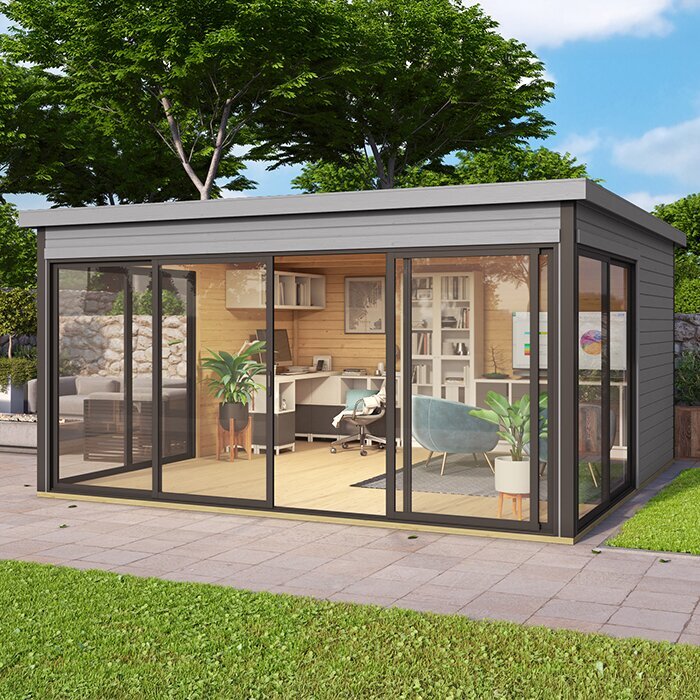
The total project cost is the amount needed to buy the selected garden shed and reach the agreed end point, such as delivery to the property or assembly on a prepared site. Write down the product price, delivery and unloading, any site or base work, installation, required extras, and removal of an existing structure if that applies. Mark each line as included, separately quoted, estimated, not needed or still unknown. An unknown charge is not zero, while an included charge should not be added again. Add the quote date and who is responsible for arranging each task. Use the Verdana 1 garden house listing only to identify the exact candidate you are costing.
Decide what ‘ready’ means for your purchase before comparing totals. For one buyer, it may mean the kit arrives at the property; for another, it may mean that a prepared base and assembly are also covered. Define that endpoint for every option, including any fit-out you consider essential. Note which tasks you will arrange yourself and which you expect a supplier or contractor to quote. This prevents a shed-only price being compared with a more complete package as if the two were equivalent. Keep the same list of required tasks for each candidate, and record optional improvements separately so they do not obscure the essential budget. A clear endpoint also tells you when a quote is incomplete.
Compare Black Friday offers on the same terms
An event label is not enough to establish what you would pay. Record the exact product name and any selected version, the amount displayed, when you viewed it, and the conditions shown beside the offer. If both a usual and event price appear, compare the actual offered amount for the same item rather than borrowing a reference price from another model or relying on a percentage saving. Keep the Verdana 2 garden house listing as its own comparison row; a similar-sounding name does not establish that it has the same price or included work as a different candidate. If the exact amount or applicable conditions are not clear, leave the saving uncounted until you can confirm it. Note any quote-validity date shown.
Ask for or save a written, itemised price for the exact choice and delivery address. Check what the quoted amount covers, whether it changes with your selected configuration or location, and which charges appear only at checkout or in a separate service quote. Record only offer conditions that affect your own order, and do not count a code, banner or general promotion as a reduction until the final payable amount reflects it. A useful comparison has one product, one order scenario and one clearly stated endpoint per row. It should not blend a headline figure with guessed allowances for work that has not been priced. Recheck the amount before ordering because displayed prices and conditions may change.
Check what delivery and unloading actually cover
Delivery is often the first cost outside a product price, so get it tied to your delivery postcode rather than relying on a general estimate. Ask whether the quote covers freight only, unloading, and movement from the agreed drop-off point to the intended site. Those are different parts of a delivery scope; do not assume a vehicle will place materials wherever you want them. If delivery is shown as included, ask what ‘included’ means in the quote and whether it applies to your address and selected product. Keep the answer in writing. When costing the Durano garden house listing, use the same delivery questions as for every other candidate. If the provider cannot cover the final leg, establish who will arrange it before accepting the total.
Tell the seller about access constraints before accepting the quote: for example, a narrow entrance, a long carry from the vehicle, restricted parking, steps or a surface that a delivery vehicle cannot use. Ask what access information they need and whether unloading equipment or a person on site is expected. If nobody can receive a delivery at the proposed time, find out what the stated redelivery, storage or waiting arrangements cost, if those arrangements are offered. Do not add a made-up fee, but do not leave these costs blank when the responsibility is yours. An accurate delivery allowance can require a site-specific answer, not just the product price. Compare delivery scope as well as the amount; two quotes may cover different drop-off points.
Budget for site preparation and the base
A garden shed’s location can create project costs before installation begins. The site may need clearing or an existing structure removed, and the selected product may have documented requirements for its supporting base. Check the manufacturer’s information for the exact item and ask a suitably qualified building or installation professional to assess your site if ground, slope, drainage or support is uncertain. Do not infer a base type or a site’s suitability from a model name, catalogue image or price. For the Veltor 1 listing, the product identity is a starting point for checking its own documentation; it does not establish what foundation work your property needs. If candidates have different documented requirements, price each site’s work on that basis rather than applying one general allowance.
Request a separate site-preparation quote if the work is not already included. Clarify whether it covers labour, materials, levelling, clearing, taking away spoil or old materials, and any access needed to complete the job; these are questions to ask, not assumptions about the quote. A prepared area can also affect when a shed can be delivered or assembled, so align the work sequence with the people responsible for each task. Ask who confirms that the site is ready and whether the base provider and installer coordinate their scopes. Use the professional’s scope and the product’s documented requirements when comparing base costs. Do not calculate structural requirements yourself or treat a generic allowance as a confirmed price.
Compare assembly and installation quotes
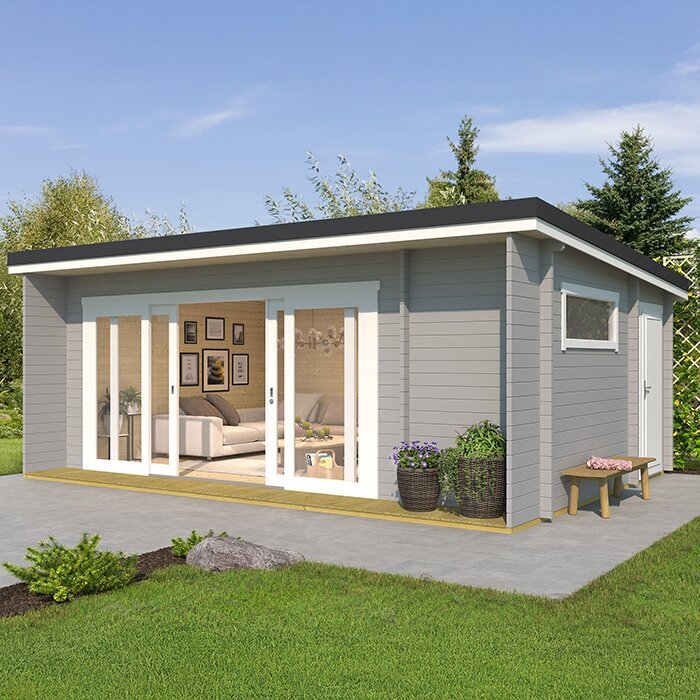
Assembly is a separate decision from delivery. Some buyers may arrange their own assembly; others may need a professional service, depending on the product, their skills and the work required. If a service is available, request a quote for the exact model and configuration, your location, and the agreed prepared-site condition. For the Orello 1 listing, a generic labour estimate should not stand in for a quote that names the product and scope. Ask whether the amount covers unpacking, assembly, fixing the structure as specified, clearing packaging and dealing with missing or damaged components; the provider’s written scope should say what is and is not included. Confirm who is expected to resolve a mismatch between the delivered product and the agreed service.
Separate work that would make the structure usable from later fit-out or decoration. For instance, internal storage fittings, paint or finish, electrical work or other trade work should be included only if it forms part of your plan and has a separate, suitable quote. If electrical or structural tasks are needed, have an appropriately qualified professional assess and price them; this article is not a substitute for that assessment. Check whether the installer expects the base to be complete and who handles changes if the site is not ready. Comparing those responsibilities helps reveal a cheaper-looking offer that leaves more work with you. If a service is not available for your order, budget for any alternative arrangements rather than assuming assembly is part of the product price.
Separate included items from optional extras
Read the itemised contents rather than deciding from a product photo or a broad name what arrives in the order. Check the exact listing or written quote for the shed package and any stated floor, fittings, fasteners, glazing, doors or other components relevant to your intended use. This is a checklist of questions, not a claim that any particular item is included. Note each required part as included, priced separately or not confirmed. If the page does not make the scope clear, ask before setting the budget. For the Modano 1 listing, record only details explicitly stated for that selected item, then confirm any uncertainty with the seller. Save the response with the version and price you are comparing.
Keep optional additions in a separate column from what is necessary to achieve your agreed endpoint. A finish, shelving, a lock, lighting, floor or other accessory may be useful for a particular plan, but a product-page photograph is not evidence that it is supplied or that you need it. Check manufacturer guidance for any treatment or ongoing care requirements, and include those costs where they genuinely apply. If care will happen later, list it as future upkeep rather than folding it into the initial project total. This avoids comparing one option with extras against another without them, or rejecting an option because a discretionary upgrade has been counted as compulsory. Price only the choices you intend to order.
Match the product to your intended use
Set the storage or garden-use requirement before ranking price. Note what needs to be stored or how the room will be used, how often you need access, and any essential product characteristics. Then check the chosen candidate’s published dimensions, materials and features against those needs; do not treat model names or images as proof of suitability. A comparison of the M timber garden shed listing begins with the exact information supplied for that candidate and the purpose you have in mind, not an assumption based on its name. If essential details are missing, leave that choice unresolved rather than creating a specification from the photograph. Mark each requirement as essential or optional before comparing prices.
Once a candidate meets the non-negotiable requirements, compare its complete cost with other candidates that meet the same requirements. A lower-priced product that cannot perform the planned role is not a like-for-like saving; conversely, there is little value in paying for features you will not use when they increase the project total. Keep the comparison grounded in documented dimensions, construction information and inclusions for each exact item, plus separate quotes for delivery and work. If one option needs additional purchases to meet the brief, price them explicitly so the difference is visible. This helps distinguish a suitable lower-cost choice from a cheap headline that leaves an unmet requirement.
Keep estimates and confirmed costs separate
Make quotations comparable by labelling each figure as fixed for the stated scope, an estimate, conditional on a site check, or not yet confirmed. Ask which assumptions could change it: for example, the product version, delivery address, access details, condition of the site or timing of the work. The purpose is not to challenge a contractor’s method but to know what budget exposure remains. For the Timber Tool Shed S listing, keep any product amount separate from service estimates, and note the date and scope of each quote so the figures are not mixed later. If a site visit could revise the estimate, record that as an open condition rather than treating the first figure as final.
If a quote leaves a material item open, ask for the missing amount or a reasonable range from the person responsible before deciding what you can afford. Avoid assigning a zero to work that has not been priced, and avoid adding the same service twice when it appears in an all-in package and a separate estimate. Set a personal spending ceiling based on the total you can accept, including clearly identified uncertainty. If the estimates cannot be brought within that limit, compare a different product or scope, or wait until the costs are clearer. Note any stated quote-validity period and ask whether a changed scope needs a revised quote. No general contingency percentage can replace a site-specific quote.
Add the project costs without double-counting
Now add the confirmed figures for the scope you have chosen: the exact shed amount, delivery and unloading, site preparation and base, assembly, essential extras, and removal or follow-up work if relevant. Include any applicable tax or mandatory charges where they are not already included in a quoted total. Subtract nothing based on an assumed discount, and do not count an included service again as an extra. Keep estimates beside the confirmed subtotal rather than disguising them inside it. The result can be stated as a confirmed minimum plus specified unresolved items, or as a range where suppliers have provided one. That is more useful than a single total with invisible assumptions.
Apply the same method to each viable option. On a simple comparison sheet, record the product, price date, included scope, delivery, site work, installation, required extras, unknowns and total for the chosen endpoint. Review whether each number uses the same address, site condition and finish. An option with a higher headline amount can have a lower project total if it genuinely includes services you would otherwise buy, while a low advertised amount can require costly separate work; both are possibilities to verify, not conclusions about any listing. Compare the full documented totals, then revisit the choice if a quote changes.
Check the order details before you buy
Before placing an order, reconcile the item selected in the cart or written quote with the candidate you assessed: exact product name, any chosen option, quantity, delivery address and final amount. Confirm delivery scope, unloading responsibility, site readiness, installation arrangements, and whether the current price applies to that exact order. Check that every required add-on is listed and that optional extras have not been included by mistake. Review the supplier’s current purchase and delivery terms for the commitments that matter to you, including any stated dates and what happens if plans change; do not assume timing or service based on a banner.
Black Friday can make several choices feel urgent, but an unconfirmed saving or a gap in the installation budget is not a reason to rush. If the location, base requirements or delivery access still need professional confirmation, include that work in the decision rather than ordering around it. When the final quote changes, recalculate all options on the same basis; if the total no longer fits your budget, pause and reconsider the scope. The best comparison is the one that accurately reflects what you will pay and what will be done, not the one with the most impressive first number.
Frequently asked questions
What should a garden shed project cost include?
Include the exact shed price, delivery and unloading, site preparation and base work, assembly, required extras, and any planned removal or trade work. Mark what is already included so it is not counted twice, and keep estimates and unknowns separate from confirmed charges.
How do I tell whether a Black Friday garden shed deal is good value?
Compare the amount you can actually pay for the exact item, including the same delivery, base, installation and extras scope for each alternative. A displayed reduction alone does not show project savings. Confirm the applicable offer conditions and costs in the checkout or written quote; do not assume an unlisted discount.
How can I estimate delivery charges?
Ask for a quote based on your delivery postcode and explain any access constraints. Confirm whether it covers unloading and where the goods will be left, plus any receiving or redelivery arrangements relevant to your order. Do not rely on a generic rate if your address or access can affect the scope.
Should site preparation be included in the shed price comparison?
Yes, when your chosen site is not already ready or the product has specific base requirements. Check the product documentation and get a suitable professional’s assessment where needed. Record clearing, base work and labour separately so a shed-only price is not compared with a prepared-and-installed total.
Can I order while installation costs are still uncertain?
Only if you have accounted for that uncertainty and the possible total remains acceptable to you. Ask the installer or supplier to clarify the scope, exclusions and estimates first. Treat unknown work as an open cost, not a free service, and redo the comparison if a later quote changes the budget.
To compare Black Friday garden shed deals sensibly, price the whole job for the exact product and end point you want. Verify the offer amount, delivery and unloading, site and base work, installation, required extras, and every unresolved estimate. Keep optional upgrades apart and do not treat missing costs as zero. Once each candidate is measured against the same requirements and documented scope, you can judge whether the offer reduces the real project cost—or whether a different option, or waiting for clearer quotes, makes more sense.
