
Black Friday Garden Shed Upgrades: Where to Spend Your Budget
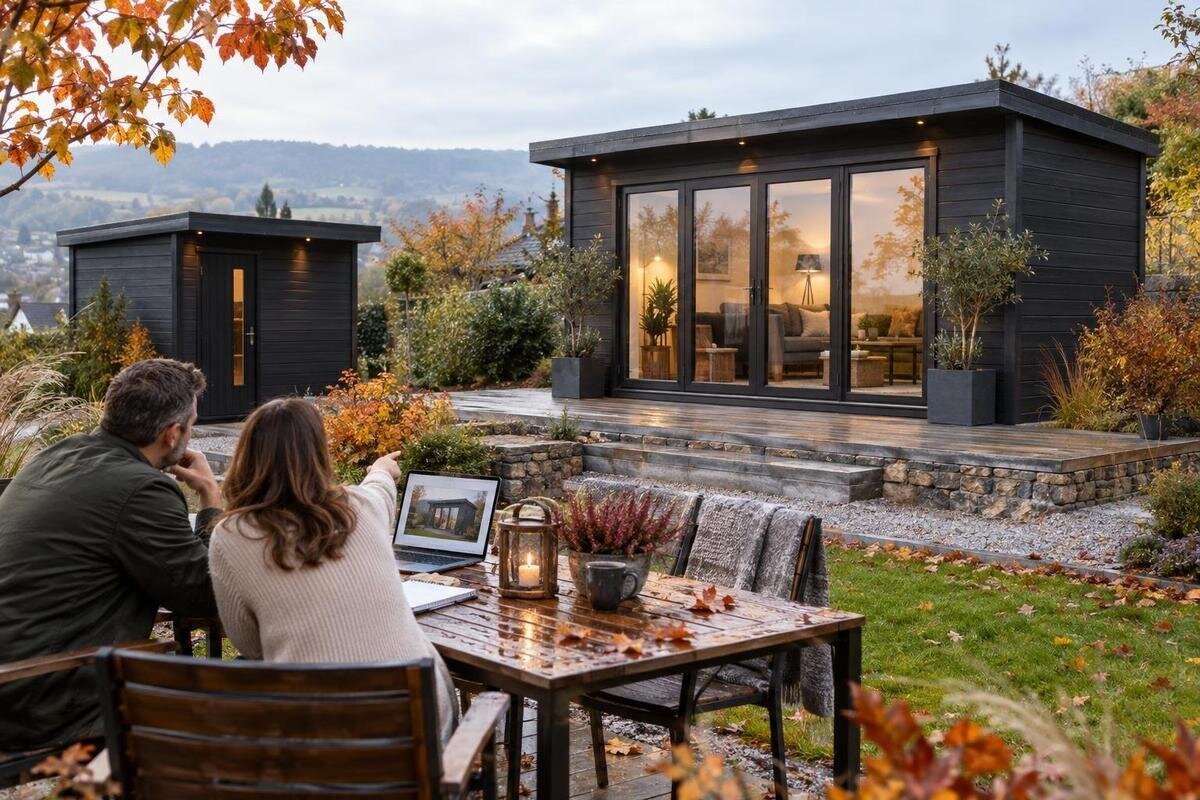
Black Friday garden shed guide
Black Friday can put the price of a garden shed in front of you before you have decided which features matter. A useful budget works the other way around: identify the storage problem, rank the improvements that solve it, then compare options by their stated inclusions and total cost. Spend first on fit, access and protection for the things you will actually keep inside; treat add-ons as optional until they have a clear purpose. No event label makes a feature good value by itself, and this guide does not assume a particular discount is available. Whether replacing an old shed or choosing a new one, ask whether each spend will make it easier to use, protect its contents or suit your site.
01
What needs to fit in the shed?
Before comparing garden sheds, list the things you need to store and how often you reach for each one. A mower or wheelbarrow needs a clear route; hand tools can sit in a smaller zone, while seasonal gear may suit less accessible storage. Note which items need protection from rain, dust or unauthorised access, then check that the product you choose is intended to provide the protection required. This inventory separates genuine needs from upgrades that look useful in a product photo but add little to your daily routine. It also reveals whether the shed is mainly for tools, outdoor equipment, garden supplies or a mix that needs separate areas.
Sort the list into three groups: must fit on day one, likely to be added soon and nice to have. Measure the largest awkward item and note whether it needs to sit flat or be reached without moving everything else. Include containers and bags, not just equipment, and think about future gardening gear without paying for speculative empty volume. Prioritise enough clear floor area and a workable layout before appearance-led extras. If the shortlist feels uncertain, sketch the items and their positions; you may find that better shelving or a clear route matters more than a larger shed.
Footprint and usable dimensions
Check the external footprint against the available space, then consider usable internal floor area and height separately. Catalogue photographs can distort scale, and a model name cannot tell you how much room remains once walls, roof angles and doorways are taken into account. Use the dimensions the seller states, noting whether each is an outside measurement or a usable internal one. Include the door opening where it is specified: a shed may fit in the garden yet be too cramped for the equipment you own. For a close fit, allow space to approach the shed and operate its door, not only the building outline.
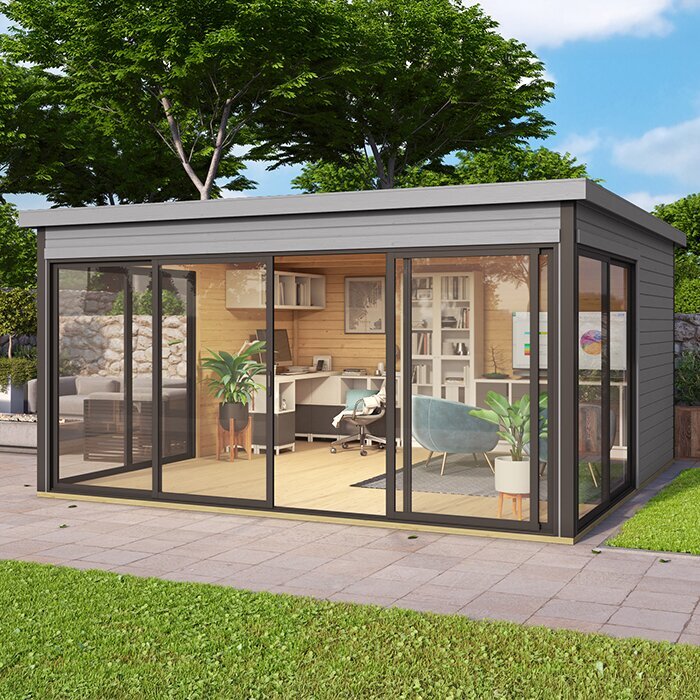
Use Verdana 1 garden house as one comparison entry only after reading the listing’s stated measurements; do not estimate capacity from its name or image. Mark the proposed footprint on the ground and check it against paths, gates, fences, trees and the space needed for the door to operate. Keep a sketch of each option, with the source of each measurement noted. Check height too if tall equipment or overhead storage matters. If a dimension or required clearance is missing, ask before ordering rather than assuming a similar-looking shed will fit. This simple comparison can prevent the larger expense of choosing a model that does not suit the site.
02
Storage fittings and internal layout
Storage fittings can improve a shed, but only if they suit what goes inside. Decide whether shelves, wall hooks, a bench or a freestanding cabinet would solve a real problem, then check the product details to see what is supplied and what costs extra. Keep bulky tools on a clear floor route, reserve easy-to-reach positions for frequently used items, and group small gear so it does not spread across the work area. A workbench is useful only if there is room to stand at it without shifting other equipment. Plan the arrangement before shopping for accessories.
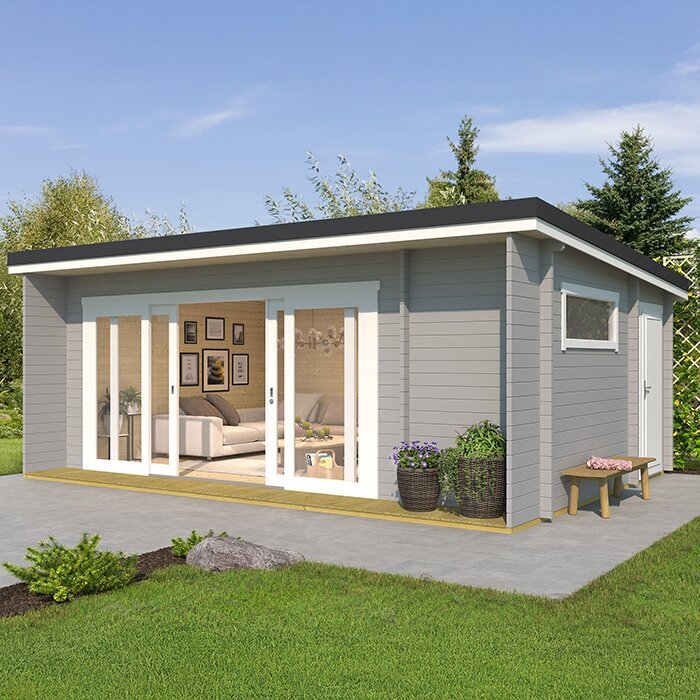
Use Verdana 2 garden house as one comparison entry, not as evidence that particular fittings are included. Record documented internal dimensions, accessory options and mounting guidance, then price only items confirmed as compatible. Product photos may show staging or optional extras; treat them as illustrative unless the listing says otherwise. If the internal arrangement is unclear, ask what is included and whether the surfaces are intended to accept the fitting you have in mind. A clear plan can be more useful than buying every hook or shelf available.
Door access for everyday use
The entrance affects what a shed can store comfortably. Check the stated door opening against the widest and tallest item you expect to carry through, including handles or wheels that make it awkward. Also consider the space used by a hinged door, or the travel needed by a sliding arrangement if the product specifies one. If a listing shows multiple door panels, check how they operate and what needs to stay clear. A shelf positioned across the route can defeat a convenient entrance, so consider access both inside and outside the shed.
With Durano garden house or any other listing, compare only the door arrangement and opening dimensions actually documented. Do not infer them from a styled image or assume the model name describes its access. Sketch your normal routine: carrying a bag of soil, rolling out a mower or retrieving something stored at the back. Allow room to stand and turn while handling awkward or long items. If access looks difficult, consider a different layout before paying for interior accessories. Frequent access can be worth more than extra storage that is hard to reach.
03
Security for the items you store
Security spending should reflect what you plan to store and how costly it would be to replace. Hand tools and garden supplies may call for a different approach from expensive equipment, but no lock makes a shed theft-proof. Check the actual locking points and whether they accept the type of lock you intend to use. Consider whether windows or other openings affect privacy, and how visible the contents are from paths or neighbouring areas. If insurance cover matters, ask your insurer how items stored in a shed are treated and what conditions apply.
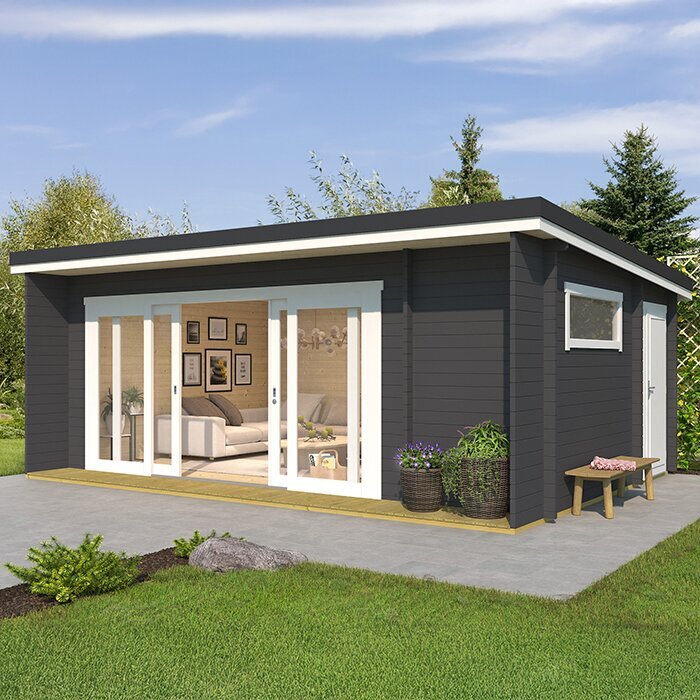
Before assigning money to a lock or alarm, check what the product includes and what is compatible; this applies if Veltor 1 garden house is on your shortlist as much as to any other model. An advertised security feature may not address every concern, so check the lock position and whether an additional lock can be fitted as intended. Consider how much you can see into the shed from outside. For valuable equipment, think about whether keeping it in the shed is appropriate at all. Spend on a specific, verifiable improvement rather than relying on a vague label such as secure.
Material choice and ongoing care
Material can affect appearance, upkeep and suitability for the site, so compare the stated construction rather than a broad label alone. Timber, metal and resin or composite sheds can differ in how their finishes are maintained and how they respond to surrounding conditions. With timber, the need for protective treatment depends on the product and its exposure; with metal, check how the coating should be cared for and what to do if it is damaged. For resin or composite, consult the maker’s guidance on cleaning and exposure. These are reasons to check instructions, maintenance tasks and site-suitability information before paying more for a finish.
If Orello 1 is one of the models you are weighing up, use its product page to confirm construction and stated care instructions; do not infer material or maintenance requirements from the name or image. Compare the tasks you will actually need to do, any supplies they require and whether the site is exposed to strong sun, wind-driven rain or salt-bearing air. Assess the intended position rather than assuming one material suits every backyard. Where the listing does not explain whether a material or finish suits your setting, ask the seller or manufacturer for guidance before spending more.
04
When light and ventilation are worth paying for
Windows and ventilation are worth budgeting for only when they match the contents and the way you use the shed. Natural light can make it easier to find smaller items, while transparent glazing can make stored contents more visible; weigh those trade-offs against the location. Ventilation openings may help with air movement, but they are not a substitute for a suitable site or for following the product’s care guidance. Depending on their design, openings may also affect how much dust or debris gets inside. Check what can be opened or closed as specified rather than assuming a photograph shows the full arrangement.
Compare Modano 1 with other candidates only on glazing and ventilation details stated in its listing. Note what is included, which openings are fixed or operable if this is specified, and whether a related option is a separate purchase. If the shed will hold items sensitive to dust, light or moisture, ask the supplier what the stated design is intended to support. That gives you a clearer basis for spending than adding windows because they look appealing, or rejecting them without considering how you will find and use stored items.
Base preparation and setup costs
Do not spend the whole budget on the shed and leave the ground or assembly unplanned. Check the product’s stated base requirements, what preparation the site needs, and whether assembly is included or quoted separately. The intended position may have uneven ground, pooling water or nearby roots; these can affect what preparation is appropriate. Avoid improvising a foundation from generic advice. If the ground is sloped, unstable or otherwise uncertain, ask the seller or a suitably qualified installer about a compatible base and site preparation before ordering. A simple sketch of the intended position and nearby obstacles can help explain the site when asking questions.
Include M timber garden shed in the comparison only after checking its published base and assembly instructions; a material label alone cannot tell you what the site needs. Make separate budget lines for any base, levelling, preparation or assembly not included in the quoted order. Ask for an itemised estimate where work is needed, and make sure it refers to the selected model and your actual site. Check what the work covers and what remains your responsibility. If the supplier does not give clear preparation requirements, pause to clarify them before ordering.
05
Which add-ons can wait?
Once the core requirements are met, sort upgrades into three categories: essential before the shed is set up, useful but deferrable, and unnecessary. Built-in choices that affect layout or access may be difficult to change later. Freestanding storage, containers and some organisers may be easier to add, but only if they fit and can be used as intended. Keep included accessories separate from optional ones in your notes, and check whether the seller offers compatible extras. Avoid assuming a generic shelf, hook or workbench will suit the shed simply because it is sold for garden storage.
Use Timber tool shed S as a comparison entry and note from its listing what is included and what would be a separate purchase; the product name alone does not establish either. Price additions that solve a clear problem, such as separating small tools or keeping frequently used items reachable, and defer decorative extras until the basics are covered. Before postponing a fitting, confirm it can be added later without obstructing a door or taking space needed for equipment. Staging purchases can keep the initial order within your limit, provided the future addition remains compatible and practical.
The full cost of a garden shed purchase
Black Friday can make a headline figure the centre of a comparison, but the relevant number is the total for the shed and the choices you actually need. Compare like with like: the same type of product, the same stated inclusions, and the same allowance for any necessary base, finish, assembly or accessories. Add delivery or assembly charges only where they appear in a quote or order summary; do not assume they are included or excluded. If a feature is optional, calculate the total both with and without it so its value is visible in context.
Set a maximum all-in amount before selecting extras, and keep a reserve for costs you have identified but not yet confirmed. Make a comparison table with the product price, required site work, chosen upgrades, stated inclusions and final amount at checkout or in the written quote. If the listing leaves a question that affects your budget, get an answer before ordering; do not count an unconfirmed feature as included. Keep your non-negotiable requirements beside the cost table, so a lower total does not distract from a missing function. This makes the purchase a considered decision, whether or not a particular listing has an offer.
Frequently asked questions
Should I buy a larger shed now to avoid upgrading later?
Only if the extra capacity suits a realistic future need and the shed fits your site. Compare usable internal space, door access and the largest items you expect to store. Paying for empty space is poor value if it leaves too little in the budget for essential setup or storage.
How do I set a Black Friday garden shed budget?
Choose a maximum for the complete purchase, not just the shed itself. Allow for any necessary site preparation, assembly, essential fittings and care products, plus any charges stated in the quote or order summary. Compare the total for each option and avoid treating an unconfirmed inclusion as part of the price.
Are windows or extra ventilation worth the cost?
It depends on what you plan to store and where the shed will stand. Light can make small items easier to find, while windows may affect privacy depending on their glazing and placement. Ventilation can support air movement, but it does not replace a suitable site or product care. Check the actual design and listed inclusions before paying extra.
Is a lock upgrade enough to secure a garden shed?
A lock is only one part of a security decision, and no lock guarantees that a shed or its contents cannot be accessed. Check the locking points and any openings, and consider whether valuable equipment should be stored elsewhere. If insurance cover matters, ask your insurer how shed contents are treated.
Can I buy shelves and storage accessories later?
Often, but do not assume a later purchase will fit or be compatible. Check the shed’s product information for accessory options, mounting guidance and available space before leaving an item out of your initial budget. Make sure added storage will not block the door or the route to frequently used equipment.
A sensible Black Friday garden shed budget begins with a list of what needs to fit, followed by the checks that establish whether a shortlisted shed suits your site and routine. Put money towards reliable access, useful storage and appropriate protection before choosing extras for appearance alone. Then include necessary setup and compare the complete stated cost. If a feature does not solve a real problem, or its compatibility is unclear, leave it out until you have better information. The right priority is the one that makes the shed useful every day, not the longest list of upgrades.
