
Black Friday Offers for Garden Sheds With Large Glass Doors: What to Check
GARDEN SHED BUYING GUIDE
Black Friday offers on garden sheds with large glass doors are easiest to assess when you separate the headline price from the exact product and purchase terms. A low figure cannot tell you whether the footprint fits, what the glazing includes, how the doors open, or what it will take to assemble and receive the structure. The useful comparison is between complete configurations, not attractive photos or similar product names. Use this checklist to establish what is stated, what remains uncertain and whether the shed will work in your garden. The event label is only a timing cue; it is not proof of a saving or a reason to overlook an unanswered detail.
01
Compare the exact offer, not the event label
Record the exact model name and selected configuration, the displayed price, any chosen options, the offer conditions and any date shown. Black Friday is a shopping event, not a specification: similar names or photographs can represent different configurations. Compare the option you would actually order, including choices for door layout, glazing, finish or extras, rather than the lowest figure on a category page. If selecting an option changes the amount, note the updated figure. Check any stated eligibility rules or exclusions. Where a term is unclear, ask before paying and keep the reply with your order notes. This makes it easier to tell whether a difference comes from price or from a different package.
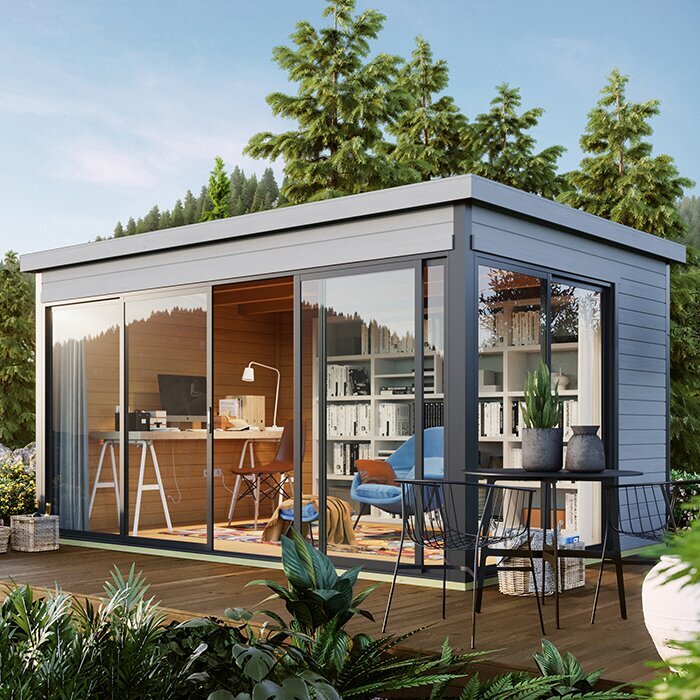
Build a comparison sheet with one row for each exact product and separate notes for what is included, optional or unconfirmed. The Verdana 1 garden house can be identified by its name, but that name does not establish its glazing, door layout or package contents. Read the product page for the configuration you are considering; record only details it explicitly states and leave unanswered points visible. Take note of any variant or size shown so you can match it again at checkout. If the offer page and product page appear to differ, ask which price and terms apply to the selected item in your order.
Measure the full footprint and usable interior
Measure the area the complete structure would occupy, then check exactly which measurements the listing supplies. A stated footprint may refer to the wall line, while an overall dimension may include a roof edge or other projection; do not guess which one applies. Use the plan or drawing to locate the outside width and depth, total height and any projection that matters to paths, fences, gates, trees or nearby buildings. Allow a practical route around the garden house where access or upkeep requires it. On a tight site, a small difference between wall dimensions and overall dimensions can decide whether the position works.
Then compare the internal floor dimensions and the location of the opening. External measurements cannot tell you how much clear floor remains once walls and fixed elements are accounted for, so sketch the proposed furniture, storage or work area against the stated plan. Check that the entrance, path and route to the site can be used without blocking a gate or everyday access. If the Verdana 2 listing is under consideration, use its written measurements and drawings; do not infer usable area from a product photograph. Ask for any missing measurement before treating the footprint as a fit.
02
Verify what ‘large glass doors’ means in the listing
Treat ‘large glass doors’ as a description to verify, not a complete specification. Ask what the transparent panels are made from, how many are included, their dimensions, and whether the claimed glazed area belongs to moving doors, fixed side panels or both. Check whether measurements refer to the glass, each door leaf or the full framed opening. A wide photo can make an opening look larger than its usable clear width, and a category image may show a different configuration from the option being priced. If the listing offers choices, confirm which glazing option is selected and included. Ask for a drawing or specification sheet if the wording is too broad to answer these points.
Look for a drawing that distinguishes fixed glazing from moving door panels and shows the surrounding frame. Ask for the stated material and any documented specifications or safety information relevant to your setting. If you need help interpreting a requirement, contact the manufacturer or a suitably qualified professional. For Durano spacious garden house, as for any listing, confirm that its current product details match your large-glass-door brief before treating it as comparable. Product names and thumbnails identify a page; they do not settle the material or configuration. Written confirmation is more useful than an assumption when an offer depends on an option.
Check door movement and clear access
The way a door opens affects the space needed around it. Check the stated operating type and usable clear width, not just the overall width of the frame. If a listing describes sliding doors, check how the panels move and how much of the opening remains clear. Hinged doors need room to swing, while folding doors need space for panels to gather. Confirm whether any stated width measures the frame or the clear passage, and whether the opening direction suits the position you have planned. These are practical layout questions; a lower event price does not resolve them.
Test the approach on a simple plan or by marking the proposed opening area on the ground. Include nearby fences, outdoor furniture, trees, garden beds and anything that might obstruct the doors or the route through them. Consider what you will carry inside, such as a bulky piece of equipment, and compare it with the stated clear opening rather than the outside frame measurement. If Veltor 1 remains on your shortlist, check its own written opening details before deciding whether access works. Do not assume a product photograph shows the door operation or clearance accurately.
03
Choose a position that works with light, views and privacy
Think about placement from inside and outside, not just the view shown in a listing. Stand where the structure would sit, or use a site sketch, and note what the glazed side would face: the garden, a boundary, a neighbouring window or a path. Observe shade and reflected light at the times you expect to use the room. These conditions can change during the day and across the year, so a single product photo cannot predict privacy, glare or the view from your site. Decide which of those matters most to you before treating a larger glazed area as an advantage.
Plan the interior around the glazed wall as well. Check how much uninterrupted wall remains for shelving, a workbench or furniture, and whether stored items would obscure the view or sit in the door path. If privacy treatments or other coverings matter, check whether any are included or need separate planning; do not assume they form part of the offer. When reviewing Orello 1, use its own current plan and written details to verify where any glazing and openings are shown, rather than borrowing a layout from another model. That keeps your siting decisions tied to the exact shed.
Match the garden house to its intended use
Decide what the garden house needs to do before comparing features. A space for equipment, a place to work on projects and a spot to sit call for different priorities: clear entry width, floor area, wall space, access to stored items and privacy may matter in different proportions. A glazed opening can create a more direct visual connection with the garden, but it occupies a wall opening. Check whether the remaining wall and floor suit your intended layout. Measure the bulkiest item you expect to move through the doors, then compare it with the stated clear opening rather than the outside frame.
Sketch the interior with furniture or gear at a realistic scale, leaving a clear route from the entrance to the areas you will use. Note any need for light control, ventilation, privacy or a particular working environment, then check that the listing provides relevant information instead of treating a photo as proof. Do not assume a garden house includes services or performance that are not stated in its specifications. If your plans depend on electrical work or another site-specific service, ask an appropriately qualified professional about feasibility before ordering. If Modano 1 is on your shortlist, apply the same use test to the exact details on its own page.
04
Confirm assembly and site preparation
Before committing, read the assembly guide for the precise model and configuration. Check what the instructions say about the number of people, tools, sequence, component identification and prepared base; do not rely on a general description or on an installation guide for another product. Find out whether you will organise assembly yourself or whether an assembly service is available, and, if so, what it covers. Ask who is responsible for site preparation and what must be ready before delivery arrives. These answers affect the work involved, the timing and the space you need around the build.
Plan the route from the drop-off point to the build area as well as the final footprint. Narrow gates, steps, sharp turns or overhead obstacles may affect whether bulky components can be moved through the garden; confirm package dimensions or handling arrangements with the seller rather than estimating from a picture. Keep the manual’s stated site requirements in view, and seek qualified help if a question about the base, fixing or site conditions is outside your experience. Treat the M timber garden shed page as its own listing: its information cannot confirm the assembly needs of a different garden house.
Read the delivery and unloading terms
Read the delivery information before ordering, and make sure it applies to your postcode or delivery area and to the exact item in your order. Check whether the quoted total includes transport, where the carrier will leave the package, who unloads it and what access is needed for the vehicle. Terms such as delivery to a property, kerbside drop-off and placement at the build site are not interchangeable; rely only on what the seller states. Ask about charges, exclusions, appointment arrangements or limits that are unclear. Do not assume a Black Friday price includes delivery or on-site handling unless the terms say so.
Walk the likely route from the delivery point to the garden and check gates, turning space, slopes, steps and somewhere to keep the package until assembly. Confirm who should be present, how the order should be checked on arrival, and how damage or missing parts should be reported, including any time limits in the terms. These details matter even when the product looks right on paper. If you have bookmarked timber tool shed S, keep its delivery details separate from those for the garden house you intend to buy; verify the terms attached to the exact order, not another page.
05
Compare the final payable amount and purchase conditions
Compare the amount payable for the completed order, not just the prominent figure in an advert. Add only charges or options that the seller actually states, such as delivery or selected extras, and check the amount shown at the order stage before paying. If two listings use different sizes, glazing choices, door hardware or inclusions, they are not direct price comparisons; first align the configurations or write down the differences. Where taxes, payment fees or other costs are not explained, ask how they affect the final total rather than filling gaps with an estimate. A clear record helps show whether a price difference comes from the offer or a different specification.
Read the conditions attached to the promotion as carefully as the product description. Check any stated eligibility, exclusions, time limits, payment conditions, cancellation and return process, and how defects or missing components are handled. Do not infer a warranty period or consumer right from the Black Friday wording; rely on the applicable written terms and seek advice from the seller or a relevant professional if something is unclear. A discount claim is meaningful only when you can compare the same item and terms on a like-for-like basis. Keep a copy of the offer and selected configuration so you can confirm what was promised before submitting an order.
Decide whether to proceed or wait
Turn your research into a short decision record. List the requirements you will not compromise on: the stated outside dimensions must fit, the internal layout must work, glazing and door operation must be documented, and the delivery and assembly plan must be practical. Keep preferences, such as a particular view or optional extras, in a separate column. Compare every shortlisted configuration against the same requirements, noting the evidence rather than relying on a general impression. Mark a model as unresolved if an essential fact is missing. This helps prevent the glass doors or a headline price from outweighing access, wall space or site needs.
Proceed only when the model and options in the order match the details you checked and the remaining terms suit your budget, garden and schedule. If the seller has not clarified an essential dimension, glazing material, opening clearance or delivery responsibility, pause and ask. If it cannot be confirmed, the Black Friday label is no substitute for that information. It is reasonable to leave an offer unchosen rather than pay for a structure that may not fit the site or work for its intended use. The best choice is the one whose stated details, not just its headline price, meet your needs.
Frequently asked questions
Can a product photo confirm the size of the glass doors?
No. A photo can help you recognise a design, but it does not confirm the clear opening, panel dimensions or which parts are fixed. Check the drawing and written specifications for the exact configuration you are considering.
Which dimensions should I compare?
Check the overall external footprint and height, the internal floor area, and the clear opening for the doors. Confirm what each measurement includes, then compare them with your garden, planned layout and access route.
What should I ask about the glazing?
Ask what the transparent panels are made from, their dimensions, and whether they are moving door panels or fixed glazing. Confirm which option is included in the displayed price, and request documented specifications if the listing is unclear.
How can I compare Black Friday offers fairly?
Compare the same model and configuration, including glazing, door options and extras. Check the total payable amount, delivery terms and any stated exclusions or conditions. A sale label alone does not show whether two offers are like for like.
What should I confirm before arranging delivery or assembly?
Check the delivery area, drop-off and unloading arrangements, access to the build site, and the terms for reporting damage or missing parts. Read the assembly guide for the exact model and confirm what site preparation it requires.
Buying during Black Friday can be straightforward when every comparison starts with the exact configuration. Confirm the overall footprint, usable interior, actual glazing and door clearance, then check assembly responsibilities and the total delivered order under the written terms. If those details are clear and the shed suits the way you will use the garden, you can judge the offer on its merits. If a key fact remains unknown, wait for an answer rather than treating the promotion as proof that the model is right.
