
Budget or premium? Greenhouse costs over 10 years
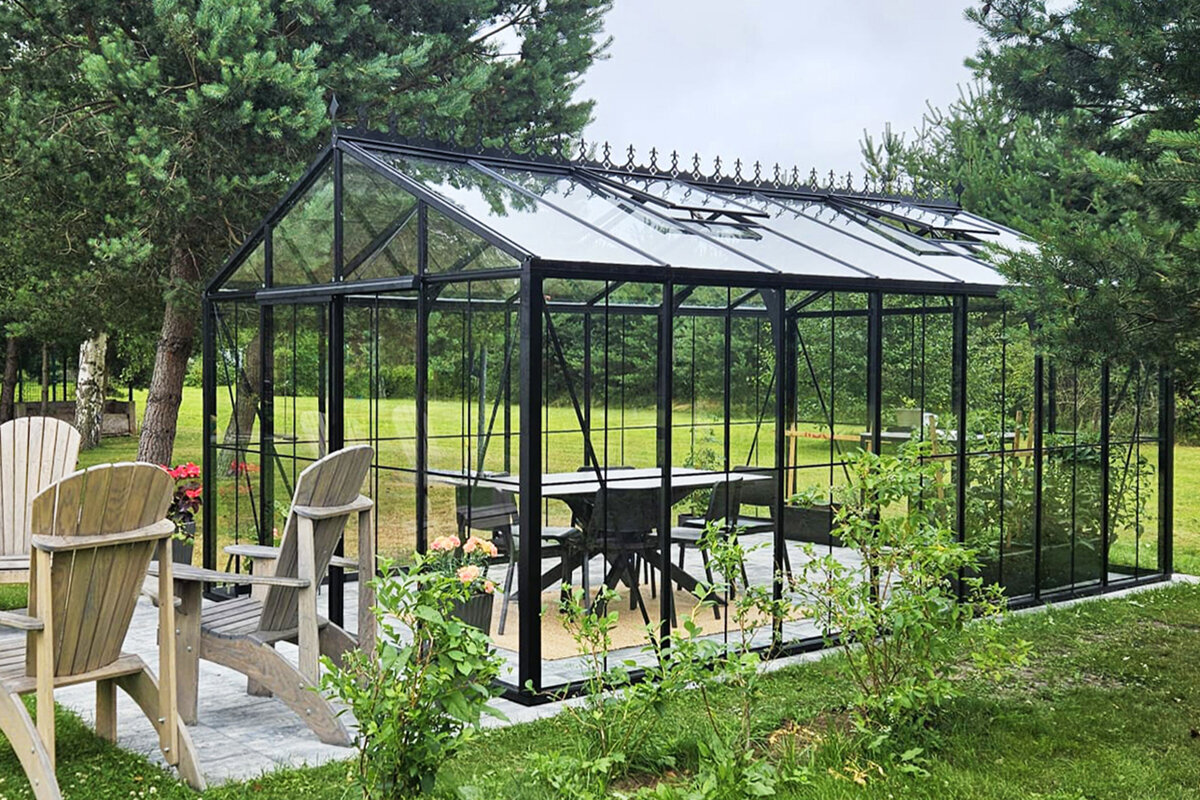
A decade of greenhouse value
Economy or premium: the real ten-year greenhouse picture
A useful comparison continues well beyond checkout. Across years of ownership, the frame, glazing, base, maintenance needs and prospects for obtaining compatible components determine whether the less expensive option continues to serve you well.
In brief: daily usefulness creates value
An economical greenhouse may offer excellent value when its structure, setting and purpose are uncomplicated, particularly if you are comfortable doing the upkeep. Paying for a premium model can make more sense when substantial construction, refined details and a clearer path to replacement components outweigh the appeal of minimal upfront spending.
Assess the whole period of ownership rather than comparing only dimensions and purchase figures. Decide how much recurring work you will accept, what exposure the site presents and whether the structure should continue to complement both the practical and visual character of your garden years from now.
01
Choosing what to buy
Upfront spending tells only one part of the story. Base preparation, assembly, ongoing care and future alterations can demand at least as much attention.
02
Build assessment
Favour a clearly explained structure, reachable connections, effective water management and individual components that can be exchanged without unnecessary disruption.
03
Value in use
Frequent sowing, seedling preparation and cultivation place greater importance on comfortable access, organisation, practical movement and a design you continue to enjoy.
Real value combines sound fabric, manageable care, repairable components and the satisfaction gained from using the greenhouse.
Choosing an economical greenhouse can be entirely sensible while you develop experience, cultivate a modest area or have a narrowly defined purpose. Gardeners who grow regularly and want a lasting part of the landscape may prefer a more substantial design. The category attached to the product matters less than its fit with the site, your ambitions and the maintenance you can realistically provide.
A credible ten-year assessment includes what follows the purchase: preparing the position, putting the structure together, cleaning with the seasons, dealing with repairs and finding correctly matched components in future. Your own time belongs in that calculation. Repeated adjustment, temporary fixes and component changes create a very different experience from an established routine around a stable structure.
Accordingly, this guide examines the ownership experience instead of presenting a simple price contest. It explains how to judge construction, recognise likely care demands and select a greenhouse for your style of growing. Because current offers, dimensions, included features and site conditions vary, confirm actual expenditure through a configuration prepared for your project.
Inspection 01 · Price and inclusions
Understand what the purchase figure represents
The smallest price tag can seem conclusive while masking major differences between packages. Floor area, framing, doors, ventilation and included accessories are not necessarily comparable. Begin with products offering broadly equivalent growing space and features. This reveals which essentials are already supplied and which items will require separate provision afterwards.
A more expensive greenhouse is not automatically appropriate for every property. Seasonal use for a few herbs and seedlings creates different priorities from a household planning extensive propagation. Define the task first: note how often you expect to enter it, the crops you intend to raise and the visual role it should have outside. Then inspect the complete package. Features supplied from the outset and those added later affect expenditure as well as assembly. Writing down required functions before selecting a model reduces the risk of discovering omissions and relying on improvised additions.
- Compare growing area, entry, ventilation, base requirements and essential equipment together instead of ranking products by price alone.
- Cost internal accessories on their own, otherwise a stripped-back model may appear cheaper than a genuinely comparable setup.
One useful reference point is a garden-sized Standard Classic greenhouse whose straightforward arrangement allows selected additions over time.
Inspection 02 · Ground and position
Build site preparation into the budget
Where you place the greenhouse will influence the ease of ownership for years. Level ground with convenient access assists construction, cleaning and routine gardening. Review sun, prevailing wind, nearby trees and the routes used for water and materials. Poor positioning can produce extra debris, awkward airflow or inconvenient makeshift arrangements later.
Treat the foundation as an integral project element. Its form must suit the greenhouse, the substrate and the proposed assembly. Careful groundwork can limit distortion and the need to correct levels afterwards. Soil, model and site circumstances govern the appropriate solution, so seek competent assistance when uncertain and ask the relevant state, territory or council bodies about project-specific requirements. Also trace everyday movement once construction is complete. Pots, soil, tools and produce should travel without needless obstacles. A bright position may still fail in practice if water, entry points and work areas are badly arranged.
- Allow more than the structure’s outline: include clearance for door travel, cleaning access and handling planting containers.
- Resolve gradients, ground condition and runoff early, as correcting them after construction is generally more awkward.
Where space beside the home is limited, a full-scale lean-to greenhouse may work efficiently once the wall, site and intended construction have been assessed.
Inspection 03 · Structural details
Read quality through the whole assembly
No single specification usually establishes lasting quality. Instead, examine the relationship between framing profiles, corners, glazing and doors. The structure should be readily understood, connections should be neatly resolved, and maintenance points should remain reachable. Operation also provides evidence: doors and other moving elements ought to feel comfortable in normal use rather than demand continual correction.
Simplicity is not inherently a fault in an economical model. What matters is whether the solution serves your purpose and whether you can realistically perform the care it requires. Premium construction may offer more considered engineering, richer material character and a stronger visual relationship with the garden. Test those benefits against your expectations for appearance and service life. Ask for clear information about fixings, assembly and maintenance access. If a routine task requires dismantling unrelated elements, that practical limitation deserves more weight than a polished first impression.
- Identify every point that will need periodic cleaning, tightening, inspection or access before committing to the purchase.
- Test doors and vents against real tasks, including carrying trays, gardening during wet conditions and operating everything during the busiest growing period.
To examine a freestanding format, use a traditional Standard Classic greenhouse as a practical reference for comparing how structural details have been handled.
Inspection 04 · Maintenance demands
Budget for care realistically
Ongoing care must fit naturally into your gardening schedule if the greenhouse is to remain enjoyable. Glazing and gutters require washing, operating parts need inspection, and leaves or grit should be removed from around the base. Minor neglected tasks accumulate. Alongside consumables, reserve time near the opening and close of each local growing season.
Premium construction does not eliminate maintenance, although accessible components and a coherent layout may simplify recurring jobs. An economical greenhouse can also provide many years of service when positioned appropriately and cared for conscientiously. The practical difference often lies in how frequently small details ask for attention. Avoid features whose upkeep you are unlikely to tolerate. It can help to pair checks with familiar gardening tasks: while watering, look for blocked drainage, stiff doors or moisture appearing where it normally would not. Brief observations can prevent care from becoming a major undertaking.
- Create an uncomplicated cycle: inspect during spring, clean throughout active use and review the structure before winter.
- Store appropriate tools and cleaners that are compatible with the greenhouse materials and surface finishes.
If convenient entry from the home is a priority, a regular full-size lean-to greenhouse can shorten care routes and make quick daily observations more convenient.
Inspection 05 · Future repairs
Prepare for component replacement
Across a lengthy ownership period, occasional replacement matters less than the ease of identifying and ordering the correct component. Retain the product literature, assembly details and a record of the selected configuration. These materials support clearer conversations with the seller and reduce the chance that a small fault leads to improvised work or unnecessarily broad replacement.
When assessing products, look for components arranged in a logical system and wear items that can be identified without ambiguity. Ask the seller what information a future parts request would require and how that process is handled. The answer cannot promise perpetual stock, but it does indicate how manageable a later repair might be. Continue the record as your garden changes. Keep notes about added accessories, replacement components and unusual assembly details with the original papers, enabling another person to understand the setup if responsibility for care changes.
- Keep the model, purchase timing, selected configuration and later alterations together in an accessible record.
- Investigate minor damage promptly so recurring loads, grime or damp do not turn it into a larger problem.
For a deliberately enduring garden installation, a well-organised Standard Classic greenhouse supports systematic record-keeping for both its configuration and individual components.
Inspection 06 · Frequency of use
Let gardening habits define value
A greenhouse earns its worth through the work actually done inside it. Raising early seedlings, sheltering tender plants, cultivating tomatoes and harvesting herbs regularly require more than an occasional visit. Work surfaces, storage, circulation and distance from the home help determine whether the structure becomes part of everyday gardening or remains underused.
Allow for the way your routine may evolve. A beginning focused on seedlings could expand into more crops, regular repotting or additional equipment. Choose enough adaptability for those realistic changes without paying for capacity that stays empty. Sensible decade-scale planning is not the same as selecting the largest available footprint. Consider the small actions of a working day: where the watering can rests, how plants at the back are reached and where supplies are protected during poor weather. Walking through those actions mentally exposes requirements that a dimensions list cannot capture.
- Map intended crops across the seasons to estimate the growing area, work surfaces and circulation you will genuinely need.
- Run through a wet-weather session and ask whether entry, storage and the sequence of tasks remain convenient in practice.
To keep the kitchen and crops close, a regular full-size lean-to greenhouse beside the home provides a practical arrangement for frequent visits and everyday harvesting.
Inspection 07 · Visual fit and change
Assess appearance alongside adaptability
A greenhouse shapes views across planted areas, outdoor living spaces and the wider property as well as serving crops. Over time, its scale, form and material expression should continue to sit comfortably with the home and garden. Thoughtful design selection encourages regular use and inclusion in garden life. That continuing appreciation is a practical part of ownership, not merely an emotional extra.
Internal order also influences usefulness. Shelves, benches and storage should support each task without narrowing essential routes. Add equipment while preserving daylight, cleaning access and movement. Use actual garden measurements rather than judging photographs alone, then consider the structure from several viewpoints and question whether each proposed extra has a purpose. Its presence changes through the year: summer growth and open doors draw attention, while the frame may dominate during quieter periods. Positioning should therefore serve cultivation and the outlook from both the garden and the home.
- Use familiar garden features as scale references so the footprint and height balance with beds, paved areas and the house.
- Set the floor plan before choosing fittings; comfortable circulation often contributes more to regular work than filling every available space.
For a defined freestanding focal point, a Standard Classic greenhouse can be positioned in response to paths, planting beds and important garden views.
Inspection 08 · Evidence and uncertainty
Use records to support the decision
Resolve significant unknowns before ordering. Establish responsibility for assembly, suitable foundation work, site constraints, care guidance and the documents supplied. If insurance is relevant, describe the actual proposal to your insurer rather than relying on assumptions. Planning and building pathways differ across Australia, so ask the appropriate state or territory body and council to assess whether approvals or other requirements affect your site.
Request current information for the exact configuration under consideration and examine both product and assembly documents. Read the written terms and defined coverage of any commercial warranty or guarantee. This distinguishes a general promotional impression from commitments recorded for your selection. Careful review may prove more valuable than choosing rapidly by price. Give the process enough time, rank unresolved matters according to their effect on the site, construction and future operation, and retain answers in written form. You can then compare products on consistent evidence instead of allowing one appealing feature to dominate.
- Collect dimensions, photographs of the proposed position and a consolidated question list before discussing the configuration.
- Judge documentation by the protections, conditions and scope it actually records, rather than by prominent labels or assumptions.
For a choice shaped by its setting, a regular full-size lean-to greenhouse designed for a house wall can be reviewed against the available light, circulation routes and characteristics of the wall.
Comparison
A decade-scale view of economical and premium choices
This table is a framework rather than a personalised quotation. Use its prompts to make a considered comparison across years, applying each one to the proposed setting, the care you can provide and the frequency of intended use.
| Point to assess | Economical option | Premium option |
|---|---|---|
| Purchase | Prioritises core greenhouse functions while containing the initial outlay. | Gives greater weight to material expression, detailing and enduring design goals. |
| Site preparation | A straightforward installation may contain costs, although sound groundwork remains essential. | Commonly conceived as an enduring, deliberately designed part of the garden. |
| Maintenance | Hands-on care and consistent observation play a major role in retaining usefulness. | Thoughtful access and detailing may give recurring tasks a simpler, more orderly rhythm. |
| Repairs | Establish whether each relevant component is readily recognisable and separately replaceable. | Investigate records, component organisation and the seller’s parts procedure before committing. |
| Use | Appropriate for defined cultivation plans concentrated in particular seasons. | Appropriate for frequent propagation and stronger expectations of garden design. |
A practical sequence for your assessment
Follow a consistent order when comparing products. Doing so keeps a compelling detail from overshadowing the proposed position, everyday purpose and expenses that arise after purchase.
01
Describe intended use
Record crops, seasonal patterns, likely frequency and necessary workspace. Together, these factors indicate an appropriate size more reliably than guesswork.
02
Document the position
Take dimensions for the area, approaches and clearances. Watch sunlight, wind, falling leaves and water movement before settling on orientation and form.
03
Align included features
Place models side by side only when their equipment is comparable, accounting for entry, airflow and accessories in everyday operation.
04
Rehearse ongoing care
Picture specific cleaning, inspection and seasonal jobs. Identify the person responsible and confirm that every service point can be reached comfortably.
05
Read supplied information
Review assembly instructions, care guidance and applicable terms before purchase, then direct unresolved site or approval matters to the appropriate bodies.
Ten-year ownership checklist
Use these prompts to judge the greenhouse by its continuing role in your gardening routine, rather than only by its appeal at purchase.
01. Growing area and working depth reflect the crops you genuinely intend to raise, not a passing ambition.
02. Assembly, maintenance, planting and movement of pots or soil are supported by adequate access around the position.
03. The chosen model, substrate and site circumstances inform how the ground and foundation are prepared.
04. Doorways, vents and internal routes can be operated conveniently and safely during your normal tasks.
05. Recurring care requirements are understood, with credible periods reserved for them during each year.
06. Configuration details and component identities remain traceable because the product records are kept safely.
07. Accessories earn their place through practical benefit rather than being chosen only to create an appealing display.
08. Questions about construction, the site or insurance are referred to the body responsible for the particular matter.
Questions about greenhouse costs across years
Does a cheaper greenhouse necessarily cost more to maintain?
No. A straightforward structure may perform well for many years when its purpose, location and care demands suit you. Paying less initially does not by itself produce greater later expense. More revealing factors include the way it is built, the quality of assembly, consistent inspection and whether the correct component can be identified and requested if a repair becomes necessary.
What later expenses are easy to miss?
Groundwork, foundation preparation, internal equipment, cleaning time and subsequent alterations are common omissions. Personal effort also has value; recurring seasonal adjustment or washing should be included in your assessment. A complete plan distinguishes essential setup from optional enhancements and obtains current figures for the individual project.
When can paying for premium construction be worthwhile?
It may be appropriate when cultivation will be frequent, the structure is intended as a lasting garden feature, or refined materials and details are important to you. Convenient access can also support a demanding propagation routine. These benefits do not establish a universal financial return, however, because every household uses its greenhouse differently and faces distinct site conditions.
What role should replacement components play?
They deserve close attention in any assessment spanning many years. Find out how the particular model and its components are recorded and which documents support identification. Retain assembly instructions and configuration details. None of this promises indefinite supply, but it provides a clearer starting point for a precise enquiry if future work is needed.
Will my greenhouse require approval?
There is no single answer for every Australian property. Ask the relevant state or territory planning and building bodies and your council to consider the specific proposal before you order. Provide its dimensions, design, intended position and site circumstances, and do not assume advice from another council area applies to your land.
Is it worth notifying my insurer?
That depends on the wording of your policy, the property and the protection being sought. Give the insurer accurate information about the structure and how it will be installed, then request a written explanation of the applicable cover. Avoid presuming that every freestanding or attached garden building receives identical treatment automatically.
Plan around your garden
The strongest choice is one planned for its purpose
Neither minimal spending nor maximum specification guarantees the better result across a decade. Success depends on selecting a structure compatible with the property, your cultivation habits and the care you are prepared to give. A methodical review of those factors before purchase provides firmer grounds for choosing.
Begin the configuration with your measurements, intended cultivation and unresolved questions. The Bloomcabin team can explain the practical differences between greenhouse forms. Consult current product details, and obtain project-specific guidance for planning, construction or insurance matters from the bodies responsible for them.
Assess greenhouse forms and equipment according to the setting and your expected years of use.
