
Buy a Premium Aluminium Pergola in Australia | Bloomcabin
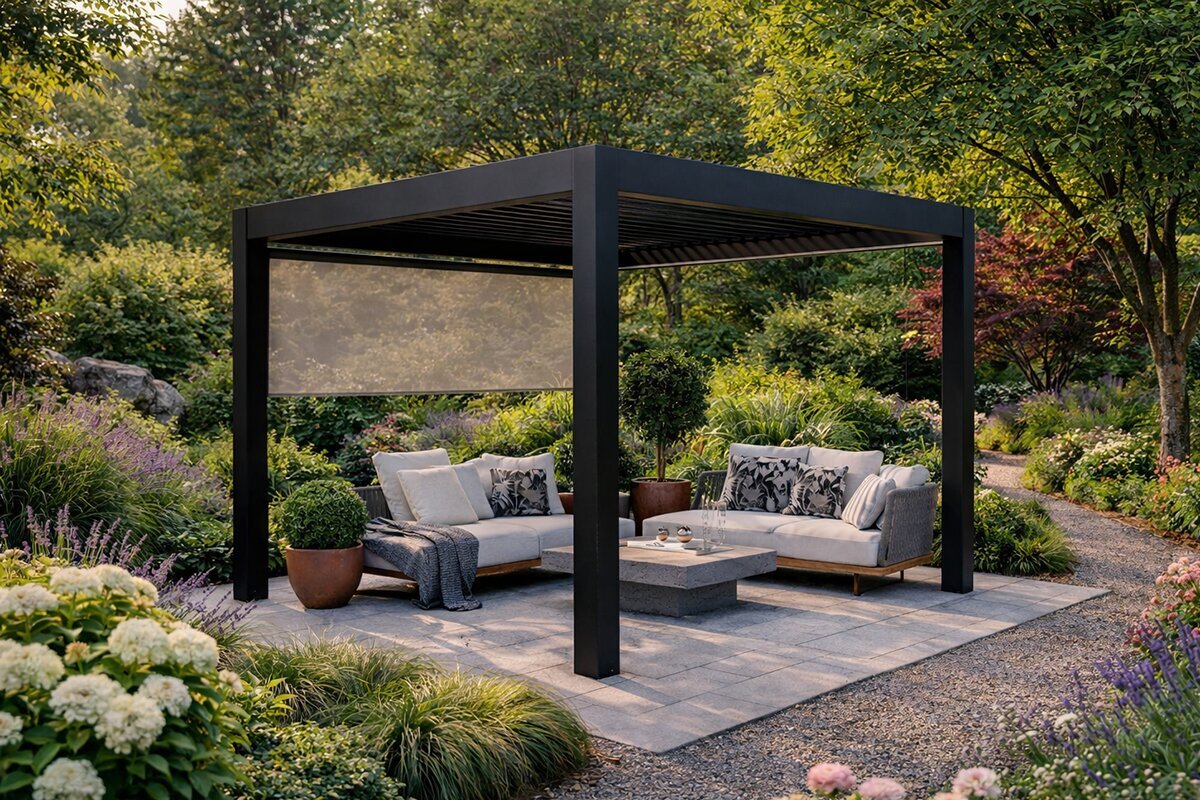
A detailed guide to aluminium pergolas, better garden living and lasting quality from Bloomcabin
Pergolas from Bloomcabin: the basis of this guide
Bloomcabin offers a selection of contemporary pergolas for different gardens and patios. A freestanding model can create a distinct architectural zone away from the house, while a wall-mounted design can connect a home with its patio. For greater control of sunlight, airflow and weather protection, consider a bioclimatic aluminium pergola with adjustable louvres. This guide compares all three for Australian homeowners who want more than a decorative update and see a pergola as a long-term investment in comfort, quality and modern garden design. Before deciding, assess the site, intended use, dimensions, services, roof and enclosure, and whether the structure will be attached or freestanding. Ask the relevant council and qualified professionals whether planning, building or installation requirements affect the project in your state or territory.
Why more Australians are searching to buy a pergola
The role of the garden has changed noticeably in recent years. It is no longer simply lawn or planting space; it is often an extension of the home, where people have breakfast, share dinner with family, welcome friends or take a quiet break after work. A quality pergola is therefore increasingly sought after as a lasting, stable and architecturally defined way to improve a patio or garden and make it more comfortable to use in a wider range of conditions.
Australian conditions differ by region, from strong summer sun and wind to showers, humidity and cooler shoulder seasons. A pergola must therefore be practical as well as attractive. Buyers want to use outdoor areas more often without moving furniture or abandoning plans whenever conditions change. A well-engineered aluminium structure with considered structural design and water management stands apart from a basic frame. Check the site's wind, cyclone and snow requirements; a product rating alone does not establish suitability everywhere.
How a pergola changes everyday outdoor living
Rather than closing off the garden, a pergola gives an outdoor area a sense of shape and purpose. Its partly open form can make a patio feel sheltered while retaining fresh air and an open outlook. What may have been an unstructured hard surface becomes a defined outdoor room that invites regular use. This response is meaningful: people often feel more at ease in a space with a clear boundary than in one that is completely exposed.
In daily life, this can mean a more comfortable breakfast when glare is reduced, a more usable place for working outside, or easier evening barbecues because the seating area has a clear focus and some cover from light rain or low sun. The result is not merely a new feature in the garden, but an outdoor area used more often and with greater ease—one of a pergola’s most valuable practical benefits.
A modern pergola also brings visual order to the property by linking the house and garden in one architectural composition. That can make the whole setting appear more considered, whether it is a new build or an established home, and contributes to a stronger sense of place outdoors.
Why aluminium is a sensible long-term pergola material
When comparing pergola materials, many buyers weigh timber against aluminium. Timber has a natural appearance, but generally requires regular painting, staining and inspection for moisture-related damage. A quality aluminium pergola is lower maintenance and can retain its form and stability through changing weather. This is particularly useful in areas with humidity, wet seasons or substantial temperature changes, where ongoing upkeep can become an important part of ownership.
Aluminium profiles offer strong structural stability, helping a pergola remain secure under wind loading when appropriately specified and installed. The material also supports a crisp, contemporary appearance with slim lines that can suit both modern homes and renovated properties. For Australian gardens, an aluminium pergola can bring together durability, practical performance and a clean architectural finish.
People researching a pergola are usually looking beyond a decorative focal point. They want an investment that continues to work reliably over many years. Material choice is central for that reason: a pergola is not a seasonal accessory, but a permanent architectural addition that shapes the garden for the long term.
Freestanding, wall-mounted or bioclimatic: which pergola suits your home?
A freestanding pergola suits a separate garden destination, such as a lounge area, dining setting or sheltered retreat away from the house. It gives considerable freedom over placement and can become the garden’s architectural centrepiece, bringing definition and order to the landscape.
A wall-mounted pergola can be a practical choice where the patio adjoins the house. It creates a smooth transition from interior to exterior and can improve the comfort of the area used most often. This is especially relevant when the patio sits beside the kitchen or living area and forms part of everyday family life.
The bioclimatic pergola is the most adaptable option, using adjustable louvres that can be opened or closed to manage sun, air circulation and rain cover. That flexibility is particularly valuable where a day moves between bright sun, cloud and brief showers, since the outdoor area can be adjusted in response rather than depending on settled weather.
Size, proportion and position: foundations for lasting satisfaction
Good looks are not enough; a pergola must also be sized for practical use. It needs room for furniture, comfortable movement and a balanced relationship with the property. Rather than treating it simply as a roof, plan it as an outdoor room with a clear purpose and usable footprint.
Blocks differ in size, orientation and planning constraints, so proportion needs careful thought. The pergola should neither dominate the site nor feel undersized; it should fit the setting while offering enough shade and usable space. Check current local requirements carefully before proceeding.
Features that distinguish a premium pergola
Premium quality shows not only in appearance but in construction: robust aluminium profiles, precise finishing, considered structural engineering and integrated water management. Where rain is common, effective drainage helps prevent dripping edges, pooled water and dirt accumulating around the patio.
Colour choice, including RAL colours where available, also helps a pergola relate to the existing architecture. Matching or complementing window frames, doors and façade details can create a coherent finish that enhances the appearance of the property.
Bioclimatic pergolas: adaptable cover for changing conditions
With adjustable louvres, a bioclimatic pergola can move between open ventilation and closed protection as conditions require. This keeps the patio more comfortable through changeable weather. On a day that brings bright sun, cloud and short showers, the ability to alter the roof can add substantially to the time spent outdoors.
Side elements or lighting offer further personalisation, gradually turning the pergola into a more complete outdoor room with privacy, shelter and atmosphere. Ask what is available locally.
Why a Bloomcabin pergola is a considered long-term choice
Look beyond the initial price when buying a pergola and consider lasting quality. The structure is an investment in everyday comfort and may contribute to property value. Bloomcabin offers stable aluminium construction, contemporary design, integrated drainage and long-term commercial guarantee support, helping deliver dependable daily use and an appealing finish.
Quality materials and professional design matter to homeowners seeking sound construction and longevity. They help a pergola stay stable and attractive for years without becoming a constant maintenance project.
Conclusion: buying a pergola can transform your garden
A quality aluminium pergola can make a patio or garden a genuine outdoor living space, extend the time spent outside, and add architectural definition and comfort. It is more than a visual upgrade: prioritising quality, contemporary design and practical details can improve daily enjoyment for years. Before ordering or arranging installation, ask the relevant council and qualified professionals about requirements for the site, structure, intended use and services.
