
Buy a greenhouse direct or through a retailer?
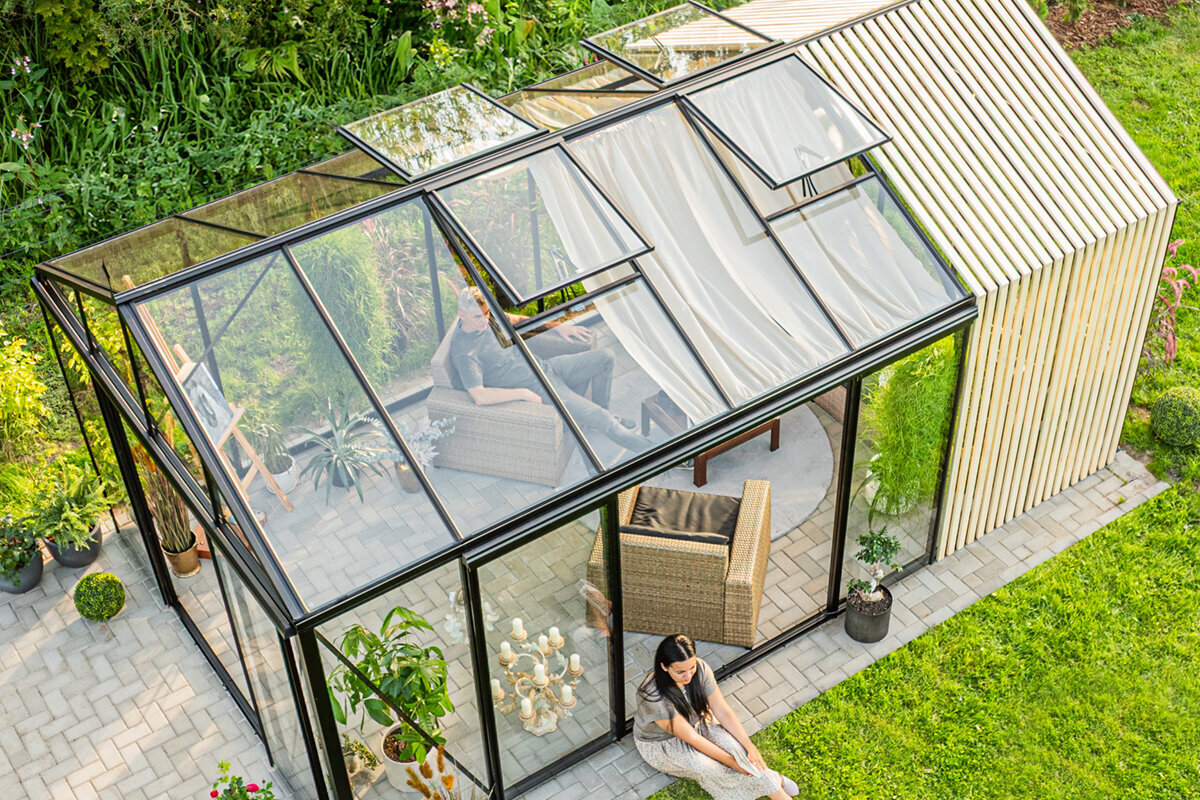
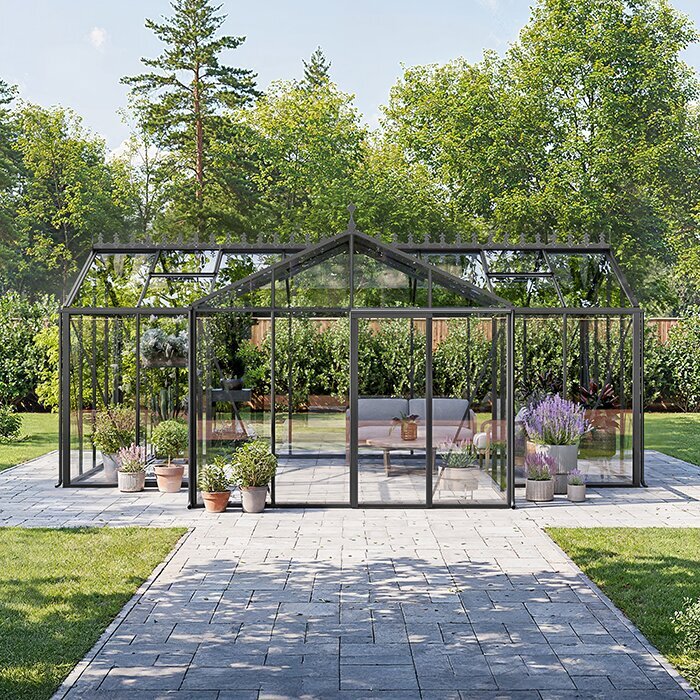
A manufacturer-direct order may suit buyers who want to examine a model, dimensions and equipment closely. Contacts working with the collection can usually coordinate details about options, accessories and technical material. That focused knowledge is particularly valuable when the site or intended use creates specific queries.
Retail purchasing may work better if you value in-person guidance or want a considered selection to compare. Buyers combining several garden elements sometimes prefer a single ongoing contact. Neither channel is automatically best; the important test is whether your project receives accurate information and clearly assigned responsibilities.
Consider every stage before choosing: research, ordering and possible assembly questions. Identify your priorities before making contact. When you ask directly about choice, the level of advice, ease of contact and support after purchase, manufacturers and greenhouse retailers can be compared fairly and practically.
Stage 1
Start with your own requirements
Define the intended purpose before you assess any buying route. Will the greenhouse primarily support propagation, protect sensitive plants or act as a design feature in the garden? Record the proposed location, available area, access points and planned plants. This information strengthens advice discussions and helps prevent a choice based solely on visual form.
A precise brief also reveals which guidance you still need. If dimensions and construction are settled, dependable ordering details may be the priority. If several forms remain possible, seek advice that accounts for the site, everyday routines and appearance. A worthwhile buying route responds logically to unresolved matters instead of proposing something disconnected from your garden. Add practical workflows to your notes: where soil, pots and tools will be kept, and how you will enter in rain or with your hands full. These details show whether the form works in daily life as well as visually.
Draw the footprint, approach paths and door swing to confirm convenient access during routine garden work.
List essentials separately from preferences so advice stays candid and quotations can later be assessed consistently.
A useful first reference for conventional freestanding designs is the range of Classic greenhouses for gardens which you can shortlist according to dimensions and appearance.
Stage 1
Site questions change the advice
Site information deserves proper attention from any good supplier. Light, wind, soil, drainage and the position of existing beds all influence greenhouse planning and use. Direct manufacturer discussions may naturally focus on the product. A retailer near you may be familiar with local garden situations, but what counts is whether the advice responds carefully to the details you provide.
A lean-to greenhouse calls for close scrutiny of the proposed wall junction. Review the available wall, approach, shading and routes for water or power if planned. Do not rely on broad assurances: have unresolved items recorded so design, ordering and assembly use consistent assumptions. Ask the adviser to distinguish verified site information from assumptions. Photos and measurements help with an initial appraisal but cannot replace examination of actual conditions. That distinction identifies what you must investigate further or refer for professional assessment before ordering.
Recheck wall dimensions, usable depth and access; even modest discrepancies may alter where the greenhouse can sit.
Check early with the relevant authority whether local requirements may apply to your project.
Where a house wall forms part of your plan, look more closely at regular full-size lean-to greenhouses with their spatial integration in mind.
Stage 2
Balance product depth and range
Buying from the manufacturer usually provides concentrated knowledge of that company's collection. This is useful for assessing finishes, glazing, accessories and variations within one range. Rather than asking only what is available, find out which project details are needed to configure it appropriately. Thoughtful follow-up questions indicate that the adviser is engaging with your actual plans.
Retailers may set several brands or product categories in context, giving you a wider basis for comparison. This helps when a greenhouse must coordinate with a terrace, planting beds or other garden features. Choice alone is not expertise, so test whether explanations of materials, assembly conditions and accessories are specific. The comparison itself should also be fair: different forms answer different practical and visual needs. First shortlist a few plausible models, then judge each against identical requirements. Your questions will stay focused and the reasons behind the decision will be easier to follow.
Compare more than basic forms: consider accessories, extendability and how clearly the associated product documents are explained.
Request the reasoning behind each recommendation and how it relates to the stated site conditions and intended use.
When reviewing freestanding forms, begin with the available freestanding Classic greenhouse models is a useful starting point.
Stage 2
Make advice meetings work for you
The value of any sales discussion lies in complete answers and an honest account of limitations, regardless of channel. Bring a concise record of site dimensions, intended use and desired features. Confirm the ordering procedure, required preparation and documents that can be supplied. A pleasant introduction is not enough if practical matters emerge later without answers.
Manufacturer staff commonly concentrate on their own collection, while a retailer may approach the greenhouse as one part of a wider project. Either perspective can be useful. Establish who will deal with you once the order is placed and how any handover will occur. If several organisations are involved, map each type of enquiry to the responsible contact. Good advice should finish with a plain-language record of the discussion. Check that it reflects your priorities accurately and leaves unresolved matters visible. This gives everyone a reliable basis for the next conversation, whether the eventual order is placed directly or through retail.
Send measurements and photos in advance only where they are relevant to the advice and you understand how they will be used.
After each meeting, record unanswered matters, documents promised and the person responsible for later follow-up.
For a building-based plan, use regular full-size lean-to greenhouses as a clear reference for targeted advice questions.
Stage 3
Check whether offers are comparable
You can assess an offer meaningfully only if its inclusions and assumptions are stated clearly. Check the model, specification and extras listed, along with site conditions, assembly information and the order process. A total that appears lower is not a useful comparison if scope is described differently or important tasks have not been assigned clearly.
Ask both manufacturer and retailer whether changes before a binding order will be documented clearly. Keep the product description, drawings and communication together. This allows you to check that your selection has been transferred correctly. Where information remains unclear, request an explanation before deciding. This is not mere formality; it protects the quality of your planning. Take particular care with terms that can mean different things, such as accessories, preparatory work or assembly services. Ask for these to be allocated clearly to the relevant offer and keep your questions in writing. The more transparently the scope is described, the easier it is to compare different purchase routes fairly.
Match every quoted model, measurement, accessory and assembly inclusion against the requirements you recorded.
Assess quotations on a like-for-like scope; otherwise, conflicting assumptions can distort the result.
A freestanding quotation can be reviewed more systematically using the available Classic greenhouse variants as consistent reference points.
Stage 3
Keep ordering and handovers transparent
A purchase route is less useful when advice does not transfer clearly into the order. Before proceeding, establish which details will be checked as binding, how changes are notified and which documents are supplied. Read all order and contract documents before agreeing. Where another party will assemble the greenhouse, make sure responsibilities and requirements are coordinated in writing, not only discussed verbally.
A retail order may pass from adviser to ordering staff and then to the manufacturer. This is workable when every role is explained and information moves intact. Direct customers should likewise identify the later contact for technical enquiries. A traceable written procedure is more reassuring than a vague commitment to help. Allow time to examine documents before committing. Where several people contribute, summarise the model, site assumptions and responsibilities in one place. This reduces misunderstandings and gives later questions about the chosen specification a clear starting point.
Document revisions to the model, accessories or site assumptions, then verify the updated record before proceeding.
Ask what preparation is expected from you or engaged trades before delivery or assembly.
For wall-adjacent projects, compare an order for a large regular lean-to greenhouse with the actual conditions at the building.
Stage 4
Assess support after purchase
New questions commonly appear after purchase, including the order of assembly, maintenance and future accessory additions. Find out beforehand which contact method to use and what guidance will be available. A named route for product enquiries is more useful than a general assurance that help will be provided.
The route for obtaining documents, spare parts and assistance with statutory consumer rights or a commercial warranty should also be easy to follow. Establish whether the retailer coordinates the matter or you contact the manufacturer. Read any commercial warranty conditions carefully, including their coverage, requirements, exclusions and procedure. Australian Consumer Law rights apply independently and cannot be displaced by a commercial warranty. Ask how assistance works in practice, not merely whether it exists. Reachable contacts, intelligible material and proper referral of specialist queries help you judge before ordering whether the process will meet your needs throughout use and maintenance.
Keep order documents, assembly instructions and product details somewhere accessible for later questions.
Determine before purchase whether the original adviser will remain accessible or direct you to another contact after ordering.
For long-term use, consider Classic greenhouses for long-term planning also from the perspective of later additions.
Stage 5
Base the choice on the whole process
There is no universally superior answer to manufacturer versus retailer. Match the channel to your current knowledge and the needs of the project. Direct ordering may appeal when decisions require close product knowledge; retail may suit buyers wanting personal guidance or broader garden coordination. Give greater weight to useful answers than to promotional volume.
Do not commit until the selected model, site assumptions, included scope and contacts form a coherent picture. Resolve gaps deliberately and evaluate your written notes. Bloomcabin can provide product-oriented guidance, but the decision should rest on documented facts and your priorities rather than impulse. Revisit each discussion: were the replies concrete, were assumptions recorded, and what remains unresolved? The stronger buying route is usually the one that makes its role in your project understandable and equips you for the next planning tasks.
Prefer the route that resolves your main uncertainties and assigns each responsibility in an understandable way.
Refer questions about construction, insurance and local controls to the appropriate authority, qualified adviser or your insurer.
To complete your selection, review lean-to greenhouses for wall connections and their suitability for your intended wall area.
Comparison
Manufacturer and retailer compared directly
Either channel can succeed when its products and assistance align with the project. Use this matrix to frame discussions around matters you can verify, rather than expectations. The answers will vary with the business, location and individual proposal.
| Criterion | Direct from manufacturer | Through a retailer |
|---|---|---|
| Product-specific questions | Often direct access to information about its own product range. | Depth of advice depends on the partner's range and expertise. |
| Range perspective | Focused on its own range and matching additions. | May place different brands or garden products side by side. |
| Site advice | Ask how your individual details are considered. | Local experience can help; specific assessment remains important. |
| Order communication | Responsibilities may sit directly with the product supplier. | Ask about handovers between retailer and manufacturer. |
| Support afterwards | Clarify contact routes for documents, accessories and questions. | Check whether the retailer remains your contact. |
Five steps to the right purchase route
Following a sequence keeps the choice of sales channel in proportion to the greenhouse plan itself. Complete each task before committing to buy, and retain the answers that influence your project.
01
Define the use
Record the plants, seasonal use, working space and visual aims, then develop questions about dimensions, entry and equipment.
02
Record the site
Measure the area, paths and possible connection points. Observe light, drainage and existing garden structures before comparing models.
03
Prepare your questions
Cover guidance, the ordering procedure, assembly conditions and later assistance, putting an identical core set of questions to each channel.
04
Compare documents
Check descriptions, drawings and offer scope for consistency. Where details differ, request a written explanation in clear language.
05
Confirm responsibilities
Commit only after confirming who answers product enquiries on either side of the order and how that contact can be reached.
Pre-purchase checklist
Bring these points to discussions with either channel. Complete responses make differences in service easier to recognise and support a considered choice.
01. Record the purpose, preferred form and available footprint.
02. Document site dimensions, approaches, sunlight and likely obstructions carefully.
03. You know which product details remain open for your selection.
04. The offer clearly identifies model, specification, accessories and assumed services.
05. Assembly conditions and any preparatory work have been addressed clearly.
06. The contact for questions after ordering is clearly named.
07. Written information about statutory consumer rights and any commercial warranty has been requested and read beforehand.
08. Local requirements and possible insurer requirements will be checked separately where needed.
Frequently asked questions about buying routes
Does ordering from the manufacturer necessarily cost less?
No general conclusion is possible because advice, inclusions and assigned services vary between offers. Compare more than the headline total: review the exact model, specification, accessories, assembly assumptions and responsible parties. If any element is ambiguous, ask the supplier to explain that quotation in clear terms.
When is a greenhouse retailer the better choice?
Retail may be appropriate when nearby guidance matters, several parts of the garden plan need coordination or you wish to consider different product ranges. Judge the retailer by the specificity of its replies. Before proceeding, verify its knowledge of the greenhouse under consideration and identify the contact responsible once the order has been placed.
Can I use both routes in parallel before ordering?
Yes. Comparing the channels on equal terms may clarify the choice. Give each one identical details about location, intended use and the model you are considering. State openly that no decision has been made, and use supplied documents and the adviser's time respectfully for the stated purpose.
Who helps with questions during assembly?
Responsibility follows the arrangement you agree to. Before ordering, identify whether your initial assembly contact will be the manufacturer, retailer or a separately engaged provider. Confirm what instructions or other material will be supplied, and settle foreseeable questions early enough that assembly is not delayed.
Do I need to check approvals or insurance myself?
Ask the relevant authority or your insurer about local controls, the circumstances of the property and insurance protection. What applies can vary with both the site and the proposed structure. Suppliers may contribute product and planning details, but they cannot issue binding decisions on behalf of those bodies.
How do I recognise good support after purchase?
Strong support has an identifiable contact method, usable documentation and unambiguous allocation of tasks. Ask how product enquiries, accessories and post-order concerns are handled. Precise responses to your circumstances—and a written record of anything unresolved—are more informative than broad assurances.
View greenhouse selection
Choose your buying route deliberately
Let the project determine whether the greenhouse is ordered from its manufacturer or a retailer. A suitable channel brings together dependable product detail, guidance that properly considers the site and a communication trail you can follow once the order is placed.
Evaluate the journey as well as the greenhouse form: who understands the brief, records decisions, coordinates participants and remains contactable? Written answers and a well-defined requirements brief provide a dependable foundation for the garden project.
Browse suitable greenhouse forms, then take your completed planning notes into the next detailed discussion.
