
Buy a Greenhouse: Spring Cleaning, Plants & Setup
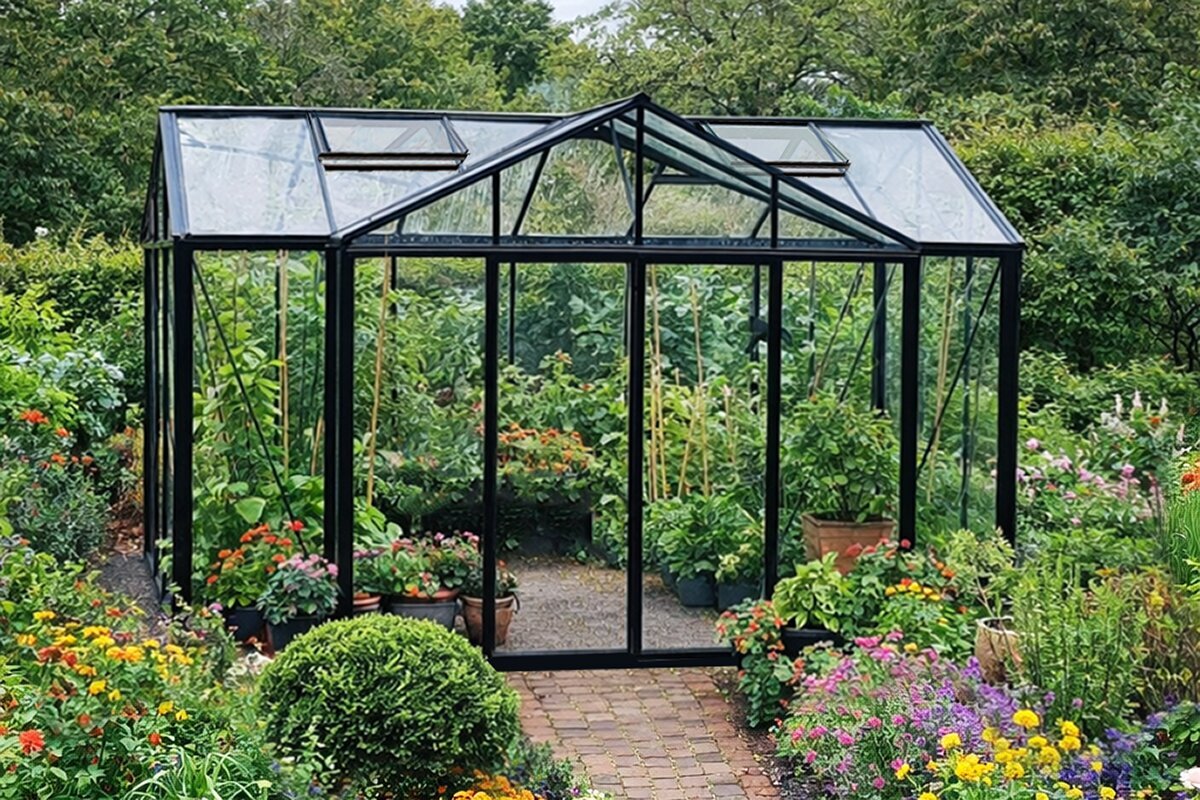
Australia’s complete spring greenhouse guide: cleaning, planning, planting and expert tips
Spring is a pivotal time for greenhouse gardeners: a quiet winter space becomes a productive microclimate for growth, flowering and harvests. The preparation you do now shapes whether it becomes a capable garden asset or merely shelter. A careful seasonal reset supports healthier plants, stronger yields and fewer disease and pest problems as the season progresses.
Australian spring weather ranges from cool starts to abrupt heat, wind and rain. To sow earlier, protect tender plants and extend growing into autumn, more gardeners decide to buy a greenhouse. Beyond simple shelter, it becomes a purposeful garden feature. Like a garden house, summerhouse or well-made timber garden building, it can enhance the entire outdoor setting.
This Bloomcabin guide is designed for Australian gardeners and explains how to clean, arrange, plant and use an aluminium, glass or polycarbonate greenhouse efficiently over time. Whether you already own one or are looking to buy a greenhouse, use these practical steps to prepare for a successful season.
Why spring preparation matters
It is tempting to sow as soon as warmer days arrive, but preparation matters more than haste. Dirty glazing reduces available light, old plant material can harbour pathogens, and minor frame damage may let heat escape. A neglected greenhouse makes gardening harder; a prepared one helps every crop.
Seeing how much an organised greenhouse can lift a harvest makes its value clear. It creates a more controlled setting, shields plants from difficult weather and improves the prospects for sensitive crops. Aluminium greenhouse models are particularly popular because they are durable, stable and easy to maintain—qualities associated with Bloomcabin.
Preparation is not just cleaning. Plan plant positions, air movement and water delivery as parts of one growing system. When one element is poorly managed, plant development suffers. That is why experienced gardeners begin with a full spring inspection.
A complete greenhouse clean: step by step
1. Check the structure
Inspect the frame, screws, panels, door seals and roof vents. Winter storms can loosen components or open small gaps. Repairing them early helps the greenhouse retain warmth later.
2. Empty everything out
Remove all pots, tools, plant debris and soil. An empty greenhouse is easier to clean thoroughly and leaves pests fewer places to survive.
3. Clean for the material
- Aluminium frames: warm water and mild detergent.
- Glass panels: clean gently, then rinse well.
- Polycarbonate: use only soft sponges and mild solutions.
When buying a greenhouse, allow for suitable care equipment too. Regular cleaning extends its service life and maximises light transmission, both important for growth and yields.
4. Disinfect pots and tools
Clean plant containers greatly reduce fungal disease. Often underestimated, this is one of the most important steps for raising healthy seedlings.
5. Check floors and drainage
Standing water raises humidity and encourages mould. Make sure water can drain freely and no puddles remain.
Set up before you plant
Ventilation
Even in spring, a greenhouse can become very hot on sunny days. Effective ventilation prevents overheating and helps plants stay strong. Automatic window openers can help keep conditions more stable.
Watering
Reliable water supply is essential. Watering in the morning can help prevent fungal problems. Drip irrigation is particularly efficient and saves time.
Space planning
Create zones for propagation, growing-on and production. This layout improves oversight and makes work more efficient.
What to plant in a spring greenhouse
Early crops
Lettuce, spinach, peas and onions grow well in cooler conditions, making them ideal for an early start.
Warm-season plants
Tomatoes, cucumbers and capsicums benefit greatly from protected conditions. These crops are a key reason many people buy a greenhouse.
Quick harvests
Radishes and herbs grow rapidly, giving early results that build confidence and experience.
Best plants for beginners
- Tomatoes
- Cucumbers
- Lettuce
- Basil
- Strawberries
- Spinach
- Marigolds
These plants are robust and reliably productive. They give new greenhouse gardeners an excellent chance of good results.
Professional tips for bigger harvests
- Use vertical supports.
- Use lukewarm water.
- Include flowering plants for pollinators.
- Harvest regularly.
- Allow enough plant spacing.
Gardeners use these techniques because they can make a major difference without much extra effort. They also show why a well-built greenhouse can be a better long-term choice than a cheaper model: quality supports reliable growing over many seasons.
Avoid these common mistakes
- Planting too early
- Planting too closely
- Poor ventilation
- Irregular watering
- Skipping cleaning
These issues cause many greenhouse problems, but a prepared start makes them easy to avoid.
An ideal southern spring timetable
August: clean and inspect.
September: sow early crops.
October: start summer plants.
November: transplant permanently.
Adjust this timetable to your local climate; a clear plan reduces stress and supports continuous production.
Why more people buy a greenhouse
A greenhouse extends the growing season, shields plants from weather extremes and can lift yields. Even compact models may hold temperatures several degrees above outside levels. After gardening with one, many people do not want to go back.
After a first season, many gardeners choose a larger or better-quality greenhouse. A stable model made from durable materials is practical and can also enhance the garden visually, much like an elegant garden house or stylish summerhouse.
Seasonal promotions can make getting started easier. Bloomcabin discounts reach up to 45% on eligible products, while lower product-specific reductions may apply. Check each offer so a lower price does not mean compromising on quality.
Conclusion: start the greenhouse season well
A greenhouse is far more than a structure made of glass or plastic. It is a controlled ecosystem that lets you influence growth. Clean it, set it up and plant thoughtfully in spring, and it can become the most productive part of your garden.
If you are considering buying a greenhouse, remember the essential order: clean first, set up next, plant last. This sequence supports healthy plants, better harvests and a rewarding season.
Bloomcabin quality tip: The best greenhouse is not necessarily the largest; it is the one suited to your climate, available space and gardening goals. A quality model is a long-term investment in harvests, comfort and enjoyment.
