
Buying a Garden Shed for a Coastal Location
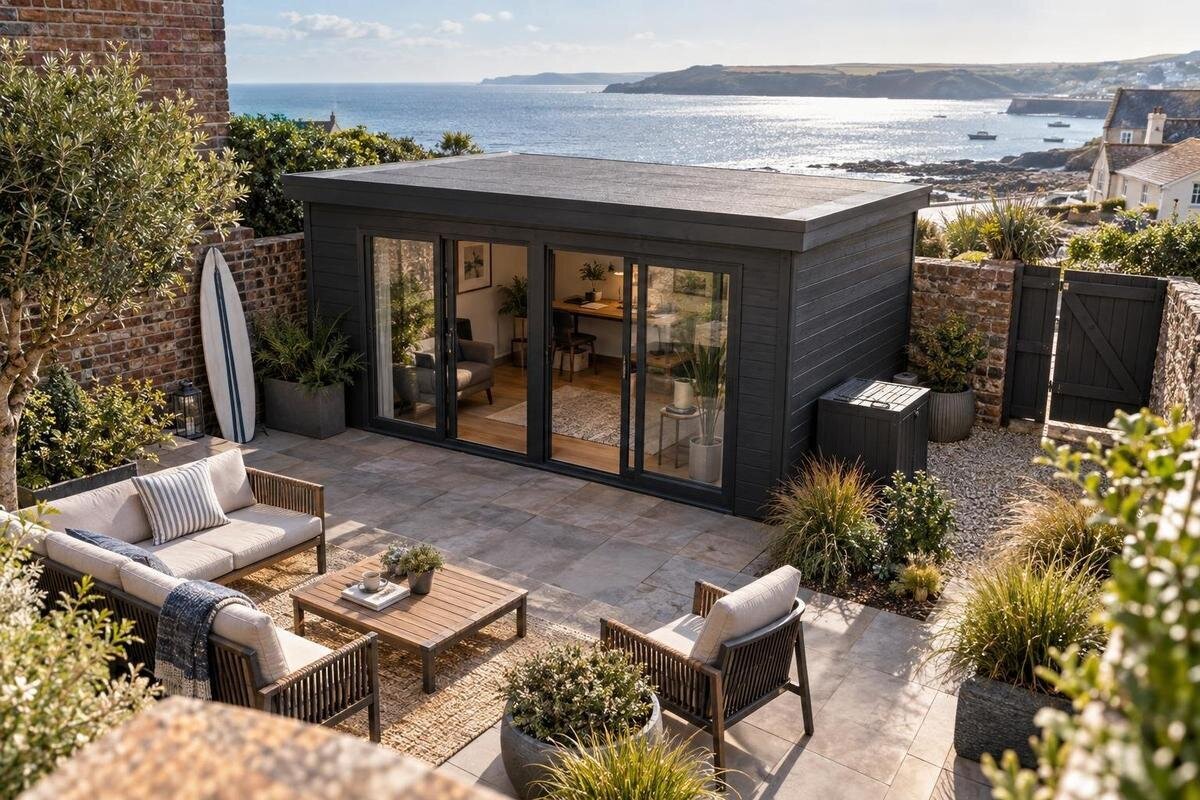
Garden shed buying guide
Buying a garden shed for a coastal property is less about finding a product labelled for the coast and more about matching its complete construction, fixings and anchoring to the conditions at your chosen spot. Salt carried by wind, wind-driven rain, sun and the site’s exposure can affect different parts of a shed in different ways. Before comparing appearance or layout, work out what the site is exposed to and what information you need from a supplier. Then compare the whole order—materials, base, maintenance and delivery—instead of relying on a broad material name.
Assess exposure at the exact shed site
A coastal address is only a starting point. Salt carried on wind, wind-driven rain and gusts can affect an exposed headland differently from a sheltered street, and conditions can vary across the same property. Walk the proposed footprint and note its orientation, nearby open water, gaps between buildings, ridgelines, fences and established vegetation that may provide shelter. Look for visible salt on nearby metal, repeated dampness or spray, and places where rain is channelled. Record whether shelter comes from permanent buildings or temporary screens that may change. These observations do not give you a wind rating, but they help you describe the site accurately. The spot nearest the house is not automatically the most protected.
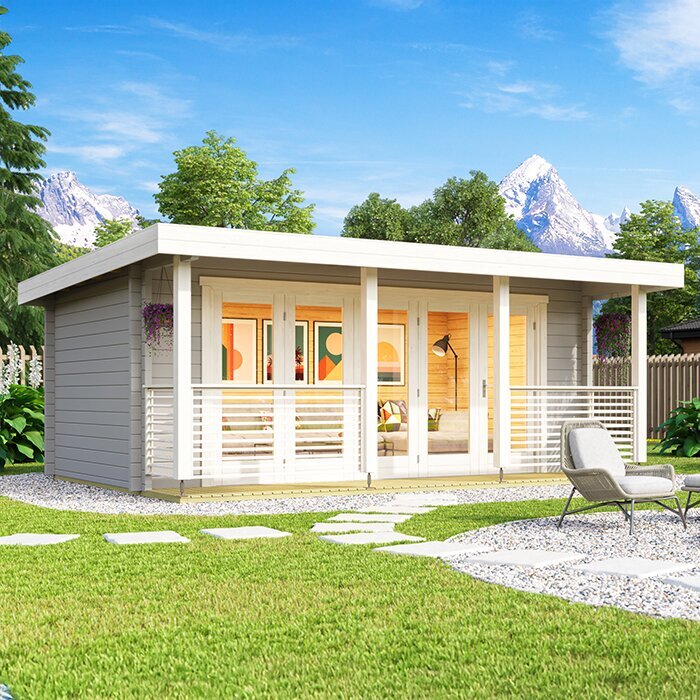
Distance from the shoreline alone is a rough guide, not a product specification. Weather direction, local terrain and shelter can make neighbouring parts of a block behave differently; salt may also be present without obvious spray. Note strong sun, driving rain and any roof or paved area that sends runoff towards the proposed shed. Take photos from the footprint and record which sides are exposed. When reviewing the Verdana 1 garden house listing, apply your observations as questions for the supplier. A product name or image cannot show whether that exact site is suitable, so note any uncertainty rather than labelling the position sheltered without evidence.
Compare complete material systems
Compare the whole material system, not a broad label such as metal or timber. Ask what the roof, walls, frame, doors and fixings are made from, and which surfaces have a protective coating or treatment. The finish on visible cladding may not describe concealed joints, exposed edges or parts supplied separately. For metal, request details of the coating or corrosion protection and instructions for dealing with scratches or cut edges. For timber, identify the treatment and finish, and ask which parts receive each. A phrase such as weather-resistant is too broad to judge performance in salt and moisture; the answer should cover the components exposed to the elements.
Ask whether the maker explicitly describes the particular model as appropriate for coastal exposure, and what conditions or maintenance that statement assumes. Request the care instructions before purchase, including whether an owner must recoat, reseal or avoid certain cleaning products. Record any unanswered details instead of filling gaps with assumptions. A page such as the Verdana 2 product page can be assessed using the same questions: its name, appearance and category do not confirm its materials or corrosion protection. If a supplier cannot explain what protects the critical components, keep the option under consideration only until that information is clear.
Check fixings and corrosion-prone details
Salt and moisture test the small connections as well as large surfaces. Check what is specified for screws, hinges, brackets, latches, handles, door tracks, roof edges and joining plates; these parts may not share the wall material or finish. Ask whether the fixing material and its protective layer are identified by specification, rather than described only as corrosion-resistant. Pay attention to joints and places where water can linger, because an impressive panel finish tells you little about a concealed connection. In wet conditions, contact between different metals may need compatibility advice from the manufacturer. Do not assume every item packed with a shed is intended for the most exposed part of your property.
Ask whether the relevant fixings are included, whether any items must be purchased separately, and how the manufacturer expects exposed or damaged components to be maintained. Find out how to obtain compatible replacement parts if a fixing or hinge needs attention. If the supplier recommends a substitute, get confirmation that it is compatible with the shed and the conditions at your site; do not choose by appearance or a generic label alone. Use the Durano garden house page as one listing to question, not as a verdict: check the specifications for connection points and hardware, or ask where those details are missing. A product photograph cannot answer those questions.
Understand timber protection and upkeep
Timber can suit a buyer who wants a natural look, but it is not automatically unaffected by a marine setting or free from upkeep. Ask for the timber description, treatment and finish, and which parts receive each. Find out whether exposed cut ends, end grain, the underside and panel joints need attention during assembly or later; do not assume a factory finish reaches every cut or concealed area. Salt, sun and repeated wetting can alter surfaces, while the response depends on the timber and its protection system. Ask what to do if a coating is chipped. The supplied care guide is more useful than a general claim that timber is durable.
Check the upkeep in practical terms: what inspections are expected, which finish needs renewing, and whether the shed should be kept clear of standing water. Ask if maintenance products are specified and whether the instructions address coastal exposure. A listing such as the Veltor 1 garden house page does not answer these questions by its name alone; confirm the actual material, finish and care requirements in the product documents. If access around the shed will be tight, factor that into your choice. Limited access can make routine inspection and refinishing harder, even when the product itself suits your preferences.
Ask for wind evidence for the exact shed
Treat wind suitability as a separate check from resistance to salt. A sheltered yard and an exposed ridge can demand different evidence even when both are close to the coast. Ask the manufacturer for documented wind information for the exact model and configuration, and what site assumptions it uses. Clarify whether it applies to the chosen door or window arrangement, roof, orientation and installation method. A shed that looks heavy or has solid-looking walls is not evidence of capacity, and a general statement about coastal use does not establish suitability for your property. Give the supplier your exposure notes rather than asking only whether the model is strong.
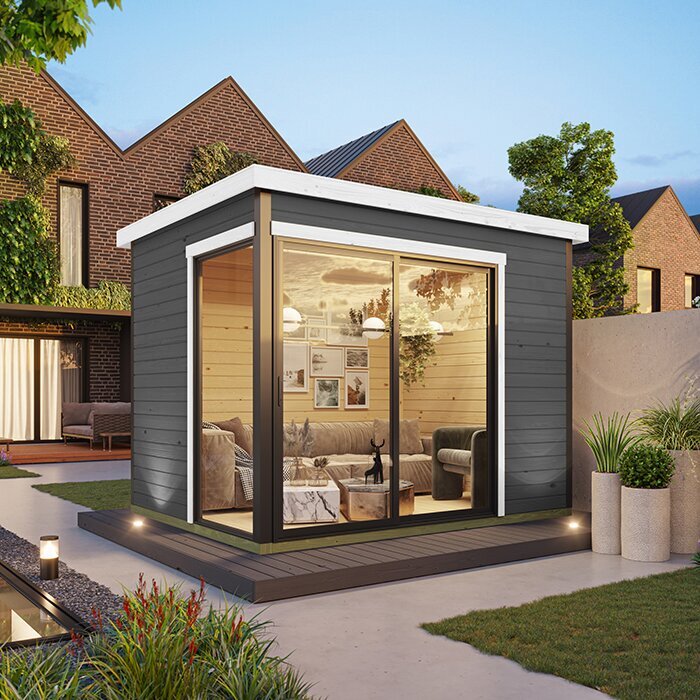
If your site is exposed, in a severe-storm area or affected by strong gusts, have a suitably qualified building professional or engineer assess the proposed arrangement before ordering. Do not guess a wind rating, anchor size or foundation detail from a general online guide. Ask what site details the assessment needs and whether an alteration or optional component changes the documented performance. For the Orello 1 product page, as for any candidate, locate model-specific wind information or request it in writing. The product name and image are not a wind assessment.
Match the anchoring system to the base
Anchoring is not an accessory to decide after choosing the shed; it connects the structure, base and ground. Ask what base the manufacturer requires, where the shed is fixed to it, which fixings are supplied and what substrate the instructions assume. A connection suitable for one base cannot be presumed suitable for another, and a level-looking surface does not show by itself that it can provide the required restraint. If you plan to use an existing slab, platform or other base, have its suitability checked against the product instructions and actual site conditions. Do not choose anchors by size or packaging alone.
Get responsibilities clear before placing the order. Ask the supplier to identify the model’s installation and anchoring requirements; a competent installer or building professional can assess whether the planned base and connection suit the site. Confirm whether the building, floor, base, anchors and installation are included or separate items, rather than assuming the listing covers them all. In the Modano 1 garden house listing, as in any candidate page, look for instructions tied to that model; do not substitute advice for another shed. If the base cannot meet the documented requirements, resolve that issue before delivery.
Plan the position for drainage and maintenance
Choose the footprint with drainage and future access in mind. Mark the full outside area, including any roof projection, door opening and clearance required by the manufacturer, then check it against paths, fences and other structures. Avoid low points where water collects, and notice whether paving, garden beds, downpipes or a nearby roof send runoff towards the base. A spot that looks dry on a fine day may behave differently after heavy rain. Ask a site contractor about drainage or base preparation if water movement is unclear; do not try to compensate for a poor position with different fixings.
Allow space to inspect surfaces and fixings and to carry out the care routine described in the manual. Tight placement against a fence or dense planting can make access difficult, and a hedge should not be treated as proof of wind protection. Check the manufacturer’s clearance instructions before setting the final position, and consider whether doors can be used without blocking a path. When comparing the M garden shed page with your site sketch, assess its stated footprint and access requirements from the current documentation rather than inferring them from a photograph. Marking the space first can help reveal a poor fit.
Confirm the order scope in writing
Before ordering, make a written comparison for each shortlisted model: materials and protective finish, details for exposed fixings, wind information, base and anchoring requirements, maintenance instructions, and exact package contents. Confirm whether a floor, fixings, finish, anchor kit, installation or base work is included or charged separately; do not infer inclusions from a photograph. Ask for the quote to identify the selected model and any options, and keep supplier answers with the order documents. If a feature matters to your use, have it named rather than left as a verbal assumption. Compare total purchase and setup costs, not just the headline product price.
For an online order, confirm what happens between checkout and installation: delivery location, access or unloading requirements, packaging dimensions if relevant to your route, who assembles the shed, and who handles missing or damaged parts. Do not assume freight includes unloading or assembly. Check the exact wording and chosen options on the final order summary. The Tool Shed S listing is a page to inspect, not a substitute for confirmation: make sure the product documents and order record agree on the model, inclusions and any coastal or wind-related conditions.
Make maintenance part of the buying decision
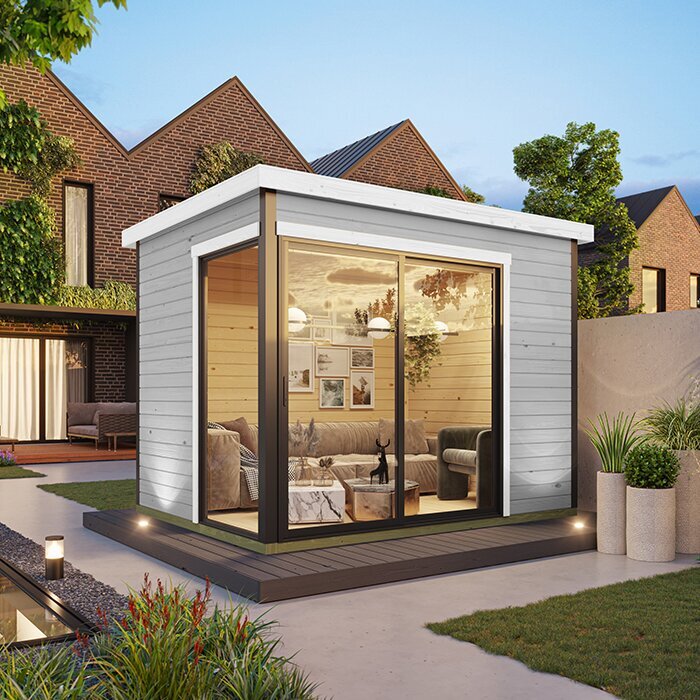
Maintenance is part of the material choice, not something to leave until a surface starts to deteriorate. Ask for the manufacturer’s recommended way to remove salt deposits and dirt without harming the coating, timber treatment or seals, and how often each component should be inspected. Request guidance for scratched finishes, corrosion spots, loose fixings and water trapped at joints; do not improvise a coating or replacement screw that may conflict with the supplied system. Compare the care instructions with the time and access you can realistically provide, and keep a simple record of maintenance.
Ask what to check after a major storm, which signs can be assessed safely from ground level, and when to call a professional. Keep the assembly and maintenance instructions, product identification and written advice together, and refer to the actual purchase terms for any maintenance conditions. A salesperson’s verbal summary is not a substitute for the manufacturer’s care guide. A shed that needs regular access for cleaning or touch-ups may be a poor match if the planned position is cramped or difficult to reach.
Compare shortlisted sheds against site requirements
Separate must-haves from preferences. A workable footprint, confirmed wind and anchoring information, a base that can meet the stated requirements, and a maintenance plan you can follow are gatekeepers. Colour, window layout or visual style can then narrow the options, provided they do not change the configuration covered by the product information. If a critical answer is missing, ask for it or remove that shed from the shortlist; silence is not confirmation. This approach stops a persuasive photo or broad coastal wording from outweighing the details that determine whether the purchase suits the site.
Compare the full cost and responsibilities for each option, including preparation, anchoring, installation, finishing and ongoing care where they apply. Use the supplier’s documents and any professional site advice to confirm the exact model and intended configuration before paying. Make sure the written order records the details that influenced your choice, especially what is included and any installation conditions. If the answers conflict, ask for a corrected, consolidated confirmation before proceeding. A short, evidence-based shortlist is more useful than collecting listings that cannot be compared on the same terms.
Frequently asked questions
Is timber or metal a better choice near the coast?
Neither material wins by name alone. Compare the documented protection on every exposed part, how joints and fixings are treated, the wind and anchoring information, and the maintenance schedule. A material may suit one site and owner better than another, so request product-specific details before drawing a conclusion.
How close to the water can a garden shed go?
There is no single distance that works as a universal cut-off. Wind direction, landform, shelter, sea spray and local moisture exposure vary from site to site. Assess the exact footprint and describe it to the supplier; if wind exposure is high or unclear, ask a qualified professional to assess the proposed shed and installation.
Can I use the fixings supplied with the shed?
Only if the manufacturer confirms they match the model, base type and site requirements. Check whether they are included and what substrate they are intended for. Do not replace them with a generic anchor or reuse an existing base without checking the installation instructions and getting professional advice where needed.
What wind rating should I look for?
Ask the manufacturer for written wind-performance information for the exact model, configuration and installation conditions, then have a qualified building professional assess whether it applies to your property. A number without its assumptions, or a description such as heavy-duty, is not enough to establish suitability. Do not calculate an anchor system yourself.
What should I confirm in writing before ordering?
Record the exact model and options, materials and protective finishes, exposed fixing details, wind information, base and anchoring requirements, care instructions, package contents, delivery and installation responsibilities, and quoted costs. Keep the answers so you can compare them with the final order summary.
A coastal garden shed should be chosen as a complete system for a specific patch of ground: materials and finishes exposed to salt, fixings, wind restraint, the base and the care you can provide all matter. When the product documents and a competent site assessment align with the conditions on your property, you can compare appearance, layout and total cost with confidence. If that alignment is still uncertain, resolving it before ordering is more useful than trying to correct an unsuitable installation later.
