
Buying a Garden Shed for a Long, Narrow Garden
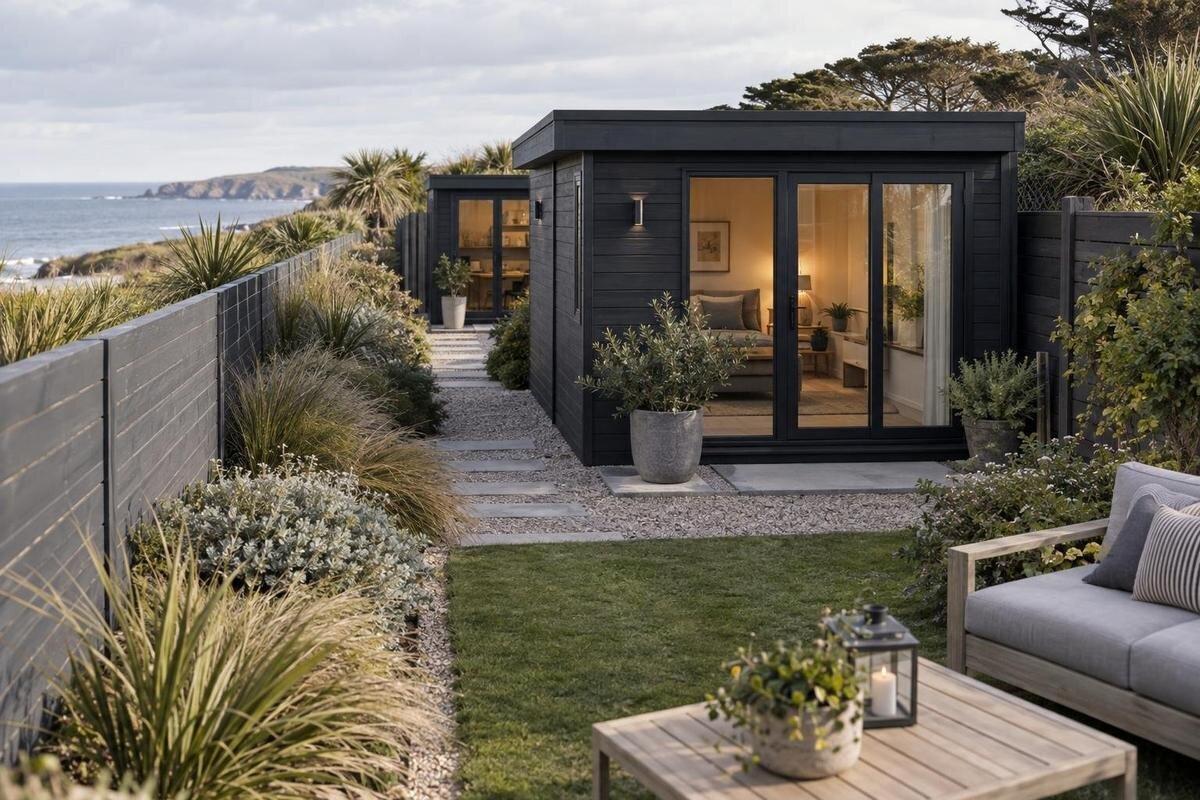
Garden shed buying guide
A long, narrow garden can have plenty of total area and still leave little width for a garden shed and a usable path. The choice is less about finding the largest model that fits on paper and more about planning its footprint, door approach and relationship to the rest of the garden. Measure the likely position and the route to it, then list what needs to be stored. Those details make it easier to compare options without confusing outside dimensions with usable room inside.
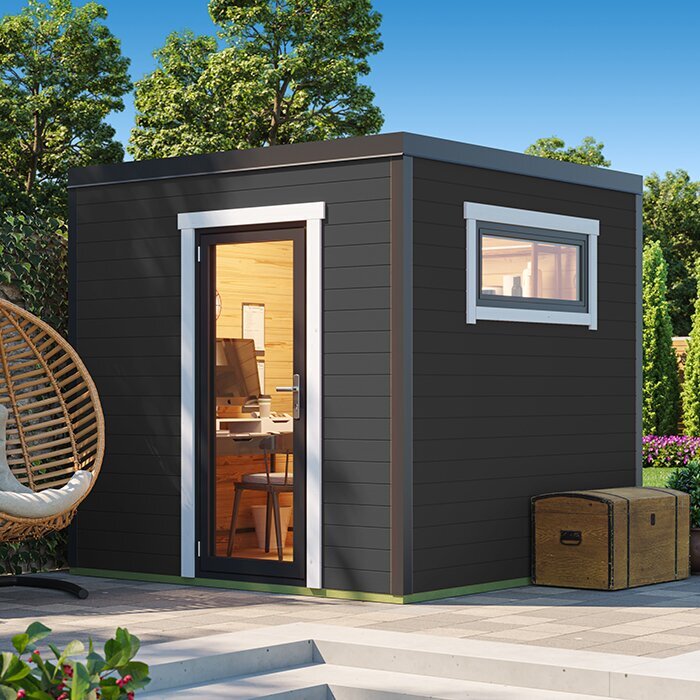
Buyer’s checklist 1
Measure the garden as usable space
A long, narrow garden can have a generous total area and still offer little width for both a shed and a comfortable route past it. At the intended position, width is often the tightest constraint; available length only helps if you can use it without blocking a gate, path, garden bed or access to the rear. Mark a possible footprint on a simple plan, then trace the route people will use around it. This shows whether the problem is the building itself or the space left over for everyday movement. If access to a clothesline, compost area or back gate matters, draw that route before deciding how much length can go to storage.
Decide what the shed must do before selecting a size. Storage for occasional tools calls for a different layout from a place where you expect to sort pots or handle bulky equipment. List the longest and tallest items, what needs frequent access, and whether anyone needs to stand inside. When reviewing a listing such as the Verdana 1 garden house, treat its name as an identifier, not a guide to dimensions or suitability. Compare any measurements provided with your plan and storage list; if a key figure is missing, get it clarified rather than guessing. That keeps the footprint tied to an actual job.
Measure the proposed position carefully
Measure at the actual spot, not just across the widest part of the garden. Record the clear width at both ends of the proposed footprint and at every point where fences, walls, posts, raised beds or path edges narrow it. Measure the usable length between obstacles, too. Boundaries are not always parallel, and a curved path or a change in level can make a neat rectangle on a sketch misleading. Note fixed items such as taps, downpipes and access covers if they affect where you can stand or walk. Recheck your measurements against the ground; a property plan is useful for orientation, but not a substitute for measuring the site.
Use string, tape or movable markers to outline the maximum footprint on the ground, then walk the route beside it with a basket, wheelbarrow or the item you expect to carry. This gives a more realistic sense of passing room than judging a diagram alone. Check the route from the garden entrance, including gate width, steps and turns, because a shed at the far end still needs to be reached and its parts may need to be carried in. Compare your notes with the Verdana 2 garden house listing and other options. Use dimensions shown on a product page only when their meaning is clear, and ask for missing details.
Buyer’s checklist 2
Compare the footprint with the usable interior
A shed’s external footprint and its usable space inside answer different questions. The footprint tells you how much garden the building occupies; the interior dimensions help you judge whether the stored items and planned layout will fit. Check how a product page defines each measurement: a figure may refer to a wall, floor or overall dimension. Do not assume that measurements taken to different reference points can be compared directly. A plan view or dimensioned drawing, if available, can help you see how the building relates to the narrow strip of ground. Also note which walls, posts or trims are included in an overall measurement, because these can affect a tight boundary-side passage. Record each figure with its label so that you do not later compare a floor measurement from one listing with an external measurement from another.
Allow for any difference between the outside dimensions and the space available for shelves, larger items or standing room. A plan that only traces the exterior can hide a tight interior layout, while a generous floor-area figure does not show whether a long item can pass through the doorway. Use the Durano garden house page as one listing to examine alongside your notes, not as a clue to its floor dimensions from its name. Look for a clear definition of the measurements you need; if it is not supplied, ask before deciding that the shed fits.
Plan the door approach and opening
On a narrow site, the door position can matter almost as much as the footprint. Mark the entrance on your garden plan and show the area needed to stand, carry items through and open the door as specified. If the opening faces across the garden’s narrow width, check that it meets a usable path rather than a bed or pinch point. If it faces along the length, make sure your usual approach reaches it without an awkward turn. Product images can help you understand the general appearance, but use written details or drawings to confirm the opening and its position.
Check the door style, opening direction and clear opening width where those details are provided. An outward-opening hinged door needs space on its swing side; other opening arrangements make different demands on the approach and interior. Think about the largest item you plan to move in and out, not just whether a person can reach the doorway. Review the Veltor 1 product listing for any door information it specifies, and do not infer the arrangement from the model name. If the listing leaves a practical question unanswered, seek clarification before relying on that layout.
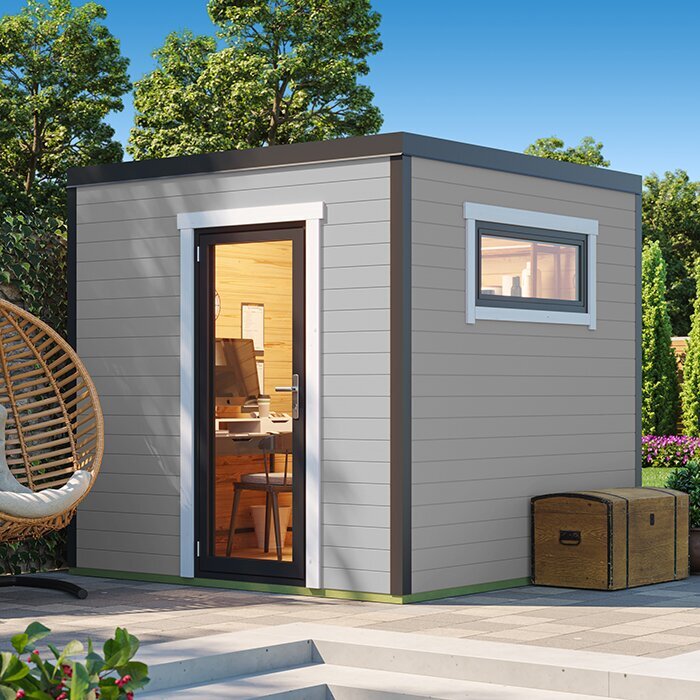
Buyer’s checklist 3
Match the interior to what you will store
Make a simple inventory before comparing interior layouts. Group items by how often you use them, then note which are long, tall, awkward to lift or likely to be stored together. A mower or long-handled tools may need a clear path from the doorway; pots and smaller equipment may be easier to organise on shelves. These examples are prompts for measuring your own belongings, not standard size assumptions. Decide which items need to stay accessible and which can be placed further inside, so the shed is not technically large enough but difficult to use. Include items that are only used seasonally, too, as they still occupy space when stored. If equipment needs to be lifted out before another item can be reached, the layout may be frustrating even when the total floor area seems adequate.
Sketch a basic floor plan with the actual stored items, any proposed shelving and enough room to reach what you need. Keep the route from the door clear, and check that a shelf or stack will not block an item that comes out regularly. Compare the interior details shown for the Orello 1 listing with your own layout, without inferring a usable area from its name. If internal dimensions or layout information are not available, ask for them or use another option whose details allow a reliable comparison.
Choose a position that keeps the garden accessible
The shed’s orientation changes how the rest of the garden works. Placing it lengthways along a boundary can make use of the long axis, but it may leave a narrower passage beside it. Placing it across an end can preserve more of the garden’s width elsewhere while taking up length that might be needed for access or planting. Draw both arrangements if the site allows them, and include the door approach in each. The better fit depends on what you need to reach, not simply on which outline looks neatest on a plan.
Consider the tasks that happen around the proposed spot, such as reaching garden beds, bringing in supplies or using a gate. Check whether the shed would make a route indirect or leave too little room to tend nearby plants. Also think about how the position will feel when the garden is in use, rather than only when it is empty. Use the Modano 1 page as a product listing to compare with your plan, not as evidence that it suits a particular position. Base that judgement on its stated details and the clearances you have measured.
Buyer’s checklist 4
Check the ground and base requirements
A footprint that fits on paper still needs a suitable place to sit. Look at whether the proposed ground is firm, even or sloped, and whether nearby edges, roots or existing paving affect the position. The base requirements depend on the particular shed, so use the manufacturer’s instructions rather than applying a generic solution. If the site is uneven, close to a retaining edge or otherwise difficult to assess, get advice from a suitably qualified installer before committing. This can prevent a size decision from being made on the assumption that any clear patch of ground will work.
Pay attention to where water collects or flows after rain, and whether the intended position could interfere with drainage around the garden. Consider how you will keep the area beside the shed accessible for routine care, without assuming that a tight boundary gap will be workable. Look for relevant installation or base information for the M timber garden shed listing, if it is supplied, and ask the supplier about anything unclear. Do not use a product name or image as a substitute for written requirements. Where site conditions need technical assessment, consult a qualified professional.
Weigh light, privacy and appearance
Consider how you expect to use the interior when deciding which features matter. If you will only collect tools, the priorities may be different from a shed where you plan to sort seedlings or work at a bench. Think about whether daylight is important, whether openings would affect privacy, and how much wall space you need for storage. An opening that brings in light can also change what can be placed along that wall, so consider the whole layout rather than treating features separately. Check the details given for each option; do not assume an image shows every included feature.
In a long, narrow garden, a building can shape the view from the house and the route through the space. Consider whether its placement will obscure a feature you value, make the garden feel more enclosed or leave a simple sightline along its length. Appearance should support the practical plan, not override it. The Timber tool shed S listing is another page you can compare, but its name alone does not establish its finish, features or suitability. Use the written product information for those details, and keep the site’s proportions and the shed’s intended use at the centre of the choice.
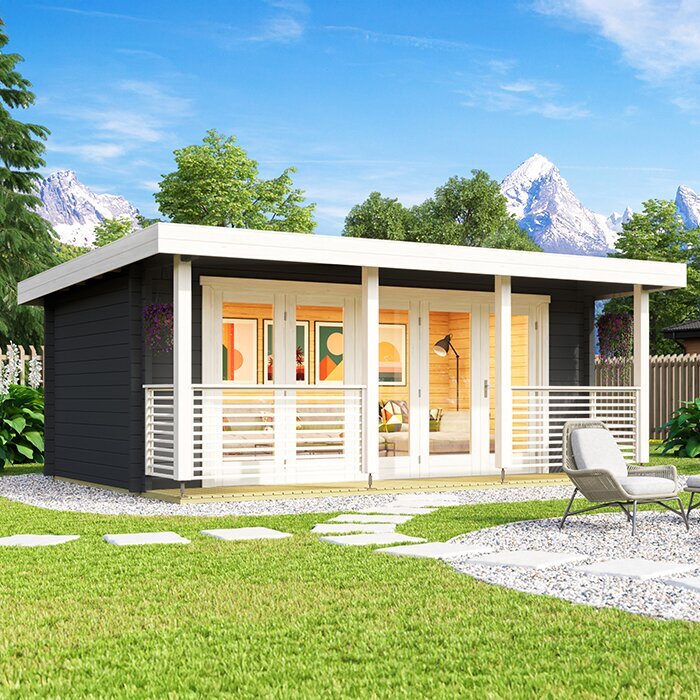
Buyer’s checklist 5
Check product details and ordering arrangements
Before choosing between listings, check what the quoted dimensions refer to and what is included in the product. Confirm details that could change the layout or the work involved, such as the door arrangement, any listed openings, the floor or base, and the assembly components. Do not assume that an item shown in a photograph is included or that a dimension has the meaning you expect. If the product information does not answer a question that affects fit or use, ask the supplier for clarification before you compare it as a finalist. Keep notes for each option, especially where details have been confirmed separately, so that you can compare like with like. This is particularly useful where a narrow site leaves little tolerance for a changed door position, a different overall measurement or an omitted component.
Think through how the shed and its components will get from the delivery point to the proposed site. Check the gate, path, turns and any steps along that route, as well as the arrangements and charges shown at checkout. Confirm what assembly is expected and whether any part of the work needs to be arranged separately. Read the current ordering information carefully rather than assuming delivery or assembly is included. If access is tight, give the supplier accurate details of the route before placing the order, so you can resolve practical issues while you still have options.
Shortlist by non-negotiable requirements
Separate your requirements into must-haves and preferences. The must-haves might include a maximum outside footprint, a door that can be approached from the available path, enough interior space for specific items, and a base arrangement suitable for the site. Preferences could include a particular look or extra features, provided they do not compromise access. Compare a small number of options against the same list, rather than switching criteria from one listing to the next. Include the purchase price and any separate delivery, base or assembly arrangements when comparing the total costs shown and what the purchase involves. A simple comparison table can make trade-offs visible: note the measured site limit beside each stated product detail and identify any point that still needs clarification. An option should remain provisional until the information that affects its fit has been confirmed.
Before ordering, return to the marked outline and check the measurements, door approach and route into the garden against the details you have confirmed. A shed that barely fits may leave too little space for everyday movement, even if its footprint sits inside the boundary on paper. If none of the options meets the essential requirements, reconsider the location or the storage plan rather than treating a missed dimension as unimportant. Keep a record of the details you relied on, including any clarification received, so the final choice reflects both the garden’s limits and the job the shed needs to do.
Frequently asked questions
How do I tell whether a shed will fit a narrow garden?
Measure the proposed spot at several points, then compare the shed’s overall external dimensions with the space available. Mark the footprint on the ground and check that a usable route and access to the door remain.
Should I place the shed along the garden’s long boundary?
Not necessarily. Positioning it lengthways may use the garden’s length but leave a narrower passage; placing it across an end may take away room needed elsewhere. Compare both layouts against your access routes and storage needs.
How much clear space should I leave around a garden shed?
There is no single clearance that suits every site. Allow for the door’s opening, the route you need to carry items, and any space required for upkeep. Check the manufacturer’s guidance and consider local site requirements.
Is the shed’s floor area enough to judge whether it will fit?
No. Floor area does not show the full external footprint, and the usable space inside may differ from the outside dimensions. Check how each measurement is defined and use a plan or drawing where available.
What should I confirm before ordering a garden shed?
Confirm the dimensions, door details and what is included, as well as the base requirements, delivery arrangements and access to the site. If a detail you need is not provided, ask the supplier before relying on it.
In a long, narrow garden, a suitable shed is one that fits the measured site, leaves access for the way you use the garden and holds the items you actually need to store. A clear plan can help you compare those factors without letting total floor area or a product name stand in for practical details. When footprint, interior layout and ordering arrangements are considered together, the final choice is more likely to feel like a useful part of the garden rather than an obstacle along it.
