
Buying a Garden Shed for Dining and Garden Parties
Garden shed buying guide
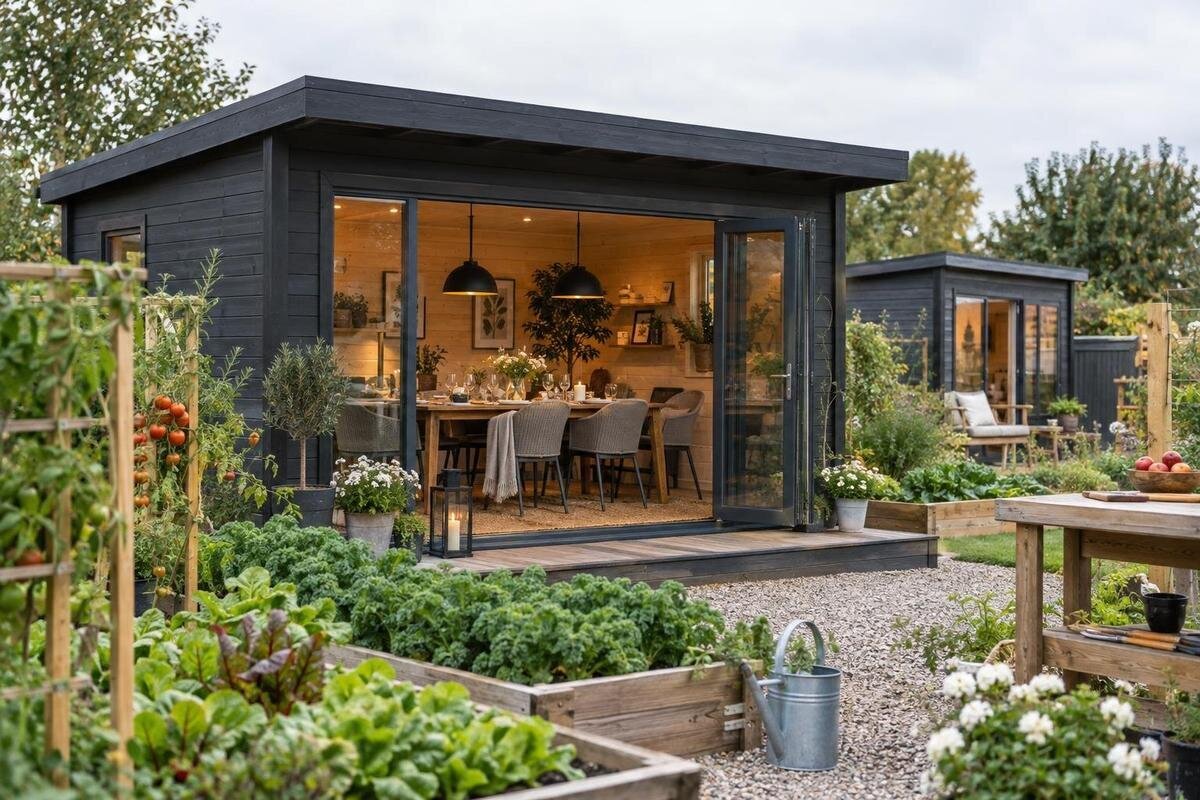
If you want to buy a garden shed for outdoor dining or garden parties, start with how you plan to entertain, not just the style that looks right from the house. Decide whether you want to dine inside an enclosed garden house, create a sheltered gathering spot, or keep the table outdoors and use the building as a nearby base. Each plan needs a different amount of clear floor space, a workable guest route and specific checks against the product information. Measure your furniture and site, then compare documented dimensions, openings and intended use with the way you actually host. A model name or photo cannot confirm suitability.
Choose the role the building will play in a gathering
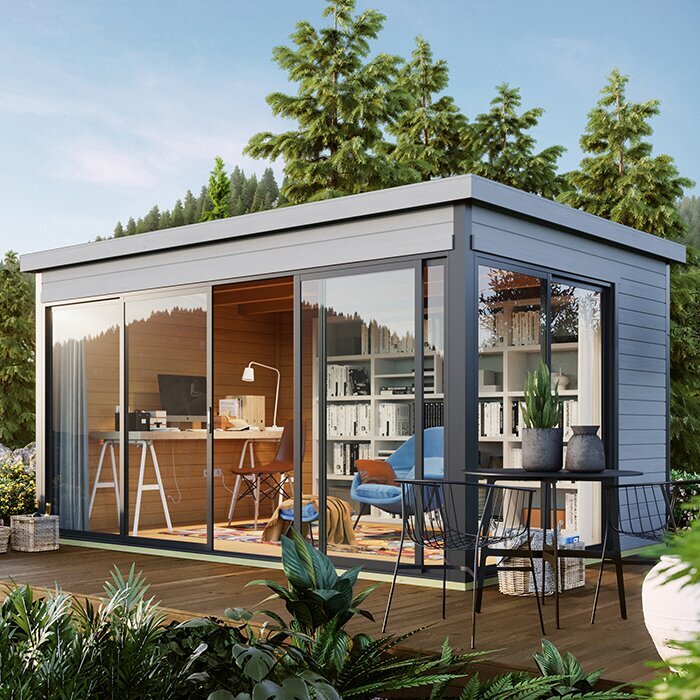
First settle what you want the building to do. A garden house used for seated meals needs room for the table, occupied chairs and people moving around them; a shed that mainly stores serving gear can be much smaller. If guests will eat outdoors, the building may only need to keep party supplies nearby or give people a place to step inside between courses. These are different buying briefs, even if the same broad category is used for both. An enclosed shed is not the same as an open-air dining shelter, and the category name does not establish that people can gather inside comfortably or appropriately. Check that the intended use is supported by the product documentation.
Describe an ordinary event in concrete terms: how many people sit at the table, whether others stand nearby, whether you serve a full meal or snacks, and how long people are likely to stay. Note if the room must work after dark or only in daylight, and whether the table and chairs will stay in place between events. Plan for the gathering you host most often, then identify what could move to the lawn or another room on a larger occasion. That gives you a useful minimum without buying for an annual maximum headcount that rarely occurs. This distinction also helps you avoid paying for space that does not serve your usual entertaining plans.
Calculate space around the dining table
Begin with the actual furniture rather than the shed’s outside dimensions. Measure the table in its everyday and extended position, then measure chair depth when each chair is pulled back for use. Allow a clear path to the entrance and room for someone to get up while another person passes; chairs around a table can use far more floor area than a bare plan suggests. Add any sideboard, drinks trolley, high chair or spare seats that will be inside during a gathering. Count the places you genuinely expect to use instead of treating a nominal floor-area figure as a seating capacity. Leave somewhere to set down platters without asking seated guests to shift each time.
Make a scale sketch or mark the arrangement with tape in a garage or on a flat part of the lawn. Include the door opening and route to the serving point, then try walking around the marks with a chair pulled out. This can reveal awkward corners before you order. When checking Verdana 1 garden house, look for stated internal dimensions or a dimensioned plan; if the page gives only external measurements, ask for the usable space rather than estimating from the photograph. Repeat the test for another layout if the table will be extended for parties.
Plan the route guests will use
Map how people will reach the building from the house, gate and outdoor seating. A short, direct path makes serving food and carrying drinks easier, while a route through narrow planting beds or around a parked car can become a bottleneck when guests arrive together. Consider the surface underfoot in the conditions when you plan to host, and whether the way is manageable for people carrying plates or accompanying children. If guests will move between an outdoor table and the shed, check that the two spaces connect naturally instead of making people cross the main serving route. Think about where someone can pause without blocking others.
Measure the clear doorway, not just the outer frame, and check that your table, chairs and bulky furnishings can pass through it. Establish how the door opens and whether it takes up space inside; a door can conflict with a pulled-out chair or a group arriving at once. Do not infer opening width or operation from an image. The Verdana 2 garden house listing is one page to inspect for documented access details, with any missing measurement confirmed before you commit. Keep the approach outside clear too, so guests can enter without crowding around the threshold.
Choose a site for access, sun and privacy
Position affects whether the building feels connected to the entertaining area or a long way from it. Mark the likely footprint in the garden and walk between it and the kitchen as if carrying a tray. Allow for the guest route, outdoor table, planting and existing sheds. A spot close to the house may ease serving, while one farther into the garden may provide more separation, but neither is automatically better. Decide what matters on your block, including the view from the table, privacy from neighbouring windows and whether guests can find the entrance easily after dark.
Observe the proposed site at the hours and seasons when you expect to host. The sun’s position, nearby trees and buildings, breeze and changing shade can affect whether people prefer to sit inside or outside. A patch of afternoon shade in one month may not provide shade all year, and a fence or tree should not be assumed to offer reliable shelter. For the Durano garden house page, as with any listing, compare the documented footprint with the space available and confirm the manufacturer’s site-placement requirements. Note nearby roots, irrigation and overhead branches as possible constraints to discuss with a site professional.
Check comfort against the weather at your site
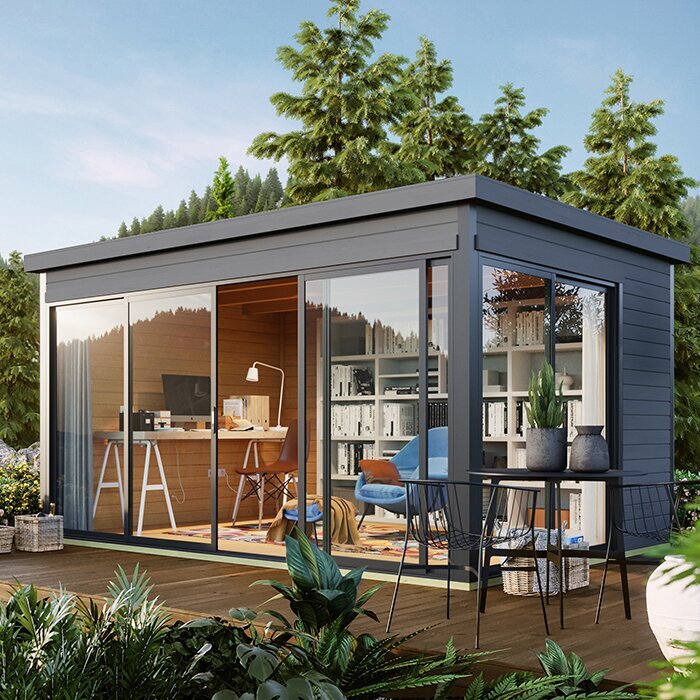
Think about the conditions on your own site, including sun, wind, rain and humidity, rather than relying on broad assumptions about what a garden shed will be like. An enclosed building can feel different once a group is inside, particularly if openings are limited. Check what ventilation, windows, shading and weather protection are actually specified, and consider how doors being opened during a party may affect the room. Do not infer these details from a timber finish, a product category or an attractive image. If you plan to host in particular seasons, compare the proposed position and documented design with those conditions.
Ask how the stated design addresses the conditions relevant to your plans, and request written details where the listing is unclear. For example, review Veltor 1 against the same questions as other options; its name alone does not establish its openings, comfort or weather suitability. Consider alternatives too: you might use the building for supplies or shorter gatherings and keep the meal outdoors under a separate shelter if that better matches the conditions. Avoid basing a purchase on an unverified promise of year-round comfort.
Compare doors, windows and privacy
Door and window layout affects light, privacy and how you can arrange the room. A wide opening may make it easier to bring in a table or pass dishes, while glazing can connect the room visually with the garden; those advantages depend on the actual dimensions, operation and placement. A swinging door takes up room when open, and windows can bring glare or make the table more visible from outside. After-dark use can change the privacy picture too, so consider whether you will want coverings or screening and how they fit the layout.
Compare drawings and written specifications for the clear opening, window locations, opening method and any screens or coverings you expect to use. Check what is included and what would be a separate purchase; do not assume a depicted blind, light or piece of furniture comes with the shed. If you are assessing Orello 1 garden house, use only details confirmed for that model on its product page or in supplied documents, and ask about anything unclear. An image can help with appearance, but it cannot show how the room works once doors are open and furniture is in place.
Keep dining space separate from garden storage
If the building must hold both diners and garden gear, list the items before choosing a size. A mower, pots, cushions and party decorations all take space, and storage can gradually use up the area intended for chairs. Keep tools, garden treatments and other maintenance items out of the food-serving area; if they need a separate place, treat that as a distinct storage requirement rather than counting an unfurnished corner as permanent spare room. Decide which items must remain inside and which can be brought out for each event. Also consider where coats, prams or extra seats can go without blocking the table or entrance.
Think through the reset after guests leave: where will dishes go, where can rubbish wait, and what needs wiping or drying? Ask what surface is supplied, whether floor coverings are included and what cleaning or maintenance the manufacturer recommends. Do not assume that a floor shown in an image is part of the order. If tool storage is also on your list, the M timber garden shed page can be considered separately; check its documented dimensions and purpose rather than assuming another model includes storage. Keeping the dining brief uncluttered makes the usable area easier to judge.
Plan lighting and food service
For meals after dark, allow for lighting as part of the plan rather than deciding later. Check whether any lighting, wiring or outlets are included, optional or absent, and consider how guests will enter, sit and reach the serving area. Product photographs do not confirm electrical provision. If you want power or fixed lighting, have a suitably qualified electrician assess whether and how it can be provided at the chosen site before you buy. Think about the path to the building as well as the table; a well-lit room does not automatically make the approach easy to use.
Separate the dining brief from a kitchen fit-out. A table and room for platters may meet your needs when meals are prepared in the house, while appliances, refrigeration or food preparation raise additional questions about services, ventilation, cleaning and suitability. Verify those requirements with the supplier and relevant qualified trades before selecting a building. When reviewing Modano 1 garden house, look for explicit information about inclusions rather than assuming that lights, power points or catering equipment are part of the package. This helps keep the order aligned with how you will actually serve food.
Measure the site and confirm delivery details
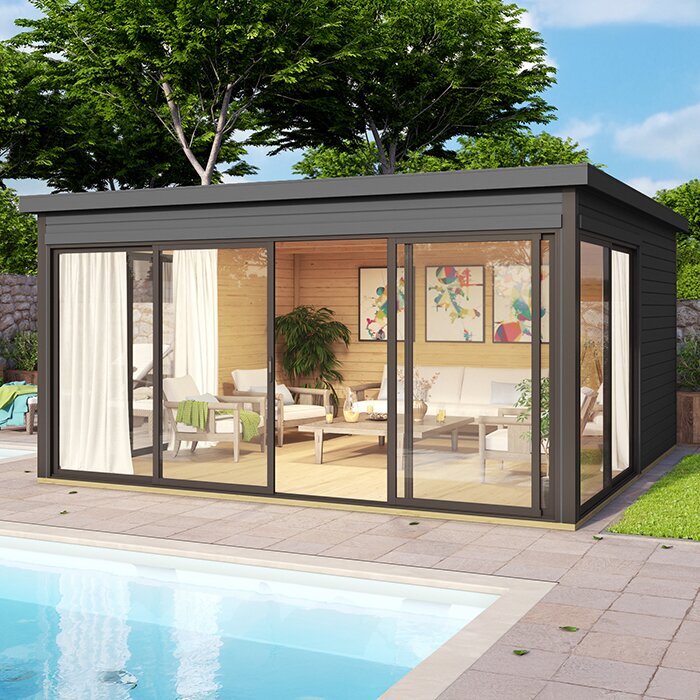
Before comparing finishes, confirm that the proposed footprint fits the site and that the delivery route can accommodate the order. Measure between fixed obstacles, note overhanging branches and gates, and check the space needed to move components from the drop-off point to the base. Ask the seller what delivery includes, how unloading is handled and whether assembly is part of the order; a product title cannot answer those questions. Check the manufacturer’s base and site-preparation requirements, and ask a qualified building or site professional about ground conditions or preparation you are unsure of.
Read the order details for the exact model and configuration: external and internal dimensions, included floor or fittings, finish or treatment, assembly information, delivery area, access limits, packaging and any parts you need to source separately. If door or window configurations are offered, confirm how the selected version affects the layout rather than inferring options from a photograph. Apply the same questions to Timber Tool Shed S as to any product page, and seek a model-specific answer in writing where your purchase depends on an unlisted detail. Check the delivery and order terms before committing.
Compare options against the same requirements
Use the same comparison points for every candidate: usable internal footprint, table-and-chair layout, entry, window and ventilation details, site position, maintenance, intended use and order inclusions. Mark each item as confirmed, missing or unsuitable instead of filling gaps with guesses. Separate essentials, such as a table arrangement that leaves a clear route, from preferences such as a particular exterior look. If information is missing, ask the seller for a drawing or model-specific answer and keep it with your notes. A consistent comparison makes differently named sheds easier to assess fairly.
Before placing an order, confirm that the proposed use is appropriate for the specific building and site. If you plan regular enclosed dining rather than garden storage or occasional shelter, check applicable local requirements with your council or a qualified building professional; a product label does not settle that question. Also make sure delivery access, site preparation and any services have been considered. A candidate with clear documentation and a layout that works for your usual guest numbers is a sounder choice than one selected from appearance or an assumed seating capacity.
Frequently asked questions
How do I work out the right size for dining?
Measure the table, chairs pulled out for use and any serving furniture, then add a clear route to the entrance and room to move behind seated guests. Try marking the layout at full size. There is no reliable seating capacity to infer from a shed’s outside dimensions alone.
Can any garden shed be used for dining?
No. A category name does not confirm that a particular building is suitable for people to gather inside. Check the product documentation for its intended use, dimensions, openings and relevant comfort details. For regular enclosed dining, ask your local council or a qualified building professional about requirements that may apply to your site and plans.
Is an enclosed shed better than an outdoor table?
It depends on how you entertain. An enclosed room may suit a plan that needs indoor seating, while an outdoor table may work better if you want guests to move freely through the garden. A shed can also serve as a nearby base for party supplies. Decide which role matters before comparing products.
What should I measure before ordering?
Measure the proposed building footprint and delivery route, including gates and fixed obstacles. For the interior, check the table, pulled-out chairs, furniture you plan to keep there and the space needed to reach the door. Confirm the product’s stated internal dimensions rather than estimating usable space from a photograph.
Can I host garden parties in a shed all year?
Do not assume a garden shed will be comfortable in every season. Check the documented ventilation, openings and weather-related information against the conditions at your site and when you plan to host. If details are missing, ask the supplier; consider a different style of shelter if the enclosed space does not suit your plans.
A garden house earns its place in an entertaining plan when it makes gatherings easier rather than simply adding another structure to furnish. A table that fits with chairs in use, an uncluttered route from the kitchen, a position that works at the hours you host and a realistic approach to weather all matter as much as the nominal footprint. Compare purchase details with that picture, and be willing to consider a different form of shelter if an enclosed shed does not suit the way you want guests to gather. The result should work for an ordinary dinner as well as a planned party.
