
Buying a Garden Shed on a Fixed Budget: What to Prioritise
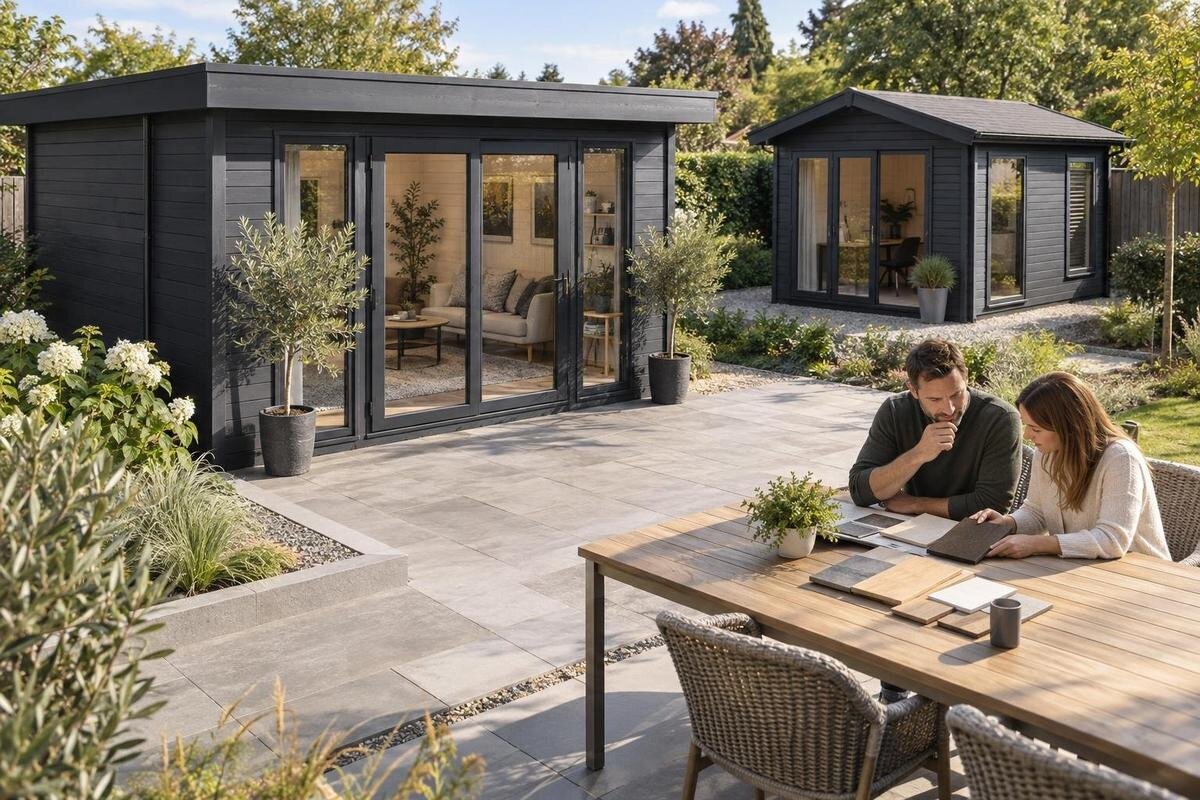
Garden shed buying guide
Buying a garden shed on a fixed budget is less about finding the lowest displayed price than deciding what has to be included for the shed to work in your yard. First list the items it must hold; then measure the proposed space and compare complete costs for options that meet those needs. This order helps separate optional upgrades from expenses that are essential to getting a usable result, such as an appropriate base, delivery or assembly where required. With a clear shortlist, you can cut costs deliberately without buying too little space or paying for features that do not solve a real problem.
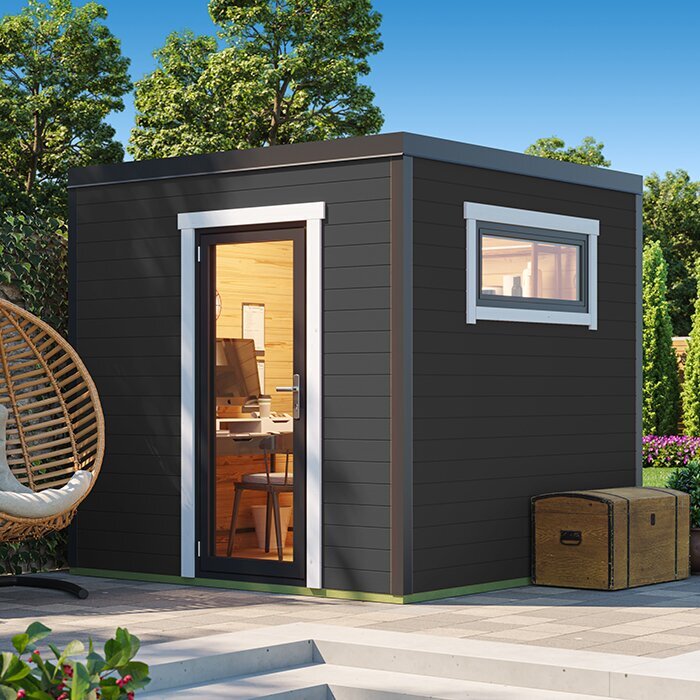
Budget checklist 1
Set a total project budget
Start with one limit that covers the shed as it will actually be delivered and made usable, not just the amount shown beside the product. Depending on the option, costs to ask about may include freight, unloading, assembly, site preparation, a base, required finishing materials and storage fittings. Not every shed needs every item, so treat these as questions rather than automatic add-ons. Ask the supplier to separate included items from optional charges and get the complete amount in writing before you compare. Confirm whether quoted amounts include GST and whether separate trades or work would fall outside the quote. Compare estimates with the same scope, not just the same headline figure.
Divide the available money into three lines: the shed and non-negotiable setup; practical extras needed for your intended use; and nice-to-haves. Keep a small reserve for overlooked costs instead of allocating every dollar to the model itself. If the total is too high, remove extras in the last group first, then revisit size or finish only if the revised choice still meets your minimum requirements. For a concrete page to assess, open the Verdana 1 garden house and record only details its listing actually confirms; a model name alone says nothing about total cost, dimensions or included work. This keeps your shortlist evidence-based without assuming a particular product suits your limit.
List what the shed needs to store
Make a short inventory before looking at sizes. Note each bulky item by its actual footprint and height, including lawn equipment, long-handled tools, bikes, bins or seasonal furniture if those are part of your plan. Add access space: an object that fits only when every other item is moved may make daily use frustrating. Separate things you need regularly from occasional storage, and decide which must remain easy to reach. This list prevents a low price from distracting you from capacity you will use, while avoiding a larger shed bought for vague future possibilities. Include any item you already know you will acquire soon, but do not fill the list with hypothetical purchases.
Turn that inventory into clear requirements: minimum floor area, the tallest item, how many objects need to be moved in and out, and whether you want floor storage, shelving or a clear central path. Be realistic about what can be stacked and what should stay accessible; a plan that relies on shifting half the contents each time may not work for regular use. If the Verdana 2 garden house is on your shortlist, compare the details stated on its listing against this list instead of reading the model name as a promise of capacity. A quick sketch with labelled objects is more useful than estimating from a product photo, which may not show scale or your arrangement.
Budget checklist 2
Measure the footprint and usable space
Measure the area available in the yard and mark the proposed footprint before choosing a shed. Include any clearance the supplier or installer requires, room to open doors and space to move around the outside for upkeep. Look above as well as across: branches, eaves, fences and overhead services can affect where a structure can go, so check actual site requirements rather than assuming a standard clearance. If space is tight, note the narrowest point and usable height as well as overall width and depth. These measurements help reject options that cannot fit before you spend time comparing extras, and they give you a reliable reference when reading dimensions.
Do not confuse an advertised outside footprint with useful storage area. Wall construction, framing, roof shape and the position of openings can affect the practical inside layout, so check the product’s stated internal and external measurements where available. Check whether measurements refer to the building itself or include an overhang. Plot shelves, mower handles or other awkward items on a simple plan, leaving room to reach them rather than counting every centimetre as storage. When assessing the Durano garden house, check the dimensions and layout given for that model; “spacious” in a name does not replace measurements. If a listing leaves a key dimension unclear, ask before treating the option as a match.
Compare materials by upkeep as well as price
Price is only one part of a material comparison. Look for the precise construction description, surface finish, supplied treatment and care guidance, then ask what maintenance is expected and what materials are excluded from the package. A timber option, for example, should be assessed using its stated construction details and the manufacturer’s care instructions rather than an assumption that every timber shed behaves the same way. Apply the same discipline to metal, resin or other materials: check the finish and maintenance information for the exact model. This makes ongoing effort easier to compare and prevents a broad material label from being treated as a guarantee of longevity or low upkeep.
Ask what is included at purchase and what you might need to obtain separately, such as a specified protective finish, compatible fixings or accessories. Do not budget for a treatment unless the manufacturer’s instructions call for it, and do not assume a product arrives ready for use solely from a photograph. Keep notes on the stated care requirements and any conditions attached to the finish; they can affect both the initial outlay and the time you are willing to spend maintaining it. You can examine the Veltor 1 garden house as one product page in the comparison, but decide from its documented specification and instructions, not its name or appearance. If a long-term cost is unclear, get an answer before ranking it against alternatives.
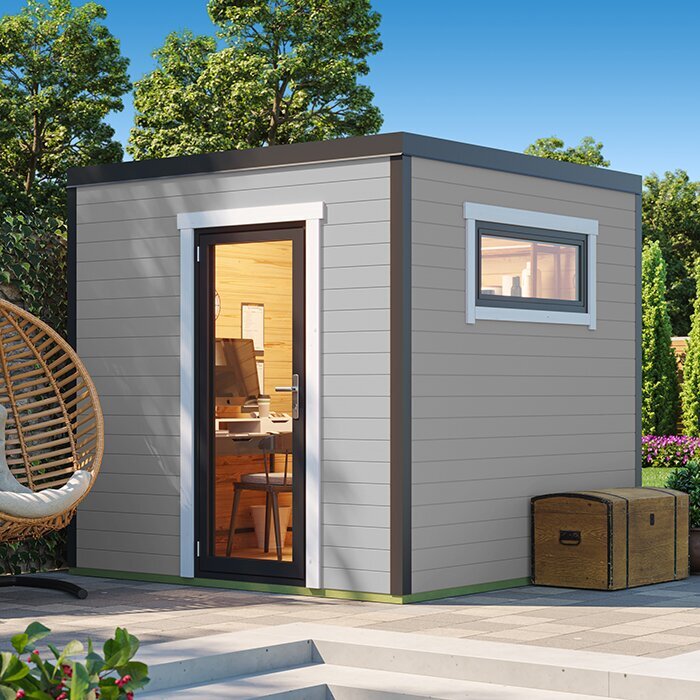
Budget checklist 3
Check site suitability in the product information
Match the shed’s documented intended use to the conditions at the chosen site. Exposure to strong wind, driving rain, intense sun or salty air may make particular product information important, but a general label such as “outdoor” does not answer every suitability question. Look for model-specific guidance on site exposure, roof and wall requirements, drainage or protective finish, and ask the supplier which conditions the product is designed for. Avoid comparing vague marketing terms alone; ask for the relevant written specifications. This matters especially when the location is exposed or the shed is a substantial purchase, because changing the plan or product later may add cost.
Keep site and product responsibilities distinct. Check what base or surface the instructions require and whether that preparation is part of the quote; do not assume that a level-looking patch is an adequate base. Where the ground, exposure or building arrangement raises a technical question, ask the supplier or an appropriately qualified installer what must be assessed rather than relying on an online rule of thumb. If local approvals may apply, confirm what to check with your council or relevant authority before ordering. The listing for the Orello 1 garden house is a candidate to compare only on its own published information; its name does not establish a site rating, materials or suitability. Put unresolved requirements on the must-confirm list before paying.
Match the opening to what you need to store
A shed can have enough floor area on paper and still be awkward if the opening does not suit the equipment. Compare the clear doorway width and height, opening direction, threshold and any fixed fittings with the largest item you plan to store. Measure that item at its widest point, including handles or attachments, and think through the turn from the path into the shed. For a push mower, wheelbarrow or bicycle, the route through the doorway may matter as much as the internal layout. These are practical fit checks, not reasons to buy a more expensive door design unless the difference solves a real access problem. Also consider whether you will carry smaller things through while larger equipment is inside.
Check whether a door’s swing, sliding travel or folding area needs clear space around it, and whether the approach will remain usable when garden furniture or bins are in place. Ask which parts of the opening are included in the quoted configuration and whether a threshold or fitting changes the clear passage. If considering the Modano 1 garden house, verify the actual entry details in its listing or with the supplier rather than inferring them from the model name. When a key object is close to the opening limit, confirm the measurement before ordering; a small difference can determine whether everyday access is convenient. Make access part of the comparison table so it is judged alongside price, not after delivery.
Budget checklist 4
Separate essential features from optional extras
Sort features by the job they do. A reliable way to close the shed, an opening that fits your largest item and enough usable area may be core requirements; decorative glazing, upgraded finishes or built-in storage may be worthwhile but should be priced against your priorities. The correct list depends on the contents and location, so avoid paying for features simply because they appear in a package. Ask which items come as standard, which are add-ons and whether different configurations change the quoted price. An itemised breakdown makes it easier to preserve the functions you need while trimming features you can genuinely do without. If more than one person will use the shed, agree on the shared must-haves before browsing.
Do not assume an extra can be added cheaply later. Check whether shelves, hooks, locks or other fittings are compatible with the chosen model, whether they are included and whether fitting them affects the manufacturer’s requirements. If a later change might be difficult, price it now; if it is straightforward and non-essential, it may be a sensible future purchase. Compare the M timber garden shed only after checking its stated inclusions and optional accessories, as you would any shortlisted product. The useful question is not whether a feature looks appealing, but whether it addresses a real need enough to justify the cost today. Keep optional additions on a separate list so they do not inflate your essential specification.
Include delivery, assembly and site preparation
Ask for a breakdown that separates the shed price from delivery, unloading, assembly and any base or site-preparation work. Responsibility can vary by order, so confirm who receives the parts, what access or surface the supplier expects and whether assembly is offered for the model. Do not assume a low online price covers delivery to the final position or installation. These are budget checks, not instructions for building the base: use the product instructions and qualified help where installation or ground conditions need professional assessment. Add every confirmed charge to the same total before comparing offers. If work is quoted separately, record who is arranging it so no item is overlooked.
Before ordering, record the chosen model and configuration, quantity, colour or finish if applicable, included accessories, delivery address and quoted services. Confirm which items are required separately and when payment is due; no charge or term should be inferred from a product photo or model name. The page for Timber Tool Shed S can be reviewed like any other candidate: confirm the specifications, package contents and delivery terms for the exact option you are considering. Keep the final quote or order summary to check against the agreed scope. If the total changes, revisit the priorities rather than quietly dropping an essential setup cost.
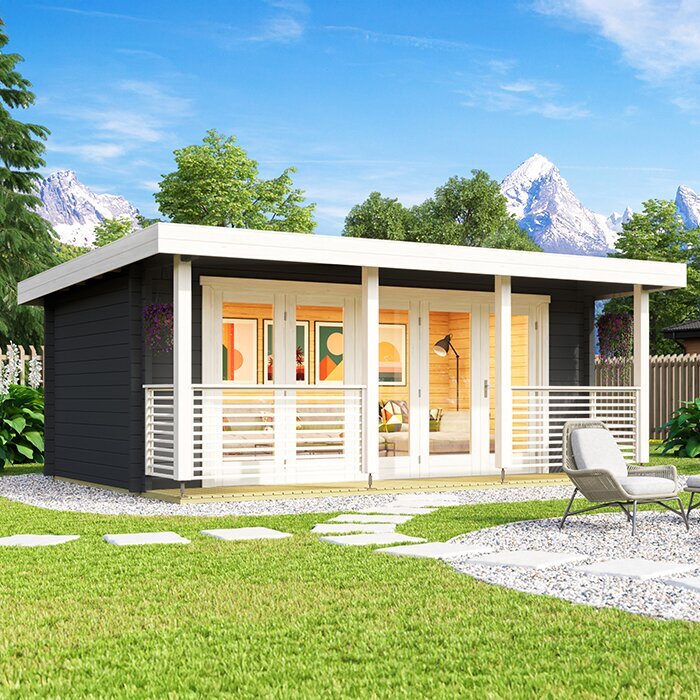
Budget checklist 5
Compare complete quotes on the same basis
Use a simple table for each shortlist option: total confirmed price, external and internal measurements, material and care information, access details, required base, included fittings, delivery and assembly. Mark each entry as confirmed, additional cost or unanswered. This exposes a common comparison trap: one quote may show a bare product while another includes work or accessories. Keep unknowns visible rather than giving a model the benefit of the doubt. If a supplier cannot confirm a requirement that matters to your use, do not treat it as equivalent to an option with written answers. Record where each figure came from, too, so you can trace a quoted total to its inclusions.
Compare the final totals only after the specifications meet your minimum requirements. A discount, if one is offered, should be evaluated against the same configuration and all charges; the lowest headline figure is not automatically the lowest complete cost. Do not let a longer feature list conceal a mismatch in footprint, opening or maintenance expectations. If two options remain close, identify the one or two differences that change day-to-day use and decide whether they justify the extra outlay for you. A clear side-by-side comparison can prevent both overbuying and a second purchase to correct an avoidable omission.
Choose a compromise that still meets your needs
Before you settle, write down the requirements you will not compromise on and the features you can postpone or omit. Essentials might include a defined storage capacity, an opening that accommodates your largest object, documented suitability for the site and a complete plan for delivery and setup. The list is personal: a shed for a few hand tools has different priorities from one expected to hold bulky equipment. Do not cut below a measured minimum just to fit the displayed price, and do not pay to accommodate an imagined future use unless you have decided that growth matters to the budget. If the budget cannot cover all essentials, adjust the size or timing rather than treating an unresolved cost as optional.
Run the final option through a short decision test: Does it fit the measured space? Does it store the inventory with usable access? Are the material and care expectations clear? Are the required site work and delivery included in the total? Are all uncertainties resolved or explicitly allowed for? If any answer is no, revise the shortlist or the plan before ordering. A fixed budget is a boundary, not a reason to ignore a mismatch; the strongest choice is the shed that covers the essentials without spending on extras that do not solve a real problem. Keep a copy of the agreed specification beside your budget notes, so the item you order matches the one you compared.
Frequently asked questions
How do I calculate the full cost of a garden shed?
Add the shed price to delivery, unloading, any base or site-preparation work, assembly and necessary fittings or finishing materials. Ask which charges are included, confirm whether the quote includes GST, and record any work arranged separately. Compare totals for the same configuration rather than assuming the product price covers everything needed at your site.
What should I prioritise if storage is the main use?
Start with an inventory of the largest and most frequently used items. Check their fit, door clearance and the space needed to reach them, then compare those requirements with the stated internal dimensions. Prioritise capacity and access before decorative upgrades, and allow for any setup requirement specified by the manufacturer.
Can I choose a smaller shed to stay within budget?
Only if it still holds the items you have planned for and allows practical access. Compare measured internal space, not a size label alone, and test the layout with a sketch. If reducing the size means regular items must stay outside or be shifted constantly, the saving may not solve your actual storage need.
Is one shed material always the cheapest to maintain?
No. Maintenance depends on the exact construction, finish, site and manufacturer’s care instructions, so do not rely on a broad material label. Compare what is supplied, any stated treatment or finish, and the expected care for each shortlisted model. Include both the initial package and foreseeable upkeep in your decision.
What should I confirm before placing an order?
Confirm the exact model and configuration, dimensions, included accessories, required base or surface, delivery and assembly scope, total charges and any unanswered suitability questions. Make sure the quote covers the requirements on your checklist and keep the order summary. If a detail affects whether the shed fits or works, get an answer before committing.
On a fixed budget, prioritising means protecting function before appearance: the right usable space, an opening that fits what you store, materials and care you understand, and a complete plan for delivery and setup. Compare shortlisted sheds on the same documented basis, then spend only on extras that address a real need. If a basic requirement remains unclear or unpriced, pause and resolve it before ordering. That approach makes a budget work as a decision tool, not just a ceiling on the product price.
