
Buying a Garden Shed Online: A Pre-Order Checklist
Garden shed buying guide
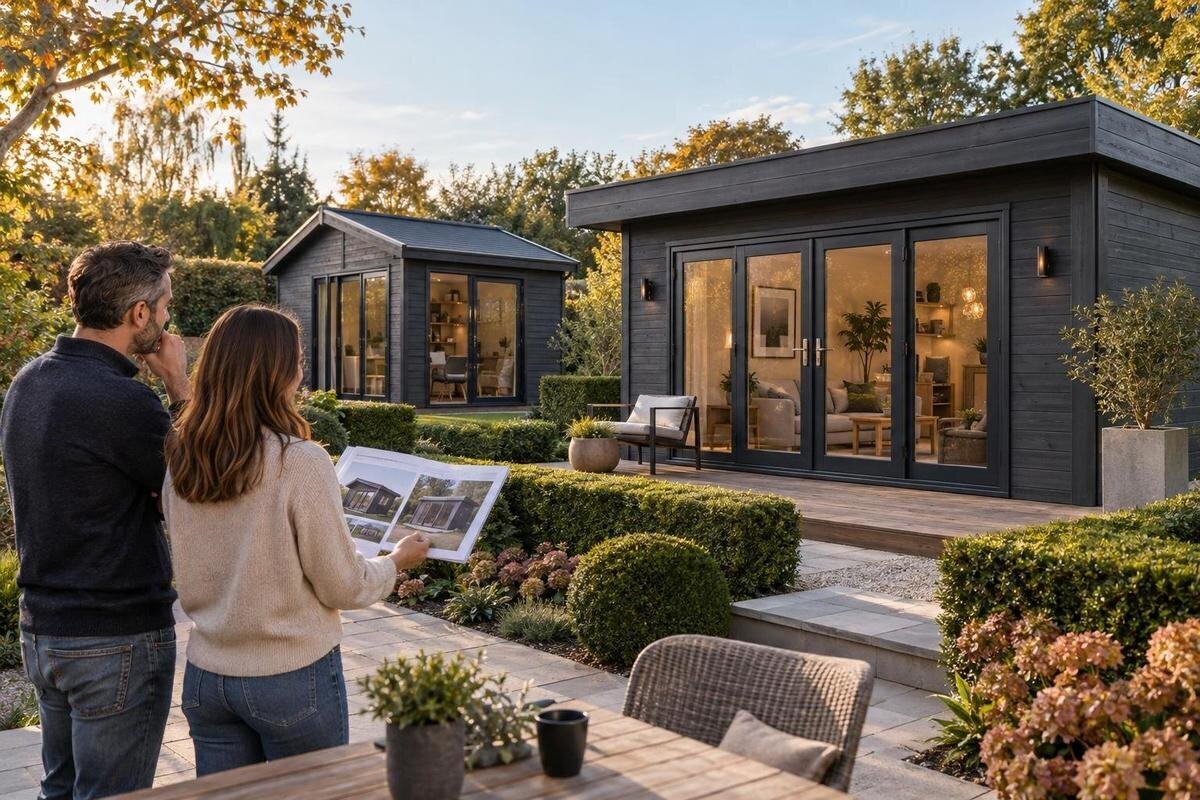
Buying a garden shed online is easier when you treat the product page as the start of your checks, not a substitute for measuring your property. A photograph can show a style, but it cannot tell you whether the assembled footprint fits beside a fence, whether your largest item will pass through the opening or how freight will reach your site. Compare each option using the same practical checks: dimensions, construction, site preparation, delivery, inclusions and order terms. This pre-order checklist is designed to surface missing information before you commit, so the shed you choose matches both the job and the place you have for it.
Define the shed’s job before browsing
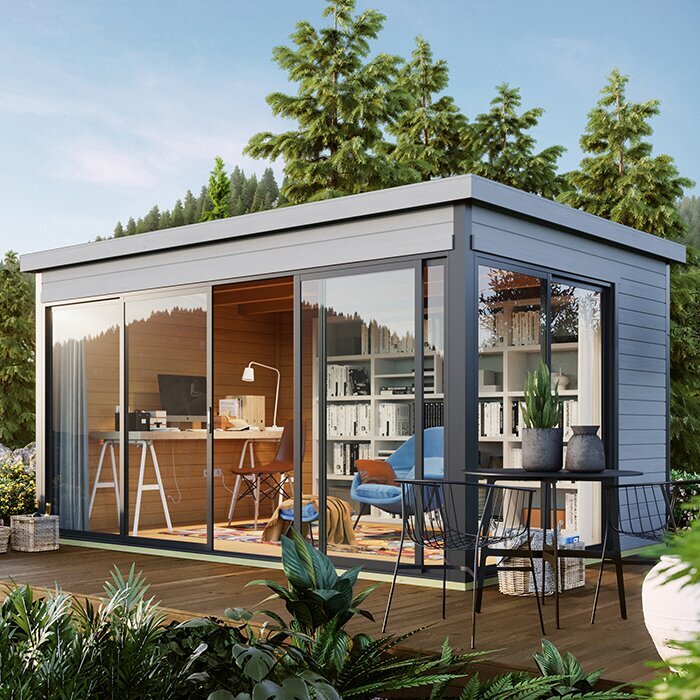
Write down what you need the shed to do before comparing models. List the items that must fit, which you use often, and the largest or longest pieces; decide whether the space is mainly for storage, occasional potting or another specific task. Separate must-haves from preferences, such as room for shelves, space to stand and sort equipment, or easy access to one frequently used item. Note whether contents need to stay dry, remain reachable or be kept apart from other belongings. Consider what you might store over the next few years, without planning for capacity you cannot fit on site. This gives your search a practical basis rather than letting a styled image decide for you.
Turn that brief into measurable requirements: the largest item’s dimensions, the space needed to handle it, your storage layout and any access features. Measure an item as it will actually be stored, including handles or wheels that cannot be removed. Distinguish essential features from nice-to-haves so you can compare candidates consistently. A model name does not establish capacity or purpose. When assessing the M timber garden shed listing, for example, use the published dimensions and any stated use information, and ask for a missing figure instead of estimating from the title. Keep the same list beside every candidate; a large-looking photo should not change your requirements.
Measure the footprint on your property
Measure the proposed spot at ground level and wherever it narrows higher up. Note the length and width, fences, gutters, downpipes, tree branches, paths and anything that needs access. Include room to open the door and carry items around the building, as well as space for maintenance; there is no universal clearance that suits every property or shed. Mark the footprint on the ground with string or removable markers and check it from the gate and house, not only from above. Compare the outline with the shed’s largest outside dimensions, including roof edges or overhangs if the drawing identifies them. Do not plan to use every last centimetre.
Product pages may give nominal dimensions without explaining whether they refer to the wall line, roof edge, base or interior. Identify what each measurement means on the drawing or in the specification. The base footprint can differ from the roof outline, and internal dimensions will usually be smaller than external ones. For the Verdana 1 garden house page, check the definition behind every listed measurement and ask for a dimensioned plan if it is not explicit. Record the maximum assembled height too, particularly if there are overhanging branches, nearby eaves or a height limit to consider.
Check usable space and access
An advertised footprint is not the same as usable storage. Check internal floor dimensions, wall height and the highest and lowest points under the roof, then allow for framing, thresholds, shelving or other fixed parts that may reduce clear space. Consider how you will arrange belongings: long tools may need a clear wall, while bulky equipment needs turning space as well as somewhere to stand. Write down the size of the largest item and any shelf or work surface you want to add. If you plan to add storage later, confirm where it can go without obstructing doors or access. This avoids choosing on floor area alone.
Measure the clear doorway opening, not just the door panel or overall shed width. Confirm the opening’s width and height, its position, the space needed to open the door and any threshold that could affect wheeled equipment. For the Verdana 2 garden house page, look for a dimensioned floor plan or an opening diagram; do not infer these details from a model name or rendered image. Trace the route from gate to shed, checking narrow corners, steps and obstructions such as taps or garden beds. A generous interior is less useful if the equipment you intend to store cannot get through the opening.
Read the material and finish details
Compare what the materials specification actually says, not just a broad descriptor or the colour shown online. For timber, look for the stated timber type, component thickness where relevant, treatment or coating, and whether the kit arrives finished or needs preparation. Check whether the floor, frame, roof and cladding have separate specifications; one material label may not describe every part. If a listing uses a different material, look for equivalent construction, surface-finish and care details. Thickness alone does not tell you how every joint or component is made, so consider the specification as a whole. If a detail matters to your decision and is not stated, request it in writing.
Match the care requirements to how you will use and place the shed. Check which surfaces need treatment after assembly, what products are compatible, how often the maker recommends maintenance and what to do if a finish is scratched or worn. Consider exposure at the exact site, such as direct sun or regular splash from a downpipe, but do not assume a material name guarantees performance in those conditions. Review the written care directions alongside any relevant product limits. When looking at the Veltor 1 product page, compare its stated construction details with your maintenance expectations; if treatment or finish information is absent, ask for it before choosing.
Confirm the base and site are ready
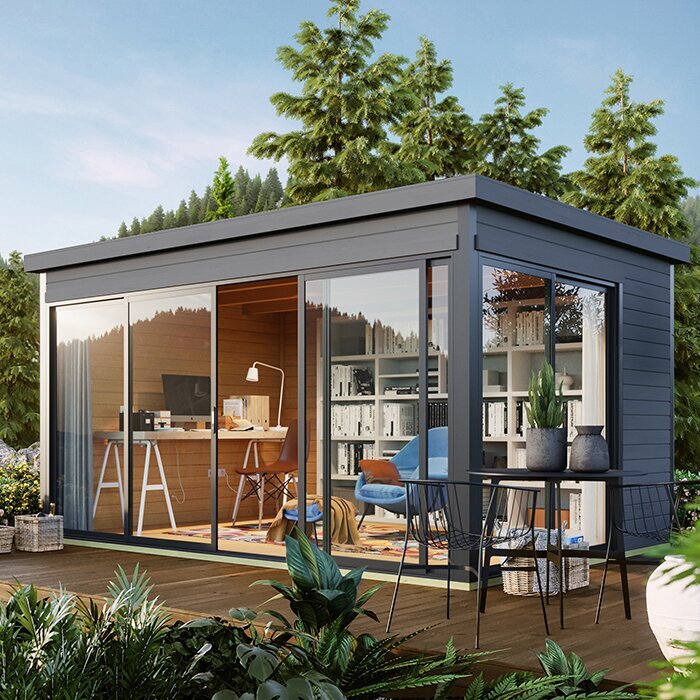
Before ordering, decide what the shed is expected to sit on and compare that with the supplier’s base and installation instructions. Check whether the base dimensions match the footprint, whether the support surface needs to be level, what tolerances are specified and how the structure is secured. Do not assume a base is included or that a familiar slab or paving arrangement will suit; package inclusions and support requirements are separate questions. The right base depends on the product instructions and the ground at your property. If support, slope or soil conditions are uncertain, ask a qualified installer or building professional to assess them rather than relying on a generic diagram or a one-size-fits-all rule.
Inspect the proposed spot after rain, note how water drains and look for low points, nearby roots or downpipe discharge. Check for buried services and keep access to fences, meters, drains and other items that need maintenance. Confirm there is enough room to assemble the shed and follow any anchoring instructions, without improvising changes to them. If the installation guidance is not on the listing, ask for the exact document for your chosen model. For the Orello 1 product page, treat the listing as a starting point for finding that information, not as proof that your existing ground is ready.
Check delivery to your address
Online checkout may accept an address even if delivery access is difficult, so check the service details for your actual postcode before paying. Find out whether freight is included, where the carrier will leave the goods, and whether delivery is kerbside, to the driveway or to another stated point. Describe narrow streets, steep or unsealed driveways, gates, low branches, overhead obstructions and stairs; ask what vehicle access and unloading equipment or help you must arrange. Do not assume a truck can reach the shed location just because a car can reach the house. If delivery is to the property boundary, plan how the goods will get from there to the site.
Ask for the expected package count and, if available, each package’s dimensions and weight; confirm whether anyone must be present and how a delivery time is arranged. Check the process if access prevents unloading, a parcel is short or damaged, and how promptly and through which channel to report an issue. Have a clear, dry place ready if the goods are left at an agreed location, and consider how they will get from there to the installation area. When reviewing the Timber Tool Shed S listing, confirm transport conditions in the checkout information or with the seller rather than inferring them from the model label.
Find out exactly what is included
Look for a clear inclusions list and separate optional extras from the standard package. Depending on the specification, items to confirm may include floor components, roof covering, fixings, door or window hardware, glazing, locks, treatment or finish, and accessories shown in images. Ask whether anything visible in a product image is included or merely illustrative; photos alone do not settle that. Establish whether the price covers the kit only or also a base, freight, unloading, assembly or site preparation. If the listing says an item is included without describing it, ask exactly which component is supplied. For the Durano garden house listing, use the page to locate those details, not as evidence of any particular extra.
Compare like with like by building a total from confirmed costs. Add the product price to any stated freight, base, site work, optional components, finishing materials or professional assembly you plan to use. Ask whether extra charges depend on postcode, selected variant, access limits or delivery options, and include them only when confirmed. Leave unclear items marked as questions rather than inventing a figure. If you compare several listings, record the total beside what it buys; a lower headline amount cannot be compared fairly if components or services differ. Check the final amount in the checkout before submitting payment.
Review the listing and order terms
Make sure the page you assess matches the exact model and configuration you intend to order. A range may include variants, so record the full model name, selected options, dimensions and component choices, then check that the same details carry through to the cart. Save the relevant specification and dimensioned drawing with a date, especially if you have compared more than one version. On the Modano 1 product listing, as with any page, use only details stated for the chosen option and confirm selectable choices directly; a name, thumbnail or URL slug cannot establish what the configuration includes. If the page changes, compare your saved details against the current order summary.
Read the store’s order terms before payment: the final amount, payment method, delivery estimate or lead-time wording, cancellation or amendment process, returns, damage reporting and any warranty conditions that apply. Check that checkout shows the correct postcode, model and options, then save the order confirmation. If availability or timing matters, rely on the information given for that specific order and ask for clarification if it is missing; do not assume an estimate is a guaranteed date. Find out what process applies if a shipment is late, incomplete or damaged. Those details are easier to clarify before payment than when the shed is needed.
Check local requirements and site exposure
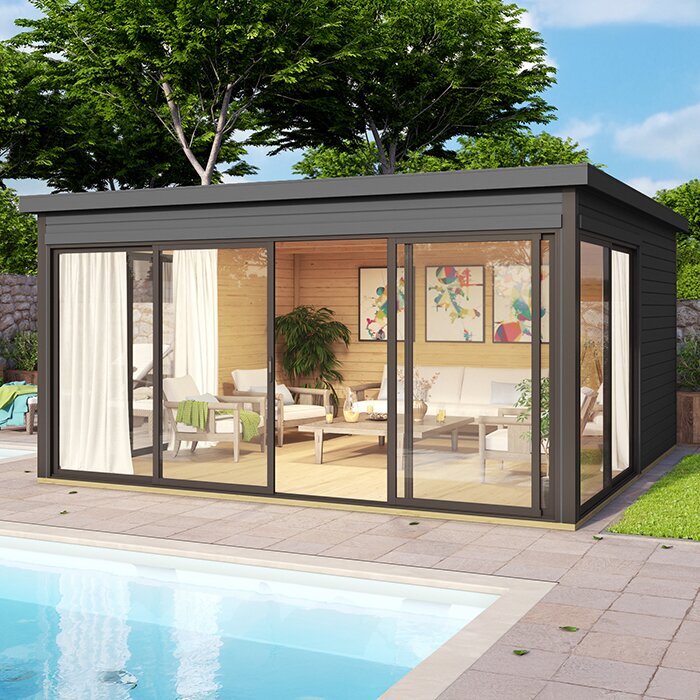
Check whether any local planning or building requirements apply to your proposed shed and location before placing the order. Contact the relevant council or a qualified building professional for guidance; requirements can depend on the property and proposal, so avoid relying on a generic size rule found online. If the property is rented, in a strata scheme or subject to body-corporate rules, check with the owner or relevant manager before committing. Also look for easements, service corridors or other property constraints through the appropriate records or service provider. The point is not to assume an approval is required or that the shed is exempt, but to establish what applies to your site.
Record conditions at the exact location: direct sun, wind exposure, runoff, frequent wetting, coastal air or other site factors that may affect product choice and upkeep. Check the maker’s written limits, maintenance directions and any relevant exposure information rather than assuming that a material, wall thickness or photograph proves suitability. If wind, fire exposure, drainage or another high-consequence issue is relevant, ask the manufacturer and a qualified local professional for project-specific guidance. This matters when the listing does not describe limits; a category name is not a site assessment.
Record the final details before paying
Before checkout, put the decision on one page. Record the exact model and variant, external footprint and height, internal usable dimensions, door opening, material and finish information, base requirements, package inclusions, delivery arrangements and confirmed total. Beside each item, note where it came from: product specification, drawing, checkout or written response. Add a simple sketch of the measured space, with fences, the access path and fixed obstructions marked. This comparison sheet is useful when several tabs look similar and helps reveal a missing measurement or a detail that has changed between the listing and cart.
Use that sheet for a last check against the order summary: model and options, quantity, delivery postcode and instructions, costs and any agreed answers. Make sure the installation information corresponds to the exact model, and save it with the seller’s replies and confirmation. If a dimension, foundation requirement, included component or delivery condition remains unresolved, pause rather than fill the gap with an assumption. This is the practical difference between ordering a listing that looks right and ordering a shed you can place, access and use as intended.
Frequently asked questions
What measurements matter most when buying a garden shed online?
Compare the assembled outside footprint and height with your site, then check internal floor space, clear wall height, doorway opening, base footprint and any roof overhang shown on a dimensioned drawing. Measure your largest item and the route it must take into the shed. Ask the seller to define any unclear dimensions; advertised floor area alone is not enough.
How do I know if my site is ready for a garden shed?
Check the supplier’s base and installation instructions against the ground, drainage and access at your property. If support, slope or water flow is uncertain, ask a qualified installer or building professional to assess the site. Also confirm that the proposed location works with any local requirements or property rules that apply.
What should I confirm about garden shed delivery?
Check delivery availability and charges for your postcode, where the carrier will leave the goods, vehicle access, unloading arrangements and whether someone must be present. Ask about package dimensions if access is tight, and find out how to report missing or damaged items.
What should a garden shed listing say about materials?
Look for details about the construction, material, treatment or finish, and care required. For timber, check which components are described and whether any initial preparation is needed. If a detail matters but is missing, ask the seller for the specification rather than relying on the product name or image.
Can product photos confirm what is included?
No. Use the inclusions list and order terms to confirm what arrives, including any components or accessories shown in images. Ask whether the base, freight, finish or assembly is included, and check the final order summary before paying.
An online order is ready when the shed’s documented measurements fit the marked site, its construction and care suit your expectations, and the base, delivery, inclusions and terms are clear. Comparing those details in the same format makes product pages easier to judge and keeps important decisions out of the guessing stage. If an essential answer is missing, wait until you have it in writing; if everything matches, you can choose on practical fit rather than appearance alone.
