
Buying a garden shed to replace an old one: what needs to change?
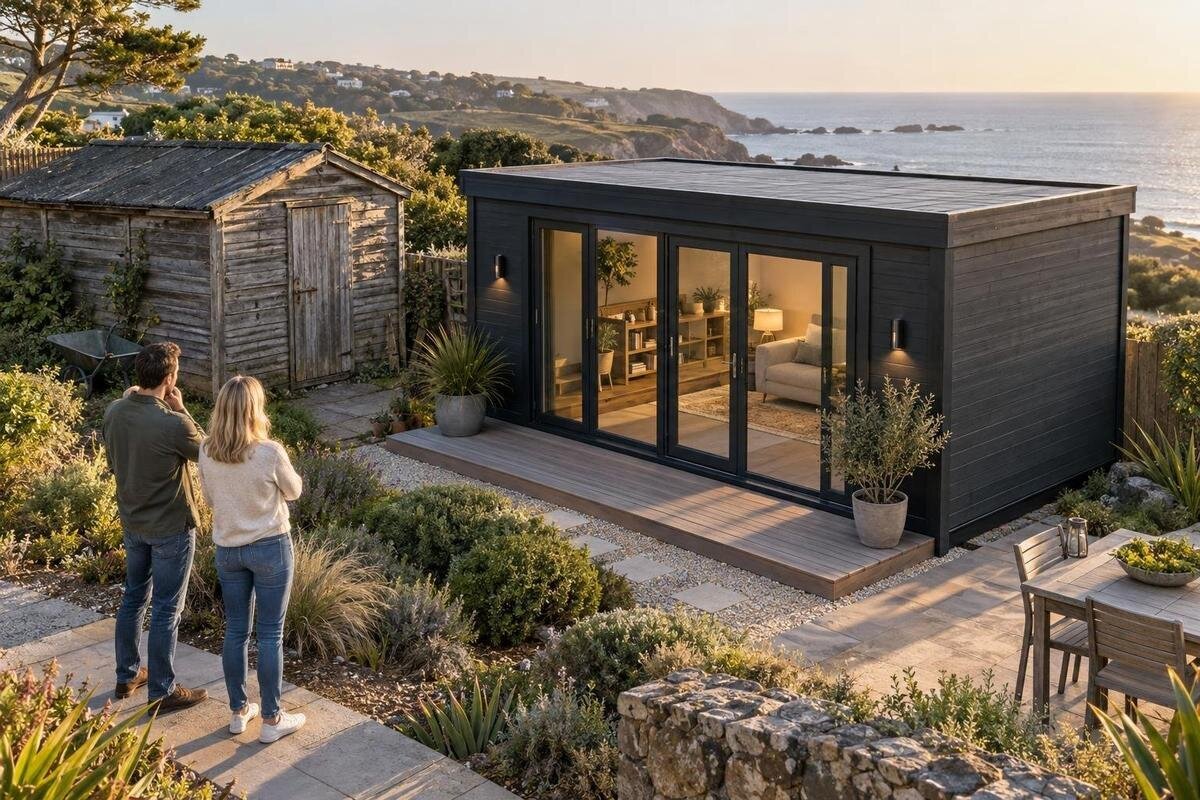
Garden shed replacement guide
Replacing an old garden shed can seem like a like-for-like job: measure the outside, order a close match and put it where the old one stood. That approach can preserve the very problems that made the shed frustrating—an opening too narrow for equipment, storage that no longer fits your routine, or a site that has become awkward to reach. A better purchase starts with a short audit of the old shed and the space around it. Decide what is worth keeping, what must work differently and what information you need from each product listing before committing. Then you can compare a replacement with how you use the garden now, not just with yesterday’s footprint.
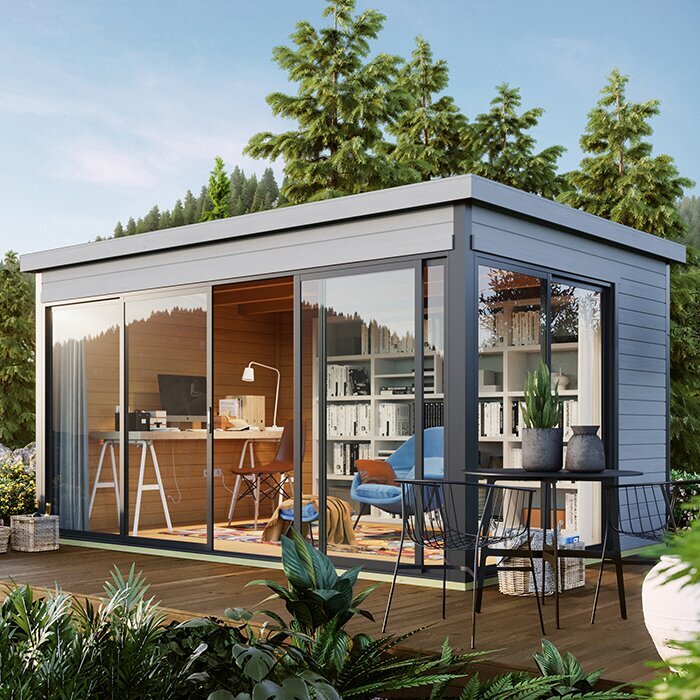
Work out why the old shed no longer works
Before choosing a replacement, record what has actually failed. Note recurring issues such as water getting in, panels deteriorating, doors sticking, limited space or awkward access, but describe what you observed rather than guessing at the cause. A gap around an opening, for example, may relate to wear, movement, maintenance or the way the shed sits. If the old shed is still standing, take notes and photos before dismantling it, including where problems appear after rain or during regular use. Those details give you specific questions to resolve instead of a vague brief for something better.
Separate the shed’s condition from its suitability. A worn structure may need replacing even if its size and position worked well; a serviceable one may still be the wrong shape for what you now keep. Mark each issue as something to retain, improve or remove. Keep a useful feature, such as convenient access from the garden, because it genuinely saves time—not just because it has always been there. Turn each change into an outcome, such as easier access for equipment or a more practical storage layout. Then check a prospective shed’s actual details against that outcome; a new building cannot be assumed to fix an unrelated site problem.
Decide what the replacement must store
Empty the old shed and make an inventory before browsing replacement listings. Group items by use: hand tools, long-handled tools, garden equipment, pots, seasonal supplies and anything else you expect to keep. Note what can be removed or stored elsewhere; a replacement is a chance to stop allocating space to items you no longer use. Measure the largest awkward object, not just its boxes, and note whether it needs to stand upright or be rolled inside. Include items used only once or twice a year. They still need a place, but should not block access to things you reach for every week.
Record how often each group is used and how you reach it. Equipment brought out regularly should not be trapped behind seasonal items; small objects may need shelves or containers, while longer tools need a clear place to stand. Decide whether the shed is for storage alone or also needs a modest work area, and account for the floor space that would take. When you review a candidate such as the Verdana 1 garden house listing, treat the name as an identifier. Compare the details stated on its page with your inventory and ask about anything you cannot confirm. Do not assume the old contents will fit simply because the replacement sounds familiar.
Measure the usable space, not just the old footprint
Measure the old shed’s outside dimensions and the available area around it, but do not treat either measurement as a complete plan. Product listings may describe dimensions in different ways, so check what each figure refers to and whether it is an external measurement. Internal room is affected by the construction and by anything you add inside. The doorway also matters: a large floor area is of little help if the equipment you want to store cannot pass through the opening. Keep a record of the units used and ask for clarification whenever a measurement needed for your decision is missing.
Sketch the proposed footprint and mark the space needed to approach the door, move items in and out, and carry out routine tasks. Consider whether a hinged door would need room to open, if that is the door type shown in the listing. Compare the available space with the shed’s stated measurements, not with a photo or a model name. For example, put the Verdana 2 garden house listing on your comparison sheet only after checking the current details provided for it. If you cannot find a measurement that affects fit, ask the seller rather than estimating from an image.
Reassess the position and base
The old position is a useful reference, but it is not automatically the right one for a replacement. Look at the route from the house or garden, nearby gates and paths, the space around the shed, and any changes to fences, trees or landscaping. Notice where water collects or runs after rain and whether shade or exposure affects the way you use the area. If possible, inspect the spot after the old structure has been cleared; its footprint can hide uneven ground or changes that are not obvious while it is in place.
Check the condition and dimensions of the existing base, then compare them with the requirements for any replacement you are considering. The fact that a shed stood there before does not establish that the base is in good condition or suitable for a different product. Ask the seller or installer what the chosen shed requires, and get qualified advice if the base or site needs assessment. Depending on the location and proposed work, local requirements may also be relevant, so check with your council or a qualified building professional. The Durano Spacious Garden House listing is a candidate to assess against site information, not evidence that its footprint or base requirements will suit your yard.
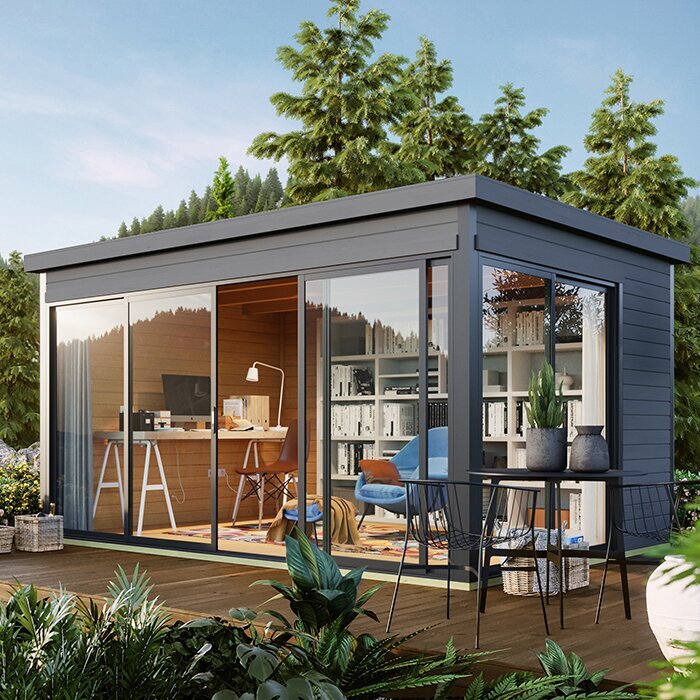
Match construction and care to the problem you found
Look for a link between the old shed’s recurring problems and the information you need from the next product. If parts deteriorated, identify where and what was happening around them. If the shed was difficult to maintain, decide how much upkeep you are prepared to take on. Consider the conditions at the proposed site—such as exposure to sun, wind and rain—and ask how the product should be cared for. A failure may come from the location or maintenance rather than from the building alone, so replacing it with a similar-looking shed does not guarantee a different result.
Read the construction and care details that the product information actually provides. Check for any stated requirements or limitations relevant to your site, and request clarification if an important point is not covered. Do not infer a material, treatment or level of weather protection from a photograph or a short model name. When considering the Veltor 1 garden house listing, for example, use its published information as the basis for comparison and ask the seller about details you cannot verify. This is more useful than choosing by appearance and discovering later that you had not checked a concern that mattered to you.
Check the door opening and the route into the shed
An old shed can have enough floor space yet still be frustrating because large items are hard to get through the entrance. Measure the widest and tallest parts of equipment that cannot be folded or dismantled, and note how it has to be carried or wheeled. Check whether there is room to turn outside the door and whether the path includes a gate, steps or a narrow section. Think about the way you normally move items, not just whether they can be made to fit once with effort.
Compare those measurements with the opening details stated for each replacement, and check how the door operates if the product information explains it. Do not assume that two sheds with similar outside dimensions have the same access. Also consider the route needed for delivery and assembly, which may differ from the everyday path into the finished shed. If you review the Orello 1 listing, check for relevant opening and access information on the product page; do not judge it from its name or an image. Ask the seller for missing details before deciding.
Plan the internal layout around current routines
Decide where the main groups of items will go before you buy. Keep frequently used tools within easy reach, leave a clear area for equipment that needs to be wheeled inside, and avoid planning shelves that would block a doorway or another storage zone. If you want a bench or a place to sort pots, draw that into the layout rather than assuming it will fit after the shed is full. The aim is not to fill every corner; it is to make everyday storage straightforward and leave enough room to get items back out.
Check what the product information says about internal fittings, openings and the space available for your intended arrangement. Do not assume that shelves, hooks or other accessories are included, or that a wall can take a fitting you have in mind. Ask the seller if your layout depends on a particular attachment or accessory. A listing such as the Modano 1 garden house listing should be compared using details stated for that product, not an assumption based on its title or appearance. If your needs might change, identify the specific flexibility you need and confirm that it is supported before treating it as a buying advantage.
Check storage and security requirements
Consider what you plan to keep in the shed and what protection matters for those items. If theft is a concern, check whether the product information specifies a lock or other security feature, whether it is included, and what claims the seller makes about it. Do not treat the word shed, or a product photograph, as proof of a particular locking arrangement. Think about visibility from the house and access to the shed as part of the layout, too. If an item has its own storage instructions, use those rather than assuming the shed provides the conditions it needs.
If damp, ventilation or ease of cleaning caused trouble in the old shed, make those separate questions for the replacement. Look for the seller’s stated information about relevant features and care, and ask for clarification where it is not given. Do not assume that a product is weatherproof or suitable for a particular type of storage based on its name. The M Timber Garden Shed listing is another product identity to compare against your written requirements; its title alone cannot confirm what is included, how it locks or which items it will suit.
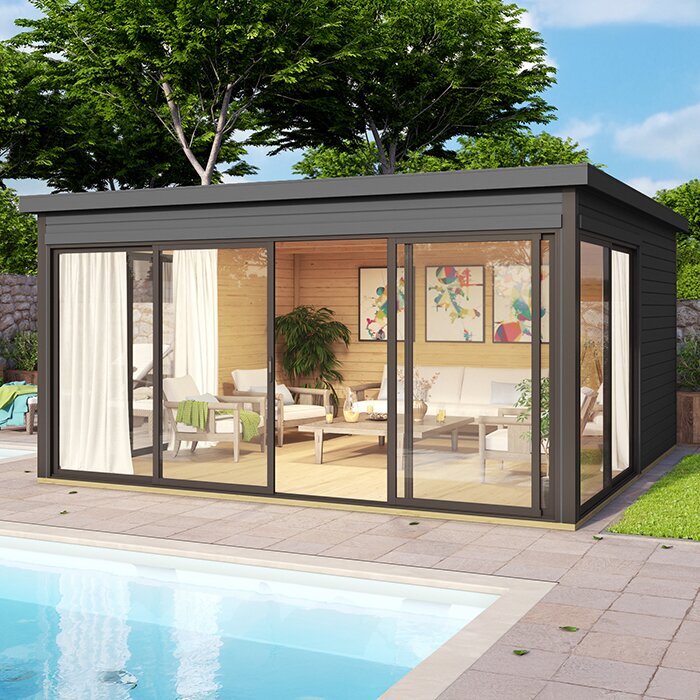
Plan removal, delivery and assembly together
A replacement involves more than choosing the new shed. Decide how the old one will be emptied and removed, where its contents will go temporarily, and when the site will be ready. Check access for the delivery vehicle and for moving components from the drop-off point to the proposed location. Confirm the seller’s delivery terms, including what the service covers and any access information they need. If the old structure is unstable or you suspect it contains hazardous materials, seek qualified advice before dismantling it rather than assuming removal is a routine task.
Before ordering, read the assembly information and confirm what is included, what preparation is expected, and whether any assembly service is available under the seller’s terms. Check whether the order sequence leaves enough room to clear the old shed and prepare the site without blocking access. A name such as the Timber Tool Shed S listing does not tell you what delivery or assembly arrangements apply, so check the current product and seller information directly. Resolve uncertainties about access, components or preparation before payment; they can affect whether the replacement can be brought to the site and put together as planned.
Compare replacement options against the same checklist
Make a side-by-side comparison using the needs you identified, rather than comparing products by appearance alone. Record stated external and internal measurements where available, opening details, construction and care information, base requirements, and any relevant included items. Mark each point as confirmed, unsuitable or still unknown. This makes it easier to see whether a candidate fixes a genuine problem with the old shed or simply offers a different look. Give priority to the requirements that affect fit and everyday use, while keeping preferences separate from conditions that would rule a product out.
Before ordering, revisit every unknown that could change your decision. Check the current product details and the seller’s terms for delivery, assembly, warranty and what is included; ask for important answers in writing. Keep your measurements and site notes with the order information so you can refer back to the same requirements. If no candidate clearly fits, pause and check whether you missed a measurement, misunderstood the site constraint or set an unrealistic layout. A little more checking at this stage is better than reproducing an old inconvenience in a new shed.
Frequently asked questions
Should the replacement shed be the same size as the old one?
Not automatically. The old footprint is useful for understanding how the shed sat on the site, but it does not tell you whether the current contents fit or whether the doors and access work. Measure what you plan to keep, then compare those needs with the product’s stated dimensions and the space available.
Can I reuse the base from my old shed?
Do not assume it is in suitable condition or compatible with the replacement. Check its surface and dimensions, then compare them with the requirements for the product you are considering. Ask the seller or installer if those requirements are unclear; get qualified advice about the base if its suitability is uncertain.
How do I check whether my equipment will fit through the shed door?
Measure the widest and tallest parts of the equipment, including anything that cannot be folded or detached. Compare these with the opening measurements stated for the product, if available, and allow room to approach and turn outside the door. Ask for missing measurements rather than relying on a product photo.
What if the old shed failed because of its location?
Record the issue and look at the site as well as the shed. Water, access, nearby plants or a changed garden layout may affect whether the same position still makes sense. A replacement will not necessarily fix a site problem. Check the proposed location and ask a qualified professional about any condition you cannot assess confidently.
What should I confirm before placing an order?
Confirm the product’s current stated dimensions, opening details, construction and care information, and any base requirements. Check delivery access, what is included, and the seller’s terms for delivery and assembly. Resolve important unknowns in writing before ordering, rather than assuming the new shed matches the old one.
A successful replacement does not have to be larger or radically different. It needs to address the problems you have identified while fitting the items you still store, the available site and the way you reach the shed. Use the old structure as a record of what worked and what did not, then rely on measured space and confirmed product information to shape the new choice. When removal, delivery and preparation are considered alongside the shed itself, the replacement is less likely to repeat an old compromise.
