
Buying a Garden Shed With Folding Glass Doors
Garden shed buying guide
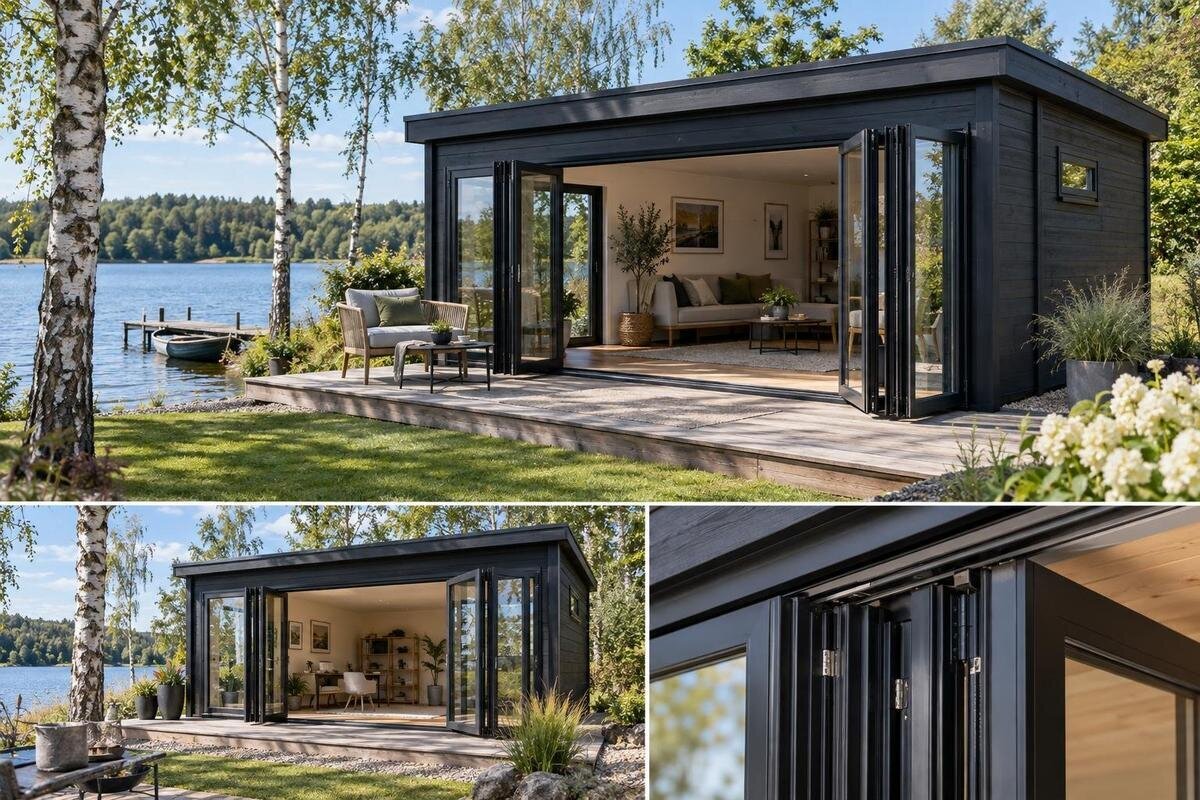
Buying a garden shed with folding glass doors is about more than choosing a glazed frontage. The building has to suit a real use, fit the available ground and open without clashing with paths, fences, furniture or everyday movement. Folding panels can gather to create a wider opening, but the clear width and space they need depend on the exact design. Before comparing appearances, note what needs to fit inside, what you want to see through the glazing and how you will approach the doorway. Then check the dimensions, written specifications, inclusions and delivery terms for the version you plan to order. A model name or product photo cannot fill gaps in those details.
Match the shed to its main use
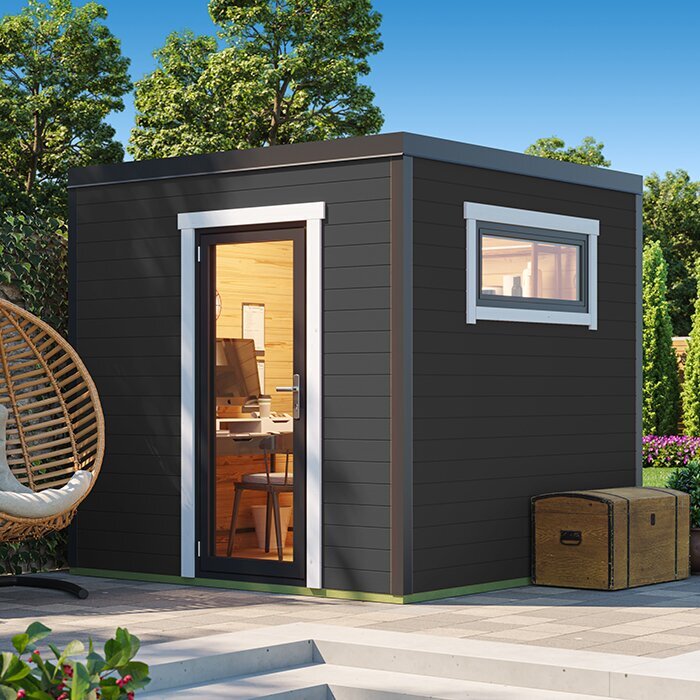
Decide what the garden shed needs to do before judging its frontage. A place for garden tools and seasonal gear has different priorities from a room for a hobby, a place to sit or a workspace. Write down the items, furniture and activities it needs to accommodate, and how often you will use the entrance. If the building has more than one role, rank them so you can tell which requirements are essential. A folding glass door is an opening style; by itself, it does not establish that a particular building suits any of those uses.
Turn your list into a simple plan of the things that need to fit and the route you will take between them. Include bulky items that must pass through the doorway, not only what will be stored once inside. Keep a product page such as the Verdana 1 garden house beside your notes as a catalogue reference, then check what its exact listing states about layout and dimensions. A model name or attractive image is not a floor plan. If a detail that matters to your intended use is not stated, leave it unconfirmed until you have an answer.
Measure the footprint and usable floor area
Measure the space available in the garden before narrowing your options. Mark the proposed corners and note anything that could affect access or everyday use, such as fences, trees, garden furniture, paths and nearby doors or windows. Check whether the product dimensions refer to the building itself or include projections, and use the exact drawing where one is supplied. Leave room to reach the building and move around it for ordinary garden tasks. A footprint that fits between two boundaries on paper may still be awkward if it blocks a path or leaves no practical way to approach the entrance.
Separate external dimensions from usable internal floor area: walls and the arrangement of the entrance affect how much room is available inside. Check the stated clear opening as well as the overall width, because the front measurement does not tell you what can pass through the doorway. A page for the Verdana 2 garden house should be assessed using its own published dimensions, if provided, rather than an estimate from a photograph or another model. Sketch the measurements on paper and place the items you intend to store or use there. If the listing leaves an important measurement unclear, ask before ordering.
Check how the folding doors open
The phrase folding glass doors does not describe every detail of the opening. Folding sets commonly use hinged leaves that gather at one or both sides, but the number of panels, folding direction and amount of front left clear can vary. Check the opening width with the panels folded, where the stack sits and whether the doors can be opened partly as well as fully. These details matter if you will carry equipment through the entrance or want to position furniture close to it. Do not treat the full width of a glazed front as the width of the usable doorway.
Plan the door operation from both inside and outside. Allow for the space the leaves need when open, and consider whether nearby planting, a path, outdoor furniture or a wall would interfere with them. Check how the threshold and handles are shown, and whether the door can be reached without moving items every time you use it. A catalogue page such as the Durano spacious garden house still needs an explicit door layout and opening details to answer these questions; its title alone does not confirm a folding-door arrangement. Use the exact product information, not assumptions carried over from another listing.
Balance glazing, outlook and privacy
Think about what you want to see through the glazing and what people outside may be able to see in. Walk around the proposed site and consider views from the house, outdoor seating areas and neighbouring outlooks. The position of the building can make stored belongings or activity inside more visible, so decide whether privacy is a priority before settling on a glazed frontage. Also consider where the sun falls during the day and whether bright light or reflections could affect the way you use the room. These are site and use questions; the product name does not answer them.
Check what the exact listing says about the glazing, including its type and the areas that are glazed. Do not infer glass composition, finish or safety classification from an image; if you need a particular specification, ask the supplier or a qualified professional. An entry such as the Veltor 1 listing is a page to assess on its own stated details, not a reason to assume that it has a particular glazed layout. If you are considering a privacy screen or other addition, confirm that it is compatible with the chosen building rather than assuming it can be added without affecting access or appearance.
Plan the interior around the doorway
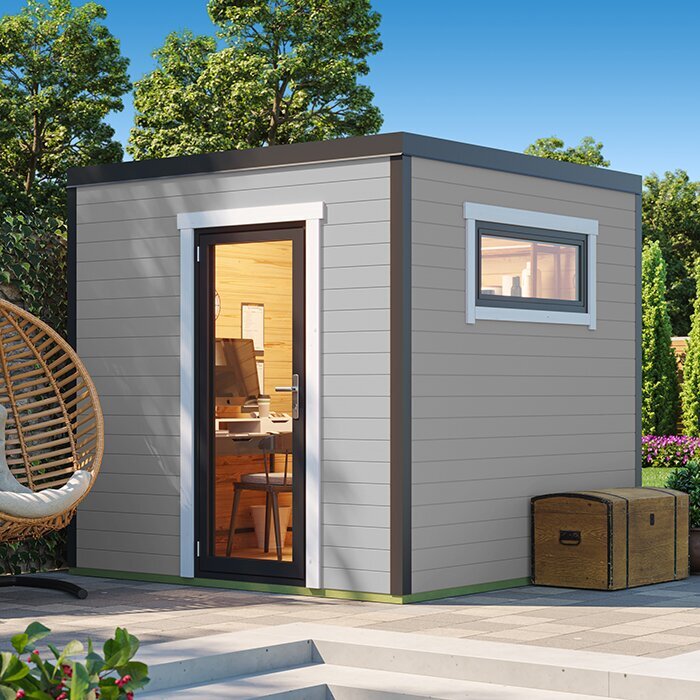
Once you know the likely opening, decide where the main items will sit in the room. A table, chairs, work surface or storage units can make a compact interior feel crowded if they narrow the route from the door. Mark their dimensions on your sketch and leave space to reach the things you use most often. If you plan to store long-handled tools, bicycles or other bulky objects, check that the route from the entrance to their intended position is workable. For a room used by more than one person, consider where each person will move rather than planning around a single standing position.
Look at the wall space as well as the floor. If glazing occupies an area where you expected to place shelving or a work surface, revise the plan before buying; the exact wall and opening layout must be confirmed for the model. For the Orello 1 listing, use the dimensions and drawings stated for the version you are considering, if available, rather than arranging furniture from a perspective image. Note which parts of the layout are essential and which can change. That makes it easier to compare a building’s stated interior with your actual routine, instead of choosing on appearance alone.
Read the product specification, not just the pictures
Read the written specification for the exact model and any selected version. Check what is stated about the walls, roof, floor, glazing and door hardware, and whether any finish or surface treatment is included. If a specification gives a material or a thickness, treat it as a description of that detail, not as proof of overall performance. Do not infer insulation, weather performance or year-round comfort from a product name, a photograph or one isolated figure. If a particular construction detail affects your decision, look for a direct statement about it or ask for clarification before comparing models.
Check the package contents just as carefully: find out whether the doors and glazing are included in the version shown, and whether items such as a floor, fasteners or other options are listed separately. Look for care information and assembly instructions if they are available, and keep a record of the version and options you have chosen. For the Modano 1 listing, as with any product page, rely on its explicit details rather than interpreting the model wording as a specification. If two listings use different terms, ask what each one means before treating them as equivalent.
Check delivery access and assembly
A garden shed must be able to reach its intended site, not just fit there once assembled. Measure gates, paths and tight turns along the route from the delivery point, and note any obstructions that could affect moving components or packages. Check the current delivery terms for the exact product and clarify where the goods will be left, what unloading arrangements apply and whether you need to organise help. Do not assume that delivery to a property means the building will be carried to the garden or placed on its prepared site. Ask about package dimensions or handling requirements if these could affect access.
Clarify who is responsible for assembly and what the process involves before you commit. Check whether assembly is included, arranged separately or left to you, and read any instructions provided to understand what preparation or assistance may be needed. If the access route is difficult or the project requires professional help, allow time to arrange it rather than making plans around an unconfirmed service. A page such as the M timber garden shed is tied to its own model; do not carry delivery or assembly terms from one listing over to another. Confirm the arrangements again for the exact item at the point of purchase.
Confirm the site and approval requirements
Check what the manufacturer’s information says about the surface and preparation required for the selected building. Consider the proposed position in relation to drainage, uneven ground, nearby structures and access to the rest of the garden, but do not guess at a foundation or anchoring solution from a photograph. If the instructions do not answer questions about the ground or base, ask a qualified local builder or other suitable professional to assess what is needed. This is especially important if the site has conditions you are unsure about. Do not use generic measurements or advice in place of guidance for the actual product and site.
Before ordering, ask your local council or a qualified building professional whether your location or property has requirements that affect the proposed building. Relevant questions may include whether approval is needed and whether the position, size or relationship to boundaries matters for your particular site. Requirements can depend on the design and circumstances, so do not assume that a small garden shed is automatically exempt or that guidance for another property applies to yours. Resolve any uncertainty before paying or preparing the site; changing the plan after delivery can create unnecessary cost and disruption.
Compare the complete purchase cost
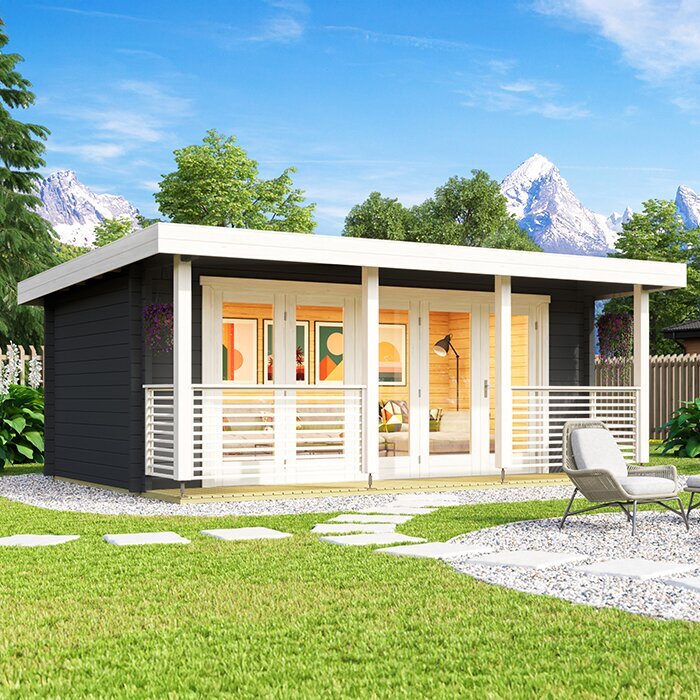
Compare the total cost of the specific configuration you intend to order, not just a headline figure. Check which building components, doors and glazing are included, and whether flooring, delivery, assembly or other options are charged separately. Review the current checkout information for any applicable fees and note the terms that affect payment and delivery. A lower starting figure is not a meaningful comparison if the required components or services are excluded. Keep the selected model and options beside the amount you are comparing so you do not confuse the price of one version with the contents of another.
Compare like with like: the same intended use, door arrangement, included components and services. Timber Tool Shed S is a different model identity, not a price proxy for a garden shed with folding glass doors; confirm the product category and package before making a comparison. Read the current terms for changes, cancellations, returns and any warranty information rather than assuming that one listing’s conditions apply to another. If a cost or inclusion is unclear, ask for written clarification and keep it with your order notes. No discount or extra is part of the decision unless it is explicitly shown in the current offer.
Make the final comparison before ordering
Put the remaining options into a simple comparison sheet with three columns: essential requirements, preferences and unanswered questions. Record the external footprint, usable interior, clear opening, panel position, glazing details and any site or delivery points that matter to you. Mark each detail as confirmed only when it is stated for the exact version, not when it looks likely from an image. This makes trade-offs visible: a preferred appearance cannot compensate for a doorway that does not work for your planned use, while a small difference in a non-essential feature may not matter.
Before checking out, make sure the model name and selected version match the details you reviewed. Confirm the chosen options, delivery address, access arrangements and any assembly plans, then read the applicable purchase terms. Save the product information and written answers that informed your decision so you can refer to the same specification later. If a must-have remains unanswered, pause and resolve it rather than relying on a guess. The best fit is the garden shed whose stated layout, folding-door operation, glazing and ordering arrangements line up with the way you will actually use the space.
Frequently asked questions
How much clearance do folding glass doors need?
There is no single clearance figure for every design. It depends on the panel arrangement, where the leaves fold and how far they project when open. Check the drawing and stated clear opening for the exact version, then allow for that space in your site plan.
Can I use a garden shed with folding glass doors as a workspace?
Possibly, but the door style alone does not establish whether a building suits regular work. Check the interior dimensions and any stated information about ventilation, glazing and construction. If you need electrical services or other changes, discuss the requirements with a qualified professional.
How should I compare folding doors with sliding doors?
Compare the specific opening each design provides, how it operates and how much space its panels use. A label or product photo is not enough to judge access. Check the door layout and clear opening shown for the exact model you are considering.
What dimensions should I check before ordering?
Check the external footprint, usable internal dimensions, door opening and any space required for the doors to operate. Also measure the route to the proposed site, including gates and turns. Use product-specific dimensions rather than estimating from a photo.
Do I need council approval for a garden shed?
That depends on your location, property and chosen design, so do not assume the answer from the product category alone. Ask your local council or a qualified building professional about any site-specific requirements before committing to an order.
A good buying decision brings the shed, the folding-door opening and the garden site together. Measure the available space, plan the interior around the entrance and verify the glazing and door details for the exact model. Then confirm the site requirements, package contents and delivery arrangements before ordering. When the essential details are clear and the building suits the way you intend to use it, you can compare options on what matters rather than relying on appearances or assumptions.
