
Buying a Garden Shed When Delivery Access Is Limited
Garden shed buying guide
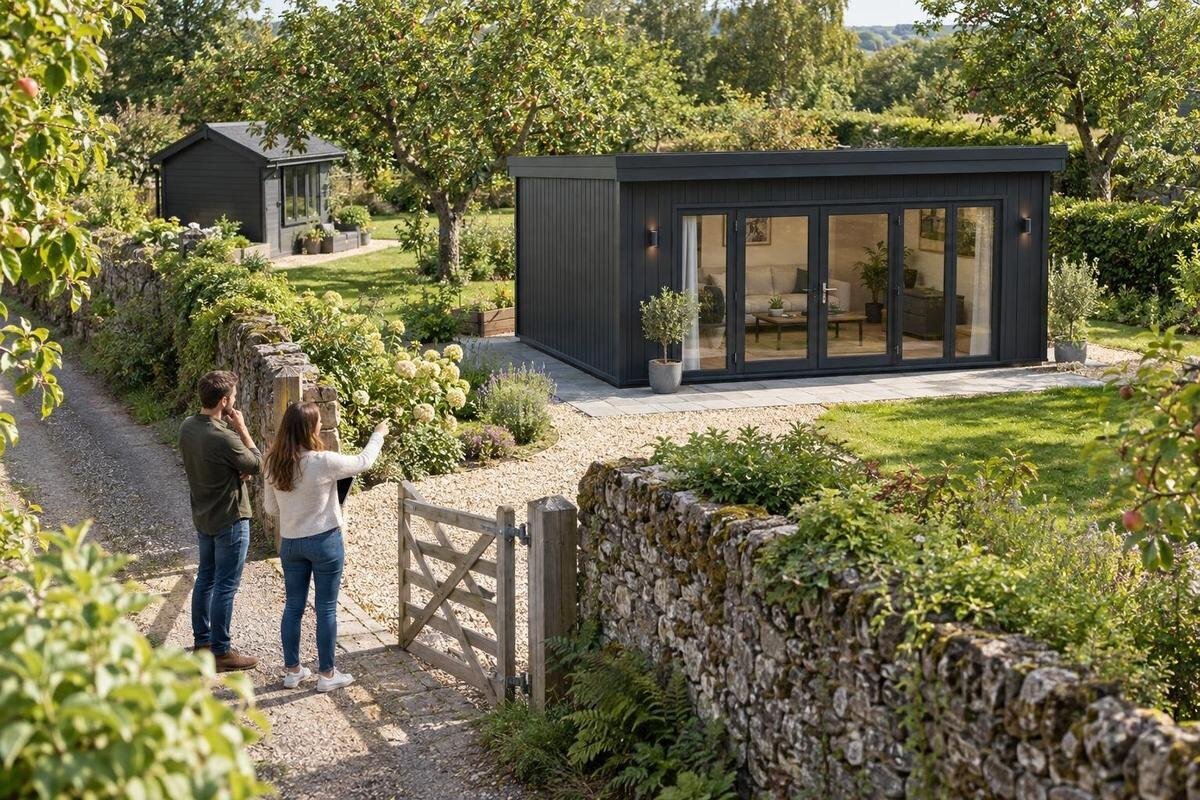
Choosing a garden shed on paper is only one part of the purchase when delivery access is restricted. A narrow driveway, a side passage, low overhead clearance or an awkward turn can affect where the vehicle stops, how the order is unloaded and whether components can reach the building site. The completed shed’s footprint does not reveal the size or shape of its delivery packages. Treat the route, delivery method and assembly plan as part of the selection process, and check them for the specific model and address before placing an order.
Trace the complete route to the shed site
Walk the route from the point where a delivery vehicle could stop to the exact place the shed is to be assembled. Include the driveway entrance, path beside the house, side gate, every turn, any steps or changes in level, and the last stretch across the garden. Note anything that reduces the opening or working space, such as bins, parked cars, outdoor units, branches, fence posts, taps or stored items. Measure the route as it is likely to be on delivery day, not only when it is clear for a quick inspection. Mark which obstacles can be moved and who will move them.
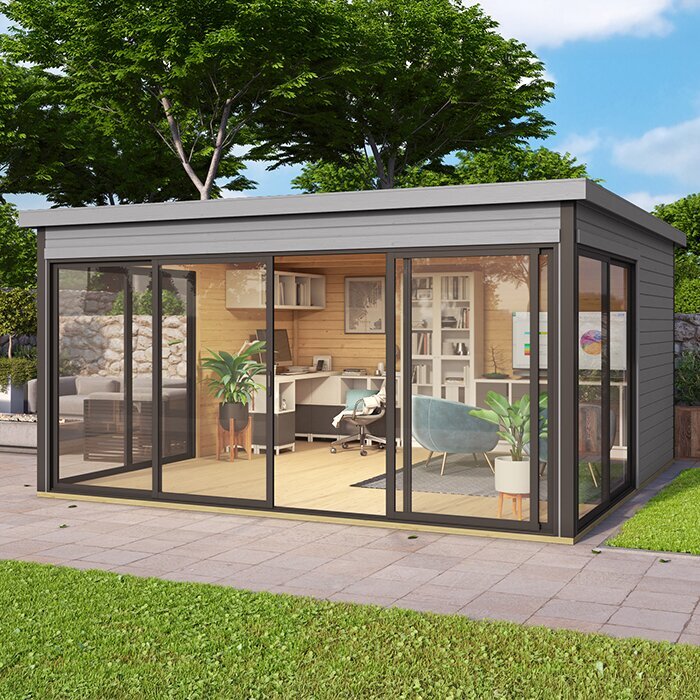
Keep vehicle access and package access as two separate checks. A vehicle might have to stop at the street or driveway entrance even if a person can walk further into the property; alternatively, a vehicle may enter but the packages may not pass a gate or corner. Ask where the carrier will unload and whether the order is taken beyond that point. When reviewing the Verdana 1 garden house listing, look separately for completed dimensions and delivery details, if shown: the shed’s footprint cannot tell you how its parts are packed. A simple route sketch can make the question clearer than saying only that access is narrow.
Measure the usable width and height
Measure the clear opening at every constriction, rather than relying on a gate’s nominal size or the widest part of a passage. At a gate, measure with it held in the position it will use; hinges, a latch, posts or a sloping approach can reduce the space available. Check wall-to-wall pinch points along the passage, not just at either end. Record clear height under branches, eaves, pergolas and other overhead obstructions, including at the entrance. If the route changes width or height, note where that happens and which direction a package would approach from.
Write down the narrowest clear width and lowest clear height without rounding them up. If the gate needs to remain open, check that it can stay in that position without blocking the route. Label measurements on a sketch or photograph so they are easy to explain. Include the measuring points and date, particularly where a gate position, parked vehicle or garden growth can alter the available space. Use the same method for every candidate, including the Verdana 2 garden house listing: a product name or picture cannot substitute for actual measurements of the site or delivered parts. Keep the original figures so they can be compared with confirmed package information.
Check turns, level changes and surfaces
A straight passage may be wide enough for a package that cannot make the turn at the end. At each corner, note the approach space, the available area to change direction and any obstruction on the inside or outside of the turn. A fence post, gate leaf or wall return can matter even when the narrowest straight section looks manageable. This is particularly relevant if a package is long or rigid, so get its actual dimensions before deciding how it might be moved. Don’t assume it can be tilted or rotated through a tight space.
Record steps, slopes, uneven paving, loose gravel, soft ground and raised thresholds along the way. These details can affect which unloading or movement arrangements are practical, even when the measured opening is sufficient. Note whether the path is likely to be clear and stable on the planned delivery day; a route can feel different when wet or obstructed. Also identify any point where a person would need to pause, change grip or safely set a package down, rather than assuming the entire distance can be covered in one movement. For a shortlisted item such as the Durano garden house, assess the whole route against confirmed delivery details, not just one narrow measurement. If you are unsure how a surface affects handling, describe it to the supplier and ask what access is needed.
Compare finished shed dimensions with package dimensions
The completed shed’s outside width, depth and height help you plan where it will sit, but they are not the measurements to use for the delivery route. Ask for package dimensions for the exact model and identify the longest, widest and tallest individual package. Check whether the figures include packaging, how many packages there are and whether any sections arrive partly assembled. A product page may describe the finished building without giving this information. Ask which measurements refer to the assembled shed and which refer to the items delivered, rather than treating one overall figure as an answer to both questions.
Compare each package with the route it must actually travel. A package may pass through a gate in one orientation but be unable to turn immediately beyond it; a different package may present the tighter constraint. Don’t rely on a theoretical fit that leaves no room to handle the item, and don’t assume a carrier will change its orientation. When you review the Veltor 1 garden house listing, or any other candidate, look for delivery measurements separately from finished dimensions. If the available information is incomplete, ask the supplier to identify the largest package before you make a choice.
Confirm the delivery vehicle and unloading point
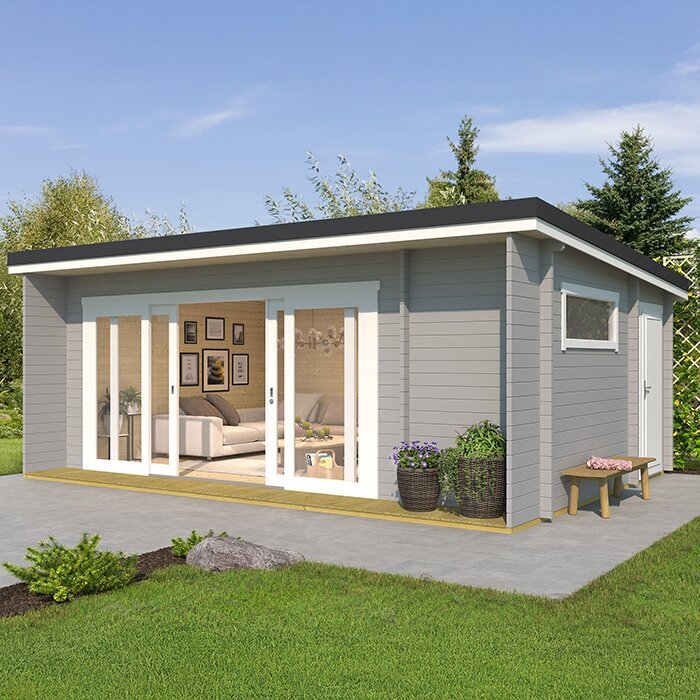
Tell the supplier the delivery postcode and describe the vehicle’s access route, including any narrow entrance, low clearance, sharp turn or limited space to stop. Ask what type of vehicle may be used and whether it needs room to turn or reverse. Mention parked cars, street trees, overhead wires or traffic conditions if they affect the place where unloading could occur. The space required for a vehicle can differ from the space required for packages carried along a path, so check both. If a large vehicle cannot reach the property, don’t assume a smaller one will automatically be used; ask what arrangements are available for the exact order and address.
Clarify where the carrier will leave the order: for example, at the kerb, driveway entrance, another agreed point or the shed site. Ask whether moving packages beyond that point is included, whether any lifting or handling equipment is expected, and who is responsible for arranging it. Ask about any extra delivery or handling charges rather than assuming they are included. For the Orello 1 garden house, for example, seek confirmation of the delivery access and handover arrangements for that model and address; neither the model name nor its images establish how it will arrive.
Check what assembly requires on site
Delivery and assembly are separate parts of the purchase. Confirm whether the shed is supplied for assembly on site, whether an assembly service is offered for your address and what that service includes. Ask if the installer needs the packages brought to a particular point, access for tools or equipment, or space to work around the shed. Find out whether access needs differ between the delivery team and the people carrying out assembly, especially if they attend on different days. If an installer is not included, clarify what assembly support or instructions are supplied and whether you need to arrange a separate service. Don’t assume that delivery and assembly happen together or that an installer can use the same access route as the delivery vehicle.
Allow for a place to put the packages and enough room to organise the work, not just a clear patch matching the shed’s footprint. Check the assembly information for any space requirements, and keep the route from the handover point to the work area clear. Make sure temporary storage will not block a driveway or passage you still need to use. When considering the Modano 1 garden house, or another model, remember that product images and exterior dimensions do not explain who assembles it or how its components reach the site.
Prepare a place to receive and store the order
Choose a delivery date when the route and unloading point can be kept clear. Move vehicles, bins and stored items that would narrow the access, and coordinate any other work that could block the entrance. Ask how the carrier will provide notice and what you need to do to receive the order; don’t assume a particular delivery window or contact process. If you cannot be on site, confirm in advance whether someone else can receive the delivery and what they will need to know about the handover.
If the packages cannot go straight to the build area, decide where they can be kept until assembly. Ask what storage conditions apply and whether the packages can be left in the proposed location; packaging should not be assumed to protect the contents from every condition. Consider whether the storage area is level, accessible and protected from accidental damage while you wait for assembly. Keep the temporary storage area separate from essential access routes and leave enough room to reach the packages when work begins. For the M timber garden shed, check the specific listing or supplier guidance for relevant storage information rather than inferring it from the product name.
Ask for model-specific delivery information
Give the supplier a concise access brief: the postcode, a sketch or labelled photos, the narrowest clear width, the lowest overhead point, tight turns, steps or slopes, the vehicle stopping point and the distance from there to the build site. Include photographs taken from both directions where a corner or gate is difficult to describe, but do not rely on photos in place of measurements. Ask whether they can assess that route for the exact model and which package dimensions they use. If you have measured only the site, make that clear; the supplier needs delivery-package information to compare with your measurements. A precise description is more useful than a general note that the property has restricted access.
Ask who will contact you before delivery, what needs to be ready on the day and what happens if the vehicle or packages cannot reach the agreed point. Confirm whether failed delivery, rescheduling, extra handling or storage may involve additional charges, and ask which arrangements you need to make yourself. Keep the response with your order information so everyone involved is working from the same access plan. When checking the Timber tool shed S listing, request an answer tied to that model and your address rather than relying on general information about garden shed delivery.
Decide what to do if the route cannot be confirmed
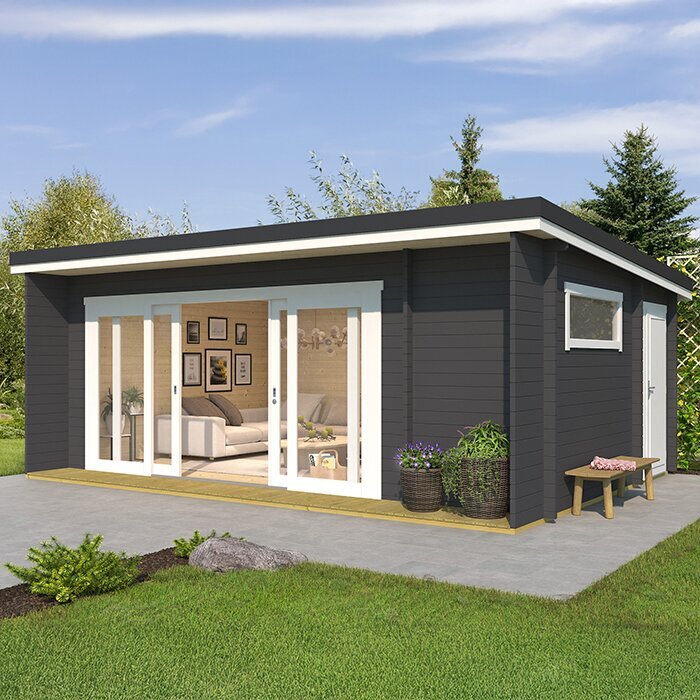
If the stated delivery method will not work, ask whether a different vehicle, an agreed alternative handover point or another delivery arrangement is available. Treat these as possibilities to confirm, not services you can count on. An alternative route through a neighbouring property, for instance, needs agreement from the people who own or control that access. Check whether any proposed option changes the unloading arrangements, assembly plan or costs, and compare it with the practical effort involved in choosing a different shed.
If no one can confirm how the packages will reach the build site, pause before ordering. Don’t base the plan on carrying items over a fence, dismantling part of the access route or arranging a lift without first establishing what is suitable and who would organise it. Consider whether the alternative also leaves a safe, clear place for unloading and temporary storage rather than merely solving one tight point on the route. You may need more information about the packages, a confirmed alternative delivery plan or another model whose delivery details suit the route. An unresolved access problem is a reason to wait, not a gap to fill with a guess on delivery day.
Compare shortlisted sheds against the route
Use the same comparison for each candidate. Record the finished dimensions, the largest package dimensions, the narrowest and lowest points on your route, the tightest turn, the vehicle access, the unloading point and the assembly arrangements. Note which details are confirmed and which are still unknown. Add the source of each answer and the date it was received, so a general delivery statement is not later mistaken for confirmation for your order. Where a response is conditional, record the condition as well, such as a clear driveway or an agreed handover point. This makes it easier to see why one option may be simpler to receive than another, without confusing the size of the completed shed with the space needed for delivery. It also gives you a clear list of unanswered questions before you commit to an order.
A smaller finished footprint is not automatically easier to deliver: package shape and access requirements matter too. Consider the complete plan for the model and your address, including any confirmed handling, storage or assembly costs, rather than comparing the product dimensions alone. Recheck the route if conditions have changed since you measured it, such as a new gate, landscaping work or an obstruction near the unloading point. Choose an option only when its delivery details make sense for the route you have measured. If a key package size, handover point or assembly requirement remains unknown, keep that candidate on hold until you have enough information to compare it fairly.
Frequently asked questions
Is the shed’s listed width enough to tell whether it will fit through a side gate?
No. The listed width usually describes the completed shed, not an individual delivery package. You need the package dimensions and the gate’s clear opening, as well as enough room to approach and turn. Ask the supplier to confirm how the exact order will be delivered.
What should I measure before asking about delivery?
Measure the clear width and height at every narrow point, including gates, overhead obstructions and turns. Note steps or changes in level, the available turning space and where a vehicle could stop. A sketch and labelled photos can help explain the route.
Can I estimate package dimensions from product photos?
No. Photos show the product, not necessarily how it is packed or delivered. Ask for the dimensions of the largest individual package, including whether those figures include packaging, and confirm whether any parts arrive partly assembled.
What does kerbside delivery mean for a restricted driveway?
The exact handover point and service can vary, so don’t assume the driver will take packages up the driveway or through a side passage. Ask where the order will be left, what unloading is included and whether you need to arrange further handling.
What if the packages fit but an installer cannot reach the site?
Delivery and assembly are separate arrangements. Confirm whether assembly is offered for your address, what access the installer needs and whether the components must be carried beyond the delivery point. If the access plan is unresolved, settle it before placing the order.
Restricted access is part of a garden shed’s practical fit, not a detail to leave until delivery day. When the route, package dimensions, handover point and assembly arrangements all line up for the exact order, you can compare models with fewer assumptions. Keep your measurements and the supplier’s answers alongside your shortlist; if a key detail is still unknown, leave that option undecided until the delivery plan is clear.
