
Buying a Small Garden Shed for a Compact Backyard
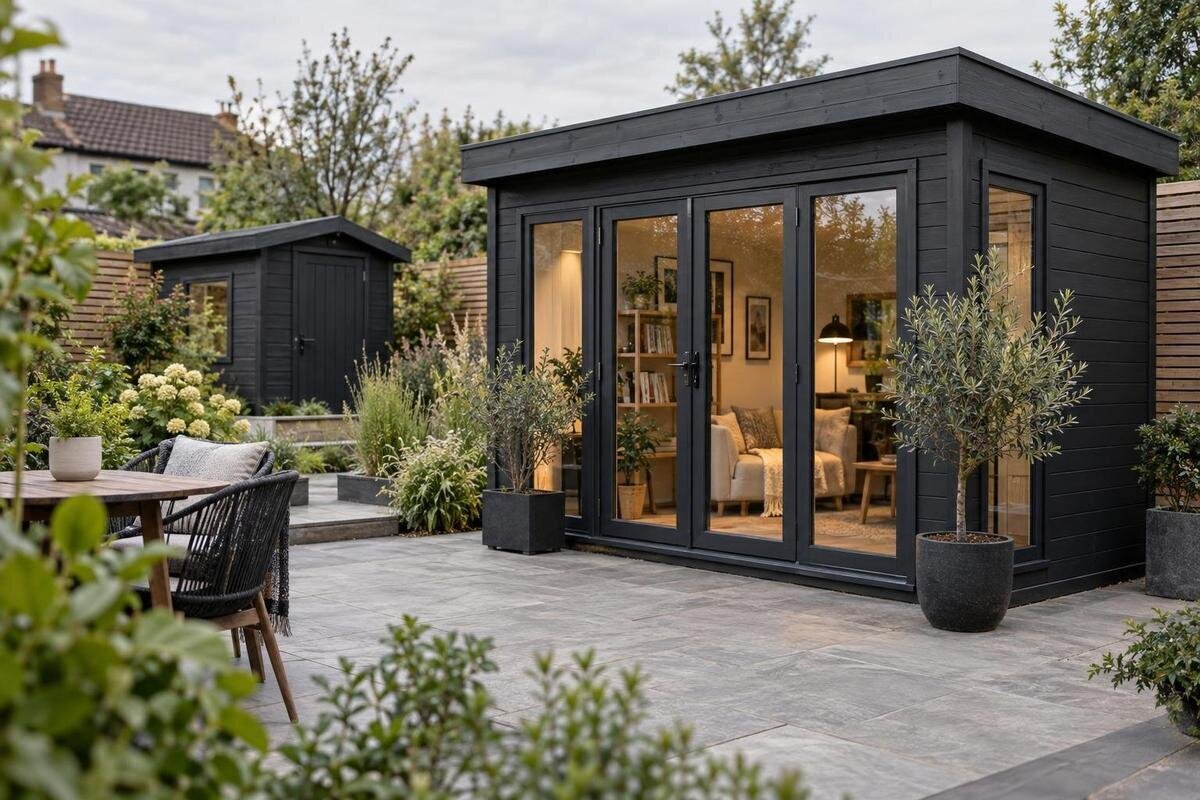
Garden shed buying guide
Buying a small garden shed for a compact backyard is a space-planning decision as much as a storage one. A model can look modest in a product image yet still crowd a path, leave too little room to open the doors or offer less clear floor space than you expect. Measure the proposed site and the items you want to store before comparing options, then check how each listing defines its dimensions and describes access. The aim is not to squeeze the largest shed into the yard; it is to find a size that fits the block and remains practical to use.
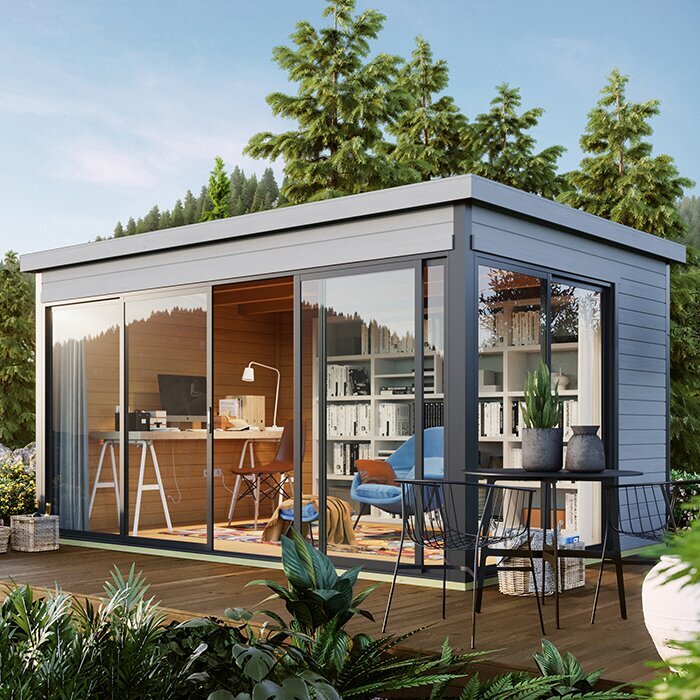
Measure the space the shed will occupy
Start with the clear ground area where the shed could sit, not the whole lawn or the gap between two visible edges. Measure the length and width at the narrowest points, especially if a fence, wall, garden bed or tree makes the space taper. Mark the proposed corners with removable chalk, string or flattened cardboard, then walk around the outline. A full-size mark-up shows how much of a compact yard the shed claims and whether your first measurements missed a protrusion. If you are considering two positions, record each separately rather than mentally shifting one set of figures from one corner to another.
Include the space needed to use and reach the shed, not just the rectangle beneath it. Note paths, gates, windows, taps, bins, clotheslines, outdoor seating and established planting that you still need to access; check that the door can face somewhere workable. Allow for maintenance access around the exterior in line with the product instructions, rather than assuming the shed can sit hard against a fence. Mark block boundaries and any service access or easements that may constrain a location. Requirements vary, so confirm relevant local restrictions with your council or a qualified local professional before ordering. An empty-looking corner is not automatically a suitable place to put a structure.
Check what the stated dimensions measure
Treat the word footprint as something to verify, not as one universal measurement. A listing may give a floor or base size, an outside wall measurement, roof dimensions, or overall length and width; each describes a different edge. Where roof eaves or projections extend beyond the walls, the ground area occupied can be wider than the floor. Read the plan and dimension notes to identify the widest outside point as well as the area that needs support. If the listing shows a plan and an elevation, use them together: the plan clarifies horizontal extent, while the elevation helps you check height and possible overhead obstructions.
Compare like with like across shortlisted sheds: line up outside width with outside width, rather than comparing one model’s base with another’s roof. Look for the exact overall dimensions, the base dimensions if shown, and any projections that affect the site. On the Verdana 1 garden house listing, check what each published measurement refers to; if the page does not make that clear, ask for a dimensioned plan before deciding whether it fits. Write the confirmed figures beside your site measurements, and keep the drawing for the exact option you plan to order. A rounded label such as small is not enough to settle a tight fit.
List the items before choosing a size
Make a practical inventory of what the shed needs to hold now, with a little thought for items you genuinely expect to add. Measure bulky or awkward objects at their widest and tallest points, including handles or other parts that stick out. For a mower, bike or garden tool, note not only its stored dimensions but how you carry or move it. A shed’s floor area can sound generous while a long item, deep container or group of everyday tools makes the usable layout feel crowded. Separate essentials from things that could be stored elsewhere; this helps keep a small shed from being sized around occasional items you may not need to keep there.
Sketch the contents on a simple floor plan, allowing space to stand and reach what you use often. Think through whether shelves would help or obstruct a long-handled tool, and whether items need to be lifted down from above. Compare that plan with the interior measurements published for each option, rather than relying on its outside footprint alone. You can use the Verdana 2 garden house listing as another candidate to assess against your measured inventory, but judge it only from details supplied for the exact option. If an essential dimension is missing, get clarification before deciding that the shed will hold your things.
Include the doorway in the space plan
Check the clear opening, not just the size of the door panel or the shed’s overall width. Frames, trims and the way a door is fitted can affect how much room is available to pass an item through. Compare the opening’s stated width and height with your largest stored object, allowing enough room to guide it inside without scraping or awkward lifting. If the item has to be tilted, account for the height and width it needs while being manoeuvred. Where a listing does not make clear whether a measurement is the clear opening, ask the seller for the usable entrance dimensions before relying on it.
Also consider the space a door needs when open. A hinged door may swing into the yard, while other designs may open differently; check the actual door arrangement for each option rather than assuming. Mark the opening movement on the ground and see whether it clashes with a fence, path, planting or another structure. The entry position matters too: an entrance that faces a narrow gap may be hard to use even when the shed itself fits. For the Durano garden house listing, look for documented entrance details and compare them with your marked path. Do not infer the door type or its clearance from the product name.
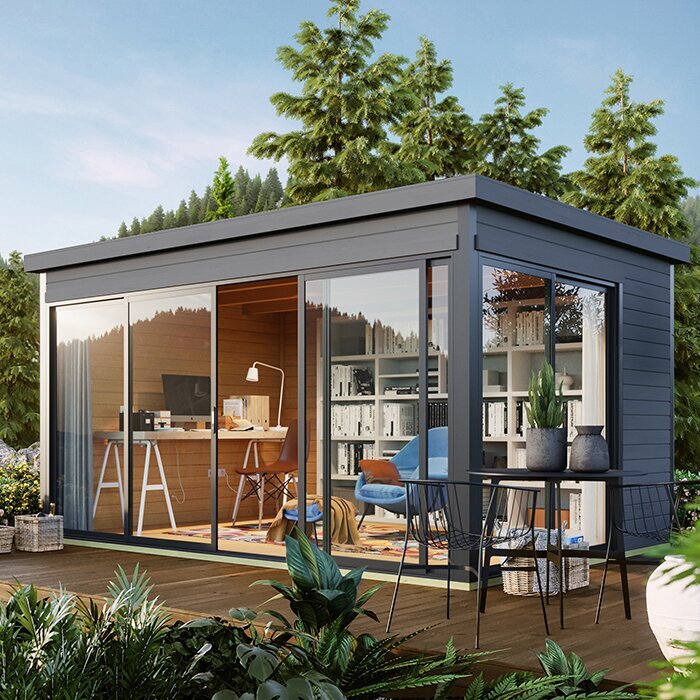
Choose a position that works day to day
The most compact spot is not always the most convenient one. Consider how often you will use the shed and what you will carry to and from it. A position close to the route you already take may save repeated trips, while placing it across a narrow path or near a gate can make everyday movement frustrating. Think about the areas of the backyard you want to keep open for seating, play, gardening or access to the house. In a small yard, a shed’s effect on circulation can matter as much as its measured footprint, so walk the route before settling on a location.
Check the space around the proposed position from different angles. Make sure you can reach doors, windows and outdoor fixtures that need regular access, and consider whether the shed would block a view or crowd a neighbour-facing boundary. Follow product instructions for access needed around the outside, and take account of nearby trees or garden beds that may make maintenance awkward. If you are comparing options, note the entry position shown in each product’s information, where available. Add the Veltor 1 garden house listing to your shortlist only after you can compare its documented dimensions and access with the actual location you have measured.
Check the base and route for delivery
Look closely at the ground where the shed would sit. A sloping, uneven or frequently wet area may affect what preparation is needed, but there is no single base approach that suits every product and site. Check the supplier’s instructions for the required base and the dimensions it should meet; do not assume that an existing paved area or bare patch will suit without checking. If the ground condition is unclear or the work is beyond your experience, ask a suitably qualified local professional to assess it. Sorting out the base before ordering helps avoid choosing a shed that fits on paper but cannot be installed as intended.
Measure the route from the delivery point to the proposed position, including gates, side passages, steps, tight turns and low branches. Ask what delivery includes, where items will be left and whether the packaged components can pass through the narrowest part of the route. The packed dimensions may differ from the finished shed’s footprint, so request them if they are important to access. For the Orello 1 garden room listing, check the stated delivery and product information directly; do not infer packaging size or construction details from its name. Note any access issue early, so you can confirm the practical arrangements before placing an order.
Compare usable interior layout and headroom
Two sheds with similar outside dimensions may offer different usable space inside. Wall thickness, internal framing and the shape of the roof can affect the clear area available for storage. Check any published interior width, depth and height, and use a plan or elevation to understand where the measurements apply. If you need to store a tall item, look beyond the highest point and consider whether the available headroom is where the item would stand. Shelves, hooks or other fittings can also reduce clear space, so include them in your plan rather than counting every part of the floor as open storage.
Think about how you will get to items after everything is put away. A layout that uses every corner may leave no room to move a box or reach a tool at the back. If you plan to add storage fittings later, check whether the product information explains where they can go and whether they would interfere with the door or contents. Compare any available interior plan for the Modano 1 garden room listing with your own sketch, rather than treating the model name as evidence of usable space. Where there is no interior measurement, ask for one before deciding that a compact footprint will meet your storage needs.
Match materials and upkeep to the site
Check the stated materials and finish for the exact option you are considering, rather than drawing conclusions from a model name or image. Think about the conditions at your chosen spot, such as exposure to rain, strong sun, falling leaves or salt-laden air, and ask how the specified construction is intended to be cared for there. These conditions vary from yard to yard, so a general label such as timber or metal cannot tell you by itself what maintenance will be needed. Look for the product information and care instructions that apply to the selected option, and get clarification if material, finish or treatment details are important to your decision.
Consider the upkeep you are prepared to do over time. Check whether the instructions call for periodic cleaning, protective treatment or other maintenance, and whether any care product is included or must be obtained separately. Ask about the recommended way to deal with marks or weathering, rather than assuming a finish will remain unchanged. The name the M timber garden shed listing identifies a listing, but it does not establish its materials, treatment or maintenance requirements; verify those details in the product information. A shed that suits the space but needs care you are unlikely to provide may not be the most practical choice for your backyard.
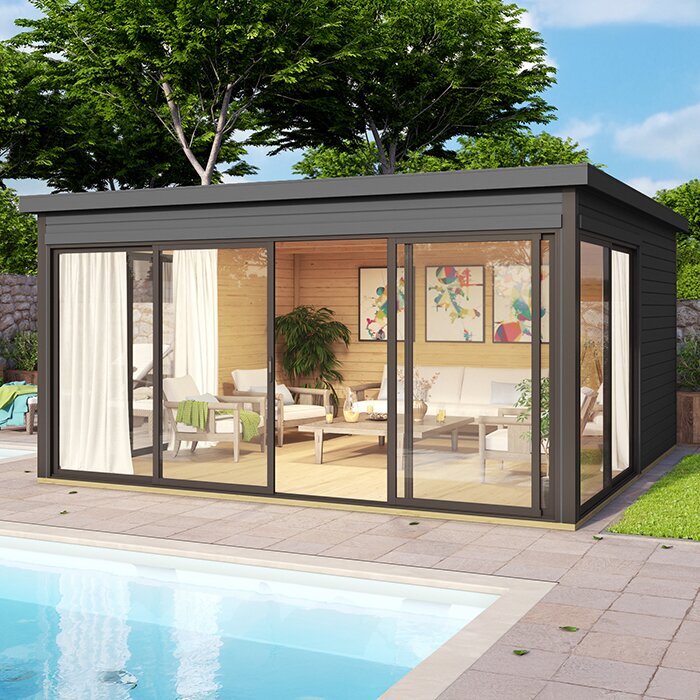
Read the order details before paying
Confirm the exact product and option you are ordering, then check its dimensions and supplied information against your notes. Read what is included and what is optional, including any floor or base components, fixings, finish or accessories relevant to the purchase. Do not assume an item shown in a product image is part of the order. If assembly or site preparation is a separate service, establish what is and is not covered before comparing the total cost. These details can change the practical value of two otherwise similar options, especially when you are working with a limited space and need to plan the whole purchase.
Check delivery terms, access conditions, any separately charged services, and the seller’s stated returns and warranty terms before completing the order. Confirm that the delivery address and access information are accurate, and review the final order summary for the selected option rather than relying on a previously viewed page. For the Timber Tool Shed S listing, as for any candidate, verify dimensions and inclusions from the details provided for that exact listing. If delivery timing, an included component or a particular measurement will determine whether the purchase works, get that point confirmed before paying instead of filling a gap with an assumption.
Compare shortlisted sheds on the same basis
Once you have a few candidates, compare them in one set of notes. Use the same headings for each: outside footprint, base dimensions, usable interior measurements, clear door opening, required access, base requirements and delivery route. Record whether each detail is confirmed or still needs checking. This makes differences easier to see than switching between product pages and trying to remember which measurement belonged to which option. You can also note the cost of any separately needed items or services, so the comparison reflects the purchase you actually need rather than a headline figure alone.
Separate must-haves from preferences. A clear route for a mower or a maximum site width may be non-negotiable, while appearance or a particular storage arrangement may be flexible. Remove any option that fails a genuine fit or access requirement, then weigh the remaining trade-offs against how you will use the shed. Before ordering, check that the final choice is the exact option you compared and that its confirmed details still match your measurements. This is a more dependable way to choose between compact garden sheds than picking the smallest label or judging a product image in isolation.
Frequently asked questions
What size garden shed is best for a small backyard?
There is no one size that suits every small backyard. Begin with the available ground area, then check that the shed’s usable interior and doorway suit the items you plan to store. A smaller footprint is only useful if the contents still fit and you can reach them.
How much room should I leave around a garden shed?
Allow for the door to open and for the access and maintenance you need around the shed. The amount depends on the product design and your site, so follow the product instructions and check any relevant local restrictions rather than relying on a universal clearance figure.
Is a shed’s floor area the same as its footprint?
Not necessarily. Floor or base dimensions, outside wall dimensions and overall dimensions can describe different edges. Roof projections may also extend beyond the floor. Check the dimension plan to understand which measurement defines the space the shed occupies.
How can I tell if a mower or bike will fit inside?
Measure the item at its widest and tallest points, then compare those figures with the shed’s usable interior and clear doorway opening. Allow for the space needed to carry, turn and retrieve it. A floor outline alone will not confirm that an item can get through the entrance.
Should I choose the smallest shed available?
Not automatically. A smaller shed may take up less space outside but leave too little usable room for your contents or make access awkward. Compare the external footprint, interior layout and entrance together, then decide which compromise works for your yard and storage needs.
For a compact backyard, the right small shed is the one whose outside outline fits the measured spot, whose usable space suits your contents and whose entrance remains practical. Let those points set the shortlist, then use the position, upkeep and ordering details to separate the remaining options. If a dimension or delivery condition matters to the decision but cannot be confirmed, get it clarified before you commit. A little measuring and comparison is more useful than choosing by a product image or a single size label.
