
Buying a Wooden Garden Shed: A First-Time Buyer’s Guide
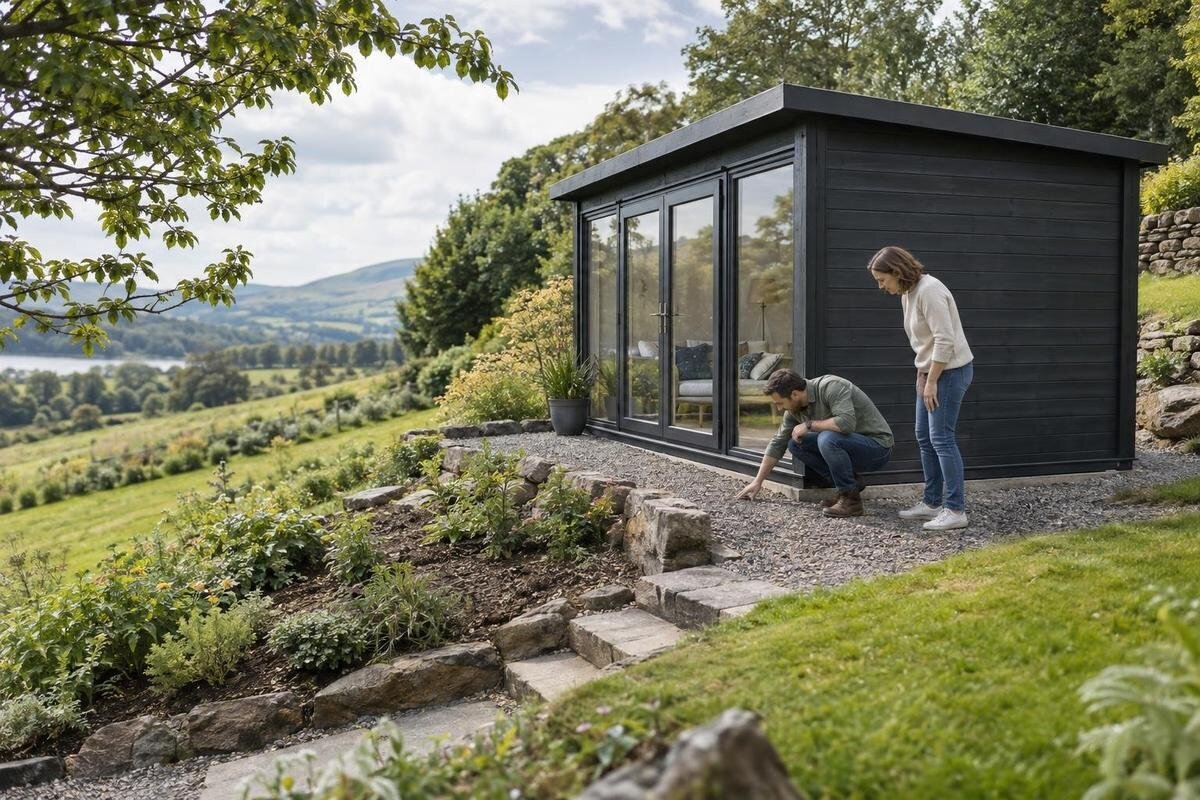
Garden shed buying guide
Buying a wooden garden shed is easier when you decide what it must do before comparing designs. The right choice depends on what you need to store, how often you need access, the space available on your property and the conditions at the proposed site. This guide covers the measurements, timber details and order questions worth settling before you commit.
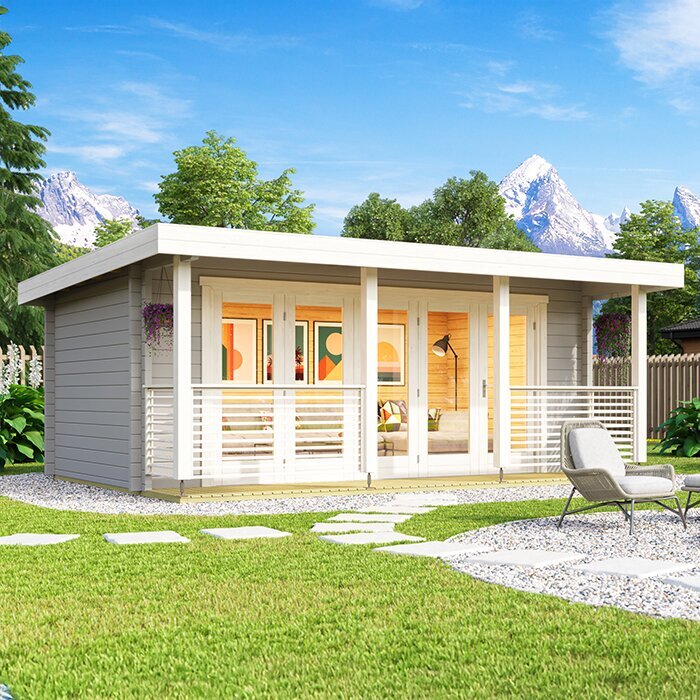
Define what the shed needs to store
Begin with an inventory rather than a model. Group items by use - long-handled tools, a mower, pots, outdoor furniture cushions, bikes or seasonal equipment - and note which need to be reached often. Measure the bulkiest items in their stored position, including handles or attachments, and record height as well as width and depth. Include awkward shapes that do not stack neatly; their footprint can matter more than the total number of objects. If you plan to store fuel, garden treatments or other products with handling requirements, check their labels and the shed maker's guidance rather than assuming an enclosed timber structure is suitable. Add a route for getting each item in and out; a tight fit on paper can be frustrating in use.
Separate must-haves from occasional storage. A shed used mainly for tools may need clear floor area for bulky gear, while small supplies are easier to manage when shelving or hooks can be fitted; confirm whether those fittings are supplied, allowed by the instructions or need to be bought separately. If your contents change through the year, list expected extras and how often you will retrieve them. A simple sketch showing large items and a walking strip can expose wasted corners or a cramped aisle before purchase. Allow room to remove one item without unloading a stack in front of it. Use the inventory to screen pages such as the M Timber Garden Shed listing: the name identifies a model, but its written dimensions and inclusions determine whether it matches your list.
Measure the footprint, interior and access route
Compare the whole footprint with the space available, not just the floor area stated in a headline. Listings may show external and internal dimensions: the outside tells you whether the structure fits between fences, trees and other features, while usable inside measurements help establish what can be stored. Check the reference points used, and note whether a stated height is measured at the roof peak, wall or eaves. If a dimensioned plan is available, use it; if not, ask for the missing figures. Include any stated roof projections or overhangs in your site outline. A product photo or model name cannot tell you precisely how much room the shed occupies.
Measure the proposed position with a tape and mark the outer dimensions on the ground with string or removable markers. Check the planned opening and the space needed to use the door, then trace a clear path from the garden entrance to the shed. Consider the largest item on your list: can you carry or wheel it through the gate, turn it and get it through the opening? Compare those measurements with the published figures for a candidate such as the Verdana 1 product page. If the page gives only overall dimensions, ask for internal measurements and the clear doorway width and height; they can change whether your storage plan works. Repeat the access check at the narrowest point, rather than measuring only the broadest part of the garden.
Check timber construction and finish details
Wooden garden sheds are not interchangeable simply because listings use the same broad material description. Look for the timber species, wall and roof construction, any stated thickness, floor arrangement, fixings and the finish or treatment supplied. Check whether details apply to every part or only selected components. Ask which timber elements are treated, whether the treatment is intended for outdoor exposure, and whether the shed arrives ready for a protective coat or needs finishing after assembly. If a specification is silent, ask the seller rather than inferring quality or weather resistance from an attractive photo. You need to know what the maker says about the structure and which installation instructions apply to the exact model. Where a listing uses shorthand, ask what it means for each panel and the parts exposed to weather.
For a timber garden shed in Australia, request care information that relates to your site rather than relying on broad phrases such as 'low maintenance'. Confirm the recommended finish, how often it needs attention, what to do if a surface is cut during assembly, and whether the maker restricts particular coatings or cleaning products. Keep the answers with the product documents. Assess the Verdana 2 listing in the same way as every alternative: compare its stated construction and care details, and ask about omissions before weighing it against another shed. Use consistent questions; a longer specification is not automatically better if key points remain unclear. A care sheet for the selected model is more useful than generic timber advice.
Confirm what the price and package include
Read the inclusions line by line. A photograph may show a completed shed, but a purchase can involve separate components or services. Confirm whether the quoted package includes the floor, roof covering, doors or windows shown, fasteners, handles, treatment, assembly instructions and other fittings. Ask what is excluded and whether a base, paint or protective finish, shelving or anchoring components must be sourced separately. Where a description says 'kit' or 'ready to assemble', ask for a precise scope rather than treating the phrase as a full inventory. Compare the written details for the exact item you intend to order; another model in the same range may have different inclusions.
Create a like-for-like comparison sheet for each shortlisted shed: model, external size, internal usable dimensions, doorway, timber details, listed inclusions, care requirements and any separately charged work. Consider the cost of the complete setup, but do not assume two quotes cover the same delivery, unloading or assembly. For the Orello 1 listing, as for any candidate, record only what the page confirms and ask the seller to identify additional items or services in writing. This makes it easier to spot a missing floor, finish or service before comparing totals. Apply the same assumptions to every candidate.
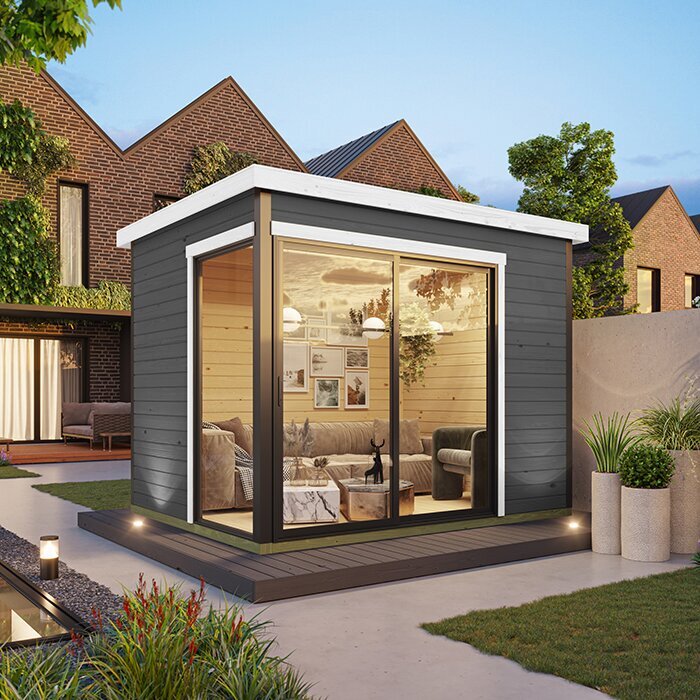
Match the doorway and layout to your equipment
Access affects the shed's usefulness each time something goes in or out. Check the clear opening width and height, not just the overall door size, and consider the threshold, latch position and room needed to operate the door. A mower, bike or wheelbarrow can be difficult to manoeuvre through an opening that looks generous in a product image. If you expect to move larger items, allow space to approach the door and turn outside it; check the whole route as well as the doorway. A doorway may be passable while the approach is too tight for a long item. Ask whether you can choose which way the door opens if that matters, but do not assume it can be changed after purchase.
Think about where frequently used items will sit once stored. If your plan includes shelves, hooks or tool rails, check the internal layout and the product instructions before buying fittings; the wall construction may limit where accessories can be attached. If you want a clear central area, sketch the footprint of a mower or other large item and place smaller storage around it. Sketch shelves at realistic heights, leaving access to the items you use most. Positioning the opening towards a usable path can matter more than a slightly larger floor area. Treat the Durano garden house listing as another set of specifications to inspect, not as proof of a particular doorway or layout. Apply the same access test to every shed on your shortlist.
Check the proposed site, base and delivery route
Choose the spot before settling on a final size. Look at the ground surface, any slope or soft areas, places where water collects, overhead branches and the room left to inspect or maintain the outside walls. A patch that looks flat is not automatically a suitable base, and the required base and preparation depend on both the shed and the site. Ask the manufacturer for its exact foundation and installation requirements. If the ground is uneven or you have questions about retaining, drainage or structural conditions, seek advice from a qualified local professional rather than improvising from a generic guide. Also check whether the manufacturer specifies clearance for access to more than one side. This check may change the position or size you can use.
Measure a delivery and assembly route as well as the finished footprint. Record gate widths, narrow turns, steps and overhead or surface obstacles between the driveway or unloading point and the proposed position. Ask whether the goods arrive as separate components or larger packages, what clearances are needed to bring them in, and who is responsible for unloading. Compare the answers with your site plan for a candidate such as the Veltor 1 product page, and resolve unanswered access or base questions before ordering. If the route is narrow or shared, clarify who will move the components and where they can be placed during assembly. The completed shed may fit the garden even when the delivery route does not.
Plan for exposure and timber maintenance
Timber's exposure is a long-term buying consideration. Conditions vary between properties, so assess the actual position: direct sun, wind-driven rain, damp ground, humid periods, coastal air or nearby trees may affect the care you need to plan for. Ask the seller which treatment or finish is supplied, what additional protection is required and whether the maker's instructions address conditions at your site. Do not infer that timber is weatherproof or resistant to pests simply because a listing uses the word 'treated'; ask what treatment was applied, which components it covers and what care it requires. Ask whether the maker's recommendations depend on the timber being kept clear of soil or receiving further coats. A precise answer is more useful than a general claim about timber.
Read the written maintenance guidance before choosing between models, particularly if you want a particular appearance or have limited time for upkeep. Clarify when the first finish is due, what inspection or recoating the maker recommends, and how the shed should be positioned and maintained to suit its installation instructions. Keep access for maintenance rather than placing the structure tight against a fence just to save garden space, unless the product requirements allow it. For the Modano 1 listing, as for other options, use the supplied care and construction details to judge whether the upkeep suits your routine. Include future maintenance in your decision, not only the initial appearance.
Use photos for appearance, not specifications
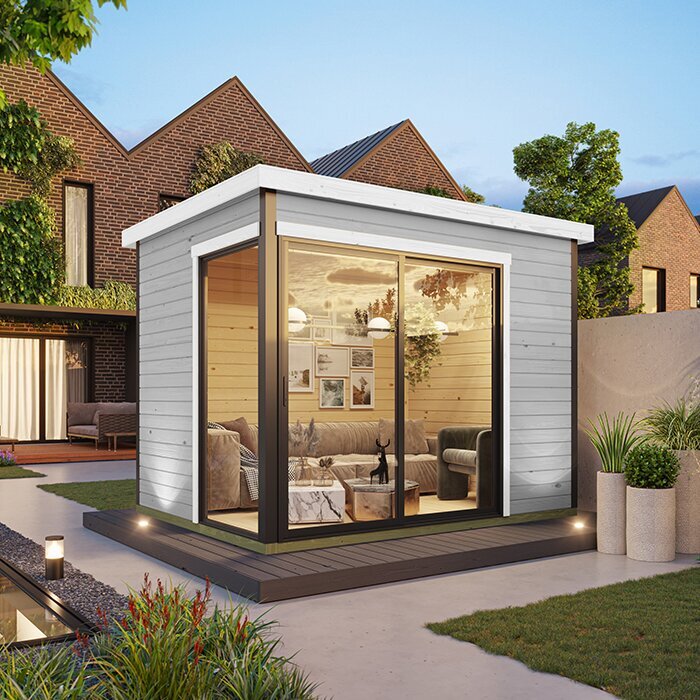
Once size, construction and access are acceptable, use appearance to decide which shed suits the garden. Consider the roof and wall profile shown, the position and style of any visible openings, and how the exterior will sit beside the house, fence and planting. Look through all available views, but check each image against the written description: staged tools, shelving, finish, glazing or other details may not be included unless the page says so. Photos cannot establish internal dimensions, timber treatment, door clearance or the condition of the base area. Colour and finish can look different under varied lighting, so check the product details or ask whether a sample is available if that matters to you.
If glazing, a particular door type or a chosen finish matters, confirm the exact option available for the model, whether it changes the quoted price or delivery arrangements, and what is included in the standard configuration. Ask for a dimensioned plan or close-up details where the listing does not answer your question. Avoid comparing a photographed upgrade on one shed with the standard package of another. The Timber Tool Shed S listing can be reviewed on this basis: confirm appearance-related features in the written details before shortlisting, and do not infer options from the name. Ask for a written price for any extra option. Use looks to choose between candidates that already meet your practical requirements.
Confirm delivery, assembly and after-sales details
Before paying, confirm the exact model and quantity on the order, the full price and any separately charged delivery or services, the delivery address and access assumptions, and the expected delivery arrangements. Ask whether unloading is included, whether someone must be present and what happens if a vehicle cannot reach the site. If assembly is offered, clarify its scope, what site preparation is your responsibility and whether the installer expects the base to be ready. Get answers in writing, especially where a product page leaves an item unclear, and keep the quote, order confirmation and installation documents together. Clarify any changes to access or unloading needs before delivery is booked. This gives you a record of what you agreed to buy.
Read the seller's terms for cancellations, missing or damaged parts, returns and any warranty that applies to the model; do not assume every shed has identical cover. Check who to contact if a component is absent and what information or evidence they require. If you plan to assemble the kit yourself, read the instructions before ordering and check that the necessary tools, help and suitable working space are available. Ask whether parts should be checked promptly on arrival and how to report an issue. Confirm any care obligations or exclusions in the supplied terms, so your decision accounts for the initial setup as well as the work needed afterwards.
Compare your shortlisted sheds before ordering
Put each candidate against the same shortlist: storage inventory, external footprint, usable internal dimensions, clear doorway, timber and finish information, floor and roof inclusions, base requirements, maintenance and total order costs. Mark every item as confirmed, not stated or unsuitable instead of filling gaps by assumption. Rank requirements you cannot compromise on above preferences such as appearance. If a model misses an essential measurement or the seller cannot clarify an important inclusion, remove it or pause the order. Keep the comparison sheet with the seller's answers so you can see which detail belongs to which model.
Finally, compare the marked site with the shed plan and delivery route, and confirm that the chosen model can be installed and maintained there. Ask the relevant local council or a qualified building professional whether any site-specific approvals or constraints need attention; requirements can depend on the property and location, so do not rely on a general online rule. Ask the manufacturer or seller to resolve product questions, and a qualified installer to advise on site preparation where needed. If an essential figure is still uncertain, pause until it is confirmed. Your first purchase is ready when the dimensions, contents and responsibilities are clear before payment.
Frequently asked questions
How do I choose the right size wooden garden shed?
List what you plan to store and measure the largest items, including their height and the space needed to move them. Compare those figures with usable internal dimensions, then check that the shed's external footprint and doorway fit your site and access route.
What timber details should I compare?
Check the stated timber species, construction, any specified thickness, treatment, finish and care instructions. Find out which parts each detail applies to. If information is missing, ask the seller rather than judging timber quality or weather resistance from a photo.
Does a wooden garden shed need a base?
Follow the installation requirements for the exact model and site. Base needs can vary, so ask the manufacturer what preparation is specified. If the ground is uneven or soft, get advice from a qualified local professional rather than assuming a generic base will suit.
What should I measure before delivery?
Measure the finished footprint and the route from the unloading point to the proposed position, including gates, turns, steps and overhead obstacles. Ask about package sizes and unloading arrangements too; the completed shed may fit even when its components are difficult to bring in.
Do I need approval for a garden shed?
Requirements can depend on your property and location. Ask the relevant local council or a qualified building professional whether any site-specific approvals or constraints apply before ordering. Avoid relying on a general online rule to decide what is allowed on your block.
A well-chosen wooden garden shed is the one whose stated dimensions, construction and inclusions match your storage list and the site you have measured. Compare candidates on the same facts, and resolve gaps in the specifications, delivery arrangements or installation requirements before paying. That gives you a clearer picture of the complete purchase - and makes it easier to choose a shed that works for your property beyond the product photo.
