
Buying the Right Garden Shed for a Holiday Home
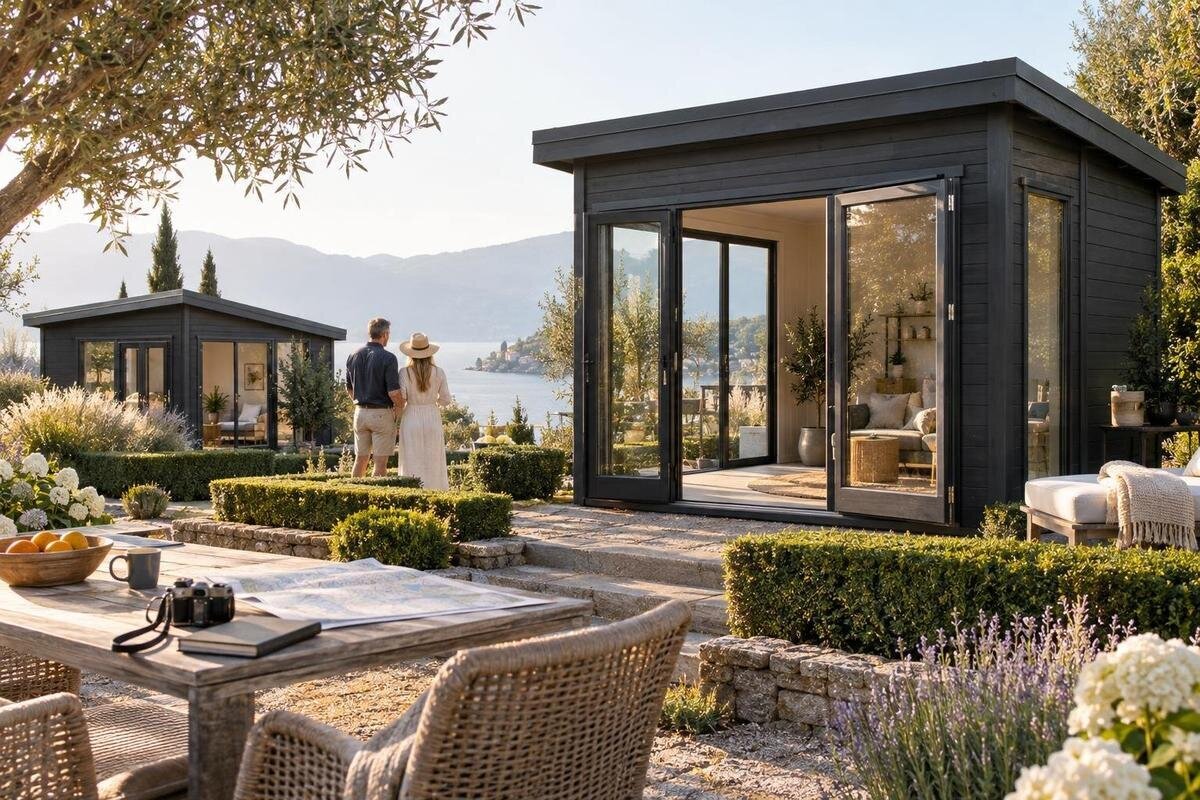
Garden shed buying guide
Buying a garden shed for a holiday home involves more than finding a building that fits an open patch of ground. It needs to hold the items you leave on site, suit the way you arrive and work around the property, and remain manageable when nobody is there for weeks. A useful comparison starts with a measured inventory and ends with confirmed site, access, care and ordering details. This guide focuses on storage; it does not assume a garden shed is suitable for guest accommodation or any other use with different requirements.
01
List the items that will stay at the property
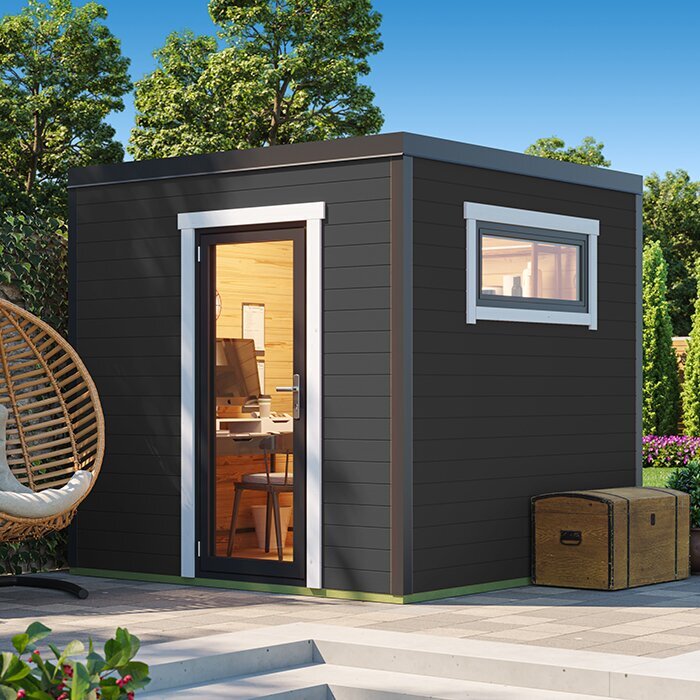
Before comparing garden sheds, write down what needs to stay at the holiday property between visits. Separate garden tools and maintenance equipment from outdoor items, spare supplies and anything brought along only for particular seasons. Add the largest object in each group, not just the small items that are easy to overlook: a mower, folded chairs, a hose reel or a long-handled tool can determine the layout. Note who needs access—owners, a caretaker or a contractor—and which items should be available immediately on arrival. A product page such as the Verdana 1 garden house listing can go on your comparison sheet, but its name cannot replace your inventory or establish that it will fit.
Then decide what genuinely belongs in a shed and what is better stored elsewhere. Check labels and manufacturer guidance for anything sensitive to damp, heat, ventilation or secure storage; don’t assume an unconditioned garden building provides indoor conditions. Work out whether seasonal equipment can be taken home at the end of the season, reducing the space you need, or must remain on site. A clear inventory also prevents a common buying mistake: allowing for vague “extra storage” without measuring the bulky items, their access space and the everyday tools that need to share the floor.
Match storage to the visit pattern
How often you visit affects what needs to be ready in the shed. If you arrive regularly to work in the garden, frequently used tools may need to be easy to reach rather than buried behind seasonal equipment. If visits are several months apart, an item needed once a year may occupy valuable space for most of that time. Look at a calendar covering the full year, not just the busiest stay. Note which jobs happen on arrival, during a visit and before departure; this helps separate essential on-site storage from items you can bring only when needed.
For longer gaps between visits, consider who will notice if a door is left open, an item is missing or routine care is due. A property manager or trusted caretaker may be able to check the shed, but only if access and responsibilities are agreed. Decide what should be taken home at the end of each stay and what can remain. If you expect to use the shed in different seasons, make sure your planned arrangement leaves the items you need reachable without first moving everything else. That can matter more than adding nominal capacity.
02
Measure the site and the route to it
Measure the proposed position before comparing product dimensions. Record the space available for the shed and note nearby fences, trees, windows, drains, taps and access points that should remain usable. Then trace the route from the place where a delivery could be received to the final position. Gates, narrow turns, steps and overhead obstructions can affect whether components can be carried through. The Verdana 2 garden house page can be one item in your comparison, but don’t infer its footprint or delivery requirements from its name or image.
Mark the intended outline on the ground using the external dimensions stated for a product, and include any extra clearance its instructions call for. This makes it easier to see whether the shed would interfere with normal access or leave too little room to approach the door. Check what preparation the site needs and what type of base the manufacturer specifies; don’t guess at a foundation if the requirements are unclear. Ask a qualified site-preparation professional for advice where needed. Local rules vary, so check with the relevant authority if approvals or clearances may apply.
Compare the usable space inside
A shed’s external footprint tells you whether it may fit on the site; its internal dimensions help you judge whether your belongings will fit inside. Compare stated internal width, depth and height with your inventory, and check the clear opening of the doorway as well. Roof shape, walls and fittings can affect where longer or taller items can be placed, so don’t rely on floor area alone. When reviewing the Durano garden house listing, look for documented measurements and layout information rather than treating a model name as evidence of capacity.
Sketch a simple floor plan and place the largest items first, then allow space for everyday tools, tubs or other storage you intend to add. Leave a practical route to the items you use most; a shed that technically holds everything may still be awkward if reaching one item means shifting several others. Allow some flexibility for belongings you expect to acquire, but avoid paying for a much larger building on the assumption that you will eventually fill it. If shelves or other fittings are part of your plan, confirm their dimensions and whether they are included before relying on them.
03
Check door clearance and everyday access
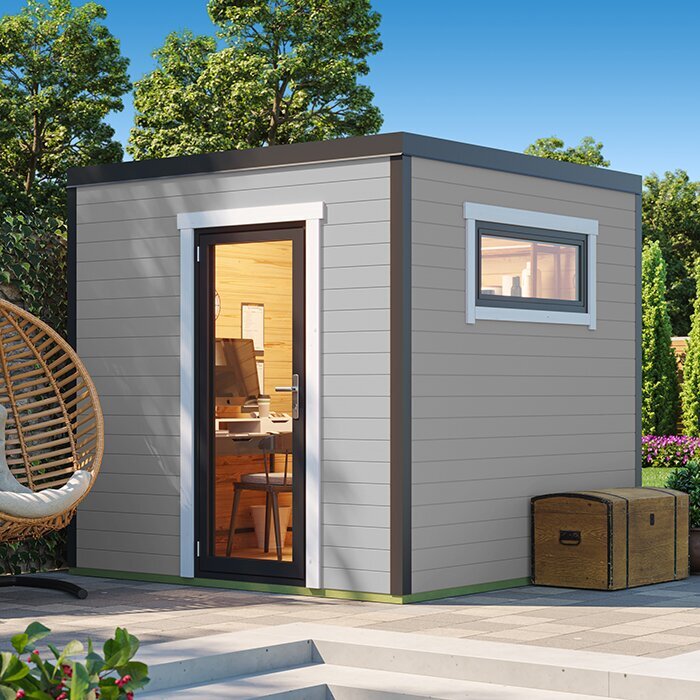
Measure the largest item you plan to put away, including handles, wheels or attachments, and compare it with the clear width and height of the opening. Allow for the space needed to turn or manoeuvre the item along the approach. A wide interior won’t solve a narrow entrance, and the published external width is not the same as the usable doorway. The Veltor 1 product page is useful to review only alongside its stated opening and layout details; the model name does not confirm either.
Consider how the door operates in the actual space. A hinged door needs room to open, while other door arrangements have their own access and clearance needs; check the product drawings or specifications rather than assuming. Think about whether you will carry items through alone, use the shed in wet weather or have several people accessing it. Check the details for the supplied latch and locking arrangements if security matters, and clarify whether any hardware you need is included. If you can inspect a sample or obtain a manufacturer’s diagram, use it to check the approach as well as the opening.
Choose a care routine you can maintain
Different construction materials and finishes can require different care, so compare maintenance instructions rather than relying on general assumptions about a material or appearance. Ask what treatment, if any, is needed before use, what routine care is recommended and whether the instructions specify particular products or intervals. The Orello 1 listing is another page to assess against the same questions; its name alone doesn’t establish what it is made from or how it should be maintained. Keep written instructions with the property records so anyone responsible for upkeep can refer to them.
A holiday home may be harder to visit for routine maintenance than your main residence. Before choosing, consider who will inspect the shed, whether they can reach it easily and whether the required work fits into an existing property-care visit. Include the shed in a simple maintenance calendar and keep a record of work completed. If you cannot arrange care at the recommended intervals, ask the supplier whether that changes what they recommend for the particular product. Choosing a plan that an owner or caretaker can realistically follow is more useful than selecting a shed whose upkeep is unclear.
04
Consider what the shed will protect against
The conditions inside a garden shed may differ from those inside the house, especially when the building is closed between visits. Consider whether the items you intend to store can tolerate the expected heat, damp and airflow conditions. Ask for documented information about the shed’s intended conditions and any stated limitations; don’t assume it is waterproof, sealed, insulated, pest-proof or suitable for sensitive belongings. When checking the Modano 1 garden-house page, rely on product information rather than a photograph or model name to judge what it can protect.
Choose storage methods that suit both the contents and the product instructions. Lidded containers can help keep small items together, but they don’t make an unsuitable environment suitable for sensitive goods. If you plan to add shelving or cabinets, check that the building and the fittings are intended for that arrangement, and follow the relevant guidance. Avoid leaving valuable, perishable or condition-sensitive belongings in the shed unless you have confirmed their storage needs can be met. Taking those items home may be the simplest way to reduce risk during a long period away.
Make the contents easy to find
A straightforward layout can save time when you arrive at the property. Group items by task or season, label containers and keep a simple inventory where owners or an agreed caretaker can find it. Put frequently used items where they can be reached without shifting the rest of the contents, and keep a clear route from the door. If you are considering shelves or wall storage, check what the product instructions allow and whether the fittings are supplied. The M garden shed page can be added to your comparison, but confirm its listed contents and fittings instead of assuming anything is included.
Agree who holds keys and who is allowed to access the shed if more than one person looks after the property. Keep the key arrangement practical without making the location of valuable belongings obvious, and take high-value items home if the shed’s security is not confirmed for that purpose. Before leaving after a visit, return items to their allocated places and note anything that needs replenishing or repair. This small routine makes the shed easier to share and helps prevent duplicate purchases when several people care for the same holiday home.
05
Confirm the base, delivery and assembly plan
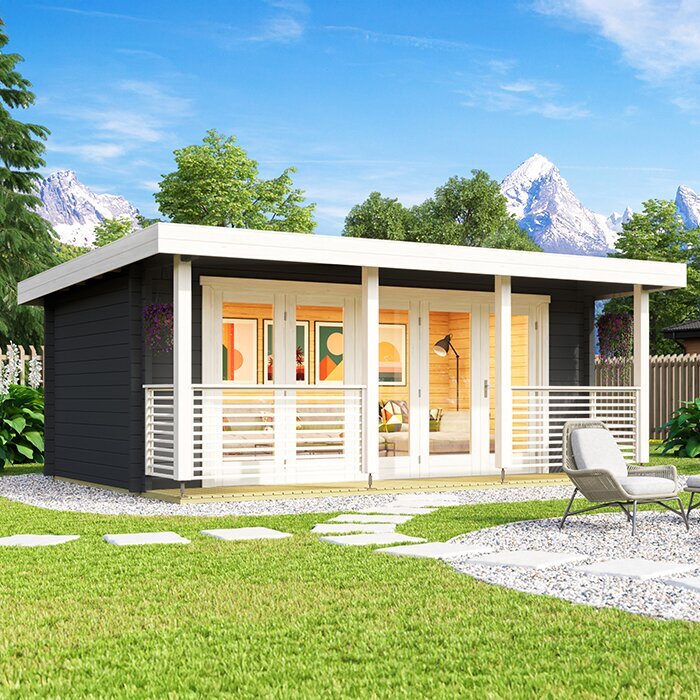
Base requirements depend on the particular shed and the site, so check the manufacturer’s written guidance before arranging ground preparation. Confirm the required dimensions and any instructions about the supporting surface or fixings, then ask a qualified professional if you are unsure how those requirements apply on your property. Don’t copy a base design from a product photograph or assume that one approach works for every site. Check whether preparation is included in the order or needs to be organised separately, and make sure the work is complete when required for the planned assembly.
For delivery, check the route you measured against any information the seller provides about the delivered components and unloading. Arrange for someone to receive the order if the property will be empty, and confirm who is responsible for moving components from the delivery point to the site. Clarify what assembly instructions, tools or labour are needed and whether you will do the work or book a qualified installer. If access is difficult or the route changes between the road and the shed position, explain that before ordering so the delivery and assembly arrangements can be confirmed rather than assumed.
Compare the complete order before deciding
Use the same comparison points for every shortlisted product: external and internal dimensions, door opening, documented construction and care requirements, stated base needs, included fittings and assembly instructions. Mark unknown details as questions instead of filling gaps with assumptions. The tool shed S listing can be reviewed in the same way as the other product pages; its identity does not tell you what is included or whether it meets your requirements. Check the product information and confirm any important detail that is missing before you commit.
Compare the total cost of getting the shed ready for use, not only the listed product price. Depending on your plan, the full amount may also involve site preparation, delivery, assembly, shelves or other fittings, and future maintenance; verify each item rather than assuming it is included. Check the delivery arrangements for your property address and confirm any terms that affect receiving or assembling the order. Keep the product details and care instructions with your property records. A written comparison makes it easier to see which option meets your actual storage needs without paying for features or space you have not established you need.
Frequently asked questions
What should I store in a garden shed at a holiday home?
Start with equipment and supplies you use to maintain the property, then include seasonal items you want to leave on site. Check each item’s storage instructions, especially if it is sensitive to heat, damp or ventilation. Don’t assume a garden shed provides the same conditions as a house or is suitable for every type of stored item.
How do I work out what size shed I need?
Measure the largest items you plan to store, including handles or attachments, and allow room to get them through the doorway and move around them. Compare those measurements with the shed’s stated internal dimensions and clear door opening, as well as its external footprint. A floor-area figure alone won’t tell you whether everything will fit.
Should I check the site before ordering?
Yes. Measure the proposed footprint and the route from the delivery point, including gates, narrow turns and overhead obstructions. Check what base the particular shed requires and ask a qualified professional if site preparation is unclear. Local requirements can vary, so confirm whether any approvals or clearances apply to your property.
What matters if the property is empty for long periods?
Consider the shed’s documented care requirements, the conditions your stored items can tolerate and who can inspect or maintain the building while you’re away. Agree how keys and access will be managed if someone else looks after the property. Take valuable or condition-sensitive belongings with you unless their storage needs can be met.
Do garden sheds come with everything needed for assembly?
Don’t assume that the shed, base, fixings, shelving or assembly service are all included. Check the individual product details and ask the seller to clarify anything that is not stated. Confirm who is responsible for site preparation and assembly, and follow the product instructions or seek qualified help where needed.
A holiday-home shed is easiest to choose when its role is clear: keep the right equipment on site without creating a building that is difficult to reach or care for. Use your inventory and measured site as fixed requirements, then compare only options with documented dimensions, access details and maintenance guidance that suit them. Confirm the base, delivery and assembly arrangements before ordering, so the shed supports the property between visits rather than adding another job each time you arrive.
