
Can You Put a Hot Tub on a Deck? What to Check First
Site preparation
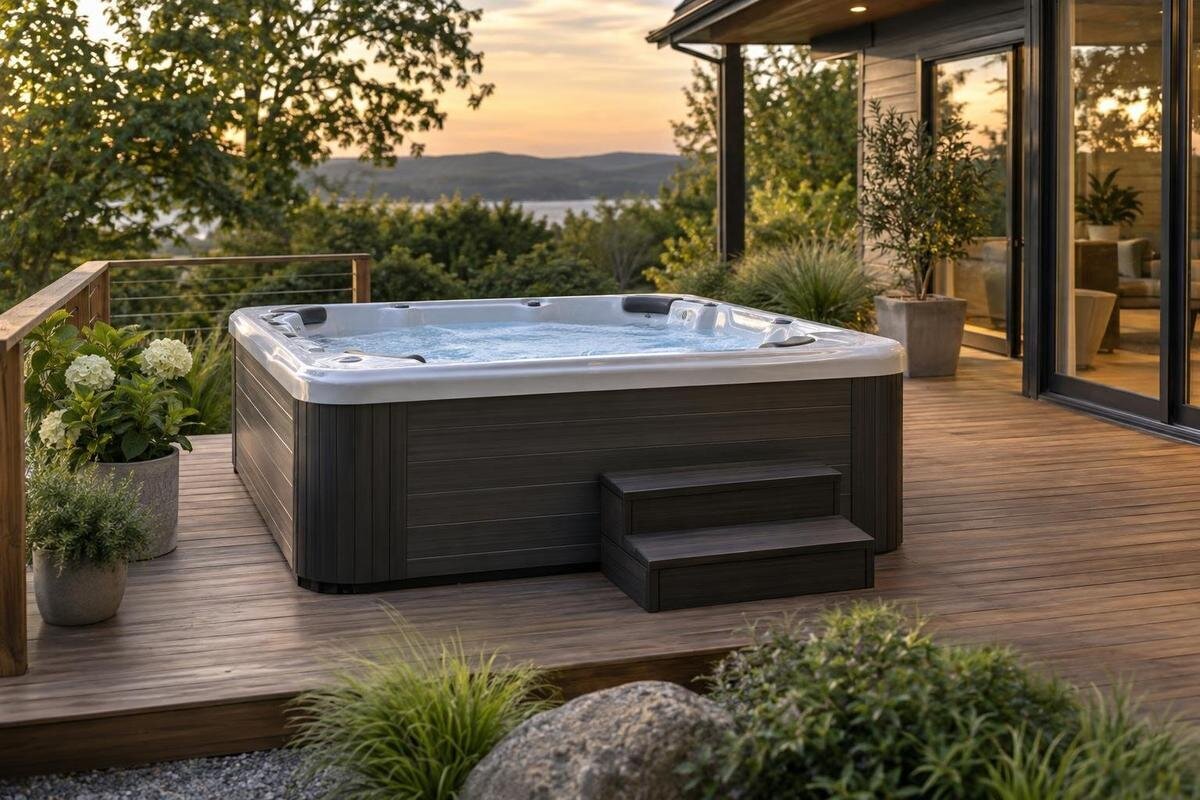
An existing deck can look substantial and still be unsuitable for a hot tub. Appearance, board thickness and how the deck feels underfoot cannot establish its structural capacity. The load includes the tub, its water and the people using it, while the exact footprint and position affect how that load reaches the ground. There is no reliable yes-or-no answer without information about both the model and the deck. Before committing to a purchase, obtain the manufacturer’s current weight and support information and have a structural engineer assess the proposed installation.
Before you order 1
Why a hot tub’s loaded weight matters
Start with the hot tub’s weight in the state it will be used. The empty unit is only one part of the total: water adds weight, and people using the tub add more. Product information may present several figures, so establish whether each one is an empty, filled or operating weight, what fill conditions it assumes, and whether occupants are included. Ask the manufacturer for a clear figure for the intended setup, or for the separate information an engineer needs. Don’t substitute a nominal water capacity, a guessed number of occupants or a figure from a different model.
That total has to be assessed against a real load path. The tub’s support arrangement transfers force to its bearing surface, then through the deck’s framing, connections and footings to the ground. These parts cannot be treated as one generic surface with a universal weight limit. How the tub is supported and where it sits both matter, as do people moving in and out. A quick division across boards or a calculation based on visible area is not a structural assessment. If the Bloomcabin hot tub Cove 2 is on your shortlist, request its loading information and confirm what each figure includes before passing it to the engineer.
What a structural engineer needs to assess
An engineer needs to examine the structure carrying the load, rather than judge only the deck boards. They may need to establish the joist type, dimensions, spacing, direction and unsupported spans, then trace how the joists connect to bearers or beams. The position and support of posts, footing details and connections between each part of the load path matter too. How the deck connects to the house or another structure may also affect the assessment. Cantilevers, openings or later extensions can change what needs to be examined. One strong-looking member cannot establish the capacity of the whole frame: the engineer considers how the parts work together at your site.
Provide any plans, previous engineering documents, renovation records or photos of the deck’s underside, but don’t assume old paperwork describes what is there now. The engineer may need to visit the site, confirm measurements and inspect areas that are not visible from above. If a connection or footing is concealed, ask whether further investigation is needed and what can be concluded without it. Tell them about later alterations or repairs. Share the proposed hot tub location and the manufacturer’s current weight and support instructions. If you are considering the Bloomcabin Hot Tub Haven 6, include its exact model name when requesting the documents so the engineer receives information for the unit you intend to buy.
Before you order 2
How the proposed position changes the assessment
Two possible positions on the same deck can create different structural questions. A tub placed over a line of support is not automatically acceptable, and putting it near an outside wall, edge or post is not automatically safer; the framing layout, spans, supports and connections determine how forces travel. Cantilevered areas, stair openings, access hatches or later extensions may affect the available support. Treat the exact spot as part of the design brief, not a minor detail to settle after an engineer has inspected the deck. If joist directions or support lines are unknown, don’t guess from the board pattern; let the assessor establish them.
Give the engineer a plan showing the tub’s footprint, orientation and proposed position in relation to deck edges, walls, posts and openings. If you are considering the Bloomcabin Hot Tub Fjord 8, use its confirmed footprint rather than estimating dimensions from a product photograph. Add site photos and note any areas beneath the deck that cannot be inspected. Manufacturer information on contact points or the required supporting surface can help the engineer relate the tub to the frame. Ask for the assessment to refer to that precise position, rather than relying on a general statement about the deck. Don’t shift the unit later because another corner looks more convenient; a change may require the engineer to review the arrangement.
Deck condition is part of the assessment
Surface appearance cannot reveal every condition that affects structural suitability. Report clues such as soft or decayed timber, persistent damp, insect damage, corrosion at metal connectors, cracking, movement, unevenness, sagging or a history of repairs. These signs are not a way for an owner to diagnose capacity; they help the engineer decide where closer inspection may be needed. Include problems that appear intermittently, such as water exposure after rain, and note when you first noticed them if you know. Don’t cover, patch or conceal a suspect area before the site assessment.
The underside and the connections can be more informative than the deck surface, yet parts may be hidden by cladding, garden beds or later work. Tell the engineer about replaced boards, added posts, removed walls, extensions and other changes; apparently sound boards do not confirm that the supports or footings are sound. Keep photos of visible areas and any existing plans, but let the professional determine which details matter. If the Bloomcabin hot tub Aurora 10 is your preferred model, provide its loading information alongside these condition records. The engineer needs to consider both the proposed load and the condition of the structure that would carry it.
Before you order 3
Which manufacturer details to get in writing
Request current information for the exact model and version, not an estimate based on a similar-looking unit. Ask for the empty and filled or operating weights, the fill conditions behind any stated figure, and whether occupants are included. If they are excluded, ask the manufacturer what information the engineer should use; leave the engineering treatment to the professional. Also request the hot tub’s external footprint, its support contact points or base arrangement, and the manufacturer’s instructions for what it must sit on. Ask whether the published figures describe the complete supplied unit. These are separate facts: a footprint alone does not establish how weight is transferred.
Ask for a technical sheet or written advice that can be passed to the engineer, including any conditions on support, orientation or the intended loaded state. Confirm that the document names your selected model and version; numbers in product names do not tell you seating, dimensions or loaded weight. If online material leaves an item unclear, ask the manufacturer rather than deriving it from a photograph or water-volume figure. When enquiring about the Cove 2 product listing, specify which weight or support detail needs clarification. Keep the response with the technical sheet so the engineer can see how any gaps in the published information have been addressed.
What to provide for a site-specific assessment
Make the proposed installation a defined brief for a structural engineer with experience assessing decks. Send the exact model’s written manufacturer information, a clear plan marking the intended position and orientation, photos from above and below, and any construction drawings, approvals or alteration records you hold. Note if areas beneath the deck are blocked from view, and flag visible movement, water damage or repairs. If you are still comparing models, don’t ask for a general opinion about a hot tub category; ask what information the engineer needs for each candidate and whether the proposed position can be assessed with the material available.
Ask for a written opinion that addresses the existing deck, the particular unit and the proposed location, and states what assumptions or limitations apply. If strengthening is needed, ask for the engineered scope and any conditions that must be met before use; if the evidence is incomplete, ask what further inspection is required. Clarify whether the assessment covers the framing and footings, and how completed work is to be checked. The response needs to relate to the actual footprint and loaded-weight information supplied, not just the word spa. If your brief refers to the Haven 6 catalogue entry, make sure the written opinion identifies that model and the manufacturer information used in the assessment.
Before you order 4
Check local requirements before changing the deck
Structural engineering is only one part of deciding whether the proposed work can go ahead. Approval pathways and building requirements depend on where the property is and what is being installed or altered; don’t assume one rule applies across Australia, or that an existing deck approval covers a new load. Ask your local council or relevant building authority which approvals or referrals may apply to the hot tub and any deck changes. A building surveyor, building certifier or other local building professional may be able to clarify the process for your area. Ask about the proposed installation and any structural alteration rather than treating them as the same question.
If the property is in a strata scheme, check any body corporate or owners-corporation process before arranging work. Keep the engineer’s report and the exact manufacturer documents together for enquiries, and ask whether a separate submission or inspection is needed rather than treating the structural report as a blanket approval. Include the proposed position and any planned modifications in your question. Record the authority or professional you spoke with and any conditions they describe; if advice is unclear, ask where the applicable requirements are documented. Confirm the process before construction or changing the order.
When deck strengthening is worth assessing
If the engineer finds the existing frame unsuitable, that does not automatically mean the whole deck must be replaced, but neither does it mean an extra post will solve the issue. An engineer may investigate whether designed strengthening is feasible, considering joists, bearers, posts, connections and footings together. The appropriate scope depends on what the inspection finds and on the site; adding support in one place may transfer load elsewhere. Ask for a specific engineered proposal tied to the chosen hot tub, its confirmed loading details and its exact position, rather than relying on a generic retrofit suggestion.
Any design should make clear what work is required, who can carry it out and what must be checked after construction. A changed connection, relocated post or different footing can depart from the design, so ask the engineer how completion should be confirmed and whether a follow-up inspection is needed. Don’t alter structural members on the basis of general online advice. Confirm any local approval process before work starts and keep records of the final arrangement. If strengthening is complex, disruptive or cannot be assessed confidently, compare it with another location using professional advice rather than guessing what may be easiest.
Before you order 5
Choosing a ground-level location
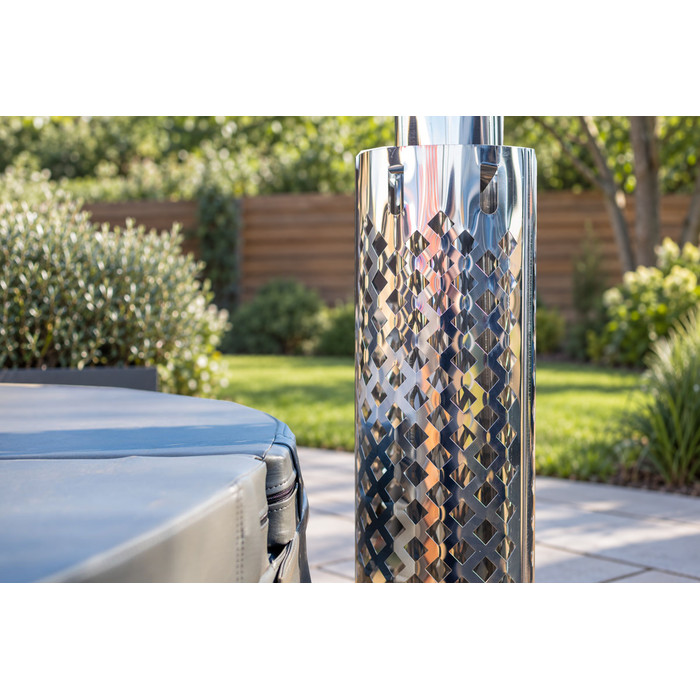
A ground-level position can be worth comparing if the deck is unsuitable or its condition is uncertain, because it avoids asking the raised deck to carry the tub’s loaded weight. It is not automatically ready: the surface and underlying ground still need to meet the chosen manufacturer’s support instructions, and a qualified professional may need to assess the site. Keep that question separate from the deck report; a conclusion about the deck does not certify a different place on the property. Check which location can be supported as specified before changing the plan.
Compare the options using written information. For a deck, that means the engineer’s view of the frame, footings, proposed position and any specified strengthening; for a ground-level site, it means the manufacturer’s support requirements and any site assessment needed. Don’t move a tub to a patio, paving or lawn on the assumption that ground contact resolves every support question; different surfaces still need to be checked against the relevant instructions. If you are comparing locations for the model in the Aurora 10 listing, use the same confirmed loading and support details for both options. This keeps the comparison focused on whether each site can meet that model’s requirements.
What to settle before placing an order
Make sure the same proposed model, loading state and position appear in the manufacturer information and the engineering brief. The manufacturer should clarify filled or operating weight, whether occupants are included, the footprint and the support arrangement. The engineer’s written response should address the deck and location against those details, noting any assumptions, limits or required strengthening. If the product is still undecided, or only an empty weight or image is available, the assessment may not answer the question you need. Hold the decision until missing information is resolved rather than treating uncertainty as approval.
Once the assessment is complete, there are three practical outcomes: the engineer confirms the existing deck is suitable under stated conditions; engineered strengthening and any applicable local approvals are needed first; or the deck is not a workable location and you assess a ground-level alternative. Before ordering through the Fjord 8 product page, check that this is the model covered by the structural opinion and that any conditions are clear. Keep the final model choice, position and required work together in your purchase planning. If any of these changes, ask the engineer whether the assessment still applies rather than assuming the earlier conclusion carries over.
Frequently asked questions
Can I tell by looking at the deck whether it will support a hot tub?
No. The deck surface does not show the full frame, connections or footings, and appearance cannot establish structural capacity. A structural engineer needs the proposed tub’s confirmed loading information and position, along with details of the deck, to give a site-specific assessment.
Does a number in the hot tub’s name show its capacity?
Not unless the manufacturer explicitly confirms what it means. Treat a model number as part of the product name, not as evidence of seating, dimensions, loaded weight or suitability for a deck. Request current technical information for the exact model.
Should the tub go directly over a bearer or post?
There is no universal best position. The frame layout, supports, connections, tub footprint and its specified support arrangement all affect the load path. Give the engineer the exact proposed location and ask them to assess it rather than choosing a spot based on a general rule.
Can an existing deck be strengthened for a hot tub?
Possibly, but that depends on the assessment. An engineer may specify strengthening, further investigation or a different location. Do not assume adding a post or replacing a board will resolve the issue; any structural work needs to follow a site-specific design and applicable local requirements.
Should I pause an order if the filled weight is unclear?
Yes. Ask the manufacturer for the exact model’s filled or operating weight, whether occupants are included, and the support requirements. Without those details, an engineer may not be able to assess the proposed arrangement fully. Avoid treating missing information as confirmation that the deck is suitable.
A hot tub on a deck is a site-specific structural question, not a decision to make from appearance or a general capacity rule. Confirm the selected model’s loading and support details, then have the engineer assess the deck at the exact proposed position. If the existing structure cannot support that arrangement, investigate engineered strengthening or compare a ground-level site. Proceed only when the product information and site-specific advice address the same setup.
