
Child-safe windows: restrictors, handles and opening types

Planning windows for families
Picture a toddler moving a chair towards a window, an older child wanting to ventilate the room independently and a bedroom that still needs a quick evening airing. No single fitting resolves all those needs. Instead, consider whether the opening is within reach, the distance the sash can travel and the people permitted to use it. Locks, restrictors and fixed, single- or double-sash designs each address a different part of the problem. Looking only at the handle can leave furniture placement, opening direction, cleaning and household ventilation habits unresolved. Review every room, window and patio door together so adults can use them sensibly without giving children unsupervised access to a fully open sash.
Check before buying 1
Start with use, not accessories
Having children at home does not make every window equally hazardous. What matters is its location during an ordinary day. Could the handle be reached from the floor or by climbing onto a bed, sofa or movable stool? Is the window used during play, and is there a patio, roof or drop beyond it? An upper-storey opening presents a different situation from a compact bathroom window positioned well above the floor. For each room, record the window height, movable furniture, normal airing periods and intended users. This practical survey keeps obvious but secondary details from distracting attention from the genuine risk.
Next, define the job of that particular element. A living area might require frequent short bursts of ventilation and an unobstructed route to the patio, whereas a difficult-to-reach gable may only provide light. If no opening function is required, consider: windows with fixed glazing. These have neither a working sash nor a handle. They cannot, however, provide ventilation or replace an operable element required elsewhere. Assign a main function to every opening—daylight, fresh air, view, access or cleaning—before choosing a lock, restrictor or fixed element.
Opening restrictors: controlling sash travel
A restrictor sets the permitted range of sash movement, so the available gap is not governed only by whether an adult is watching. On a window used regularly, this may provide a useful position for airflow without allowing full travel. Its operation must match the specified window and fittings. Ask whether it remains engaged during normal use, how an authorised person releases it and how far the sash can then open. Without knowing the system, installation arrangement and assessed risk, one nominal measurement cannot be treated as a dependable limit for every project.
Cleaning and ordinary operation are also affected by a restrictor. Limited travel may make parts of the sash difficult to reach, so a designed release can be useful, provided it does not become a routine way to leave the window unsecured. Confirm that curtains, flyscreens, sills and heaters do not make the reduced opening impractical. For two sashes, decide whether both receive the same restriction or one becomes the usual ventilation sash. Write down the household procedure: the people authorised to disengage it, the point at which it must be reset and the storage place for keys or release tools. That provides clearer guidance than a broad request for child-safe fittings.
Check before buying 2
Putting lockable handles in context
When locked, this type of handle prevents the usual turning action. It suits a window that an adult may occasionally need to open completely while keeping that operation unavailable to children. A locked handle does not, by itself, reduce the movement of a sash that has already been opened. The handle controls access to operation; the restrictor controls the permitted opening distance. They therefore address different risks. If locking occurs only after ventilation has finished, the protection applies once the sash has been returned to its closed position. Its practical effectiveness depends on everyone following that step reliably.
Before selecting a handle, test the action on a display model or comparable window. Check whether the key works smoothly, is readily distinguished from others and leaves no doubt about the handle position. Where a carer must operate several locks morning and evening, establish one secure storage location for the keys. Leaving a key in the handle removes the intended barrier. A common handle design may still require different routines in a child’s bedroom, guest room and shared living space. The window schedule should therefore identify both the normal lock setting and the adult responsible, rather than stating only that the handle is lockable.
Opening type as part of the protection plan
An inward-opening sash swings into the room. Its movement is easy to see and furniture can be positioned around it deliberately, but it must clear beds, desks and shelves. An inward-opening single-sash window offers a simple arrangement, although its safety in a family home still rests on the room layout, handle and any restriction fitted. Outward-opening designs preserve indoor space but may interfere with balconies, exterior paths or shading devices. Treat opening direction as one design consideration, not as a safety measure in itself.
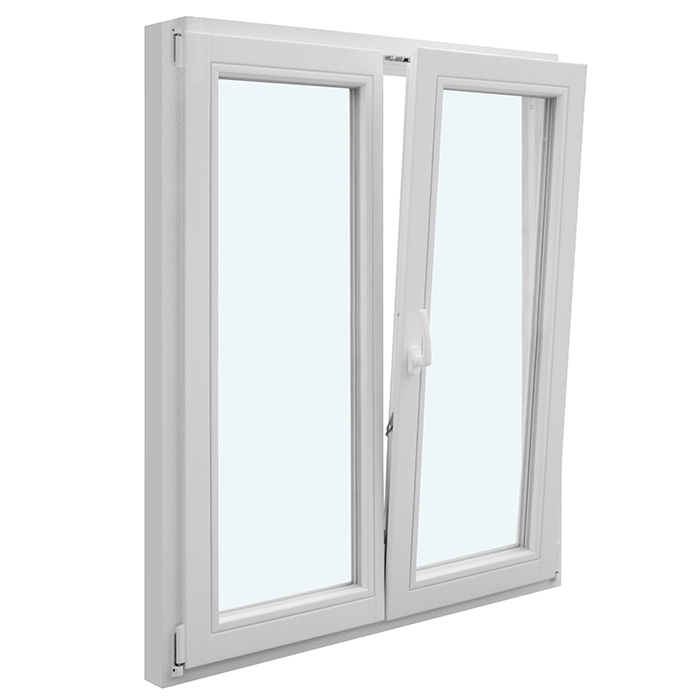
Two sashes create more operating decisions. Decide which sash is normally used, whether the second opens only for cleaning or extensive ventilation, and how the protection of both parts works together. An inward-opening double-sash window may create a wide clear opening, but the roles of the primary and inactive sashes, including every handle position, must be unambiguous. Request a demonstration of each intended condition: secured and shut, set for ventilation, opened fully by an adult, then secured again. Clear operating steps reduce the chance of different habits developing after cleaning or a change in furniture.

Check before buying 3
Work room by room, not from a standard solution
A bed, change table, toy storage and eventually a desk can all make a child’s bedroom window easier to climb towards. Consider future layouts as well as the child’s current age; adding a bunk bed may bring a formerly high opening within reach. In living rooms, the critical features may be low glazing, a sofa or patio access, while bathrooms may prioritise privacy and brief airing. Sketch each wall with its windows, fixed furniture and movable objects. The drawing will show whether the handle is truly inaccessible or whether nearby furniture makes its nominal height irrelevant.
For seldom-used, high-level or architecturally unusual openings, fixed glazing can reduce complexity. A triangular and sloping window with fixed glazing is a fixed option for triangular or angled forms. It should not be selected simply to sidestep a protection decision when ventilation, maintenance or access requires that part of the room to open. For each space, answer three direct questions: must there be an opening; must it open completely; and should a child ever operate it? Those answers provide a sounder specification than applying a general description such as “family-friendly”.
Allow ventilation without undermining the plan
A protection measure is unlikely to succeed if it makes airing so inconvenient that the household avoids it. Establish in advance which openings will be used when children are present and whether an adult must remain in the room. The designated window might use a restrictor for its regular airflow setting, with a locking handle controlling operation at other times. Room dimensions, activities and the available openings determine the practical arrangement. Do not improvise with wedged household items or temporary cords. Such measures provide no substitute for compatible fittings and can leave everyone uncertain about whether the sash is properly secured.
Roof spaces need separate consideration. Opening a roof pivot window A pivoting roof window behaves differently from an upright façade window. A bed, raised platform or sloping ceiling can also alter who is able to reach it. During product selection, confirm the intended positions, the cleaning method and the safeguards offered for that particular model. Decide who is expected to close it if the weather changes unexpectedly. If adults routinely disable a feature to save time, it is not serving the household well. A clearer approach for many families is to nominate a few windows for regular ventilation, rather than changing which of the home’s openings are used from day to day.
Check before buying 4
Assess patio doors and low-level elements separately
A patio door serves as glazing and as a frequently used route. Permanent locking may disrupt family routines more than it would on a seldom-opened window, particularly when people move regularly between the house and garden. Decide whether children may use that route freely, only under supervision or only at specified times. This decision informs the handle, any movement restriction and whether another nearby window should handle routine ventilation. Being close to floor level does not create the same circumstances as an elevated opening; consider the exterior surface, steps, balustrades, furniture and intended access together. Test the plan against everyday events: an adult carrying dishes outside, a child following, the door standing open while items are moved, or someone needing to operate it from outdoors. These examples expose arrangements likely to be bypassed. Treat opening, supervision and restoring the secure setting as one complete sequence.
For an inward-opening single patio door keep the indoor sweep clear of furniture and toys. Otherwise, the sash may strike an object and remain partly open without anyone intending it. A lift-and-slide door or another sliding system has its own locking sequence, which the supplier should explain; it cannot be assumed to work like a conventional turn handle. Agree whether a child uses the doorway only alongside an adult or has supervised access appropriate to their age. Make that decision independently of the ventilation strategy, avoiding reliance on the patio door as the household’s sole everyday source of fresh air.
Coordinate the plan with architect, trade professional and family
On a new home, renovation or replacement project, coordinate the sill, window location, furniture and hardware rather than settling each item in isolation. Supply the architect, designer or qualified trade professional with a schedule identifying the room, opening style and direction, intended ventilation setting and access arrangements. Ask for confirmation that each lock and restrictor suits the actual sash dimensions, fittings and selected extras. Suitability must be assessed for the project as a whole instead of inferred from general internet guidance. Include household members responsible for supervision, cleaning and ventilation, because an awkward key location or release action can defeat a sound drawing. Give every unresolved point an owner and a due date, making it clear whether confirmation is still required from the designer, supplier or installer.
Special window forms need early clarity. A round window with fixed glazing contains no mechanism to operate, which may suit a position intended primarily for architectural interest and daylight. If a circular or other special-shaped window needs to open, reach, operation and protection must each be resolved separately. Specify the fittings before production rather than assuming a universal device can be added afterwards. Finish the design meeting with a written schedule showing the fixed elements, restricted openings, locking handles and any adult-only exception for cleaning or full ventilation. Store it with the order records and operating material.
Check before buying 5
Specify and check the order precisely
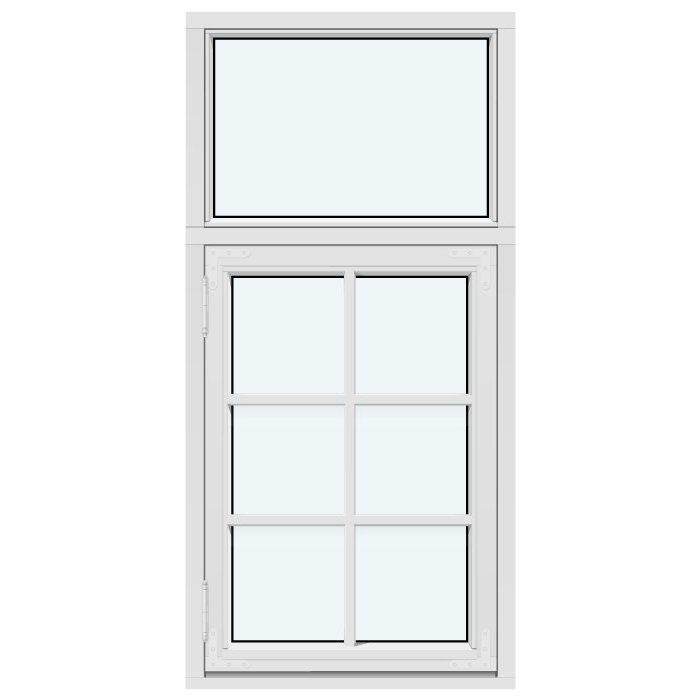
Neither a photograph nor the product name gives enough detail for manufacture. An top-hung outward-opening casement window identifies a direction and method of opening, but says nothing by itself about a lock, restrictor or household procedure. List every requirement as a separate quotation item: the window reference and room, hinge side, opening direction, handle, locking action, restrictor, ventilation setting and release method. Obtain written confirmation that the options work together and whether the hardware arrives factory-installed or requires another task. For a larger order, connect every element to a unique floor-plan and schedule code. Informal descriptions such as “left children’s room” can be interpreted differently in the quotation and on site. Highlight distinctions between similar units, request a revised quotation after changes and do not rely solely on spoken additions when authorising manufacture.
Before authorising the order, reconcile the schedule with both floor and furniture plans. Pay close attention to similar-looking elements with different functions, such as those in a child’s bedroom and study, at ground and upper levels, or in a façade and patio doorway. Verify the hinge side as viewed from inside because it controls the swing area and access to the handle. Obtain the care and operating instructions and agree how each function will be demonstrated at handover. Bloomcabin windows and doors include a five-year guarantee. Delivery is four to six weeks, subject to order confirmation. Neither term removes the need to verify the chosen technical configuration carefully.
Create an understandable routine after installation
Make the handover a working demonstration rather than a visual inspection. Operate each relevant window in its normal, ventilation, restricted and adult-only fully open settings, then return it to the locked condition. Review the room at the same time. A newly positioned chair, basket or step stool may now create access to the handle, while a curtain or flyscreen may interfere with movement. Household changes can alter the original assessment even if the window itself remains untouched. Use the window schedule as the inspection record and sign off each reference separately. Confirm that every key works, each restrictor behaves as specified and the operating sequence has been explained. Note a problem against its individual reference instead of writing one general comment, enabling the appropriate professional to identify whether adjustment, further instruction or another response is needed.
Use one agreed procedure across all adult members of the household, with instructions and keys kept in a known secure location. Explain boundaries to children in a way suited to their age, but do not let the need for rapid ventilation lead adults to unsecured makeshift arrangements. Follow the manufacturer’s maintenance information for moving components and refer unexpected behaviour to a suitable professional instead of modifying fittings yourself. Review the rooms after moving, rearranging furniture or as a toddler grows into a school-aged child. Window safety for children requires suitable hardware supported by habits that can be checked and updated; it is not finished at the point of purchase.
Frequently asked questions
Is a lockable window handle enough for child safety?
It depends on what the safeguard must achieve. Locking the handle can stop someone from operating it normally, but it will not reduce the gap once the sash is open. If ventilation through a limited opening is required, specify a compatible restrictor separately. Have the supplier verify the proposed arrangement for that exact window.
What is the difference between a restrictor and a lockable handle?
The restrictor governs how much movement the sash permits, whereas the locking handle governs who can use the ordinary controls. One may support the other, but their functions are distinct. Choose between them by considering reach, airing and cleaning routines, together with occasions when an adult requires complete access.
Are fixed-glazed windows suitable for children’s rooms?
In selected positions, fixed glazing may work well when the room does not depend on that element for airflow, maintenance access or passage. Removing the opening sash also removes its controls. Because a child’s bedroom will generally still require an effective means of ventilation, treat a fixed pane as one component in the room’s design rather than the default answer for every opening.
Must every window in the home have the same protection?
No. Using identical fittings everywhere can make routines simpler, but it overlooks the purpose and surroundings of each opening. A high window beside stairs, an accessible bedroom window and a patio door used throughout the day present different considerations. Apply one clearly recorded decision process, then vary the measures where the location, use and window design justify it.
What details should I have ready for a quotation?
Prepare the room and window identifiers, measurements, sash count and opening direction, along with the intended ventilation setting and access controls. Note furniture that could assist climbing, plus any cleaning, maintenance or passage requirements. Request written confirmation that the nominated handle, restrictor and fittings are compatible. These particulars allow the supplier to assess a defined window arrangement instead of responding to a broad safety request.
Next step
No accessory makes a window child-safe in isolation. Start by mapping access and realistic climbing routes in each room, then settle the opening design and decide who may operate it. Fixed panes, restrictors and locking handles contribute in different ways. Recording the choices in a window schedule helps the quotation, order and handover remain consistent. Once installation is complete, demonstrate and test each function with its regular users. The arrangement can then support ventilation while remaining understandable and capable of being reviewed when furniture, children’s reach or household routines change.
