
Choosing Firewood for a Wood-Fired Hot Tub
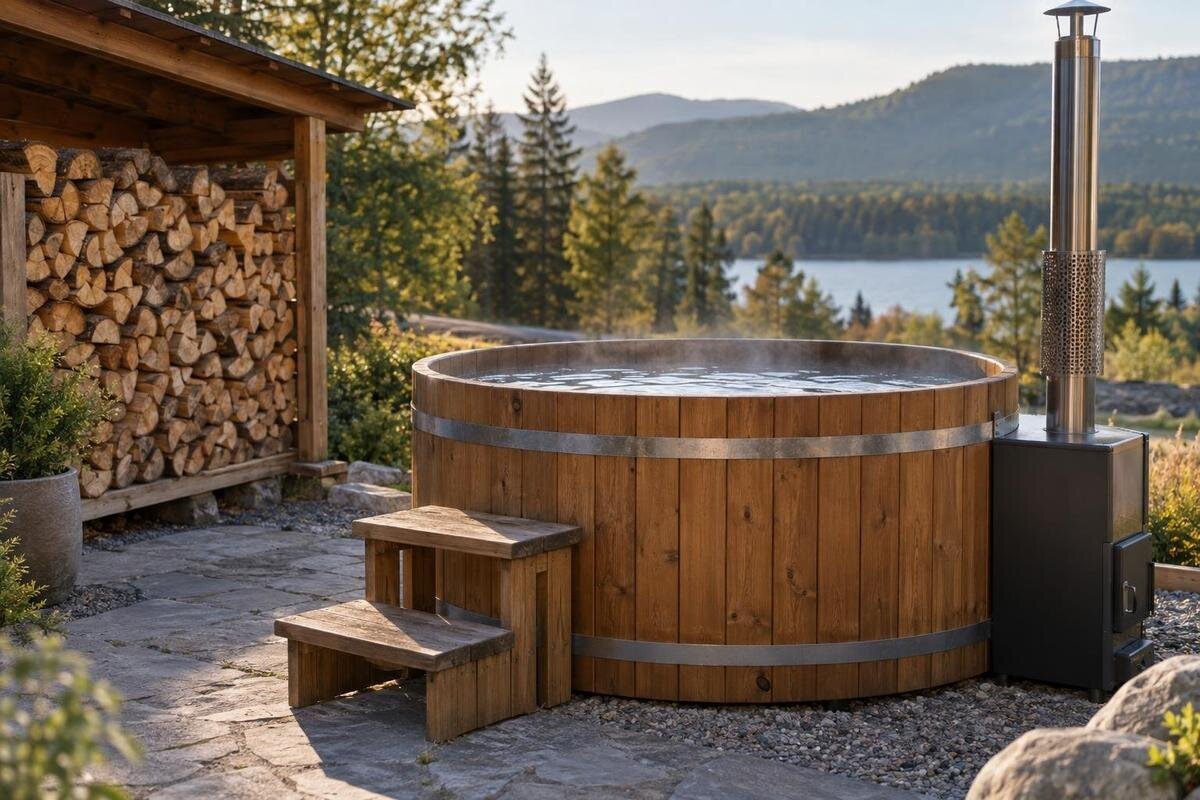
Firewood buying guide
Choosing firewood for an outdoor wood-fired hot tub is not just a matter of picking the densest timber at the yard. Look for wood that the heater permits, that arrives at the right moisture level and size, and that you can store without it getting wet again. A supplier’s description cannot replace model-specific instructions, and suitable fuel does not settle whether you can use the heater under current local fire restrictions.
Read the exact heater instructions first
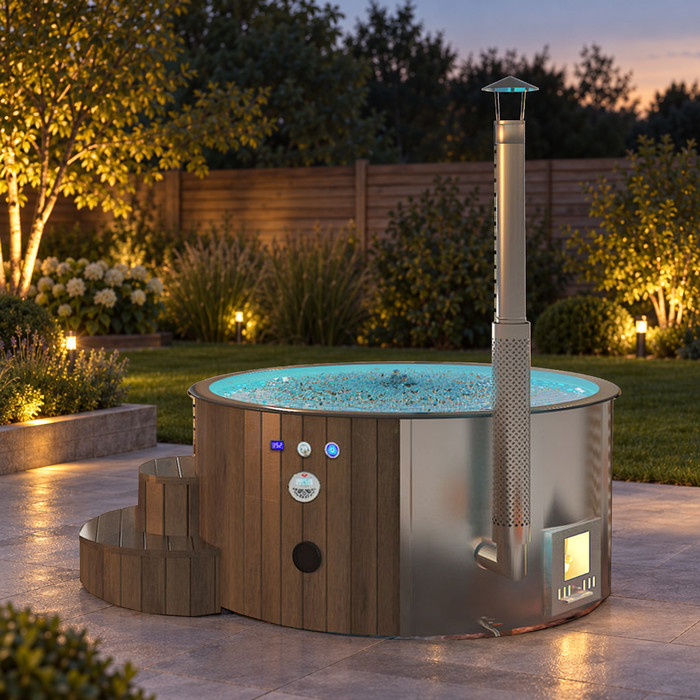
A wood-fired hot-tub heater is not automatically interchangeable with a household fireplace, barbecue, pizza oven or another spa heater. Before ordering logs, identify the exact heater and find its current manufacturer instructions. Check the permitted fuel type, whether a particular wood category or species is required or excluded, and any stated moisture or log-size limits. Instructions may give a range or a measurement method rather than a single target, so note the wording accurately. Do not transfer a friend’s advice or a general firewood seller’s recommendation to a different appliance. If Bloomcabin hot tub Cove 2 is on your shortlist, use the product entry to identify the item, then obtain instructions for that exact model. If its heating system is not explicitly confirmed as wood-fired, clarify that before buying fuel.
Make a short purchasing note before contacting suppliers: the exact model or heater version, permitted fuel categories, named exclusions, any moisture limit and its measurement method, and the log dimensions. Keep the relevant instructions handy so you can compare a quote against them rather than relying on memory. If a key detail is missing, ask the manufacturer or retailer to confirm it for that model; do not borrow a limit from a household stove or another hot tub. Then check whether the supplier’s current stock can meet every requirement. This avoids buying a full load that is dry but oversized, or correctly sized wood whose fuel category has not been confirmed.
Hardwood and softwood: what to compare
Hardwood and softwood describe broad botanical groups, not grades of cleanliness, dryness or suitability. At similar moisture and dimensions, many hardwoods are denser than many softwoods, while softwoods are often lighter and may catch more readily. These are broad tendencies, not a rule that hardwood is always better. Species, split shape and moisture all affect a batch, and the heater may restrict which fuels it can take. A dense hardwood is not a good choice if it is too large or not permitted. First use the manufacturer’s instructions to narrow the allowed categories, then compare the firewood available locally.
Ask whether a load is hardwood, softwood or a mix, and find out which species it contains. A label such as mixed hardwood does not tell you how consistent the batch will be or whether its species are approved for your heater. Compare suppliers on a like-for-like basis, including moisture and split size, rather than choosing by category alone. The Bloomcabin Hot Tub Haven 6 listing can help identify a model you are researching, but the name does not establish whether that unit is wood-fired or what timber its heater accepts. Check the matching manufacturer instructions before choosing between hardwood and softwood.
Compare named timber species, not sales labels
Species can differ in density, ease of splitting and drying, and the way a batch burns. You may see suppliers name ironbark, red gum or spotted gum, while others use a broad description such as Australian hardwood or mixed firewood. Availability and the exact mix vary, so ask which woods are actually included and whether the description covers one species or several. A named species makes quotes easier to compare and gives you something concrete to check against the maker’s fuel guidance. Claims such as premium, slow-burning or high heat do not identify the species or show that it is suitable for your heater.
For mixed loads, ask whether every included wood is within the manufacturer’s permitted list and whether the mix can change between orders. If the supplier uses a local or trade name, ask them to clarify what timber it refers to rather than inferring it from the colour or bark. When comparing fuel for a model such as Bloomcabin Hot Tub Fjord 8, keep the seller’s species list alongside the corresponding manufacturer instructions. The catalogue name alone does not establish fuel compatibility. Record the actual species offered, rather than just mixed hardwood, so you can compare the next quote on the same basis.
Seasoned and kiln-dried firewood: check the batch
Seasoned firewood is generally dried after felling, often after the logs have been split and stored with air circulation. The term does not specify one drying period or guarantee that every seller means the same thing by it. Kiln-dried describes wood dried in a controlled kiln, but the label alone does not prove that the delivered logs meet a heater’s moisture requirements or stayed dry after processing. Storage and handling matter for either type. Treat the terms as useful background about how wood was dried, not as a substitute for evidence about the batch you will receive.
Ask whether the firewood is seasoned or kiln-dried, when its moisture was checked, and whether that information applies to the current stock or just a sample. The exact heater instructions may set a moisture requirement or may leave the matter unclear; do not adopt an online figure by default. If Bloomcabin hot tub Aurora 10 is on your shortlist, identify the exact model and obtain its instructions before comparing fuel. The product name does not specify a drying method or a permitted moisture level. Choose the batch that meets the maker’s stated requirements, not the one with the more persuasive label.
Ask how the moisture was measured
Moisture matters because water in a log has to evaporate during combustion; wet wood can be harder to light and may burn less cleanly than suitably dry fuel. But dry is not a measurable specification, and colour, weight or a crack at the end does not confirm moisture throughout a load. If the manufacturer states a limit, use that figure and its measurement method. Avoid treating a generic firewood recommendation as universal. If the manual is silent or unclear, ask the manufacturer what evidence to use before ordering rather than choosing your own threshold.
Ask the supplier whether readings come from the stock you will receive, how many pieces were tested and where they were measured. A moisture meter reading from a freshly split face is more informative than one from an old outer surface; follow the meter’s instructions. A single showroom log may not represent a delivered load, so ask for a realistic range and whether the batch can differ from the sample. For a model on your shortlist, such as the Cove 2 catalogue entry, compare that range with the matching heater instructions. Keep the reading and measurement method together in your purchasing note; a number without its context is harder to interpret.
Match log length and split size to the heater
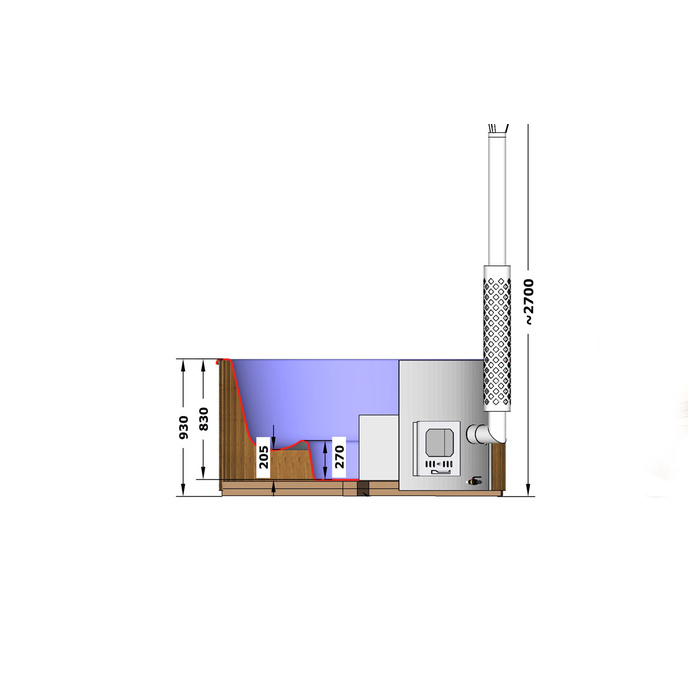
Log length and split size are practical compatibility checks, not details to estimate from a hot tub’s outside dimensions. Follow the heater instructions for any maximum or preferred length, width or diameter, and whether logs need to be split. If no dimensions are stated, ask the manufacturer or retailer for a confirmed limit for that exact model. Do not assume that a log which passes through an opening is suitable for the appliance, or that a number in a product name describes firebox capacity. Buying to a guessed size can leave you with wood that does not fit as intended.
Give the supplier the precise length and cross-section requirements from the manual, then ask how much variation is normal in a load. Clarify whether the stated length is a typical size or a maximum, and whether round, knotted or unusually shaped pieces are included. If the seller cannot guarantee every log, agree how pieces outside the requested range will be handled before delivery. When considering Haven 6, keep its confirmed log requirements with the supplier’s quote so you do not confuse them with another heater’s dimensions. A quote should make clear which size requirements the supplier has agreed to meet, rather than merely describing the load as suitable for a small heater.
Avoid unapproved and unidentified timber
Use clean, untreated natural firewood unless the heater manufacturer expressly permits another fuel. Do not assume that painted, stained or preservative-treated timber, plywood, particleboard, MDF, glued furniture, demolition offcuts or unidentified pallets are suitable because they burn. Coatings, adhesives and treatment chemicals can make the material unsuitable, while a mixed load of waste timber is difficult to verify. A household fireplace’s usual practice is not proof that a spa heater allows the same fuel. If a supplier cannot identify the wood or describes it as recovered building material, choose a traceable firewood load instead of experimenting.
Do not substitute charcoal, briquettes, pellets or coal unless the exact heater instructions explicitly list them. Different solid fuels are not interchangeable by default, and advice written for another appliance may not apply. When researching a product such as Fjord 8, distinguish the manufacturer’s permitted fuels from a supplier’s suggested alternatives. A seller may stock several fuel types, but that does not establish their compatibility with the heater you are considering. If the instructions name a firewood category without mentioning processed fuels, do not treat that silence as permission to substitute them. Resolve any uncertainty before purchase rather than buying an alternative to try.
What to ask a firewood supplier
A useful supplier conversation goes beyond asking for dry hardwood. Ask which species and proportions are in the current batch; whether it is seasoned or kiln-dried; what moisture range was measured, by what method and on how many pieces; and what length and split-size range to expect. Check whether the delivered order will match the sample or description. Also clarify the quantity unit, whether it is a bag, crate or measured volume, and whether delivery is included in the quote. These details let you compare like with like and check the load against your heater’s instructions.
Share only requirements confirmed by the manufacturer: permitted timber, any moisture limit or test method, and the required log dimensions. Ask the supplier whether current stock meets them, what happens if a delivery differs from the agreed description, and how to keep the firewood dry after arrival. A clear answer naming the species and giving a size range is more useful than a broad claim such as best for spas. If you are comparing quotes for Aurora 10, use the same confirmed fuel requirements for each enquiry. Keep the supplier’s description with the quote so any later discussion about the delivery refers to what was actually agreed, not a general recommendation.
Keep the purchased firewood dry
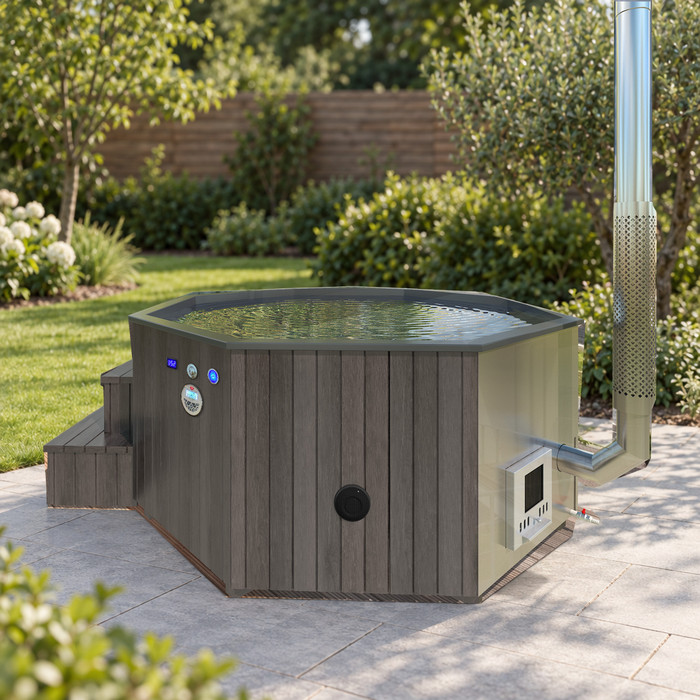
Storage affects whether a batch remains in the condition described by the supplier. Before ordering a large quantity, check that you have a suitable place to protect it from rain and ground damp while allowing air to circulate. Keep fuel away from any locations or clearances identified in the heater manufacturer’s instructions, and follow any storage advice supplied with the wood. Avoid sealing damp logs under an airtight cover and assuming they will dry properly. A practical, ventilated storage space helps preserve the batch you selected; it does not make wood that fails the heater’s requirements acceptable.
Keep different deliveries or species separate and note the delivery date and any label or moisture information. That makes it easier to assess the same batch, rather than mixing new wood with older stock and losing track of its condition. If a load arrives wetter, more varied in size or different from the agreed description, contact the supplier before relying on it. Order a quantity that suits the storage space you actually have, not just the largest bundle on offer. Good storage preserves the qualities you chose and makes the next purchase easier to compare.
Check local fire restrictions before use
Firewood can be a suitable match for a heater yet not be appropriate to use at a particular time or place. Before planning to light a wood-fired hot tub, check current official information for your state or territory and local council area. Confirm that any restriction or notice applies to your location, the appliance and the date you intend to use it. General Australian advice, an old notice, a supplier’s assurance or a neighbour’s experience cannot settle a current local question. If it is unclear whether a restriction covers a hot-tub heater, seek clarification before lighting rather than assuming it is exempt.
Keep the restrictions check separate from the manufacturer’s fuel check. Local fire information does not tell you what wood the heater accepts, and a fuel approved by the manufacturer does not establish whether it can be used in your area that day. If you are buying in bulk, check current information before committing to a quantity that depends on near-term use. Revisit official notices on the day you plan to use the tub, as conditions and restrictions can change. A firewood supplier can describe its product and quantity, but should not be asked to interpret local restrictions.
Frequently asked questions
Is hardwood always the best firewood for a wood-fired hot tub?
No. Hardwood is often denser than softwood of similar size and moisture, but density alone does not make it suitable. Use the fuel category allowed by the exact heater, then compare dryness, species and log size. Softwood may be an option only if the manufacturer permits it.
Is kiln-dried firewood better than seasoned firewood?
Neither label guarantees that a delivered batch meets your heater’s requirements. Kiln-dried describes a drying process; seasoned can refer to wood air-dried for different periods and stored in different conditions. Ask for moisture information about the current batch and compare it with the maker’s instructions.
What moisture level should firewood have?
There is no universal figure to apply to every hot-tub heater. Use the limit and measurement method in the exact manufacturer instructions. If they do not state a requirement, ask the manufacturer what to use, then ask the supplier how and where the batch was measured.
Can I burn treated timber, pallets or building offcuts?
Do not assume these are suitable because they burn in another appliance. Use clean, untreated firewood unless the exact heater instructions explicitly permit another fuel. Treated, painted, glued or unidentified timber can contain coatings or other materials that make its suitability uncertain.
Can I use a wood-fired hot tub during a fire restriction?
Check current official information for your exact location and date, including the relevant state or territory authority and local council. If it is unclear whether a restriction applies to a hot-tub heater, seek clarification before lighting; do not assume that the appliance is exempt.
The most dependable purchase is not a particular hardwood label; it is a traceable batch that matches the instructions for the exact heater. Confirm permitted fuel first, then compare species, moisture evidence and dimensions, and store the chosen load so it stays in the condition described. Check local fire restrictions separately before use. That gives you a practical basis for choosing available firewood without relying on assumptions from another appliance or area.
