
Comparing Greenhouse Warranties: What to Check
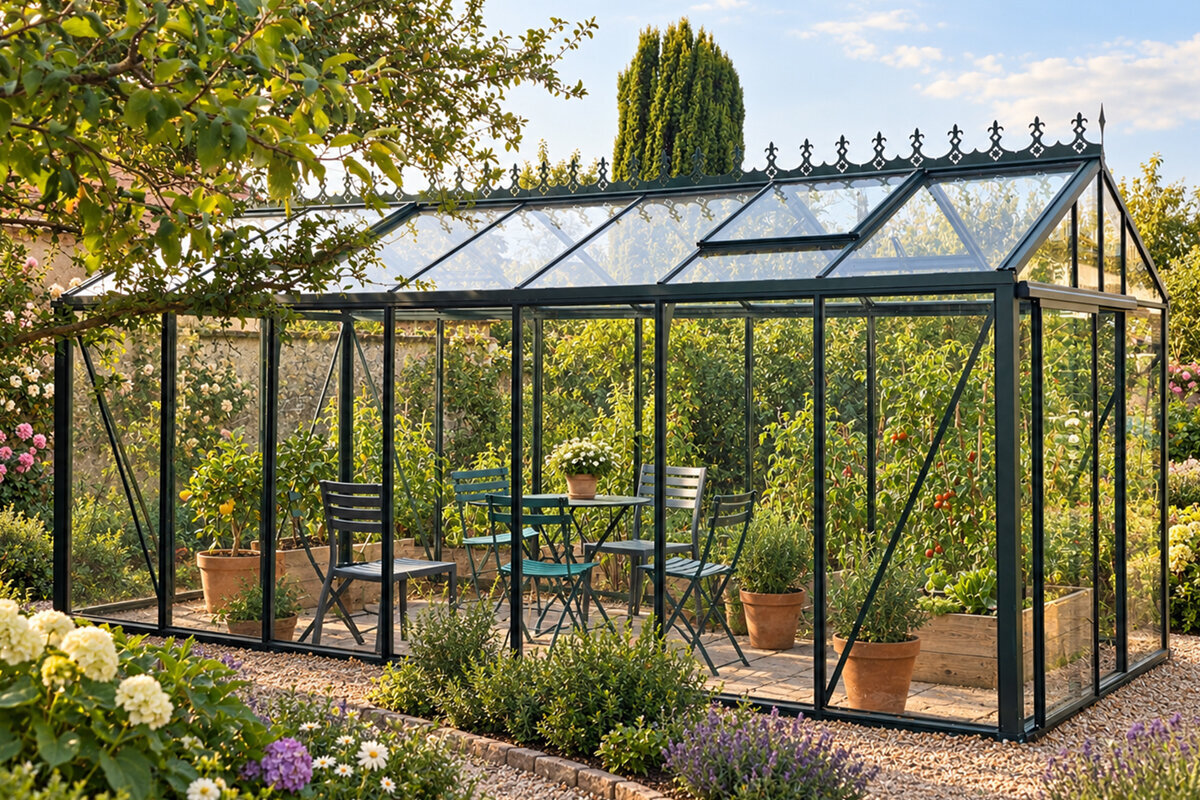
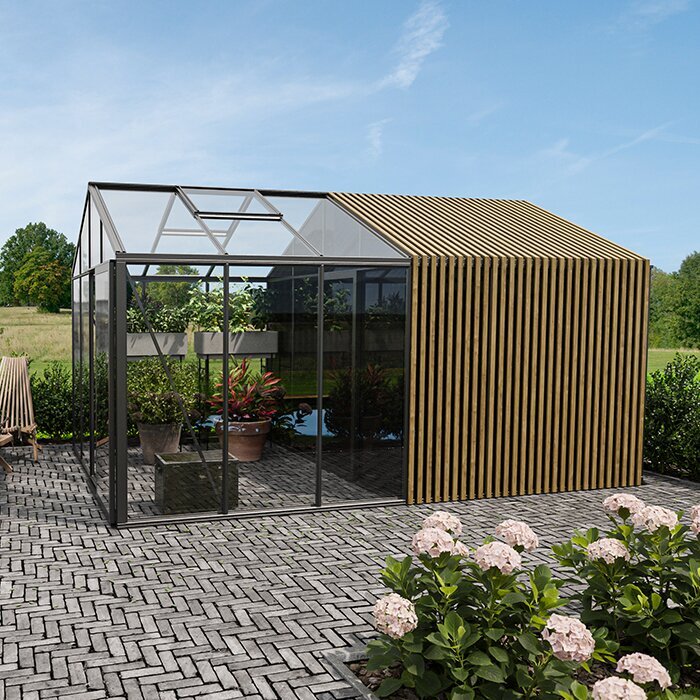
A single duration often dominates how greenhouse cover is presented. A more dependable choice comes from examining the framework, glazing, surface finishes, moving elements, conditions and spare-part arrangements separately, because each may be governed differently. That component-level view shows the protection potentially available in the circumstances concerned.
Pay close attention to the boundaries among defective materials or manufacture, everyday wear, faulty assembly and harm caused by external forces. Goodwill assistance, rights under consumer law and a manufacturer’s warranty are distinct concepts. Go beyond promotional headings and examine the governing terms and product paperwork.
This guide offers a practical method for Australia: which questions matter before purchase, how to assess exclusions sensibly and what documents to retain. It turns a marketing promise into a comparable part of your planning, suited to the site, intended use and desired service life.
Step one
Separate warranty types clearly
A manufacturer warranty is an optional promise made in addition to the sale. Its scope comes from the accompanying written terms, not automatically from the contract. Australian Consumer Law guarantees are separate, with their own requirements and remedies. When comparing offers, identify precisely the promise under review and the component or fault to which it applies.
“Frame warranty” can mean different things. Does it cover defective materials and workmanship, or only nominated damage to structural profiles? Determine whether the stated response is repair, supply of a part or complete exchange. Record each offer’s wording, conditions and remedy so unlike promises are not treated as equal.
Classify each statement as a consumer-law right, an optional warranty, goodwill assistance or a distinct arrangement for spares.
Check that the terms suit the offered model, purchase date and intended use.
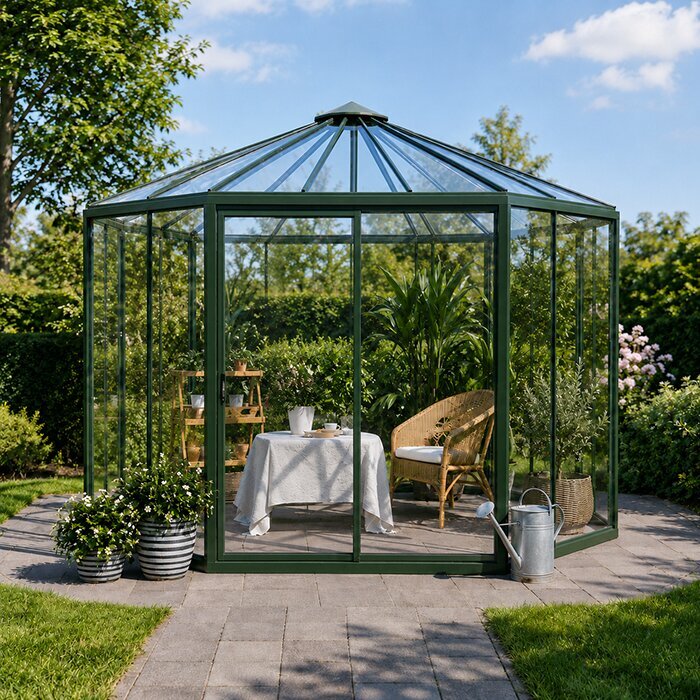
For a straightforward reference, consider a standard Classic greenhouse with clearly assigned product documentation.
Step two
Review the greenhouse framework
Structural review should extend beyond visible aluminium sections. Check exactly which elements are named, including whether doors, joints and fasteners form part of the promise. Foundation and assembly instructions matter too. Where correct erection is a condition of warranty protection, those instructions should inform the site choice before any work starts.
Consider the language used for structural defects. Corrosion, breakage, distortion and functional failure describe different issues. Material causes may explain some damage, while loading, modifications or unsuitable assembly may explain others. Keep a record of delivered components, the build and subsequent changes. It gives a documented baseline if an issue needs consideration.
Find out whether foundations, anchoring and assembly are governed by explicit warranty requirements.
Set the wording for structural members, connections and moving elements beside each other for direct comparison.
For a wall-side design, consider a full-size classic Lean-To greenhouse under its own assembly conditions.
Step three
Examine glazing materials and defect categories
Because glazing material, installation and use are interconnected, inspect its terms closely. They should indicate whether cover addresses glass manufacturing faults, fit or other characteristics. See whether broken glass, scratching and externally caused damage are specifically excluded. These practical boundaries can be more significant than a broad warranty description.
Consider the complete glazing assembly rather than the sheet or pane alone: seals and the holding system may also be involved. If water enters, for instance, several possible sources exist. Record the supplier’s method for inspecting the problem and deciding which part is responsible. Confirm whether an approved replacement can cover the component itself, delivery, labour, or only one of those items; warranty protection is not all-inclusive. Note any prescribed defect-assessment procedure as well. Precise criteria make signs such as colour change or delamination easier to classify. Finally, ensure that the stated care routine is clear and practical for your site and usual cleaning methods.
Check glass, gaskets, glazing strips and use-related damage for distinct clauses.
Take early photos of anything unusual, then leave the area unchanged until the supplier responds.
For a glazed standard Classic greenhouse keep the glazing terms separately filed.
Step four
Put finishes and surfaces in perspective
Coated aluminium shapes a greenhouse’s appearance, but cover for it may be more limited than anticipated. See whether terms separately address colour variation, gloss changes, chalking, peeling and corrosion. Required maintenance is also relevant, since deposits, aggressive cleaning agents and persistent moisture may influence assessment of later damage.
Give the setting equal attention. Water splashes, horticultural chemicals, leaf litter, airborne salt and nearby grime can affect finishes in different ways. None of this makes coating protection pointless, but it should shape expectations. Ask how often cleaning is advised and which products are acceptable, then store that guidance with the receipt. Once construction is complete, add photographs to the component schedule. Capture seals and fittings, not merely the parts that move. If a concern arises, those records let you identify the item accurately while avoiding premature conclusions about either its cause or whether the warranty applies.
Distinguish visual changes from impaired function, and compare the relevant definitions.
Before making additions, holes or fresh coatings, ask whether the work could alter warranty eligibility.
For a full-size classic aluminium Lean-To greenhouse the wall junction and aluminium profiles need a coordinated maintenance approach.
Step five
Build spare-parts planning into long-term ownership
Warranty protection and spare-part access are related but answer different questions. One concerns when a defect may qualify; the other concerns identifying, sourcing and exchanging components during use. Confirm the ordering process and required details. Retain the model designation, purchase date, photographs and component schedule for later enquiries.
An orderly parts system is especially helpful for items that move or are handled regularly, such as gaskets, hardware, door wheels and fasteners. Normal wear may apply to these items, so their replacement does not necessarily fall within a warranty. Even so, routine inspection, care and eventual renewal belong in an ownership plan. Read every exclusion alongside the assembly and maintenance duties. General language becomes meaningful only when connected to the action required for your particular greenhouse. Record unanswered questions and obtain an explanation of ambiguous conditions in writing before you commit to the purchase.
Keep the build guide, component schedule and purchase confirmation where each item can still be matched accurately in future.
Confirm the information needed to request a spare and whether images alone can establish its identity.
A documented standard Classic greenhouse makes it simpler to identify parts in later enquiries.
Step six
Interpret exclusions accurately
Exclusions define the limits of a voluntary promise; they are not necessarily a concealed weakness. They commonly address unsuitable installation, insufficient care, modifications, wear and externally caused damage. Consider them together with the faults that are included. That helps show whether a given risk might involve warranty cover, separate protection or routine maintenance.
Take note of provisions about DIY repairs and parts that have not been approved. Changing a component before investigation may obstruct assessment. If damage appears, document its condition, review the written terms and follow the nominated contact route. Seek a specific opinion from your insurer on insurance or building matters. File claim correspondence with the original papers, including messages, photos and information about the affected part. This record helps distinguish possible causes and answer later questions.
Highlight exclusions associated with the location, assembly, upkeep, modifications or forces outside the product.
Judge exclusions by their clarity and practical effect on the proposal, not simply by how many appear.
For a classic full-size Lean-To greenhouse beside a building clarify responsibilities for connection work in advance.
Step seven
Review how warranty claims are managed
Useful warranty conditions set out the steps between notifying the supplier and receiving a decision. Note the deadline for notice, the material that must accompany it, and whether inspection could occur at the property, through images or by another method. Also identify who selects repair, replacement or a different response. Enter all of this in the table used to compare offers.
Report a suspected fault with complete, neutral detail. Include views from several angles, purchase particulars and a short account of when it appeared, without deciding the cause in advance. Unless urgent protective action is needed, avoid work that would make examination harder. Keep the correspondence with the greenhouse records. The site file should also cover access needed for construction, upkeep and later checks. To operate the greenhouse in line with its documents, important areas must stay reachable. Plan services, plants and accessories with those instructions in mind.
Confirm whether the process specifically calls for a receipt, model reference, images and records of assembly.
Note any distinction among supplied materials, work on repairs and incidental expenses.
Keep the paperwork for a standard Classic greenhouse from Bloomcabin in a durable, orderly file.
Step eight
Consider warranty, site and use together
Relate every promise to the greenhouse you actually intend to build and use. Sheltered backyards present different concerns from exposed blocks; likewise, occasional seasonal use calls for another care pattern than year-round intensive propagation. Before treating the warranty as a major selection factor, review the erection guide, upkeep duties and operating limits. Warranty cover complements good project planning rather than substituting for it.
Include local considerations in your assessment. Ask the relevant authority whether requirements apply to the particular site, foundation or construction. Australian projects should be checked against current state or territory and council requirements for the property concerned. Your insurer may also help explain existing cover. Base decisions on the assessment of your own land and policy, not general guidance.
Assemble a pre-purchase property file containing photographs, a drawing, your foundation proposal and the essential product papers.
Recheck the governing conditions whenever the use, site features or structural connections undergo a significant change.
When planning a full-size classic Lean-To greenhouse for the garden account for local requirements at the same time.
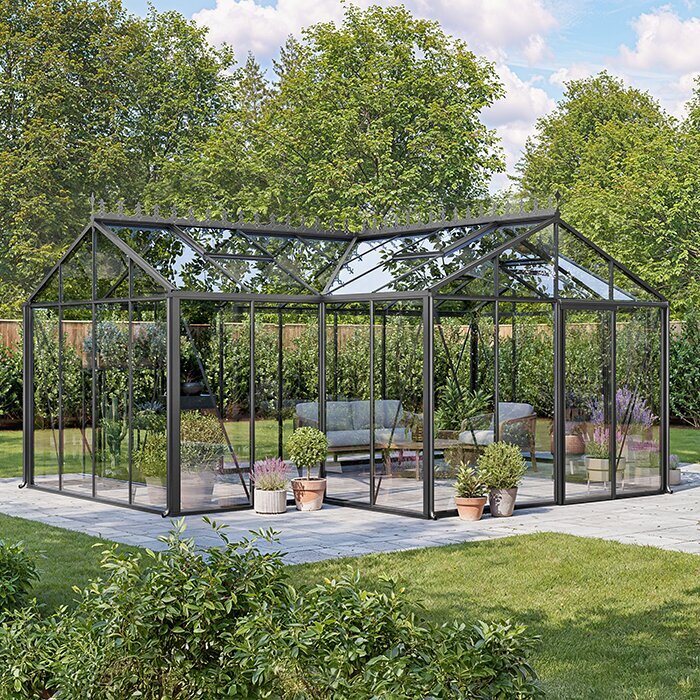
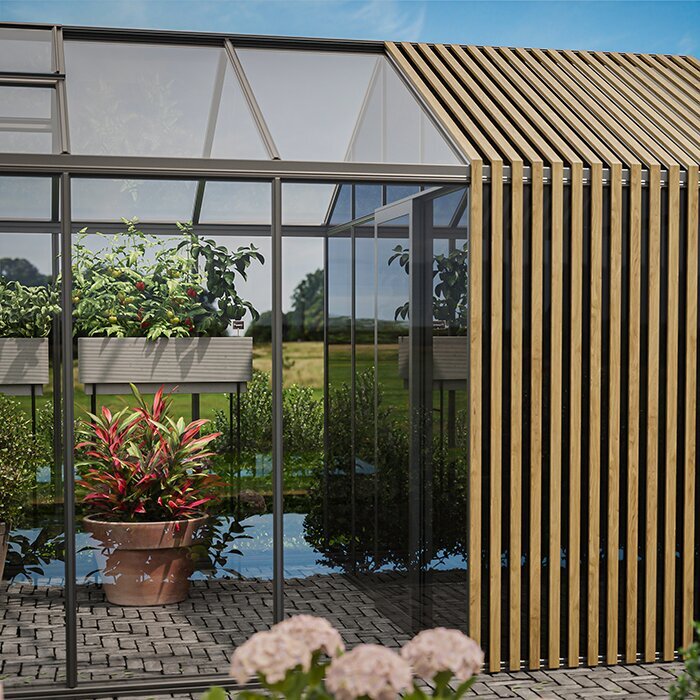
Comparison
Warranty decision matrix
The matrix provides a structure for examining offers; it does not replace original conditions. For every model, note the precise wording, unanswered questions and relevant documents. Differences in coverage and administration then become easier to recognise.
| Review area | What to check | Document or question |
|---|---|---|
| Structure | Clearly distinguish named profiles, connections and fault types. | Request installation requirements and parts list. |
| Glazing | Separate material faults from breakage, scratches and fitting issues. | Check provisions for panes, seals and retainers. |
| Surface | Read visual changes and genuine coating damage separately. | Document care instructions and permitted cleaning products. |
| Spare parts | Do not confuse a warranty claim with ordinary parts supply. | Keep the parts list, model identification and enquiry route. |
| Exclusions | Assess site, installation, alterations and external influences. | Clarify unclear terms in writing before ordering. |
Five steps to a reliable comparison
Start while the design, location and accessories are still open to change. The following five actions organise your reading of the conditions and create records worth retaining throughout ownership.
01
Collect complete documents
Obtain the warranty conditions, erection manual, maintenance directions and component schedule for the greenhouse under consideration. Verify that every document corresponds to its exact configuration.
02
List the components
Give the frame, glazing, coating, doors, seals and accessories their own rows. Against each, record covered faults, exclusions and evidence obligations.
03
Match site requirements
Test the proposed foundation, anchoring, access and maintenance workload against the chosen location. Direct unanswered matters to the seller or appropriate authority ahead of purchase.
04
Check the claim process
Examine how notice must be given and what outcomes may follow. Identify the records to keep and whether altering the product before inspection could complicate assessment.
05
Document the decision
File quotations, conditions, order acceptance and construction papers together. Record your reasons for selecting the configuration so later enquiries can be answered more readily.
Greenhouse pre-purchase checklist
Apply every question to each offer. Where information is absent or ambiguous, obtain the seller’s written clarification before you commit to the purchase.
01. Does the voluntary promise clearly identify every component within its scope?
02. Have you distinguished statutory consumer guarantees, warranty and goodwill?
03. Can all stated foundation, assembly and maintenance duties be met in practice?
04. Which kinds of glazing damage do the conditions include, and which do they omit?
05. Have you read provisions for coating, surface care and visual changes?
06. Can you identify the wear items and the method used to recognise each one?
07. Have you recorded notice deadlines, supporting documents and the correct claim contact?
08. Did you investigate property-specific planning requirements and any relevant insurance protection?
Greenhouse warranty questions, answered
Does a longer warranty necessarily offer more?
No. Length is merely one factor. Examine the nominated components and defects, all qualifying obligations, and the response promised when a fault is accepted. The full conditions, together with assembly and maintenance duties, provide a sounder comparison than the prominent duration alone.
What distinguishes a warranty from statutory consumer guarantees?
Consumer guarantees under the Australian Consumer Law arise automatically and a manufacturer’s warranty cannot remove them. The latter is an extra voluntary undertaking whose limits and conditions are set separately. Both can apply, but they serve different roles. Seek qualified legal advice if you need guidance on a particular contract or right.
Do warranties usually include scratched or broken glass?
Coverage varies. Many conditions separate faults in materials or manufacture from harm caused by impact, fitting, use or outside forces. Consider the clauses for glass, gaskets and retainers as a group, and obtain a written explanation of ambiguity before buying.
How do the foundation and assembly affect warranty cover?
A greenhouse performs as intended only when installation and anchoring follow its stated requirements. For that reason, warranty terms often address assembly, ground conditions and changes to the product. Retain the instructions, build photographs and foundation details. They provide useful evidence if an issue needs to be assessed later.
Does warranty cover always include spare parts?
Not always. A replacement component may form part of an approved claim, while an item affected by wear or other damage might not qualify. Check separately how spares are identified and sourced, and which causes the warranty recognises. A complete component schedule simplifies this task.
Is it worth putting questions in writing before purchase?
Yes—particularly when the answer affects location or intended use. Ask about the relevant part, the condition to be met and the supplier’s process. Save the response with the conditions then in force; recollections of a conversation cannot replace checking those documents.
Greenhouse comparison
Judge the conditions rather than the headline
Meaningful comparison requires separate consideration of the structure, glazing, finish, spare-part arrangements and exclusions. Complete that work while choices remain open: you can gather the necessary papers, resolve uncertainties and test the obligations against the proposed setting and use.
Maintain an orderly file from the initial quotation through to completed assembly. Besides helping you choose on clearer information, a well-designed comparison record supports ongoing maintenance, future parts requests and calm, factual correspondence should a possible fault require investigation.
Browse Bloomcabin greenhouse configurations, then match the product information and warranty papers to the requirements of your planned build.
