
The Complete Guide to Buying a Greenhouse
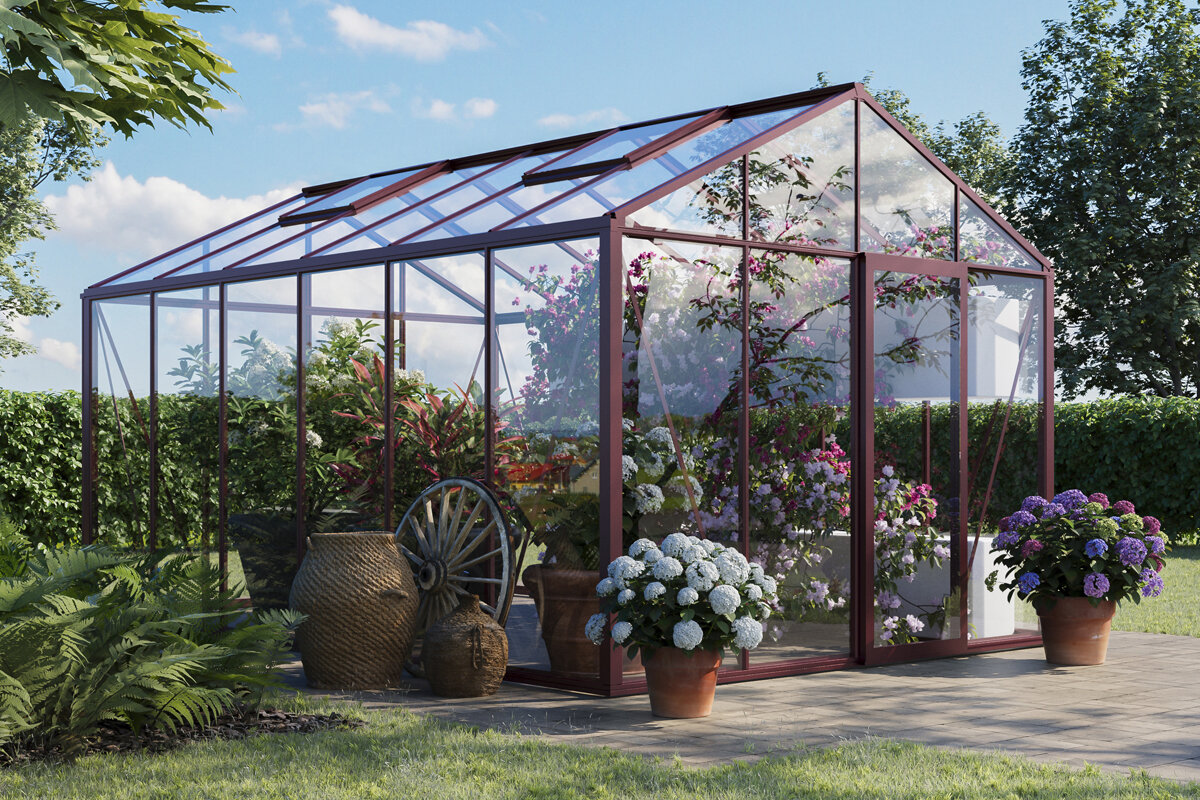
The Complete Guide to Buying a Greenhouse
Introduction A greenhouse can turn a garden into a more productive growing space, giving plants a protected, manageable setting throughout the year. Whether you garden for pleasure or work professionally, selecting the right structure matters. This guide covers the key points for making a well-informed choice.
Why choose a greenhouse? Greenhouses create a stable setting that protects plants from poor weather, pests and disease. They lengthen the growing season and allow you to raise species that would not normally thrive locally. A greenhouse can also improve the garden's appearance and increase property value.
What to consider before buying
- Size and space: Match the greenhouse size to your garden space and growing plans. Allow for future growth and the plants you want to cultivate. A larger greenhouse allows more flexibility, but takes up more space and requires greater investment.
- Frame durability: Aluminium, timber and galvanised steel are common greenhouse frame materials. Aluminium is lightweight, durable, rust-resistant and remains a popular option. Select a material capable of handling your site's local weather conditions.
- Glazing options: Glazing affects light transmission, insulation and durability. Common choices include:
- Polycarbonate: Offers good insulation and is highly shatter-resistant.
- Glass: Provides excellent light transmission, although it can be fragile.
- Acrylic: Lightweight and durable, with good light diffusion.
- Airflow and climate management: Good ventilation keeps temperature and humidity in check. Look for adjustable roof vents, louvre windows and exhaust fans; automation can maintain suitable growing conditions with less input.
- Assembly requirements: Consider how involved the build will be. Some greenhouses include detailed instructions and pre-drilled holes to simplify assembly. For a large or complicated structure, enquire about professional installation availability, cost and timing.
- Budget and costs: Greenhouse costs differ widely according to size, materials and features. Set a budget that covers the purchase as well as possible extras such as site preparation, shelving and climate-control equipment.
Useful extra features
- Shelving and benches: Shelves make better use of the available area, helping keep plants organised and easier to tend. Adjustable shelving and benches can accommodate plants of different heights.
- Watering systems: Automated watering, including drip irrigation, can save time while keeping moisture levels more consistent. Consider models with integrated systems or compatibility for external installations.
- Heating systems: In cooler climates, heating may be needed to maintain suitable temperatures. Options include electric, gas and solar systems. Select a system appropriate for your climate and budget.
- Managing shade: Excess sun can damage plants. Retractable blinds or shade cloth moderate light and reduce overheating in Australia's hotter summer conditions.
A step-by-step buying process
- Set your priorities: List what you intend to grow, the usable space and your budget, then decide how the greenhouse should fit within the garden's overall design.
- Research and compare: Compare greenhouse models, materials and features. Read customer reviews, and seek advice from experts or experienced gardeners.
- Verify local controls: Check state or territory and council planning, building and zoning controls. In NSW, exempt development requires every applicable standard to be met, so confirm the site and structure qualify.
- Plan the site: Select a position with suitable sunlight, reliable drainage and convenient access to water and power. Avoid placing the greenhouse beneath large trees or in low areas that may flood.
- Buy and assemble: Once you have chosen a suitable greenhouse, follow the manufacturer's assembly instructions carefully. If assistance is needed, enquire about local professional installation options.
- Customise and equip: Add shelves, benches, watering equipment and other accessories to tailor the greenhouse to your growing requirements.
Caring for your greenhouse Regular attention helps keep a greenhouse in good working order. Important tasks include:
- Cleaning: Clean the glazing regularly to retain maximum light transmission.
- Repairs: Repair damaged panels or frame components promptly.
- Pest control: Use measures that prevent and manage pests and diseases.
- Climate control: Monitor conditions with thermometers and hygrometers, then adjust as needed.
Conclusion Investing in a greenhouse is a meaningful way to improve your gardening experience. By weighing up size, materials, ventilation and optional features, you can select a greenhouse that suits both your needs and budget. Careful planning, correct assembly and ongoing maintenance will help create a productive, enjoyable growing space for years to come. Make more of your garden with a greenhouse from Bloomcabin.
