
Slugs and snails in greenhouses: close routes, maintain control
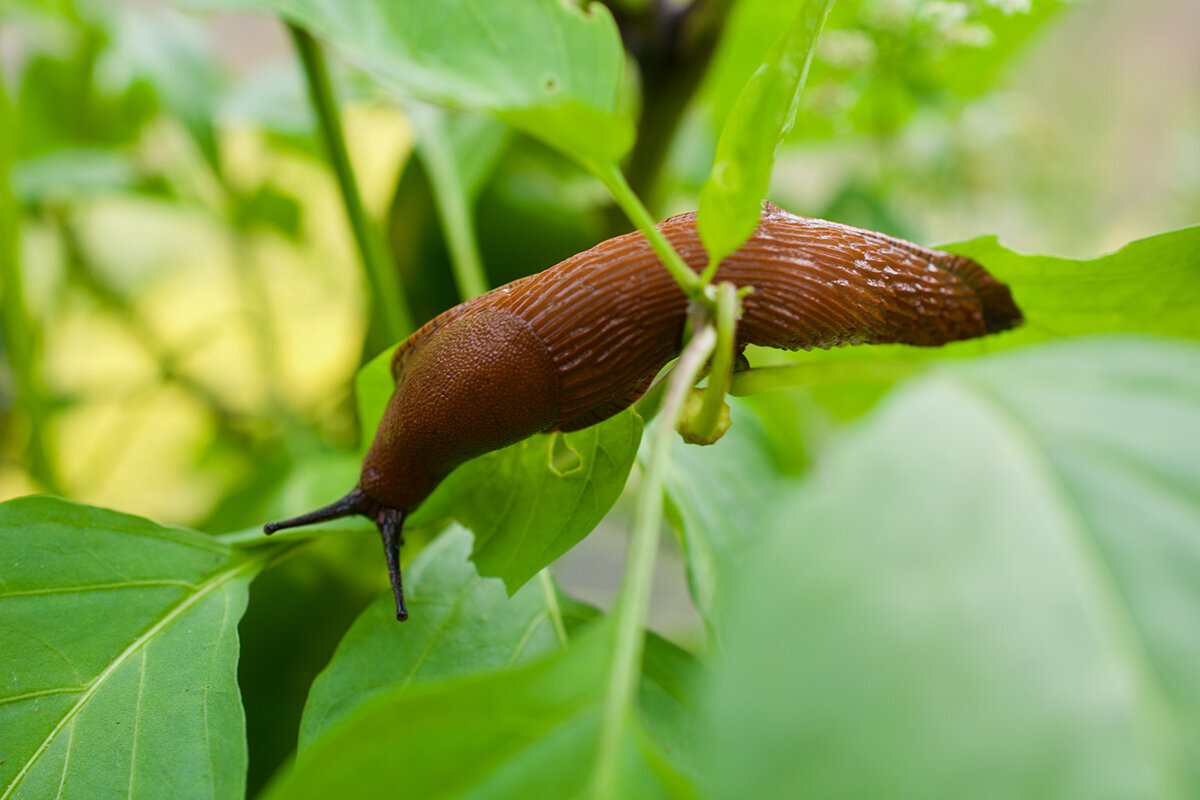
Reading silver trails for greenhouse defence
Greenhouse slugs and snails: shut pathways, maintain long-term control
Often, the morning evidence is a thin silver line on the floor, while the animal has vanished. Track it from a nibbled seedling past the wet underside of a pot, below a bench and across the threshold. Durable results usually come from disrupting these overnight journeys throughout the greenhouse, not relying on a lone remedy.
01
Before watering, inspect at daybreak
Let floor evidence guide any crop response
Daylight activity is easy to miss in a cool, moist greenhouse. Early inspection still reveals drying slime, new grazing and the link between a hiding place and its food plant. Note the same damage across several mornings before intensifying control or judging the improvement permanent.
| Evidence | Likely meaning | Verify first |
|---|---|---|
| Glossy or dried slime across flooring, pots, foliage or bench legs | This strongly indicates mollusc movement and often reveals a regularly travelled path rather than an isolated visit. | Trace it towards both ends. The refuge may sit beneath equipment or beyond the structure, well away from the injured crop. |
| Uneven holes edged by smooth rasping | A characteristic feeding pattern on tender foliage, cotyledons, blossoms and ripe produce. | Inspect beneath leaves after dark. Caterpillars commonly leave frass, while earwigs occupy narrow gaps without producing slime. |
| Seedling grazed away or seemingly gone | Very young plants may disappear quickly, with lettuce, basil, vegetable starts and marigolds especially exposed. | Examine the medium at twilight and again after dawn. Where slime is absent, investigate damping-off, root pests, water stress and other explanations. |
| Shallow grazes on strawberries, cucumbers or other low fruit | Overnight feeding is possible, particularly where fruit rests on moist medium or close to a container rim. | Raise the fruit and examine where it rested. Scuffs, splits and decay may resemble grazing, although they lack an adjoining slime track. |
| Damage appearing after warm, humid or exceptionally wet conditions | Favourable weather can increase movement without indicating sustained population growth. | Review irrigation timing, leaks, pooled water and crowded containers before introducing extra controls. |
02
Different bodies, matching control principles
Whether shelled or bare, follow the habitat and journey
Their appearance differs, but slugs and snails both need moisture, protected resting sites and reachable food. Cool, dim and humid conditions encourage movement over slime. Effective crop protection therefore starts by locating their origins, daytime cover and the plants connected by each route.
Slug
Close to the surface, concealed and roaming
A slug can enter shallow, unlit spaces below propagation trays, behind coiled hoses, beneath benches, among pots and inside damp floor or bed-edge joints. Because moisture is lost readily, cool cover during the day is particularly valuable.
- Dusty flooring and shiny foliage can make its silvery passage conspicuous.
- Likely cover includes leftover medium, tray undersides and piles of containers.
- Small juveniles are readily overlooked during a hurried daylight inspection.
Snail
A portable refuge beside reachable food
The shell makes a travelling snail more conspicuous, but control is not necessarily easier. Shelter may be below a bench, beside a protected foundation, behind stored equipment or among thick growth outside the entrance. Species should not be labelled pests indiscriminately; what matters here is confirmed crop feeding.
- Sheltered margins and thick exterior planting are common gathering places.
- The structure may serve only as a convenient feeding site rather than a permanent home.
- Collection becomes more productive after regular pathways and resting spots are mapped.
What they share
Both depend on a chain of suitable conditions: safe cover by day, a moist travelling surface after dark, vulnerable food nearby and no exposed dry break. Remove one part and pressure eases; interrupt several and the greenhouse becomes far less inviting.
03
Use timing to your advantage
Act before overnight movement begins
Weather, heat, irrigation, growing medium and humidity all alter activity. The sequence below is not a minute-by-minute prediction; it is a workable order for observing and shortening the period of surface moisture.
Towards late afternoonClear the floorTake away waste and pooled water.
DuskSurvey travel linesSweep a torch beam along surfaces.
Cool and moist overnightLikely movement periodGather animals and inspect defences.
Before dawnRetreat towards coverFollow fresh marks to the refuge.
MorningRecord, tidy and dryLog damage and clear surfaces.
Towards evening, clear wilted foliage, crop remnants, windfalls, unused trays and pools of water. Inspect the doorway and exterior foundation margin while visibility remains. This reset exposes later tracks and deprives returning animals of food and accidental hiding places.
At twilight, angle a torch across benches, pot stacks, door channels and low vegetation. Damp, cool evenings favour collection and expose breaks in copper systems or slug fencing where soil, grime, fallen leaves or touching plants provide a crossing.
Before sunrise, track new slime to its hiding place. Removing only the animal offers temporary relief; altering both shelter and passage reduces pressure on the following night. Record fresh injury, inspect any intentional monitoring refuges and irrigate roots early enough for paths and pot walls to lose surface moisture.
04
Check whether threshold protection stays continuous
Think in terms of linked edges at floor height
An entrance need not be conspicuous. A narrow door gap, wet outlet, drooping leaf or pot stack beside a wall can provide passage. Examine the structure inside and out at floor height, preferably after rainfall and after routine irrigation.
Door sill and floor connection
Inspect the lowest boundary
- Brush soil, leaf fragments and spilled medium from tracks and sill edges.
- Confirm that the door sits correctly and its seals reach the base as designed.
- Maintain a dry strip behind the doorway that can be swept easily.
Wall base and nearby vegetation
Break the sheltered crossing
- Cut back leaves, weeds and heavy groundcover beside the foundation.
- Store bags, timber and spare containers somewhere other than against the lower wall.
- Level depressions where rainfall leaves the foundation margin persistently moist.
Vents, drains and service penetrations
Preserve their purpose while limiting cover
- Pest management must never obstruct required airflow or water outlets.
- Keep drainage working, then examine sheltered margins for retained moisture and accumulated material.
- Use only construction-compatible materials when restoring covers, without compromising necessary ventilation.
Benches, containers and foliage crossings
Disconnect shelter from the crop
- Lift susceptible trays and containers above floor level wherever the layout permits.
- Remove dirt and fallen foliage from bench feet, container bases and protective strips.
- Guide climbing growth and trim low foliage so no leafy ramp links wet flooring with plants.
Good organisation simplifies every inspection. Defined access, stable floor margins and a clear doorway also characterise a Classic aluminium greenhouse. Reachable benches, washable paths and orderly placement provide a more useful patrol. When designing a fresh growing area, examine the Classic aluminium greenhouse and build floor-level inspection into the plan.
Make the habitat less favourable
Send water to roots, not across the whole night
Do not desiccate the greenhouse. Instead, prevent travel surfaces, pot walls and sheltered organic debris from remaining wet. Many crops suit early irrigation, which gives foliage and other surfaces time to lose moisture before evening. Root-directed watering or suitable drip lines also leave floors readable when new slime appears.
Investigate drips and overspray first. A weeping fitting, permanently full saucer, clogged gutter discharge near the entrance or wet pocket beneath crowded containers creates the tiny refuges slugs favour. Space pots apart, strip dead basal foliage and keep damp sacks, cardboard, mats and discarded pots out of floor-level storage.
Ventilation contributes to healthy cultivation in several ways. Roof vents and condition-based airing help balance the greenhouse environment, but moving air cannot solve an infestation while flooring remains wet and cluttered. A Classic aluminium greenhouse can be arranged as a refined, orderly growing area. Keep that advantage by leaving the foundation, benches and entrance reachable instead of filling every gap with storage.
05
Order controls by lasting value
Begin with changes whose benefits persist
Start by cutting access and making the habitat less suitable. Direct intervention can lower the number present now, but its benefit will fade if protected moisture and effortless passage remain available for another arrival.
1
Close entrances and break travel lines
Maintain doors, seals, floor junctions and adjacent ground so that no uninterrupted passage develops. Fit a barrier only where its full perimeter can be kept clean and checked. Copper systems may discourage movement, yet soil, grime, moisture, open ends or contacting foliage can bypass them. A compact propagation area defended consistently is preferable to incomplete protection around the whole structure.
2
Remove daytime hiding sites
Clear pot stacks, boards, compacted waste and patches that remain damp. To monitor a suspected path, deliberately place a board away from vulnerable plants, turn it over daily and collect anything sheltering below. Remove all other accidental cover.
3
Collect during favourable conditions
Wear gloves and use a torch to collect animals on moist, cool evenings or beneath monitoring boards in the morning. This is efficient in an uncluttered structure once routes are understood and surplus refuges are gone. For responsible disposal, seek current guidance from the relevant council or state authority rather than releasing them at the property boundary.
4
Apply every product exactly according to its label
Traps and baits may support an integrated plan, never replace it. Beer traps attract animals over only a limited area and may draw more towards the crop. Before applying a treatment, verify its current APVMA registration or permit for the crop and site, then follow the label, application rate, withholding directions and protections for children, pets and wildlife. State or territory use requirements also apply.
06
Prevent routes from reopening
Regular seasonal checks are easier than tackling renewed pressure
Across Australia, rainfall, irrigation and regional climate shape mollusc activity, so one national seasonal pattern does not fit. Watering can create a favourable greenhouse microclimate whenever thick growth coincides with protected moisture. Let current weather and conditions inside determine inspection frequency rather than relying on the calendar alone.
Late winter
Prepare
Ahead of sowing, sweep below benches, wash reusable containers and trays, inspect seals and drainage, and clear stored objects from moist floor-level spaces.
Spring
Protect seedlings
Increase inspections through wet spells. Cotyledons, newly transplanted lettuce and soft herbs need particular attention. A twilight patrol can explain damage before it is discovered after dawn.
Summer
Watch watering
Outdoor movement may decline in heat, although shade, regular irrigation and wet interior corners can maintain activity. Mend leaks and pick ripe fruit near the floor before it becomes accessible food.
Autumn
Reset edge areas
Trim vegetation beside the base, sort stored pots, frost cloth and harvest equipment, and check conditions after rain. Reducing protected storage and long-term shelter makes preparation for the next growing cycle simpler.
A well-made greenhouse retains its calm character when care is straightforward to repeat. Look for reachable entrances, effective ventilation, washable margins and working room around benches. The Classic aluminium greenhouse provides that starting point. Revisit the Classic aluminium greenhouse and use the balanced proportions of the Classic aluminium greenhouse to plan an ordered cultivation space where floor edges stay available for inspection.
07
Frequently asked questions
Useful guidance from floor level
How do slugs enter a greenhouse that stays mostly shut?
They may arrive on plants, trays, containers, growing medium or stored equipment. Small openings near the sill, foundation or drain also provide access, as can exterior growth touching the structure. A shut door helps, but tracks, seals, perimeter areas and incoming items still need inspection.
Will copper tape or another barrier solve the problem by itself?
No. Copper systems can discourage passage in suitable circumstances, provided they remain clean, complete and unbridged. Dirt, foliage, moisture, container rims or contacting plants can weaken the defence. Treat any barrier as one component of the wider approach.
What conditions make an inspection most productive?
Use a torch around twilight or during a moist, cool evening. Shortly after dawn, new slime and animals returning to shelter may still be visible. Inspections following irrigation or rainfall tend to reveal the clearest activity.
Can dry loose deterrents be trusted where irrigation raises humidity?
Most depend on remaining both dry and complete, which is difficult inside an irrigated greenhouse. Loose bands therefore make a poor foundation for control. Favour routes that can be inspected, uncluttered surroundings and continuous physical barriers.
May slug bait be applied near food crops?
Only where the specific product has a current APVMA registration or permit covering that crop and use site. Observe the label's rate, method, safety instructions and withholding directions, together with applicable state or territory use rules. Protect children, pets and wildlife, and regard bait as a supporting measure.
When should I request help with identification?
Ask a suitable specialist when losses are substantial, the cause remains uncertain, a sizeable crop is involved or dependable product guidance is required. Expert assessment can separate mollusc grazing from disease, root pests, caterpillars and rodents, then help identify appropriate options.
08
Sources and further guidance
Australian references for informed decisions
Registrations, permits, labels and regional use requirements can change. Use these official resources when assessing direct treatments, and confirm the current product record, authorised use and label before applying anything.
APVMA: registered chemical products and permits
Use PubCRIS and the permits search to verify current products and authorised uses.
DAFF: how agricultural and veterinary chemicals are regulated
See how Commonwealth controls before sale interact with state and territory rules for use.
APVMA PubCRIS product search
Confirm the registered product, approved label and relevant conditions before treatment.
APVMA permits search
Check whether a current permit authorises the proposed crop, pest, location and user.
DAFF: responsibilities for chemical regulation
Review the national and regional responsibilities that apply before choosing a control.
APVMA records, labels and permit conditions
Recheck directions, restrictions and permit validity whenever the intended use changes.
More from Bloomcabin: Choose a greenhouse for lasting use · Information about Bloomcabin aluminium greenhouses · Greenhouses and conservatories
A five-minute patrol worth repeating
Inspect during the evening's blue light
Start while enough light remains to reveal detail. A calm, brief patrol turns evidence into prevention. Once surfaces lose excess moisture, shelters can be examined and the route ends at the doorway, the silver line no longer needs to lead all the way to an injured plant.
1Threshold Brush deposits from the track, sill and exterior join.
2Pots Raise likely shelters, then clear foliage fragments and pooled water.
3Benches Shine the torch below tops, around legs and across any bridging material.
4Seedlings Examine cotyledons, soft new growth and fruit close to the floor.
5Storage Remove crop waste and leave an uncluttered surface for the morning check.
To create an ordered cultivation area whose edges remain simple to inspect, view the Classic aluminium greenhouse or consider the Classic aluminium greenhouse as the foundation for a daily care routine designed with the same attention as the surrounding garden.
