
Do You Need Permission for a Hot Tub in Australia?
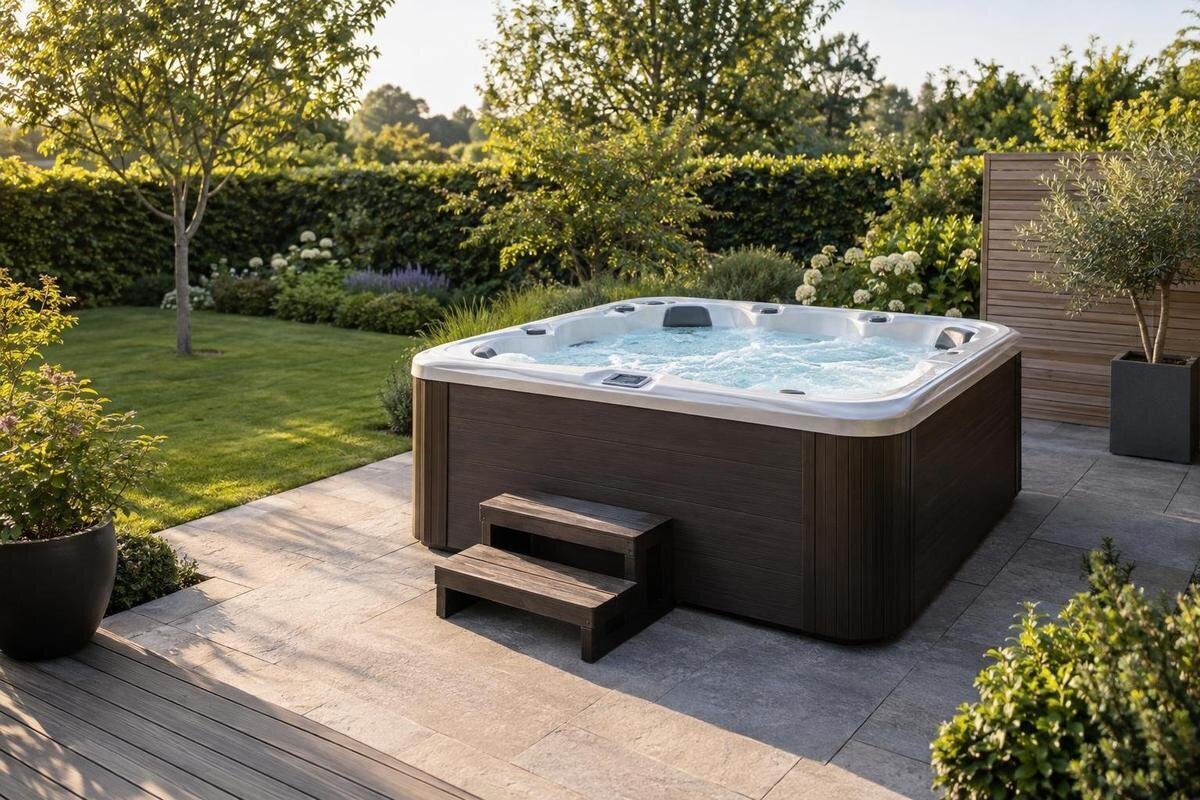
Hot tub approvals in Australia
A hot tub can raise several separate permission questions: local planning, building work, pool-safety requirements and consent from the people who control the property. The right answer depends on both the address and what you plan to install around the tub, so a neighbour’s example or a general product description will not settle it. This guide explains which authorities and private parties to ask, and what information to have ready before choosing a model.
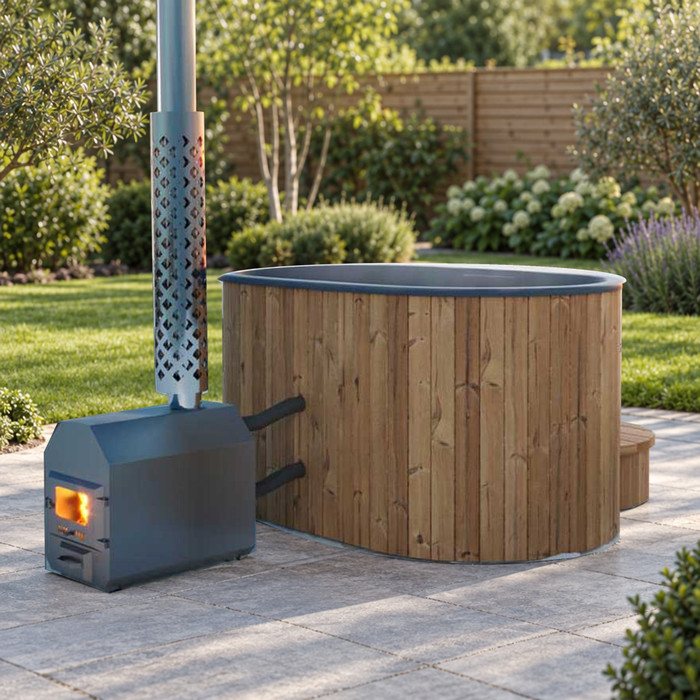
Why the answer depends on the property
Australia does not have a single yes-or-no rule that settles every hot tub installation. Planning controls sit within state or territory frameworks and local planning schemes, while building and pool-safety rules can use separate tests. The answer may depend on the address, zoning or overlays, the property type, where the tub would sit and whether you plan a deck, enclosure, retaining work or other changes. A product description, a neighbour’s arrangement or the word portable does not establish an exemption. Treat the proposed installation and its exact site as one case to check.
Separate the checks into official approvals, private consent and sign-offs for related work. Official questions can include planning or development, building and spa-pool safety; the responsible decision-maker may not be the same for each. Private consent comes from a landlord or owners corporation or body corporate, where applicable, and may apply even if a government authority says no permit is needed. Electrical, structural or drainage work can also require separate professional advice or approvals. Clearing one item does not automatically clear the others, so keep a record of who has answered each question.
Ask your local council about the address
Start with the council for the property’s exact address. Use its official contact or planning enquiry service and ask for the planning or development team; separately ask whether its building or compliance team handles building questions. Give the street address and suburb, and the lot or property details if you have them. Ask whether council is the decision-maker for each issue or whether a state or territory regulator, certifier or other authority should be consulted. Council boundaries and local planning schemes matter, so advice based only on a suburb or a generic description can miss a site-specific overlay or property constraint.
Describe the proposal as precisely as you can: where the tub would go, whether it would be on the ground or an existing structure, and any proposed enclosure, platform, excavation, fence or other work. Explain whether the property is a house, rental, strata or heritage site. Ask what approvals may apply, which office handles them, what documents are needed and whether written advice is available. A bare question about whether a hot tub needs a permit may draw an answer about only one approval category. If Bloomcabin hot tub Cove 2 is on your shortlist, use its exact model identity when requesting current supplier documents; the catalogue name alone cannot answer the council’s questions.
Check planning or development approval
Planning or development approval concerns whether the proposed use and development fit the controls applying to the land. Ask whether the tub’s location itself needs consent and whether associated changes alter the answer. Mention any proposed deck or platform, enclosure, screening, retaining work, excavation, tree removal, substantial paving or change to drainage. These are prompts for an authority, not a list of works that always need approval. Ask the council to identify the relevant planning process and any site-specific overlays or constraints it has considered, rather than relying on a general explanation for a different property.
If council says no planning approval is required, ask whether that answer covers only planning or also building and pool-safety matters; it may not cover every category. If a permit is needed, clarify whether it relates to the tub’s placement, an associated structure or both, who should apply and whether written plans are required. Supplier documents can show what is proposed, but they do not establish compliance. For a named option such as Bloomcabin Hot Tub Haven 6, request current manufacturer or supplier drawings and dimensions that the authority specifically asks for, rather than estimating from a photo or model name.
Find out whether building approval applies to associated work
Building approval is a separate question from planning approval. It can become relevant when the proposal includes building work or changes to an existing structure, even if the tub’s location is acceptable in planning terms. Ask the council’s building team or the relevant building professional what applies to a deck, platform, retaining structure, enclosure or alteration at your site. Do not assume an existing deck or patio can take a hot tub simply because it is already there, or that an old approval covers a new use. The appropriate building or structural professional can tell you what assessment is needed for the actual structure.
Keep the technical check focused: ask the supplier for verified dimensions, filled weight and installation requirements, then give those documents to a suitably qualified local professional if the tub is proposed on a deck, balcony or other structure. Do not estimate loads or select a support solution from a photograph or model number. A building authority can explain its approval process, while a structural professional assesses the physical site; these are different tasks. If Bloomcabin Hot Tub Fjord 8 is being considered, request its exact current technical information before asking anyone to assess that proposal.
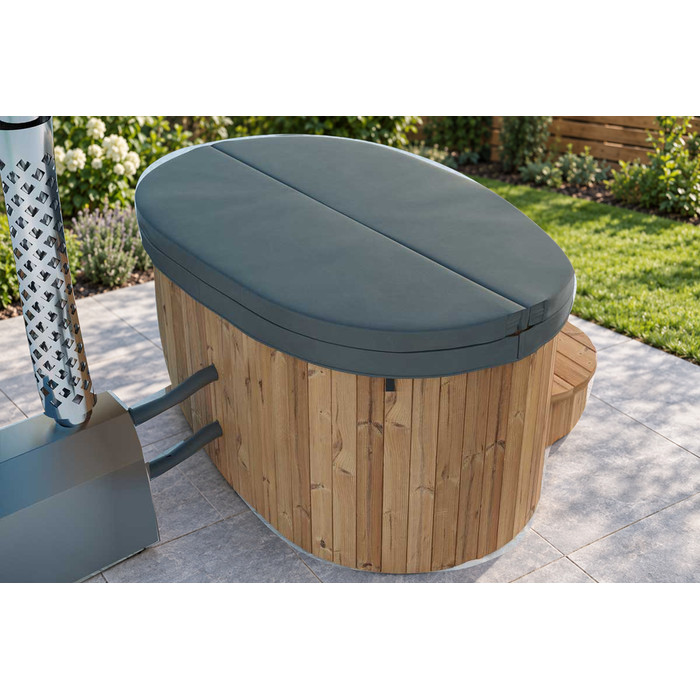
Ask how spa-pool safety rules classify the tub
Pool-safety legislation may use a defined term such as swimming pool or spa pool, and the legal classification is not settled by what a retailer calls the product. Ask the relevant state or territory pool-safety authority, or the council office it identifies, whether the specific model and proposed position fall within the rules. Be ready to describe how it will be installed, the water depth and access arrangements if known, whether it has a cover, and whether it is near an existing pool or shared area. Do not assume that a portable format, small appearance or cover makes the rules irrelevant; ask the authority which test applies.
Ask directly whether a barrier is required, what standard or arrangement applies, whether an exemption process exists, and whether registration, inspection or notification is required in your circumstances. Do not treat the words safety cover or a photograph of one as proof that it meets a legal barrier requirement. Ask which agency gives the relevant answer and whether its guidance is current for your locality. A product page identifies a model but cannot establish its safety classification; if Bloomcabin hot tub Aurora 10 is on your list, have the supplier provide the verified details requested by the authority before deciding how the site must be arranged.
Get strata or body corporate consent separately
Owners of units, townhouses or community-title properties should check the scheme documents before planning a placement. Depending on the property, the decision-maker may be an owners corporation or body corporate, and the relevant rules may address alterations, use of common property, access for delivery or work, and shared services. A courtyard, terrace, balcony or garden can look private while still being common property or subject to scheme rules. Ask the strata or body corporate manager which by-laws, rules and formal approval process apply, and check the plan or records if the boundary of your lot is unclear. Do not rely on what another resident has done as proof of consent.
Request approval in writing from the person or body authorised to give it, and ask whether a committee, general meeting, landlord or another party must decide. Provide the proposed position, model identity, supplier documents and details of any building or service work; ask what conditions or follow-up documents are expected. A manager’s acknowledgement that an email was received is not necessarily a decision. Government approval and scheme consent are separate: council cannot approve a change to common property on behalf of the owners corporation, and strata consent does not replace public approvals. If you are considering Cove 2, use the Cove 2 listing as the model reference in your submission so everyone knows which product the supporting documents describe.
Check rental, heritage and title restrictions
In a rental, get the owner’s written position before placing the tub or arranging alterations, connections or other work. Tell the landlord or agent whether the proposal is freestanding or involves a change to the property, and ask which lease terms and approval process apply. Check who is authorised to approve the request and whether consent must cover both placing and operating the tub. A landlord’s permission is private consent, not confirmation from council or a safety regulator; official requirements still need separate checks. Avoid treating a casual verbal response as a durable record of what was agreed, particularly if more than one property owner or manager is involved.
Heritage controls and title restrictions can also matter even where the proposal involves a tub rather than a building. If the property is heritage-listed, within a conservation area or subject to a covenant or similar restriction, ask the council heritage or planning team which authority controls the site and whether the proposed placement or associated changes need separate consent. Describe visible structures, excavation, fencing, tree work or changes to a historic setting rather than assuming only the building itself counts. In a shared property, check any community rules and access rights as well. If you are considering Haven 6, use the Haven 6 listing to identify the model when requesting the installation documents needed for your enquiry.
Prepare the exact model and site details
Ask the supplier for the current technical sheet and installation instructions for the exact model you are considering. Depending on the authority’s questions, useful verified details may include external dimensions, filled and empty weight, the space needed around the unit, support requirements, service connections, cover information and the planned installation method. Do not infer these from a model number, a photograph or another model in the range. If an answer depends on a fact the supplier has not confirmed, mark it as unknown and ask for it before making a formal submission. For example, use the Fjord 8 product page to identify your shortlisted model, then match the supplier’s technical documents to that model before submitting them.
Make a simple site pack for enquiries: the full address, a marked plan showing the proposed position and property boundaries, photographs, notes about an existing deck or pool, and a description of every planned change. Include the property type and any heritage or strata context. Ask the council whether it wants a survey, site plan or another format before paying someone to prepare one; the information required depends on the question being assessed. Keep the model documents and site information together so it is clear which proposal they refer to. If the exact position changes later, update the plan rather than assuming earlier advice covers the new layout.
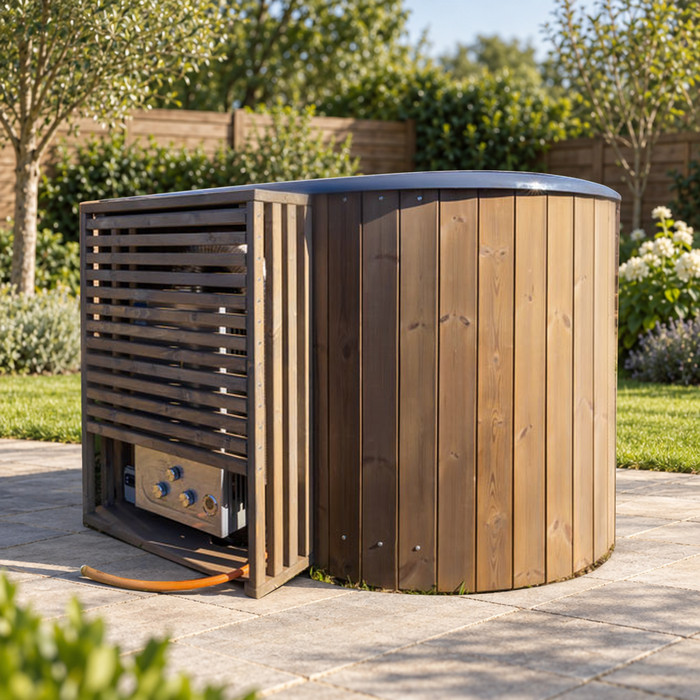
Confirm approvals for related work and who handles them
Permission for the tub’s location does not automatically settle every job connected with installation. If the proposal includes electrical work, plumbing or drainage changes, excavation, a retaining structure, a fence, a deck or access across common property, ask whether a separate approval or consent is needed for that work and who can confirm it. Keep this enquiry focused: the relevant council or authority can identify a permit pathway, while a qualified electrician, plumber or building professional can advise on technical matters within their role. This is not a substitute for a separate electrical, structural or drainage assessment where one is required.
Before placing an order, ask the supplier or installer to explain what its scope includes and which approvals or applications remain your responsibility. Confirm who prepares documents, who submits them, whether permission must be in place before work starts, and whether an inspection, registration or final sign-off follows. Do not assume a delivery or installation service secures council or body corporate consent. If you are considering the model shown in the Aurora 10 listing, ask for its installation documents and clarify which details the supplier or installer will provide for each application.
Keep written advice and conditions on file
Keep a short record of each answer. Note the date, address and proposal described, the department or organisation, the officer’s role if provided, the advice given, any documents reviewed and the reference number. Ask whether the response is general information, a formal determination or an approval, and whether it depends on assumptions such as no structural work or no change to a fence. Save written advice, plans, consent letters and approval conditions together. This makes it easier to see when one response covers planning only while another covers building, pool safety or private property rules.
If the answer is conditional, write down each condition in practical terms: what must change, who must approve it, what evidence is needed and whether another authority must be approached. If council says a different body decides, follow that referral and ask the body directly; an unanswered enquiry is not confirmation. If two authorities appear to give conflicting information, send each the same proposal and ask them to clarify their respective roles, or seek advice from a qualified local planning or building professional. Recheck if you change the model, position or associated work, because the original advice may not cover a different proposal.
Frequently asked questions
Does every hot tub need council approval in Australia?
There is no single answer for every address. A particular installation may not need one type of approval, but that does not automatically settle building, spa-pool safety or private-consent requirements. Ask your council about the exact property and proposed work, then confirm any matters it refers to another authority.
Is council approval enough?
Not necessarily. Council approval does not itself provide consent from a landlord, owners corporation or body corporate, and it may not resolve state or territory spa-pool safety requirements. Check each applicable process separately and keep the responses together.
Does a cover mean a hot tub is exempt from barrier rules?
Do not assume so. The relevant definition and any exemptions depend on the rules that apply to your address and the specific installation. Ask the responsible pool-safety authority whether a barrier, registration or other requirement applies; a product description alone cannot establish that.
What should renters or strata residents do before ordering?
Seek written consent from the landlord or the authorised owners corporation or body corporate, as relevant. Check the lease or scheme rules and ask about the formal application process. Private consent is separate from any planning, building or pool-safety approval.
What information should I have ready when I ask?
Have the exact address, property type, proposed position and a description of any associated work. Ask the supplier for current specifications and installation documents for the exact model. A marked site plan and photographs can help the authority understand the proposal.
The dependable answer is not simply that hot tubs always need permission or never do. It is the answer for a particular address, property arrangement, model and scope of work. Keep government approvals separate from landlord, strata or body corporate consent, and confirm which authority handles each unresolved question. That way, the decision to buy can follow the conditions that actually apply to the property rather than assumptions drawn from a different installation.
