
Planning Garden Shed Lighting: Task and Ambient Light
Garden shed planning
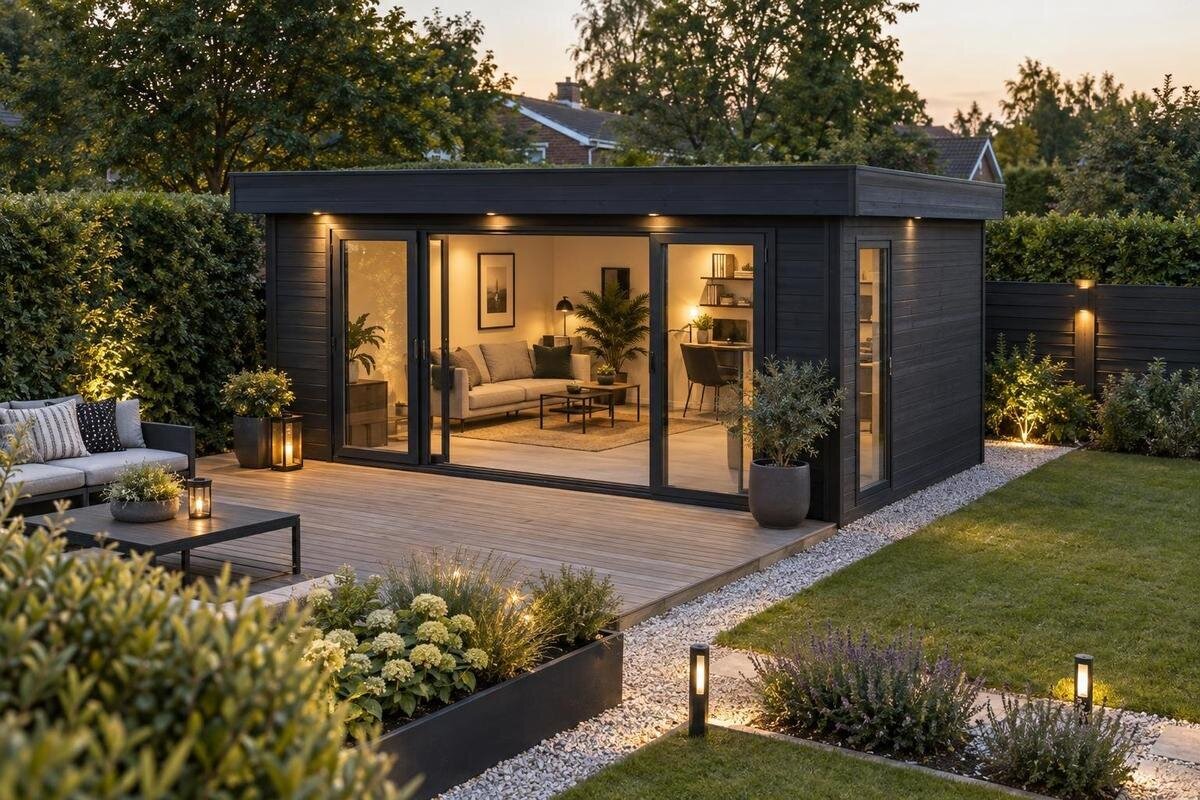
Garden shed lighting is easiest to get right when the work, daylight and fitting positions are considered together. A single ceiling light can leave hands and shelves in shadow, while a task lamp alone may create bright patches without making the rest of the shed easy to move through. Pair ambient light for general visibility with task lighting at work areas, then use the plan to compare garden sheds and check the details before ordering.
Define the jobs before comparing garden sheds
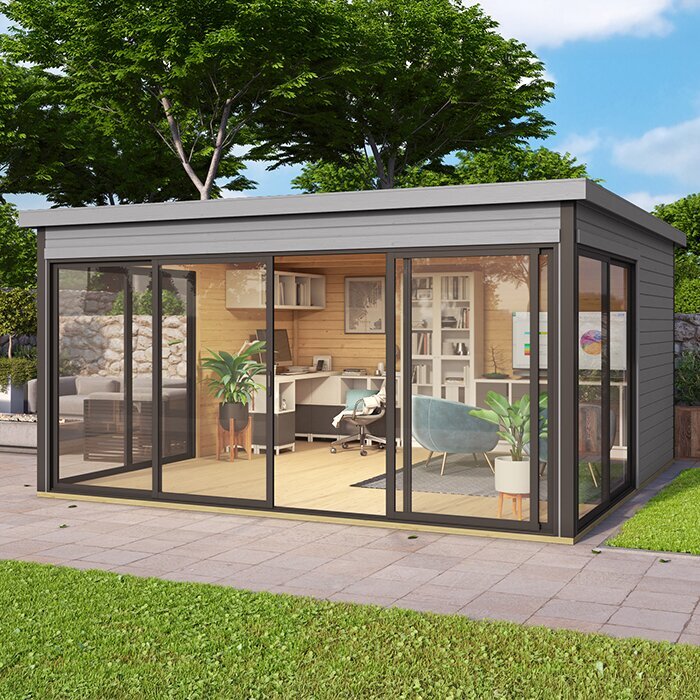
List the shed’s likely jobs before comparing designs. Retrieving tools, checking plant labels, potting, cleaning equipment and using a bench place different demands on light. Note which activities need close detail, which need general visibility, and whether they take minutes or longer. Add practical needs such as room to carry items, stand back from a work surface or reach regularly used storage. This becomes a use-led brief for the garden shed itself: a layout that supports the work is more useful than choosing a fitting first and expecting it to solve every task.
Draw a simple plan with the entrance, storage, any fixed work surface and a clear route through the space. Mark where you expect to do close work, and consider whether that arrangement might change later. Include the space needed to open storage, carry a mower or wheelbarrow through the doorway, and set down materials without blocking the route. These everyday movements influence where light is most useful. When assessing a candidate such as the Verdana 1 garden house, use its published plans and internal dimensions if available; neither a model name nor a styled photo establishes the usable space. If the information you need is missing, ask before deciding that the shed will suit your planned layout.
Check the internal layout and usable dimensions
A shed’s internal shape affects how ambient light spreads and where task lighting can be positioned. Compare usable floor area and wall lengths, and check any documented door openings or clearances that matter to your plan. External measurements do not necessarily tell you how much room is available inside. Shelving, stored equipment or a frequently opened door may also interrupt a light beam or leave a work area awkwardly placed. Measure the depth of any bench and the projection of shelving, not just the clear floor. A narrow aisle can make it difficult to approach a shelf or reposition a portable light. It can also mean that a light mounted for the bench shines into the access route. Recording these constraints on the plan helps you distinguish a genuine lighting issue from a layout problem that should be solved first.
On your sketch, mark a broad source for general visibility and a separate position for any close-work light. This helps reveal whether the bench, storage and route through the shed can be lit without one area blocking another. Also consider where tall stored items may sit over time: a rake, ladder or stacked boxes can change how a beam reaches a shelf or worktop. Allowing for likely storage makes the lighting plan more durable. For a shortlisted option such as the Verdana 2 garden house, compare the layout with actual dimensions or drawings where these are available. If they do not show the details you need, ask for clarification rather than estimating from an image.
Assess daylight at the proposed site
Natural light can reduce how often you need artificial lighting during the day, but it varies with the site and the time. Notice how nearby trees, fences and buildings affect shade, and observe the proposed position at the times you are likely to use the shed. A bright view in a catalogue image does not show how the same openings will face on your block. Consider whether direct sun could cause glare on a bench or make it harder to see labels and small items. Look at light falling on the actual working surface, not only at whether the room appears bright from the doorway. A shed can feel well lit overall while a bench against a wall remains shaded.
Treat daylight as one part of the plan, not as a substitute for light after dark or on dull days. Check the documented position and size of openings for each candidate, without assuming details from its name or photos. For example, when reviewing the Durano garden house, base your judgement on the available product information and the actual site. If the opening details you need are not clear, ask before making them part of your lighting decision.
Map task-light positions to avoid shadows
For each hands-on area, mark both the task and the position you are likely to stand or sit in. A light behind you can put your body’s shadow across the work; a source aimed straight at your eyes can be uncomfortable. Try a few positions on paper in relation to the bench, shelves and door rather than choosing a light location by habit. The aim is to see the work clearly without creating a bright patch that makes the rest of the shed feel dim.
Before choosing fittings, check which surfaces are documented as suitable for mounting and whether the proposed position would conflict with doors, storage or other planned equipment. Consider access for cleaning, adjustment and replacing a bulb or rechargeable unit, particularly above a bench or behind shelving. A position that looks clear on a drawing may be awkward once tools and containers are in place. Do not assume that any wall or roof panel can support a fitting or be altered. When comparing options, including the Veltor 1 listing, use the product information to check what is known about the structure. Ask the seller or a suitably qualified professional about anything the documentation does not address.
Choose task lights for the work areas
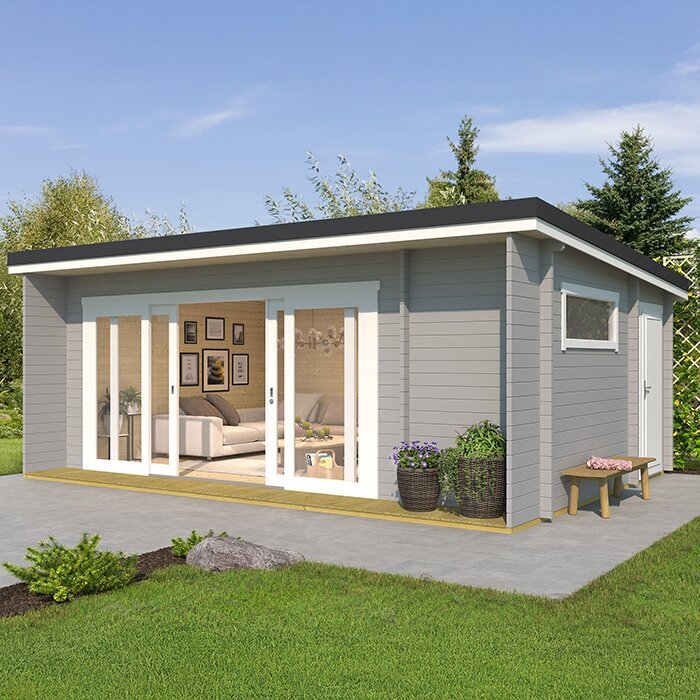
Match the task light to the work rather than trying to make one fitting suit every activity. A broad beam may be useful over a larger bench, while a more focused or adjustable light can help with close work. Consider whether you need a fixed position or would benefit from a portable light that can move between tasks. Keep the beam out of your direct line of sight and consider reflections from shiny tools or other surfaces. Think about the height and angle from which you normally view the work as well. Light from one side may reveal surface detail better than a source directly overhead, but the best position depends on the task and the objects being handled.
Compare the fitting’s stated light output and beam pattern, along with practical details such as how it is controlled and whether it needs a mounting point. Do not assume a fitting can be attached to a particular surface just because it appears convenient on a sketch. If a candidate such as the Orello 1 listing remains under consideration, check its actual documentation for relevant mounting information before choosing a task-light arrangement. Check how the fitting will be used as well as how it will be mounted. A light that is practical for a brief inspection may not provide comfortable coverage for an extended job, and a movable light still needs a stable place while in use. Review the manufacturer’s information for its intended operation and any limitations. This keeps the choice focused on the work rather than on appearance alone.
Plan ambient lighting across the whole shed
Ambient lighting should make the general space easy to see, not just brighten the centre of the floor. Think about whether shelves, corners and the route to the entrance would be left in deep shadow by one source. A spread of light can feel more even than a strong hotspot, but the right arrangement depends on the shed’s dimensions, shape and surfaces. Reflective finishes can also create glare, so consider what is likely to sit or be stored beneath a fitting.
When comparing lights, look at stated light output in lumens and the described spread rather than relying on wattage alone; wattage describes power use, not visible output. Check the colour description, any diffuser or glare-control details, and whether dimming is supported by the fitting and its controls. If you expect to enter the shed briefly as well as work there for longer periods, consider whether the controls allow a simple, useful level of general light for each purpose. Apply those checks to the dimensions and layout of your chosen shed. For example, with the Modano 1 listing, assess the documented building details separately from the features of any light you plan to buy.
Choose a power approach before ordering
Decide whether the plan calls for permanent lighting, plug-in fittings or portable battery lights. A fixed setup may suit regular use, while a portable option can be easier to move when tasks or storage arrangements change. Consider whether a suitable power point is available for plug-in equipment and how often rechargeable lights would need charging. Think through what happens if you need light while a battery unit is being charged, or if a cable would cross a route used for carrying equipment. These practical routines can be as important as the brightness of the fitting. Do not assume that the shed’s position, the site or the product listing provides a particular power arrangement.
If you want permanent wiring, have a qualified electrician assess the shed and your requirements before ordering fittings or planning alterations. They can advise on the appropriate arrangement for the building and intended use; do not work out wiring or structural changes from a photo. When comparing a candidate such as the M Timber garden shed, treat the power plan as a separate point to confirm rather than inferring anything about its electrical provision.
Check the shed documents and fitting compatibility
Before choosing a fixed fitting, check the shed documentation for relevant information about its construction, mounting surfaces and any limits on modifications. A product image cannot show whether a particular panel is suitable for a fitting or whether a proposed alteration is appropriate. If the documentation does not answer your question, ask the seller or a qualified professional rather than making assumptions about supports, fixings or the structure. Make a note of where dust, damp gear or splashes are most likely to occur, rather than treating the whole room as identical. A bench used for dry sorting has different conditions from a doorway where wet equipment is set down. Keep fitting selection tied to the stated use and location, and leave enough clear access to inspect or maintain it without moving stored items.
Also check the fitting maker’s stated suitability for the conditions in which it will be used. Dust or moisture may matter in a garden shed, so use the product information rather than assuming an indoor light will be suitable. Consider the conditions created by the intended use as well, such as bringing in wet tools or opening the door during rain. Apply the same questions to each building on your shortlist, including the Timber Tool Shed S listing. Confirm the information for the specific shed and fitting you intend to buy; a model name alone does not establish compatibility.
Put controls where daily use makes sense
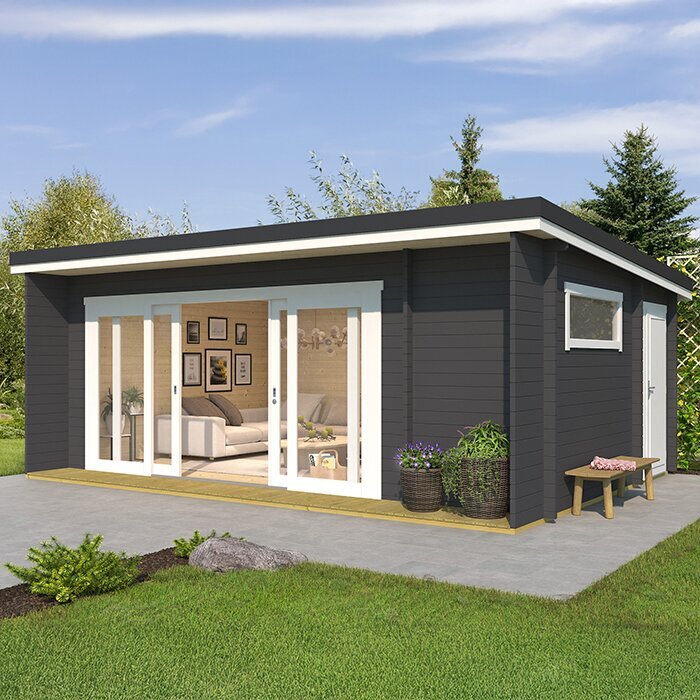
Think about how you will turn lights on and off as you enter, move to a work area and leave the shed. It may be useful to operate general lighting separately from a task light, so you can use only the layer you need. Check that the proposed fittings and controls support that arrangement; do not assume every light can be dimmed or switched independently. Plan control locations with the actual entrance and work layout in mind. Consider how the space is used when your hands are full or dirty. A control that is easy to reach from the entry can prevent a dark walk past stored tools, whereas a bench light should be usable without crossing the room. Avoid placing a control where an open door, stacked boxes or hanging equipment could make it hard to reach. The aim is straightforward everyday use, not a complicated control scheme.
Leave some flexibility if benches or storage might move. A portable task light can adapt to a changed work area, while a fixed fitting needs a position that remains useful across likely layouts. Before finalising the plan, mark the proposed positions on a drawing or temporarily test a portable light from the intended working spot. This can reveal shadows or glare before they become part of a permanent setup, without committing to a fitting that may not suit the finished arrangement.
Compare the full order, not just the fittings
Check what is included with the shed and what needs to be bought separately. Confirm whether lights, bulbs, controls or mounting parts form part of the order, and identify any other items or professional work your plan may require. Compare product details and seller information rather than assuming that a pictured fitting or accessory is included. If a detail affects your choice, get it clarified before placing the order.
Compare shortlisted garden sheds against the same practical brief: usable dimensions, documented openings, a workable layout and the information needed for your lighting plan. Then consider the order as a whole, including the shed, selected fittings, any required professional assessment and the relevant delivery or assembly arrangements. Check current terms and timings directly with the seller; do not base plans on assumptions. Keeping the building choice and lighting requirements together makes it easier to spot gaps before you commit. Make the comparison in writing so an appealing photo or a single feature does not outweigh an unresolved practical question. Use the same sketch for every option and note where general light, task light, storage and access would go. Keep unknowns separate from confirmed information, especially where documents do not show an internal detail or a mounting option. This gives you a clear list of questions to resolve before the shed, fittings and any related work are arranged.
Frequently asked questions
What is the difference between ambient and task lighting in a garden shed?
Ambient lighting provides general visibility across the shed, helping you move around and see stored items. Task lighting is directed towards a particular job, such as sorting small parts or working at a bench. Planning both together avoids relying on one bright spot to do two different jobs.
How can I reduce shadows on a workbench?
Mark the bench and your usual working position on a floor plan, then consider where light will fall in relation to your hands and body. A light behind you can cast a shadow across the work. Test the proposed position with a portable light, taking care not to shine it into your eyes.
Can daylight replace electric lighting in a garden shed?
Daylight can make a shed more pleasant to use, but it changes with the time of day, weather, season and surrounding shade. If you use the shed after dark or need consistent visibility for detailed work, plan suitable artificial lighting as well.
Are battery lights a practical option for a garden shed?
They can suit occasional jobs or a layout that changes, provided the light is suitable for the conditions and its battery runtime meets your needs. Check the maker’s instructions, charging requirements and stated operating time. A battery light may be less convenient if you need dependable lighting for long sessions.
What should I confirm before ordering garden shed lighting?
Check the shed’s usable dimensions, documented mounting options and any relevant limits on modifying its structure. Confirm which lights, bulbs, controls and mounting parts are included, and what the fitting is designed to suit. For permanent wiring, ask a qualified electrician to assess the setup before you order.
A practical garden shed lighting plan begins with what you will do inside, then checks how the shed’s layout, daylight and documented construction support that work. Ambient light helps with general visibility; task lighting brings attention to the places where you need it. Compare candidate sheds using real product information, and settle the fitting and power choices against the final layout. That way, the lighting plan is part of choosing the shed, not a last-minute addition.
