
Can You Stay Overnight in a Garden Shed? What to Check First
Garden shed planning
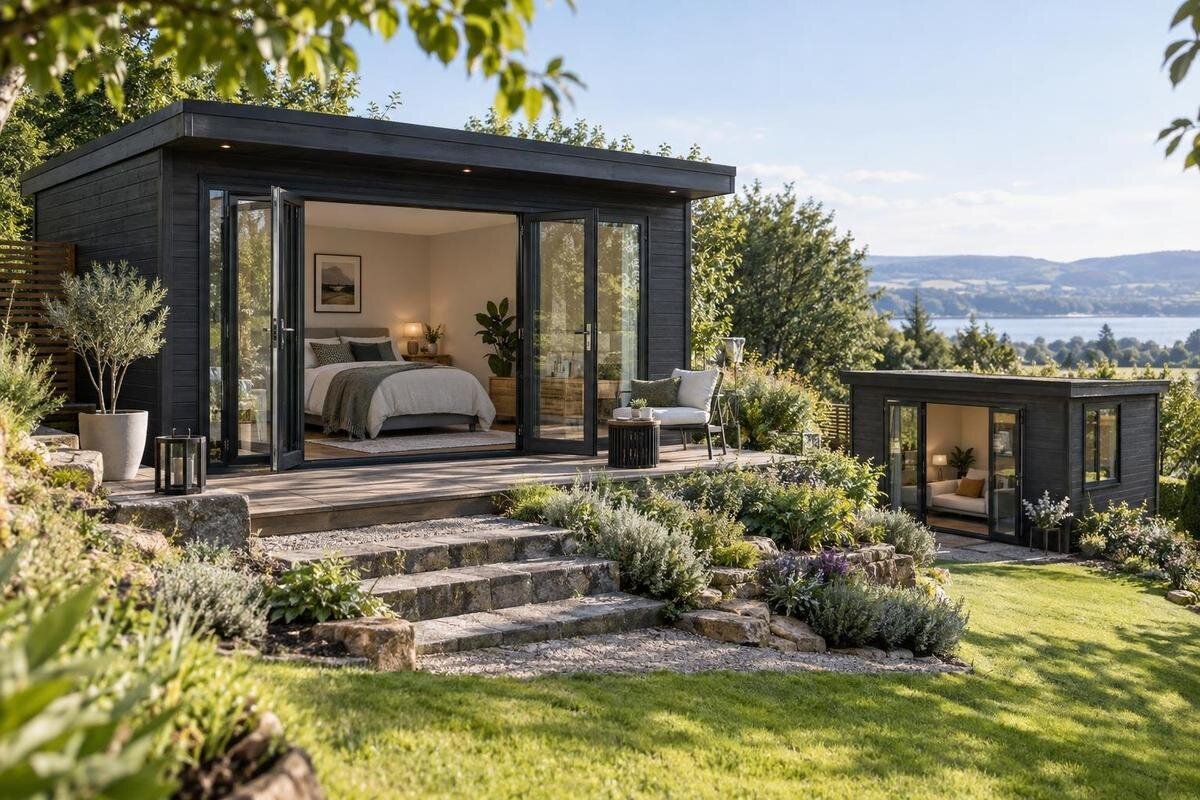
An overnight stay in a garden shed is not just a question of whether a bed will fit. A building bought or approved for garden use may raise different planning, building and safety questions if someone will sleep there. In Australia, the answer depends on the property, existing approvals and intended use. Check those questions before choosing a product or placing an order, and don’t infer accommodation suitability from a product name or photograph.
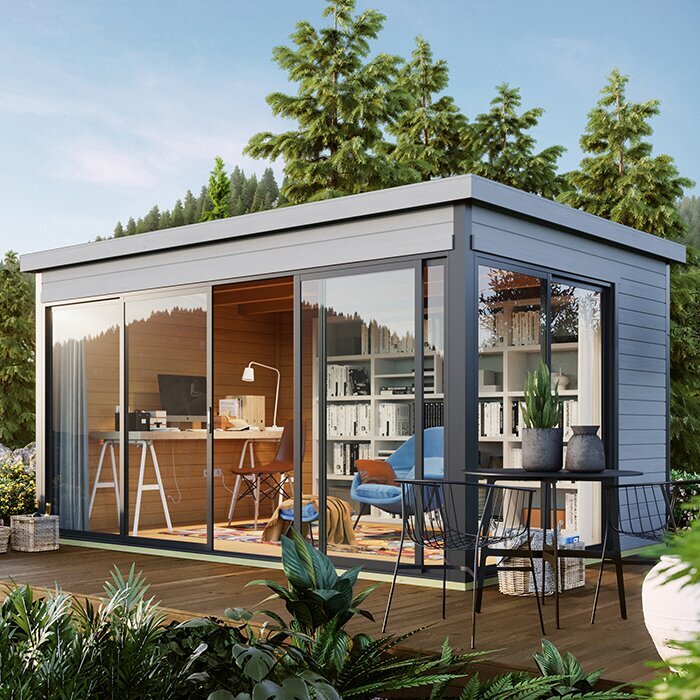
Approval for a shed does not automatically cover sleeping
A garden shed’s label or location in a backyard does not establish that it can be used as accommodation. A product marketed for storage, hobbies or general garden use is not automatically approved or designed for people to sleep in. Once someone will stay overnight, there are two separate questions: whether that use is allowed on this property, and whether the particular structure is suitable and approved for it. Putting a mattress inside answers neither. An existing approval may describe a different purpose, or the building may have been erected under conditions you have not seen, so check what actually applies rather than relying on how neighbours use their sheds. The name ‘guest cabin’ or ‘sleepout’ is no more conclusive than ‘garden shed’.
Before making enquiries, describe the proposed arrangement in plain terms: an occasional stay by family, regular use by the household, separate accommodation or paid stays; who will sleep there; how often; and whether it will have bathroom or cooking facilities. These details can affect which planning and building questions need answering, but don’t assume one night is exempt or that recurring use is treated the same way everywhere. State whether the building will remain connected to the main home in its use or operate separately. A precise description helps ensure the advice relates to what you actually intend to do.
Ask council about the intended use, not just the shed
Ask your local council about land use and the planning pathway for the property. Don’t just ask whether a garden shed can be installed: say plainly that someone may sleep in it, and explain whether stays are occasional, regular or paid, what facilities are proposed and where the building would go. Ask whether the use is allowed, whether existing approvals cover the building and its intended purpose, and whether planning or building approval, an amendment or particular documents may be required. Requirements can differ by location and property circumstances, so an answer about a different block or a different use is not enough.
If you’re considering the M timber garden shed listing, give council the exact product details and any available drawings or specifications rather than relying on the catalogue name. Ask which authority or qualified professional should address technical building matters if those sit outside council’s response; the relevant role and terminology can vary between states and territories. Where council recommends it, obtain written advice or a formal decision before ordering. A seller’s description may help identify what is being sold, but it cannot establish that sleeping use is approved. Council guidance about land use also does not by itself confirm that the structure is suitable for occupancy.
Check what the product documents actually cover
Product documentation is a separate buying check from council permission. Ask the supplier for current plans and specifications for the exact model and configuration: dimensions, materials, components, construction method, installation requirements and any stated limits on intended use. If the seller mentions a certificate, test or engineering report, ask what it covers, who issued it and whether it relates to the same configuration and proposed use. The Verdana 1 garden house listing can help identify a product to discuss, but neither its name nor its images establishes building performance, habitable status or approval.
Have the documents reviewed by the right building professional for your jurisdiction and proposal. A building surveyor or certifier can clarify which building requirements and evidence apply; an engineer may need to assess structural questions, depending on the design and site. Ask them to distinguish product evidence from site-specific suitability and to identify anything the supplier would need to change or add. Don’t assume a certificate for another model, modified version or storage use carries across. If important evidence is unavailable, treat that gap as unresolved before paying for a structure you plan to use for sleeping, and ask the professional to record any assumptions about occupants and fit-out.
Measure the usable space for the intended layout
The footprint quoted for a product is not the same as the clear space available for sleeping. Ask for a dimensioned plan showing internal as well as external measurements, ceiling or roof heights, door and window positions, and any fixed fittings that take up floor area. Wall linings or later insulation can reduce usable space, while door swings can affect how a layout works. Plan where the bed, bags, clothing and other furnishings would sit, and leave an unobstructed route from the sleeping area to outside. A bed that fits on paper does not prove the space works for people moving around it.
Use the Verdana 2 garden house page as a model reference, then verify its current drawings and actual dimensions with the supplier; don’t estimate scale from a photograph. Check how many people you intend to accommodate, where they can sit or stand, whether a door can open fully and whether the way out stays clear when bedding and luggage are in place. Ask what is included in the configuration and what would count as an alteration, as changes can affect both available space and the documents reviewed for approval. If access or mobility matters for an intended guest, raise that with council and the building professional before finalising the layout.
Ask about weather protection, ventilation and moisture
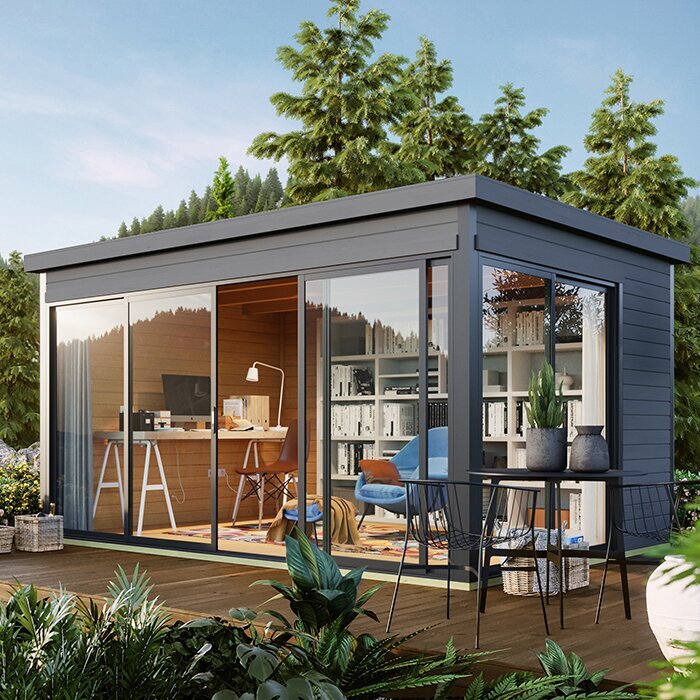
The fact that a building is marketed for garden storage or general use does not answer whether its assembled enclosure is suitable for someone sleeping in it overnight. Ask the supplier what weather exposure the exact product and installation are designed for and what documentation supports that claim. A building professional can assess whether the proposed structure, assembly and site conditions address rain, wind, ground moisture and other relevant local hazards. Don’t infer resistance from timber, glazing, a product name or a staged photograph. Ask whether a base, sealing, lining or opening alteration changes the supplier’s stated performance or terms.
Ventilation and moisture need their own answers. Ask how fresh air is provided, how the building is expected to manage condensation and whether doors, windows or vents need to remain operable at night. Advice should relate to the actual model, fit-out and local conditions, rather than a general promise that a material ‘breathes’. If considering the Durano garden house listing, request the relevant specifications and ask whether changes for sleeping use need separate review. Have a building professional consider air movement, damp, insect entry and proposed heating or cooling; insulation alone does not establish that the room is approved or suitable for overnight use.
Plan safe exits and discuss fire and electrical safety
Plan for someone to leave quickly and safely, including at night. Keep the route from the sleeping area to an outside exit clear of beds, stored tools and furniture, and check that door operation and access are practical for the people who will use it. Ask a building surveyor or certifier what exit, emergency egress and smoke-alarm requirements apply to the proposed classification and location. Don’t copy an arrangement from another shed or assume a window is an acceptable exit: applicable requirements need to be confirmed for the actual design. Consider security hardware alongside the ability to leave, rather than treating it as a separate shopping decision.
Include lighting, electrical supply, heating and cooking plans in that assessment. A garden building is not automatically suitable for appliances just because a supplier can discuss adding a power connection. Ask an appropriately licensed electrician and the relevant building professional to specify what is suitable and who must do the work; don’t improvise with electrical or heating arrangements. The Veltor 1 listing may identify the model you are considering, but its page cannot answer questions about alarms, safe egress or installation. Also consider how an occupant will reach the main house or a safe place in poor light, and keep access paths free of trip hazards.
Resolve access to water, toilets and power
List the facilities a person would need overnight before you order: access to a toilet and handwashing, drinking water, wastewater disposal, lighting and any planned power, heating or cooling. Decide whether facilities will be inside the garden building or in the main home, and how a guest would reach them after dark or in wet weather. Ask council whether the proposed arrangement is acceptable for the intended use; don’t assume that access to a house bathroom automatically settles the building’s status. A portable or temporary arrangement should not be treated as an approved substitute without checking.
Where plumbing, drainage or electrical services are proposed, ask a qualified plumber and licensed electrician to assess feasibility and requirements for the property. Identify any connections, groundwork, approvals, inspections or ongoing maintenance that may be needed, and obtain a clear scope before comparing offers. Use the Orello 1 listing to identify the particular garden house if you ask a supplier about service options; don’t assume services are included or can be added without review. If the building has no facilities, work out exactly how occupants will access suitable facilities before deciding that overnight use is practical.
Check insurance and property permissions
Contact your insurer before purchase and before anyone starts sleeping in the building. Ask whether the proposed use changes cover for the structure as an outbuilding, and whether contents, a guest’s belongings or injury to an occupant are covered under the relevant policies. Ask what conditions, exclusions, security requirements or approvals apply, and request the answer in writing. Don’t assume the current home and contents policy automatically treats a garden shed used for accommodation like a spare room in the house. Insurance terms are policy-specific, so describe the intended arrangement rather than asking only whether a shed is covered.
Explain whether stays will be occasional, regular or paid; taking payment can raise different insurance questions from hosting family or friends. Ask the insurer or broker whether different cover is needed and whether changes to services or fit-out must be disclosed. If you rent the property or it is subject to strata or other property rules, check the relevant agreement and obtain any permission that applies before ordering. Insurance and council approval are separate: cover does not make an unapproved use permissible, and approval does not guarantee the insurer will cover it. Revisit both if the arrangement changes later.
Compare products against a written brief
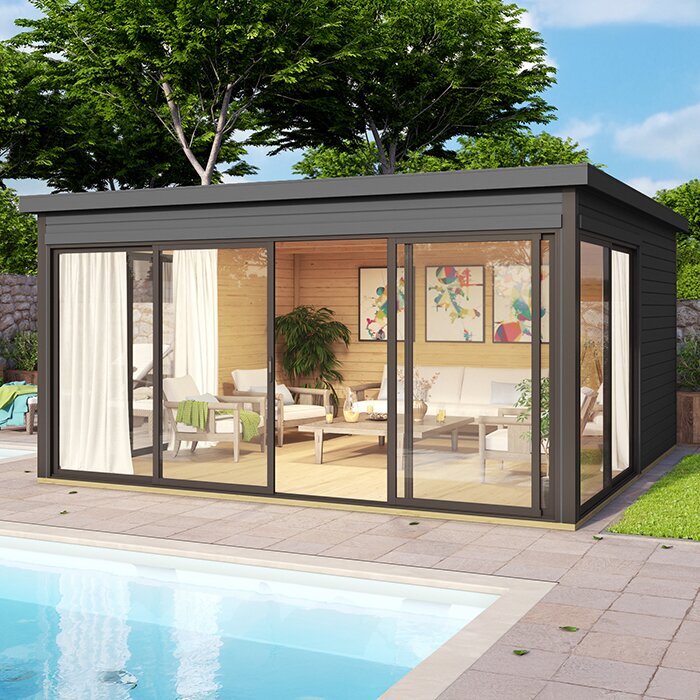
Once you know the approval pathway and a building professional has identified what a suitable structure needs, compare product pages against that written brief. Check only evidenced facts: internal and external dimensions, included components, windows and doors, documented performance, construction requirements, ventilation options and any supplier-stated restrictions. Ask for missing documents rather than filling gaps from pictures or brand language. The Modano 1 listing can be one reference in that comparison; make sure the supplier’s answers refer to the exact version you would order and the proposed overnight use, not just a broad product family.
Compare the whole purchase commitment, not just the building itself. Request an itemised quote that distinguishes the product, delivery, site preparation, base or foundation work, professional reviews, approvals, utility connections and any fit-out; don’t assume these are included. Read the order, delivery and cancellation terms, especially if council or a building professional has yet to confirm a requirement. Ask what happens if the configuration needs to change, and whether a change affects the documentation, agreed scope or warranty terms. If answers about use, safety or approval remain unclear, pause before committing rather than hoping an ordinary garden structure can be adapted later.
Keep a clear record of the decision and the final setup
Keep the purchase decision traceable. Save council’s written response and any formal approvals, the supplier’s dated product information, drawings, technical reports, quotes, agreed configuration and advice from the building professional. If the Timber Tool Shed S listing is your reference, save the exact version and the supplier’s written answers beside it; a changing web page is not an approval record. Record what is included, what remains for you to arrange and who is responsible for each required assessment or installation. This makes it easier to check that the delivered building matches the one that was assessed.
Keep service records, inspection and handover documents, insurance correspondence and details of later alterations in the same file. Before adding plumbing, making an opening, installing new equipment, hosting paying guests or moving from occasional to regular stays, check with the relevant council, professional and insurer whether earlier decisions still apply. A change can affect the use or building that was originally assessed, so retaining the history matters. The aim is to know what has been approved, what has actually been built and what limits or conditions were attached—not simply to collect paperwork.
Frequently asked questions
Can I sleep in a garden shed for one night?
There is no universal answer based on the length of the stay alone. The relevant requirements can depend on the property, any existing approvals and how the building will be used. Don’t assume that one night is exempt. Ask your council about the specific arrangement, then confirm the building’s suitability and safety with an appropriately qualified professional before furnishing it for overnight use.
Does a ‘garden house’ listing mean the building is approved for sleeping?
No. A product name or photograph identifies a product but does not establish its approved use, building performance or suitability for accommodation. Ask the supplier for the current plans and specifications for the exact model, and check with council and a building professional what requirements apply to your property and proposed use.
Will I need council approval to use a shed as accommodation?
That depends on the address, the building and the intended use. Council may need to consider planning and building requirements, existing approvals or whether the approved use needs to change. Explain who will stay, how often and what facilities you plan to provide. Ask what applies before you order rather than relying on a general answer about garden sheds.
Can I use the bathroom and power in my house?
Access to facilities in the main house may be part of your plan, but it does not by itself confirm that overnight use of the separate building is allowed or suitable. Explain the arrangement to council. If you plan to add plumbing, drainage or electrical services, have qualified trades assess the proposal and clarify approvals and work requirements before purchase.
Can family or paying guests stay overnight?
Tell council and your insurer who will use the space and whether stays will be occasional, regular or paid. The intended arrangement may affect the planning, building and insurance questions you need to resolve. Don’t assume that hosting family and charging guests have the same requirements. Check any property agreements or permissions that apply before making a booking or inviting someone to stay.
An overnight stay may be possible, but only after you have checked both the proposed use and the particular building. Ask council about the rules for the property, get qualified advice on the structure, safety and services, and confirm the insurance position. Then compare garden-house options against the requirements you have established. If the approval route or essential safety questions remain unresolved, wait before treating the shed as accommodation.
