
Paint, Stain or Clear Finish for a Garden Shed?
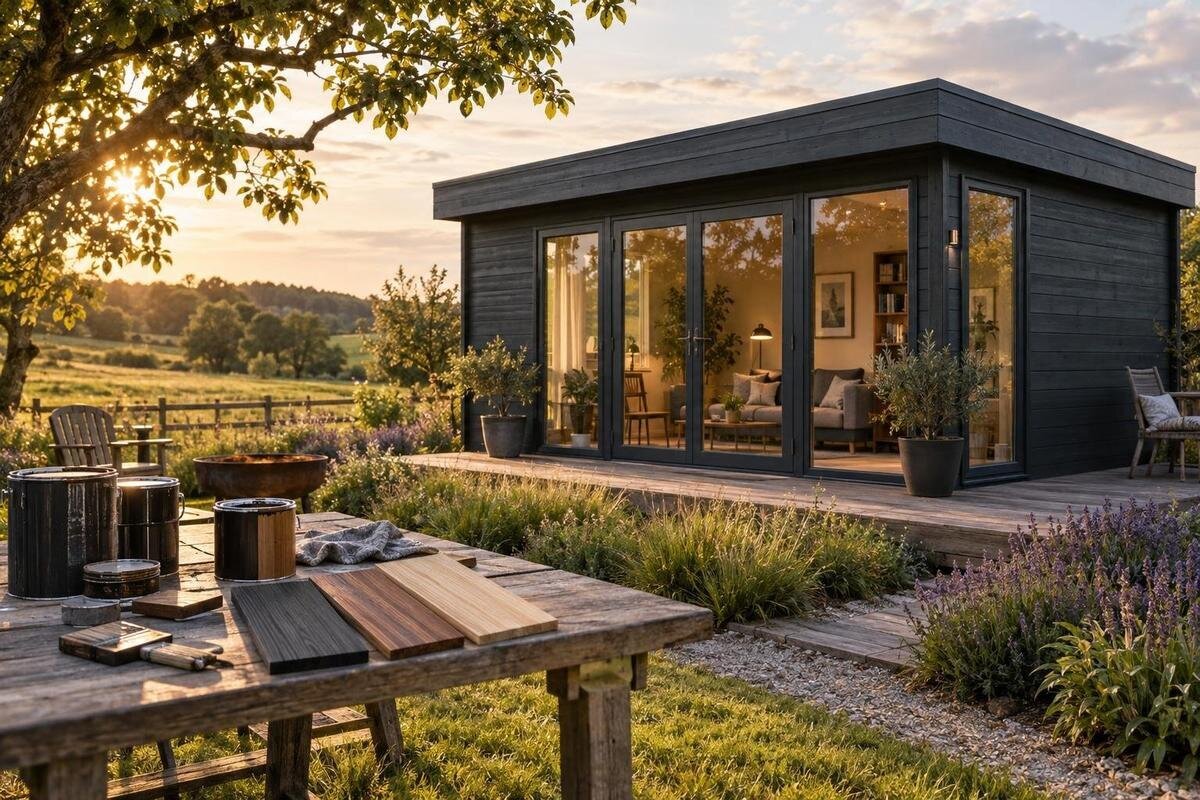
Garden shed finishes
Choosing paint, stain or a clear finish for a garden shed is mainly a choice about appearance, future care and compatibility with the shed’s surface. Paint gives an opaque colour; stain leaves some timber character visible; a clear coating keeps the grain on show. None is automatically the most durable or easiest to maintain: formulations, existing treatments and exposure all matter. Confirm what the shed is made from and how it will arrive before buying a separate coating. Then compare the finish’s intended use, the look you want and the maintenance instructions, rather than judging a product from a photograph alone.
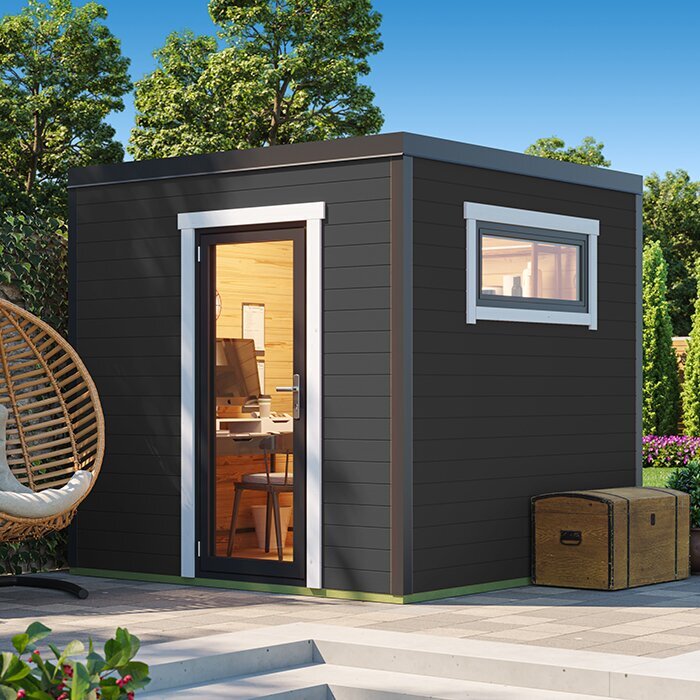
Confirm the timber and its existing finish
Confirm the shed’s material before choosing a coating. Paint, stain and clear timber finishes are designed for timber; if the structure includes metal, fibre-cement, plastic or mixed surfaces, each needs a product specifically suited to that substrate. Establish whether the timber is bare, primed, factory-treated, stained or painted. A natural-looking surface in a product photo does not reveal whether it has already received a treatment. For a specific option such as the Verdana 1 garden house, use the page to identify the model, then verify its material and supplied finish in the available product information or with the seller. That avoids choosing a coating for a surface that is not actually present.
A new shed may arrive with a treatment that affects what can go on top. A description such as treated timber can refer to preservation rather than a decorative finish or a surface ready for paint, so ask what it means for the model you are buying. Find out which components and faces are covered, and whether the maker specifies a compatible coating system. If the timber is already painted or stained, identify that product where possible: a coating intended for bare timber may not bond to it. Colour and appearance are not reliable ways to identify an unknown treatment. Confirm compatibility with the shed supplier or coating manufacturer before ordering a separate product.
Paint provides an opaque colour
An opaque exterior paint changes the shed into a solid colour and hides most grain, knots and differences between boards. That can suit a planned colour scheme or a setting where you want the shed to relate to the house, fence or garden rather than display timber. The compromise is that the natural pattern largely disappears, and small changes in sheen or colour can be obvious where areas are touched up later. If the Verdana 2 garden house is on your shortlist, treat its product image as a way to identify the model, not as a sample of how paint will look. Assess colours on timber samples under the light where the shed will sit; a sample also lets you compare shades side by side.
Check that the paint is explicitly intended for exterior timber and suits the timber’s treatment and any coating already present. The maker may specify a primer, undercoat or particular topcoat combination; do not assume products from different systems can be mixed. Film-forming paint can crack or peel if it loses adhesion, and repairs may involve more than adding fresh colour over an affected spot. Consider whether you would be comfortable preparing and renewing a whole face if patches become obvious. Follow the product’s maintenance guidance rather than relying on a fixed repaint interval: exposure, the surface and the paint system all influence when attention is needed.
Stain keeps more of the grain visible
Stain is a broad category: products may be transparent, semi-transparent or solid-colour, and some soak into timber while others form a film. A transparent stain shows most of the natural grain and variation; a more opaque version adds stronger colour while retaining texture to a different degree. Some products marketed as stain are solid-colour coatings, so check their opacity and instructions rather than relying on the name alone. When considering a stain for the Durano spacious garden house, use the listing to identify the model, then confirm its material and supplied treatment before choosing a product.
Because stain leaves more of the timber visible than paint, knots, board-to-board differences and age marks can remain part of the final look. A sample on similar timber shows how the colour interacts with the wood; a digital swatch cannot show that reliably. Pigment can provide some screening from sunlight compared with an unpigmented clear coating, but the level depends on the formulation. Read the product’s stated exterior use and maintenance directions, particularly if the shed already has a treatment. Do not assume that every stain penetrates timber, or that it can be applied over an existing film-forming finish.
A clear finish prioritises the timber look
A clear finish suits buyers who want timber to remain the main visual feature. It lets grain, knots and colour variation show, although the coating may deepen the colour, warm the tone or change the sheen. Clear does not mean visually invisible. Check a sample on similar timber, especially if the shed will sit beside stained fencing or a painted house. If you are considering clear for Veltor 1 garden house, first verify the actual surface and any factory treatment. The product name or image alone cannot establish whether an uncoated clear product will suit the timber.
Clear products range from penetrating treatments to film-forming coatings, and can differ in exterior suitability, UV additives and recoat requirements. Transparency alone is not evidence of strong UV protection: with little or no pigment, a clear finish generally offers less screening than a pigmented one, although some products are formulated to limit UV damage. Read the stated use and maintenance directions, and do not interpret clear as waterproof or maintenance-free. If the finish wears or discolours, the timber remains visible, so changes may be more noticeable than under an opaque coat. Choose clear for the appearance only if you are comfortable with that visibility and the care it may require.
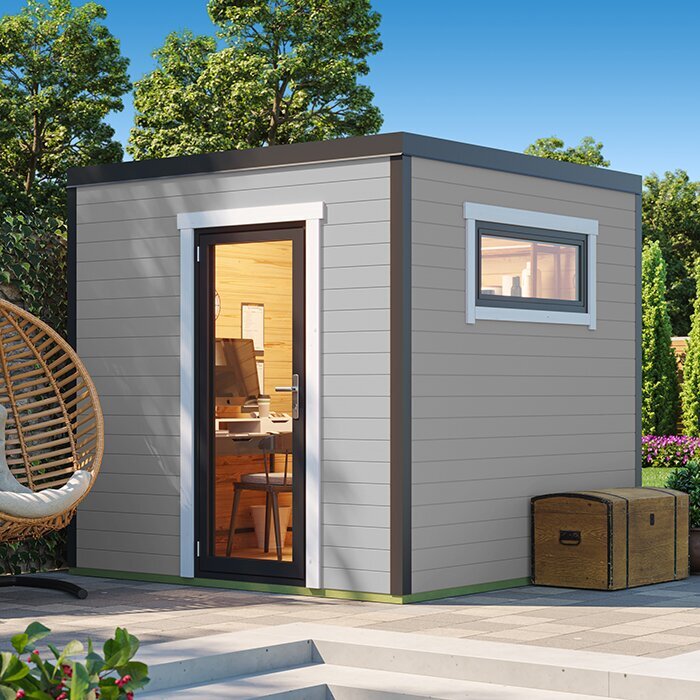
Consider the shed’s actual weather exposure
Assess each face in relation to sun, wind-driven rain, nearby splash and how long it stays damp. A wall under shelter may receive less direct sun but still stay wet if moisture is trapped; an exposed face can weather differently from a sheltered one. Salt-laden air in some coastal sites, strong sun and prolonged humidity can matter in particular locations, but no single description fits every Australian property. Use the shed’s actual position and local conditions rather than assuming a coating labelled for exterior use suits every exposure. For a candidate such as Orello 1 garden house, the model identifies what you are comparing; the site’s exposure, not its name, informs the finish choice.
Choose a coating whose maker specifies the relevant exterior use and exposure conditions. UV guidance is especially important for a strongly sunlit site, while rain exposure and persistently damp spots make the surface and the shed’s underlying weather design important too. A coating cannot fix water entry or replace sound roofing, joints and drainage. Check that the product’s application and drying requirements suit the conditions you can realistically provide; these depend on the product and the weather. If the instructions are unclear, ask before ordering or planning the work rather than relying on a broad claim that a coating is suitable for all weather.
Match the finish to timber and existing coatings
Timber type and condition influence both appearance and compatibility. Natural oils, tannins, preservative treatments and previous coatings can affect how a finish looks or bonds, so a clear finish or transparent stain may not produce the same result as a sample on another wood. Paint masks more colour variation but still needs a compatible base. For Modano 1 garden house, as with any model, verify the stated material and treatment before using an exterior product. If the product information does not identify them, ask the shed supplier rather than guessing from an image.
Existing coatings deserve equal attention. A stain intended to penetrate bare wood may not work over paint or varnish; an overcoat may also react poorly with an unknown treatment. Look for product names or descriptions on the documents supplied with the shed, and ask whether the finish you are considering can go over them. If the timber is preserved, factory-finished or otherwise treated, follow guidance for that specific surface. These checks help identify a compatible finish; they do not mean one primer or topcoat will suit every garden shed.
Compare maintenance over the life of the finish
Compare upkeep as a task, not just a label. Ask how the full system is maintained: which surfaces need attention, whether the product calls for a primer or multiple coats, and what its instructions say about renewal. Paint can mean watching for breakdown of a surface film and preparing areas before recoating; stain or clear products can need refreshing as colour or protection changes. Instructions, exposure and timber condition influence maintenance intervals, so avoid assuming a finish is maintenance-free or has a set lifespan. When considering the M timber garden shed, make the care plan from its confirmed finish and supplier guidance, not the model label.
Think about what repairs may look like as well as how often they may be needed. A touch-up can differ in colour or sheen from an older painted surface; transparent coatings may wear unevenly and leave timber with different tones. Sometimes renewing an entire visible face will look more consistent than treating a small spot, though the right approach depends on the product and existing finish. If you prefer to avoid visible changes, factor that in before choosing a transparent coating. If you favour a solid colour, consider whether you are comfortable preparing the surface when a film needs attention. These are possibilities to weigh, not guaranteed outcomes for every product.
Check the finish details before ordering
Confirm whether the shed will be supplied bare, treated, primed or fully finished, and whether a separate topcoat is your responsibility. Ask which components and faces are covered, including doors, trim, end grain or parts that may be accessible only before assembly. A description of treated timber does not necessarily mean every exposed surface has the decorative finish you want. If the timber tool shed S is on your shortlist, check its stated materials and finish inclusions directly; the model name does not establish either. Where possible, keep written information about what has been applied and any coating requirements.
Plan any separate coating purchase using the product instructions. Confirm the stated coverage, number of coats, primer requirements and whether the maker specifies a particular system; the shed’s floor footprint is not the area to be coated. Include doors, trim or other surfaces only where the instructions call for them. Check whether a coating is included or needs to be purchased separately, and confirm compatibility with any factory finish. If you may need to match the colour later, record the exact product and colour details rather than assuming a visually similar shade will be identical.

Assess colour and sheen in real light
Online photos and colour swatches cannot show exactly how a coating will look on your shed. Timber species, grain, existing treatments and natural light all affect the result. Where possible, compare samples on a similar piece of timber and view them in the place where the shed will sit. If the shed arrives prefinished, do not apply a sample directly to it unless the maker says that is suitable; use an offcut or an approved sample surface instead. A sample on a different type of wood can still help you compare shades, but it may not predict the final colour precisely.
Consider sheen as well as colour. A more reflective finish can catch light differently from a low-sheen one, and the contrast between sheen and texture may change how surface variations appear. Compare samples beside nearby buildings, fencing and garden features, not just against a white screen. Think about whether you want the shed to blend into its surroundings or stand out, and whether that preference will still suit the setting as plants and other features change. These checks are about the visual result; they do not replace confirming that the coating is suitable for the material.
Choose the compromise you can live with
Make a shortlist using three priorities: which surface can accept the coating, how much timber grain you want to see, and what kind of future care you are willing to do. If a consistent colour matters more than the grain, consider a compatible opaque paint. If you want colour while retaining texture, compare stains with different levels of opacity. If you want the timber to remain visible, weigh clear finishes against the maintenance and weathering you may see. These are appearance and upkeep trade-offs, not a ranking of quality. If the surface or its existing finish is unknown, resolve that first; a preferred look cannot make an incompatible coating suitable.
Before deciding, compare the exact product’s instructions for exterior use, compatible surfaces, finish type, application conditions, initial coats and ongoing care. Look for a coherent system rather than combining products because their descriptions sound similar. Keep the shed maker’s guidance alongside the coating instructions, and resolve any conflict with the relevant supplier or manufacturer. That leaves you comparing finishes that are suitable for the actual surface, not just attractive in a sample. The final question is whether you will still be content with the look as it ages and with the work needed to maintain it.
Frequently asked questions
Which finish is easiest to maintain?
There is no universal winner. Paint may need attention when its surface film breaks down; stain and clear finishes may need refreshing as their colour or protection changes. Exposure, timber condition and the exact product all matter. Compare the manufacturer’s maintenance instructions for the complete coating system, then choose the type of upkeep you are comfortable with.
Can I apply stain over existing paint?
Do not assume you can. Stains designed to penetrate generally need suitable timber beneath them, while paint forms a surface film. Some products sold as stains have different properties, so check the specific instructions and identify the existing coating first. Ask the shed supplier or coating manufacturer if compatibility is unclear.
Does a clear finish protect a shed from UV?
Some clear products include UV protection, but transparency alone does not tell you how much protection they provide. Clear finishes generally have less pigment to screen sunlight than pigmented options. Check the product’s stated exterior use, UV claims and maintenance instructions, and consider whether visible weathering would suit the look you want.
Will a finish make a garden shed weatherproof?
A suitable coating can help protect a timber surface, but it cannot fix water entry or replace sound construction, roofing, joints or drainage. Choose a finish for the surface and exposure it is designed for, and treat the shed’s weather resistance as a separate consideration.
How much coating should I buy?
Use the coating manufacturer’s coverage information, number of coats and instructions for the particular timber and finish. The shed’s floor footprint is not the area to be coated. Confirm which surfaces need treatment and whether primer or another product is part of the specified system before ordering.
Choose by the timber and finish the shed actually has, then balance the look against the work you are willing to repeat. Paint gives the most opaque colour, stain preserves some grain with added colour, and clear finishes keep the timber visible but make its variation—and changes to it—part of the look. Confirm exterior suitability, compatibility and what is included before ordering; that makes an attractive choice a practical one too.
