
A Reading Room in Your Garden Shed: Seating, Lighting and Comfort
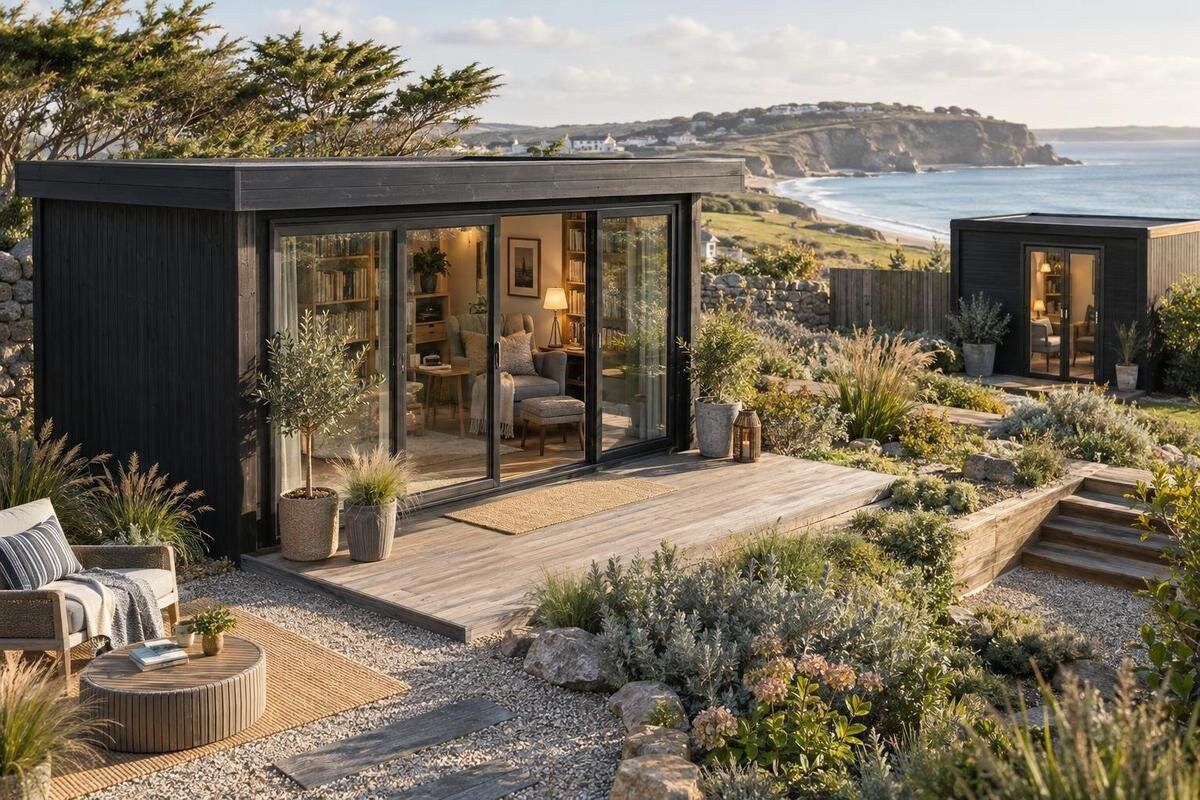
Garden shed planning
An inviting garden shed reading room depends on how well the seat, light and space work together. Before ordering a structure or filling it with books, decide whether you need a quiet corner for a quick chapter or a place to settle in for longer sessions. That choice affects the footprint, the chair, the clear route through the room and whether you will rely on daylight, a lamp or both. This guide focuses on those reading-room decisions, with practical checks for comparing a shed and setting it up without assuming a listing includes features it does not state.
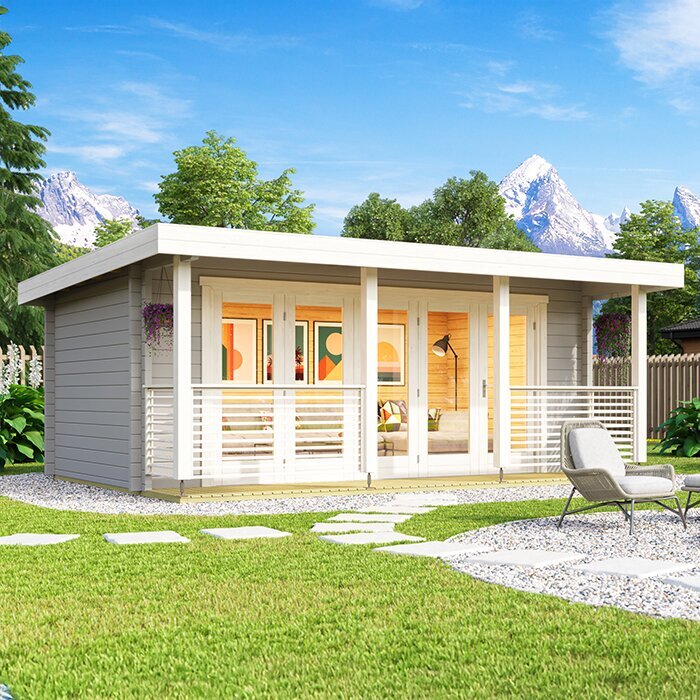
Decide what the reading room needs to do
Begin with the kind of reading you want to make room for. A quick chapter between other jobs may call for one comfortable chair, a small side table and a place to leave the book; a long, regular session may need a footstool, a reading lamp, a shelf and room to shift position. If another person might join you, draw in both seats now rather than hoping to add one later. Think about whether you will bring a laptop or notebook as well, but do not let occasional tasks dictate a desk-sized layout if the main purpose is reading. A short must-have list can keep extra furniture in proportion.
Choose the garden position with your usual reading times in mind. Consider whether the path feels convenient, whether nearby activity is likely to distract you, and whether direct sun or exposure will affect the space at those times. A shed used for a quiet afternoon chapter has different priorities from one you hope to use after dinner. Note which conditions matter most before comparing candidates. That way, you can assess the floor area, openings and any stated construction details against your own needs instead of choosing on appearance alone.
Measure the usable space before choosing a shed
Measure the furniture you intend to use, including the full depth of a recliner with its footrest extended, if relevant. Add the side table, lamp base and book storage, then sketch how you will move between the entrance and the seat. Check what the shed's listed measurements describe: a footprint and an internal floor measurement are not interchangeable. Door operation matters too, since the space needed to open an entrance can affect where furniture fits. A quick plan on paper helps reveal awkward pinch points before you order a building or buy furnishings.
Compare that sketch with the published details for each candidate. For example, use the Verdana 1 garden house listing as a reference only after checking what dimensions and opening information are actually stated. Photos can make a room look larger or smaller than it is, so avoid using them as a substitute for measurements. If a key internal dimension is missing, ask the supplier whether it is available. Leave enough clear floor for the entrance and the route to your chair; filling every spare corner with storage can make a reading room feel cramped.
Choose a seat you can settle into
Comfort is personal, so try a chair before committing if you can. Notice whether the seat depth, back and arms suit the way you like to read, and whether you can change position without feeling hemmed in. A chair that looks compact may still take up more room once its arms or recline are accounted for. If you are ordering online, compare the stated furniture dimensions with the space you measured and check the seller's terms for the chair itself. Do not rely on a product photo to judge how it will feel to sit in.
A single armchair is often the simplest layout to plan, while a small lounge chair or a second seat may suit shared reading. A footstool can make a favourite chair more inviting, but include its footprint and think about where it goes when not in use. For another point of comparison, check the stated room details for the Verdana 2 garden house listing against the dimensions of your chosen seat. The model label alone cannot tell you whether your furniture will fit. Decide on the main seat first; shelving and decorative extras can be scaled to the space left over.
Arrange the chair, table and books
Place the chair where you can reach a book and drink without stretching across the room. A side table should be large enough for what you actually use, but not so broad that it narrows the path. Keep a floor lamp where its base will not sit in the main walking line, and give a small bookshelf or crate a defined spot rather than letting books accumulate around the seat. If you want a footstool, check that it can be moved aside easily. These small relationships shape how the room works more than decorative items do.
Leave a clear route from the entrance to the chair, and make sure furniture does not interfere with the way the door opens. Try paper cut-outs or masking tape on the floor to mark the main pieces before moving them in. When comparing a layout with the Durano garden house listing, use only confirmed internal and opening dimensions to test clearances. Do not estimate a usable walkway from a wide-angle image. If the plan feels tight on paper, reduce the amount of furniture rather than counting on it being easier once everything is in place.
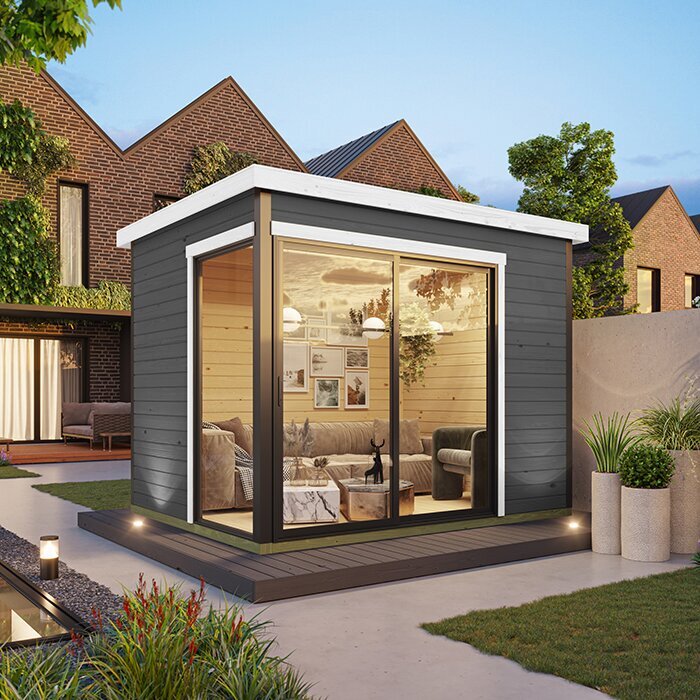
Plan reading light around the page
Think about the light on the book, not just how bright the room looks. General room lighting helps you move around, while a reading lamp can put light where you need it when daylight fades. If the room has a window or another opening, notice whether the sun might shine onto the page or create glare at your usual reading time. Glossy surfaces can add reflections, so check the relationship between the seat, the opening and the table before settling on a layout. A lamp you can adjust is useful when the reading position changes.
Keep the lamp's controls within reach and position it so your hand or head does not cast a distracting shadow across the book. A portable rechargeable lamp may suit a simple setup; fixed lighting or a power point needs more planning. If you want electrical work, ask a qualified electrician to advise on an appropriate solution rather than attempting wiring yourself. When reviewing the Veltor 1 garden house listing, check whether the page gives confirmed details about openings before predicting how much daylight the room will receive. Plan a lamp as well if you want dependable light after sunset.
Check seasonal comfort, not just the chair
A garden shed does not automatically provide the same conditions as a room inside the house. Sun exposure, shade, openings and the building's stated construction can all affect how comfortable it feels. If you hope to read there through different seasons, look for clear information about relevant features and ask the supplier about anything that is not explained. Do not infer thermal performance from a product name or a styled image. Books and soft furnishings also need a space that stays suitably dry, so consider site conditions and ask for professional advice if you have concerns about moisture.
Plan for adjustments you can make without crowding the room. A throw, cushion or rug may be useful on a cool evening, while a moveable shade can help manage bright light if it suits the shed's openings and the supplier's guidance. Confirm whether any window or ventilation feature you want is actually included and how it operates. If you expect to add heating or cooling, ask a qualified professional whether your intended setup is appropriate for the room. For the Orello 1 garden house listing, as with any candidate, rely on stated construction and comfort information when judging seasonal suitability.
Choose finishes that are easy to live with
Finishing touches should make the room pleasant without making it harder to use. A rug can soften footsteps, a cushion can add colour, and a washable cover may be practical if the shed is used often. Consider how dust, garden dirt and sunlight might affect fabrics and surfaces, and choose finishes you are willing to care for. Keep the palette simple if you want books and a favourite chair to be the focus. A small number of useful pieces usually feels more settled than filling the room with accessories before you know how you use it.
Check whether shelving, window coverings and other fittings are supplied or need to be sourced separately. A photograph may show a finished room without indicating which items come with the building. Review the Modano 1 garden house listing for any stated finish and inclusion details before planning your own additions. If you want to attach shelves or other items to a wall, confirm that the proposed fixing is suitable for the structure, and seek qualified advice if you are unsure. A freestanding bookcase can be easier to rearrange, provided its size and position leave the entrance and chair area clear.
Protect the quiet and privacy
Think about what you will hear and see from the seat. A spot close to garden equipment, a busy path or a shared outdoor area may not feel restful at the time you want to read. Visit the proposed location at different times if you can; a calm midday can sound quite different from a busy evening. Consider sightlines from nearby windows or paths, too. A screen or suitable window covering can offer privacy, but it may also change the light or airflow, so weigh those needs together rather than treating privacy as a separate finishing touch.
Soft furnishings may reduce a sharp echo inside, but they do not make a shed soundproof. Noise can still come through openings and from the surrounding garden. Look for any verified construction or opening information that relates to your expectations; do not assume that a room will block sound without a stated basis. The M Timber Garden Shed listing is one page to inspect for its published details, not evidence of a particular level of quiet or privacy. The garden's own layout and the time you read matter just as much to how secluded the space feels.
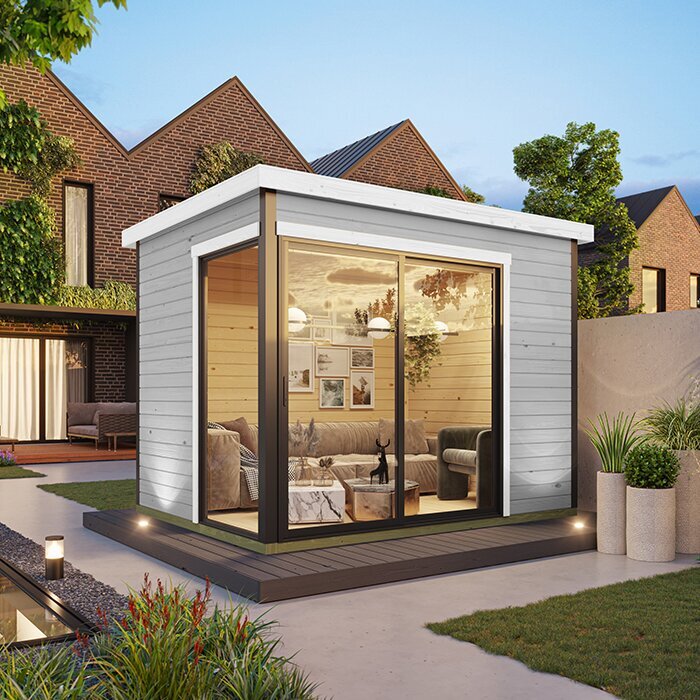
Check ordering and setup details
Before ordering, confirm what the listed dimensions refer to and whether the details you need are available for the entrance, floor and any openings. Check which parts, finishes and accessories are included, and what the supplier says about assembly and any site preparation. Do not assume a floor, lighting or interior fittings are part of the order unless the listing says so. Also compare the delivery information with the route to your chosen spot, including gates and other narrow points. If the site or intended services raise questions beyond your experience, ask the supplier or a qualified professional before committing.
The ordering decision is about more than the building's appearance: allow for the chair, lamp, table, shelves and any work needed to make the space usable. Check the terms for delivery, assembly, payment and returns on the actual product page, since details can vary and should not be guessed. Review the Timber Tool Shed S listing using the same checklist: confirm the stated dimensions, package contents and setup information rather than relying on the title. If your plans involve a change beyond placing furniture, check current local requirements with the relevant authority or a qualified professional.
Set up the room and adjust it over time
Bring in the main chair and a temporary table before installing shelves or adding many accessories. Sit down with a book at the times you expect to use the shed, then check whether the lamp reaches the page, the table is close enough and the route stays clear. Try the seat in its normal position and, if it reclines, in the position you will actually use. These simple trials can expose a problem that a floor plan missed. Adjust the furniture while the room is still easy to change, rather than working around a layout that never felt right.
Once the basics work, add one or two details that make the room feel like yours: a favourite throw, a place for bookmarks or a small stack of books. Keep some open space so the seat remains easy to approach and the room does not become overflow storage. Notice how the light and temperature feel as conditions change, and move portable items when needed. Follow care guidance for any furnishings or fittings you add. The best reading room is not the most decorated one; it is the one you can comfortably return to with a book.
Frequently asked questions
What size garden shed do I need for a reading room?
Measure the chair, table and any footstool or shelving you plan to use, then allow space to move around them and get through the entrance. Compare your layout with confirmed internal measurements, not just the listed footprint or a photo.
Can I use a garden shed for reading all year?
That depends on the shed's construction, site and local conditions. Check what the listing says about comfort-related features, and ask the supplier about anything unclear. A rug or throw can add a layer of comfort, but does not establish how well the room handles seasonal heat or cold.
Where should I place the reading chair?
Choose a position that feels comfortable to sit in, keeps the way in and out clear, and avoids distracting glare on the page. If the room has an opening you plan to use for daylight, check how light falls at the times you expect to read.
Do I need a window for a garden shed reading room?
Not necessarily. Daylight can be pleasant, but a reading lamp gives you another option when natural light is limited or changes during the day. If daylight matters to you, check the actual opening details for the shed you are considering rather than assuming them from an image.
What should I check before ordering?
Confirm what the listed dimensions refer to, how the entrance works, what is included, and what the supplier says about delivery and assembly. Also check that the route to the site and your planned furniture layout are workable. Ask a qualified professional about site or service questions outside your own experience.
A welcoming reading room comes together when the chair fits, the page is easy to see and the space suits the way you plan to use it. Measure your furniture and walkways before choosing a shed, then consider light, privacy and seasonal comfort using the details confirmed for that particular building. Keep the first setup simple: a comfortable seat, a reachable table and a useful reading light are a sound foundation. Add the softer touches once you know what makes you want to settle in.
